





Yomut Rug Textile
A yomut rug textile represents the rich weaving heritage of Central Asian nomadic tribes, offering buyers striking geometric artistry and authentic tribal history.
Yomut Rug Textile
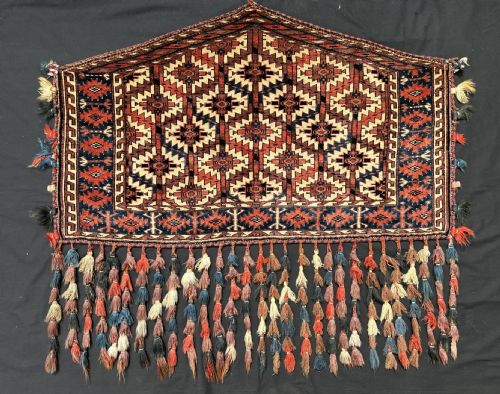
When you search for yomut rug textile items, you encounter a specialised selection of nineteenth and early twentieth-century nomadic pieces originating from the Trans-Caspian steppes. The listings on this page centre heavily on functional and ceremonial objects rather than standard floor coverings.
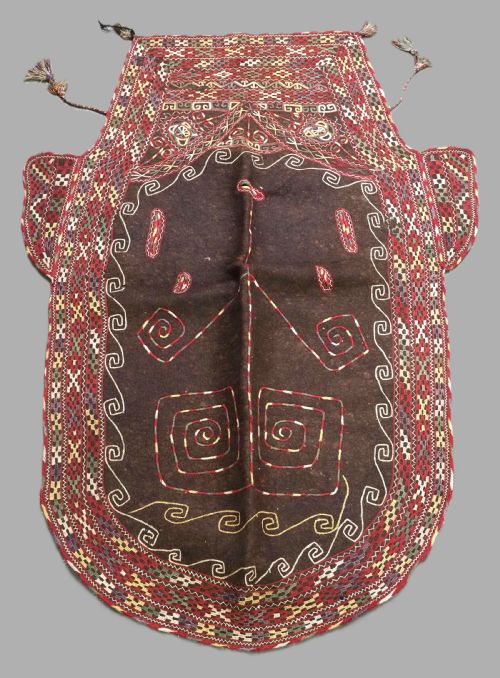
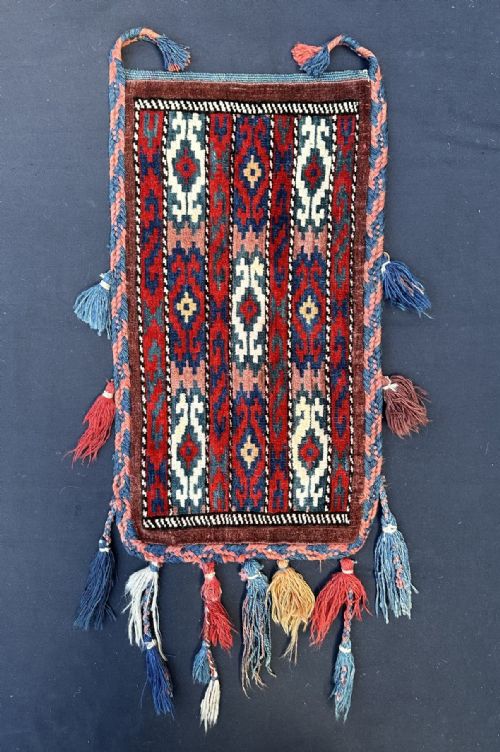
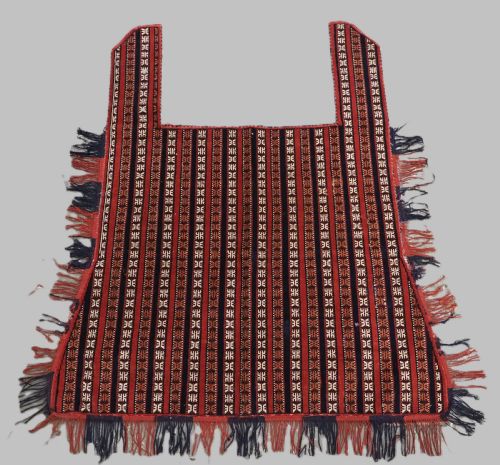
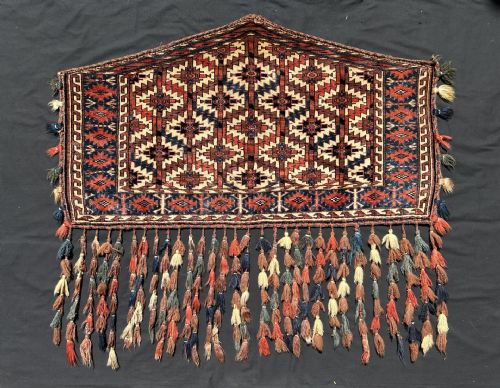
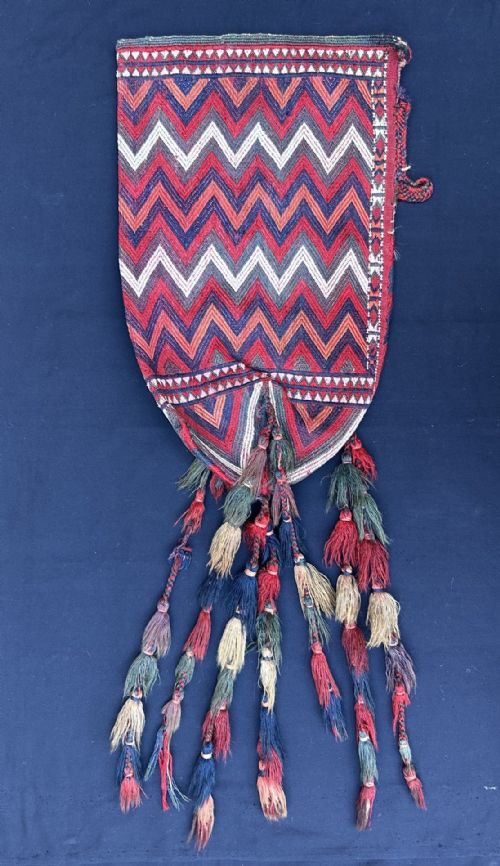
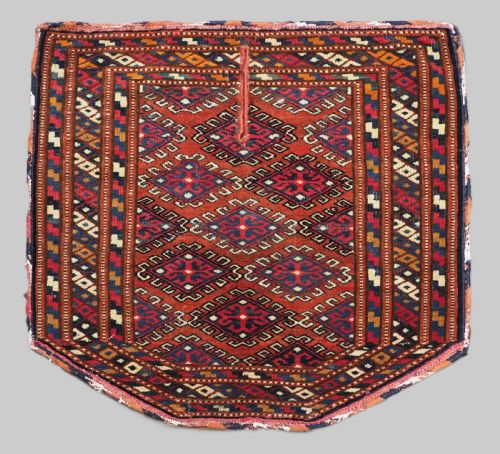
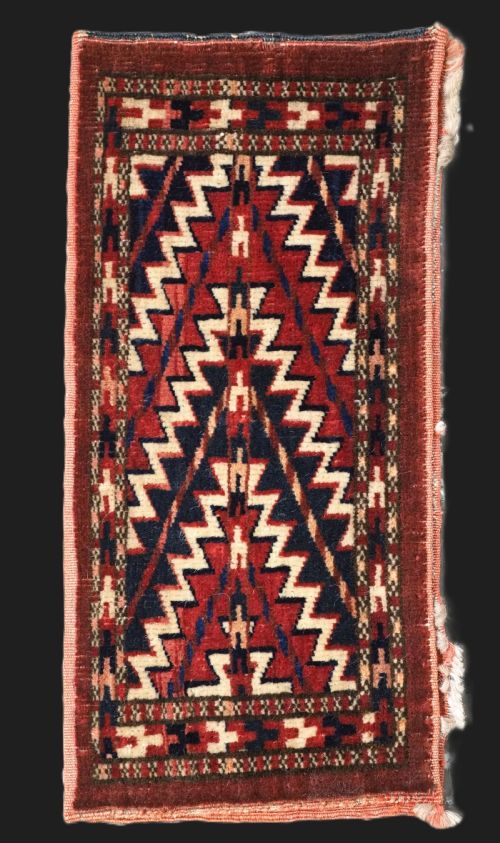
Buyers frequently meet specific forms such as asmalyks, torbas, chuvals, and spindle bags alongside horse covers and tent-pole bags. These items display distinct tribal motifs and regional characteristics rooted in Turkmen culture.
Originating predominantly from Turkmenistan and the broader Central Asian region, these textiles span periods from the mid-nineteenth century up to the 1920s. They provide a direct window into the nomadic lifestyle and artistic traditions of the Yomut tribes.
Evaluating Quality and Execution
Quality in these tribal pieces rests on the fineness of the weave, the clarity of the design structure, and the vibrancy of the natural dyes. Denser knotting and precise geometric layouts distinguish finer examples from simpler utilitarian work.
The preservation of original elements, such as complete backs, tassels, and structural integrity, elevates certain items above standard fragments or heavily worn examples. Artisanal skill shines through the execution of classic tribal motifs like the kepse gul and asmalyk style designs.
Nomadic weavers designed tent-pole bags so specific they fit the exact wooden struts of a dismantled yurt.
The Yomut Rug Textile Glossary
- Asmalyk
- A ceremonial pentagonal trapping often produced in pairs and used on wedding camels by Turkmen tribes. These decorative pieces typically display elaborate geometric layouts.
- Torba
- A small storage bag utilised within the nomadic tent for personal possessions and household goods. They frequently feature detailed face designs with traditional gul patterns.
- Chuval
- A large tent storage bag designed for blankets and clothing, commonly decorated with repeating gul motifs across the main field. These items were essential to nomadic domestic organisation.
- Gul
- A repeating primary medallion or octagonal design motif characteristic of Turkmen tribal weaving. Each tribal group utilised distinct variations of these emblems.
- Spindle bag
- A narrow container designed specifically for holding spinning tools and raw fibres during nomadic travels. They often incorporate plain weave backs for practical durability.
Yomut Rug Textile: Frequently Asked Questions
How do you display a torba?
A torba is traditionally hung inside a nomadic yurt as a functional wall storage pouch. Their balanced proportions make them straightforward to mount securely on modern interior walls.
Many collectors mount these bag faces onto conservation-grade backing for protection. This allows the detailed tribal patterns to remain visible without straining the historical fabric.
What does a gul design signify?
A gul is a primary octagonal medallion motif that acts as a tribal identifier in Turkmen weaving. Different regional groups developed distinct variations of these emblems to signal their lineage.
Spotting specific gul types helps collectors attribute pieces accurately to particular tribes. The repeating patterns create a harmonious visual rhythm across the textile field.
How are these textiles dated?
Dating relies on assessing the wool quality, dye composition, structural tightness, and stylistic markers of the period. Natural dyes and hand-spun materials generally point towards nineteenth-century production.
Stylistic evolution also guides the timeline, distinguishing mid-nineteenth-century items from later twentieth-century examples. Expert comparison with documented tribal pieces helps narrow down the probable decade of creation.