




Yellow Pine Table
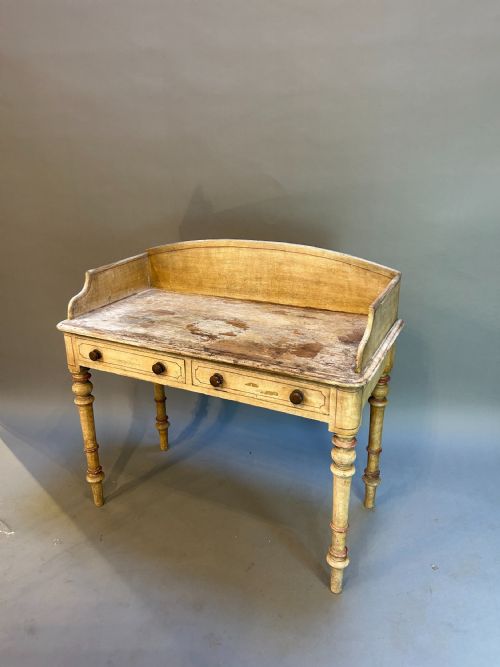
A yellow pine table brings honest utility and unassuming charm to a room, offering robust surfaces shaped by generations of everyday use.
Yellow Pine Table
A yellow pine table embodies the straightforward practicality of country and domestic life, appearing across periods from the Georgian era through to Victorian times and the turn of the twentieth century.
Buyers seeking a yellow pine table will encounter various forms ranging from generous kitchen and dining tables to smaller side tables, writing desks, and serving pieces.
Origins span English, French, and Scandinavian country traditions, reflecting local workshop practices in their construction and finish.
Construction and materials
Craftsmen built these tables using softwood pine and yellow pine timber, often pairing the wooden frames with iron or brass hardware for structural support and functional components.
Surfaces frequently show historical treatments of paint, painted timber, or scumble glaze, preserving the underlying wood while adding colour and character to the piece.
Yellow Pine Table Retail Price Guide 2026
Typical asking prices for yellow pine table among the pieces listed under this phrase on Sellingantiques today, from the lower quarter to the upper quarter. They describe what is for sale here now, not the wider market.
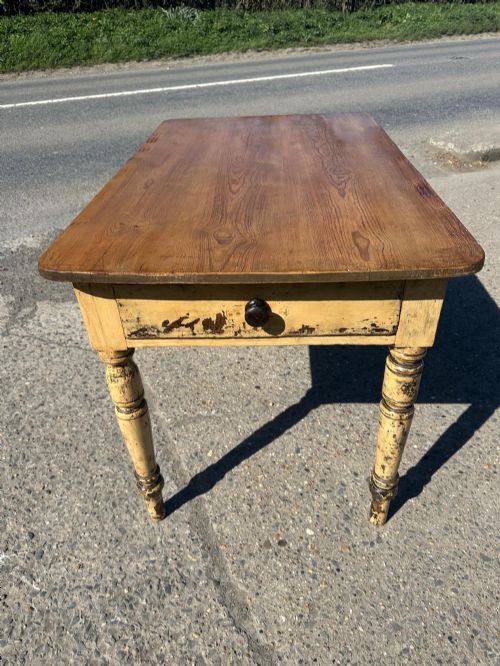
Some tables wear their history loudly, sporting old layers of paint that survived decades of kitchen bustle.
Factors of quality
Quality in these pieces rests upon the integrity of the original construction and the preservation of authentic surface finishes, such as untouched paint or early scumble glaze.
Proportions and timber selection distinguish standard utility pieces from more considered workshop examples, while surviving original legs and fittings elevate a table's character.
The Yellow Pine Table Glossary
- Scumble glaze
- A translucent paint layer manipulated with combs or brushes to imitate the grain of more expensive hardwoods.
- Drapers table
- A long, wide table traditionally used in textile shops for folding cloth, now favoured as a kitchen workspace.
- Softwood
- Timber from coniferous trees, such as pine, which was widely utilised for domestic furniture due to its availability and workability.
- Side table
- A small table designed to stand against a wall, frequently featuring drawers for storage.
Yellow Pine Table: Frequently Asked Questions
How do I clean a painted pine table?
Dust the surface regularly with a soft, dry cloth to prevent dirt accumulation. Avoid harsh chemical cleaners that might strip historical paint layers.
For stubborn marks, wipe gently with a slightly damp cloth and dry immediately. Preserving the original finish requires a delicate touch.
Can I use a kitchen table daily?
These tables were built for rigorous daily tasks in domestic settings. Using placemats and coasters helps protect historic timber surfaces from heat and moisture.
Embrace minor marks as part of the piece's ongoing history. Regular use simply adds to the patina developed over generations.
How do I identify a Victorian pine piece?
Look for construction traits typical of the nineteenth century, including machine-sawn timber and simpler joinery methods. Tool marks and hardware styles also offer clues to the date.
Comparing the piece with documented examples from the same period helps confirm its age. Regional variations in paint and timber preparation further aid identification.
What is simulated pine?
Simulated pine refers to furniture finished to mimic the appearance of pine timber. This technique was often employed to achieve a specific aesthetic using alternative materials.
Such finishes reflect the stylistic preferences of the period in which they were created. They demonstrate the versatility of nineteenth-century decorative techniques.