

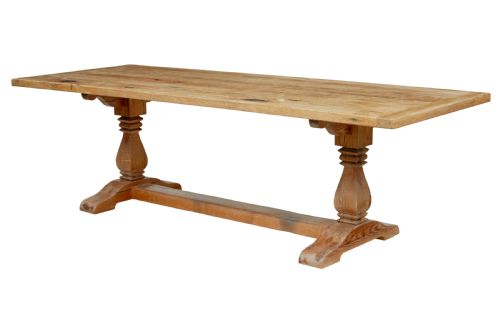
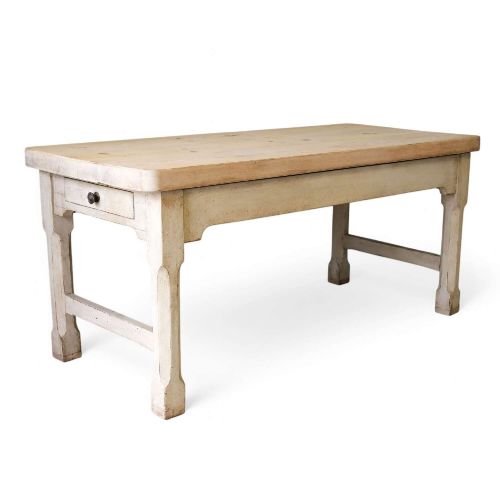
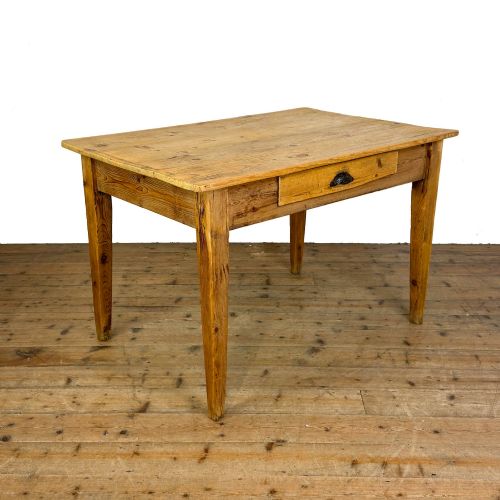
Victorian Pine Farmhouse Table
A victorian pine farmhouse table brings sturdy nineteenth-century utility into a modern kitchen, offering a broad timber surface shaped by decades of daily domestic use.
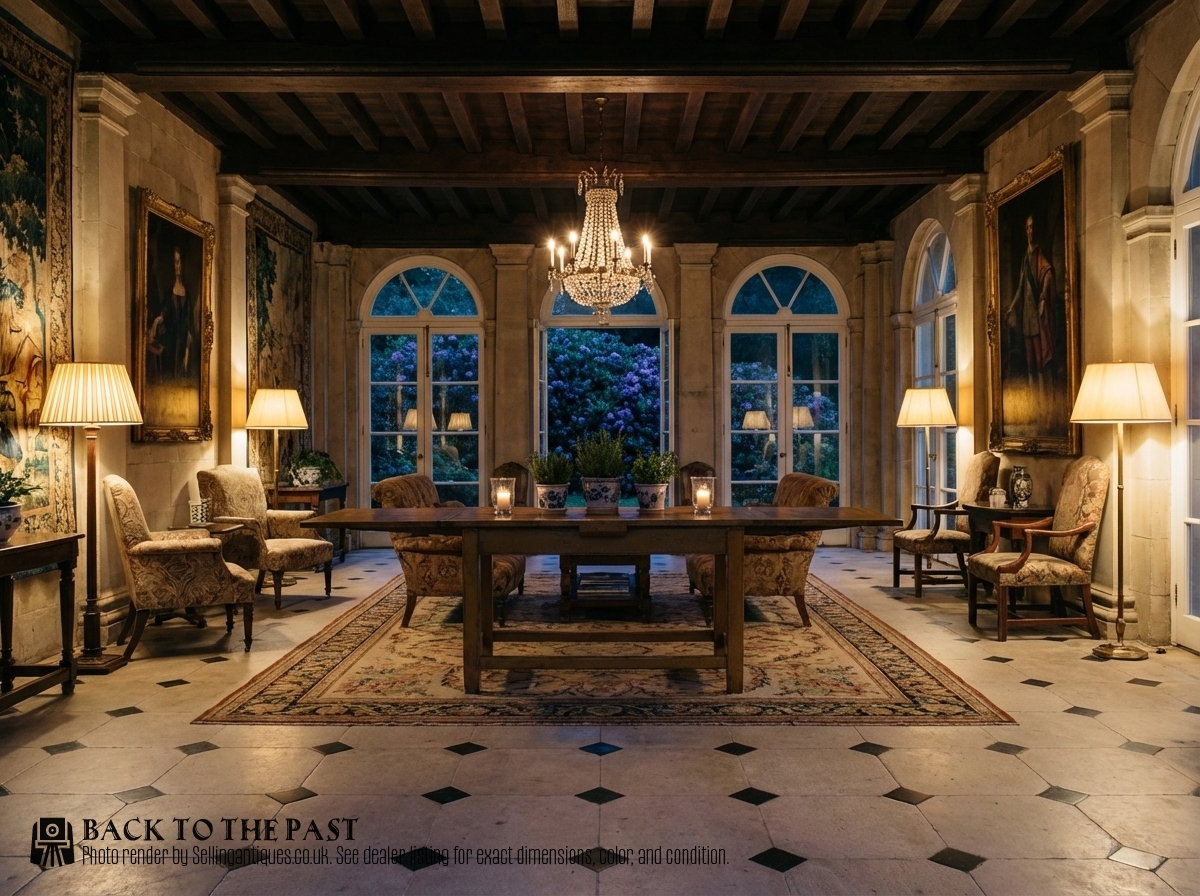
Victorian Pine Farmhouse Table
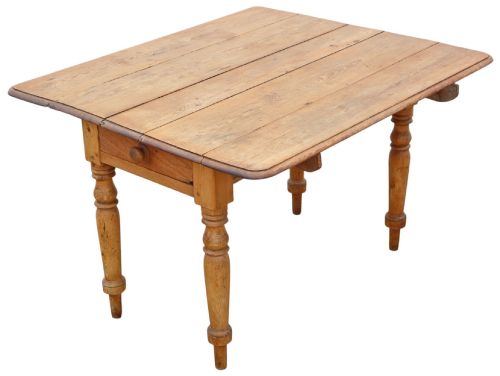
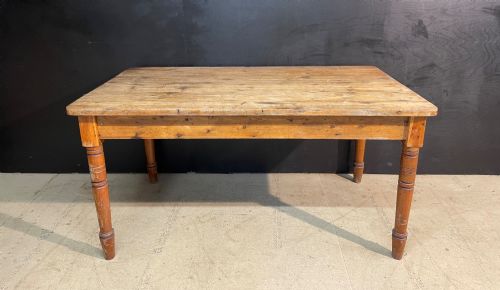
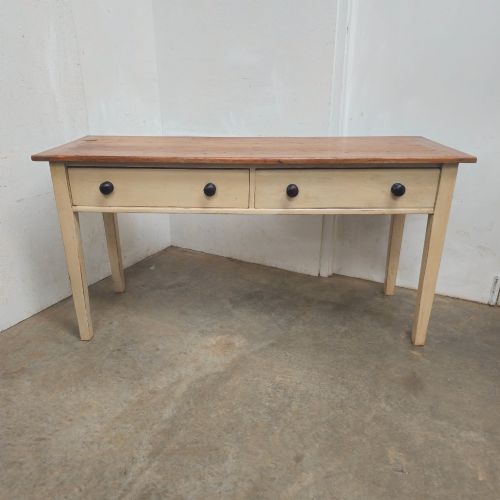
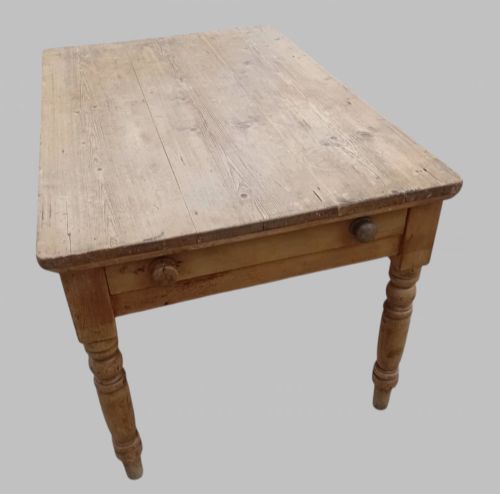
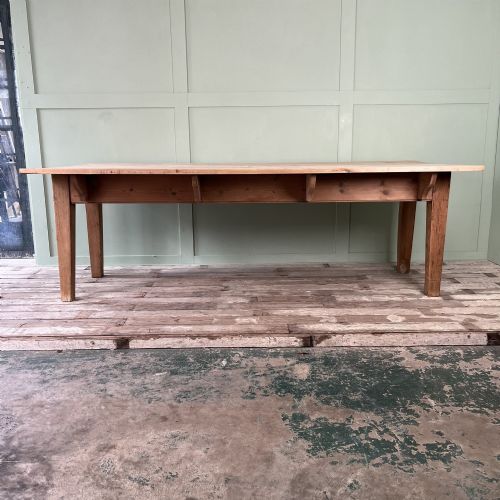
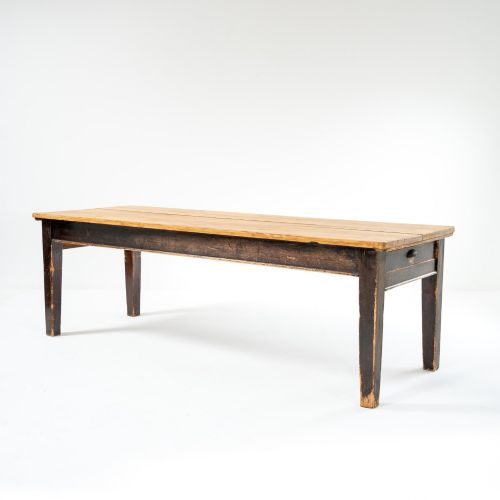
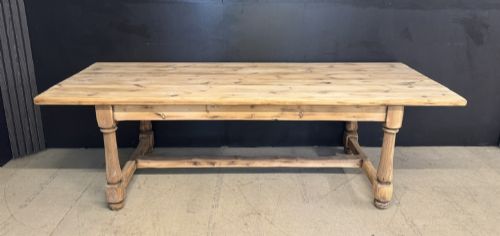
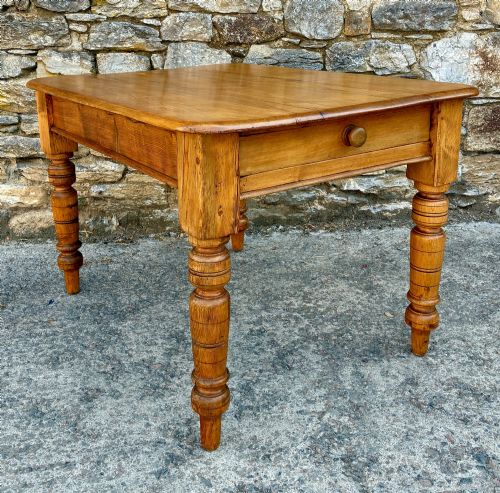
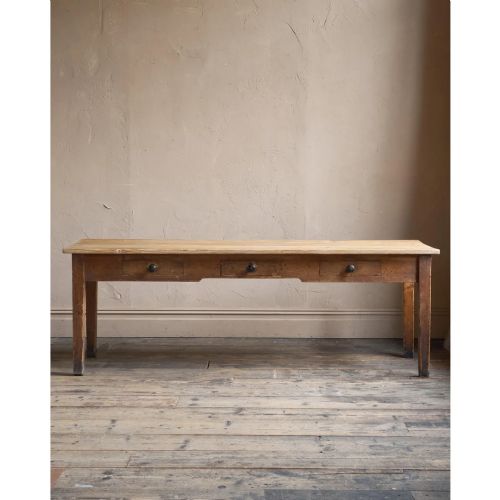
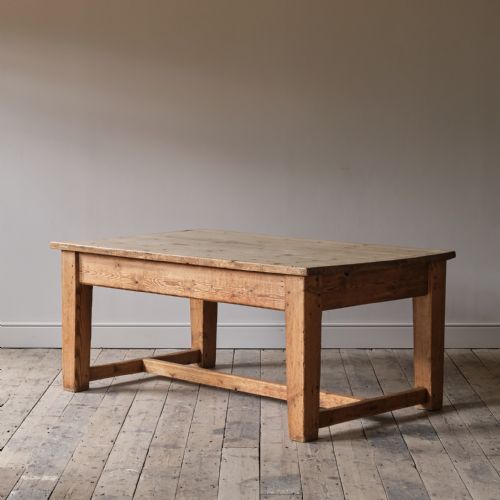
When you search for a victorian pine farmhouse table, you are looking at utilitarian dining, kitchen, and preparation surfaces that once served in country houses, dairies, and sculleries. The most common version met on this page is a rectangular nineteenth-century dining or kitchen table, frequently built with a scrubbed wooden top and square or turned supports.
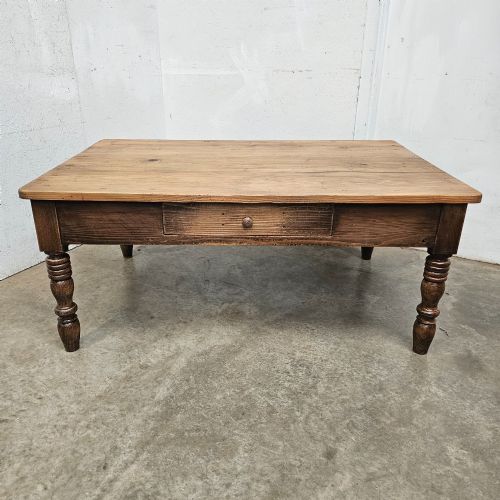
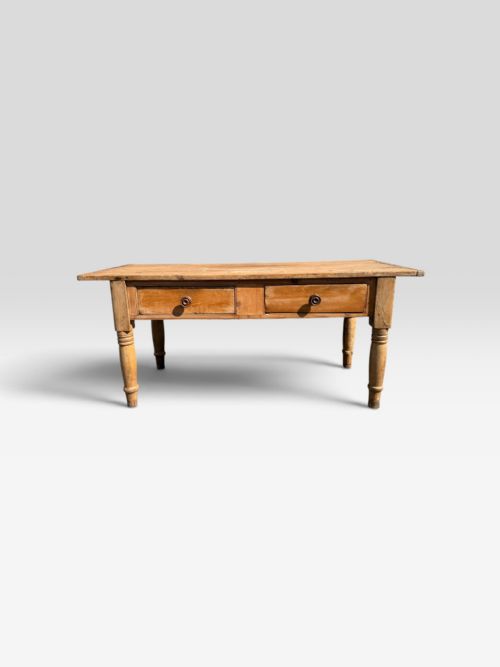
These pieces come in various proportions, from compact four-seater variants to grand eight-seater and harvest tables spanning eight feet or more. Alongside standard dining formats, the selection occasionally includes folding drop-leaf tables, coffee tables adapted from larger pieces, and dedicated prep or dairy tables equipped with functional drawers.
Originating across English, Scottish, and Welsh traditions, these tables reflect regional preferences in timber selection and leg profiles. While many remain true to their original domestic workspace function, others show later surface treatments such as original or subsequent coats of paint.
What varies in quality
Quality in these tables rests primarily in the integrity of the timber and the honesty of the surface wear. Superior examples retain thick, substantial top boards that have survived repeated scrubbing without excessive thinning, alongside sturdy framing that maintains absolute rigidity.
Several tables show scars from flour rolling and pastry cutting, preserving the quiet domestic history of nineteenth-century farm kitchens.
The Victorian Pine Farmhouse Table Glossary
- Scrub top
- A bare wooden tabletop designed to be vigorously scoured with water and sand to remove food stains. This process leaves the grain raised and pale.
- Pitch pine
- A dense, resinous softwood sourced mainly from North America and utilised for heavy-duty furniture. It displays a pronounced grain pattern and deeper amber tones than standard pine.
- Refectory table
- A long, narrow dining table traditionally built for communal dining halls. Nineteenth-century variants adapt this medieval form for domestic kitchens.
- Dairy table
- A specialised preparation surface used in butter and cheese making. These often feature plain boards or integrated drainage elements suited to damp environments.
- Harvest table
- An exceptionally long dining table designed to seat large numbers of farm workers during seasonal gatherings. They typically feature robust stretcher bases for added stability.
Victorian Pine Farmhouse Table: Frequently Asked Questions
How do I clean a scrubbed pine top?
Clean the surface using warm water and a mild soap applied with a soft brush, following the direction of the wood grain rather than scrubbing in circles. Rinse thoroughly and allow the timber to dry naturally to prevent warping.
Avoid harsh chemical detergents and excessive moisture, which can raise the grain too far or damage historical patination. Periodic light waxing can help protect the wood if it begins to look overly dry.
Were these tables always painted?
Many tables started their working lives with bare wooden tops used for food preparation, while their bases were frequently painted to protect the framing from damp stone floors. Original paint survives on certain examples, showing layers added during the nineteenth century.
Other tables were stripped back to bare timber either during their working life or by later restorers. Examining the underside and joint crevices often reveals traces of earlier colour schemes.
Can I use a farmhouse table outdoors?
These pieces were built for indoor domestic and agricultural spaces rather than open-air exposure. Placing them outside subjects the historic pine to extreme humidity changes, rain, and direct sunlight that cause severe splitting and rot.
Keep them within climate-controlled indoor environments to preserve the structural stability of the timber joints and prevent the original fastenings from loosening.
How do I tell an original Victorian table from a reproduction?
Inspect the underside and drawer construction for hand-cut joinery, tool marks, and timber shrinkage that indicate age. Nineteenth-century pine displays distinct surface patination, nail types, and wear patterns accumulated through decades of domestic use.
Reproductions often feature uniform machine milling, artificial distress marks, and modern fixings that lack the organic integration found in genuine period workshop pieces.