

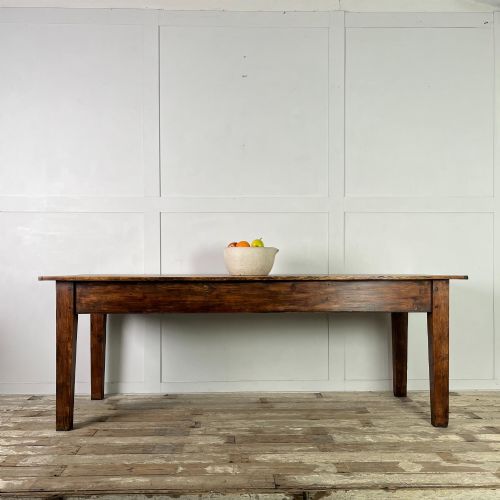
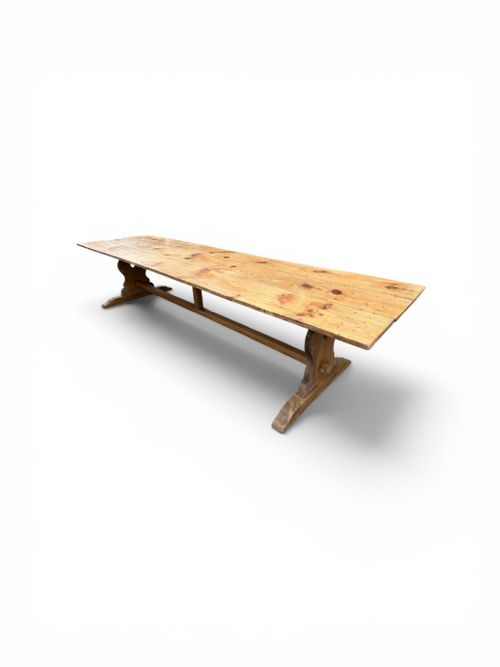


Traditional Pine Refectory Table
A traditional pine refectory table brings sturdy communal dining to a room, built for daily use and long-standing utility.
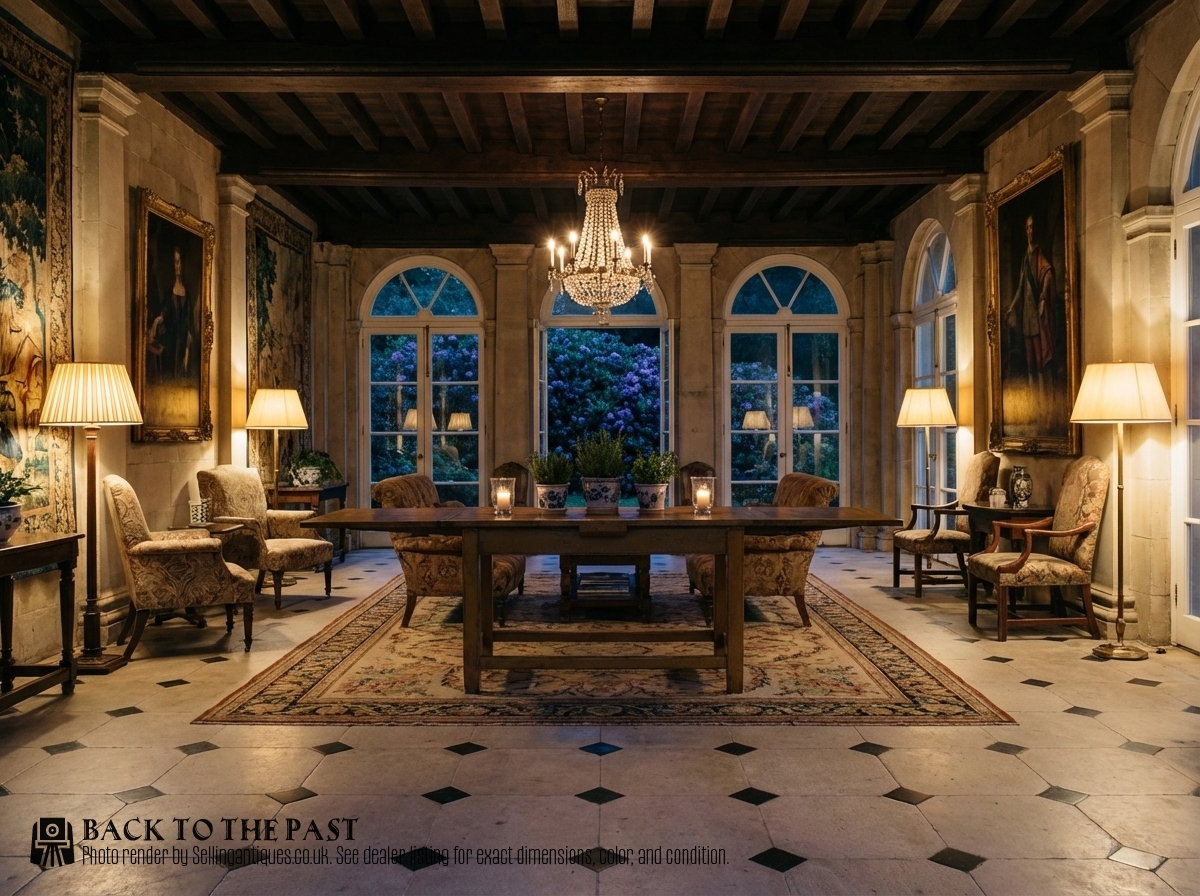
Traditional Pine Refectory Table
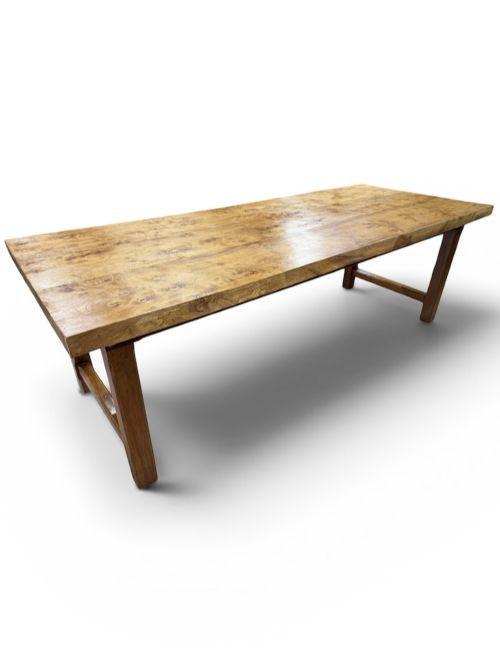
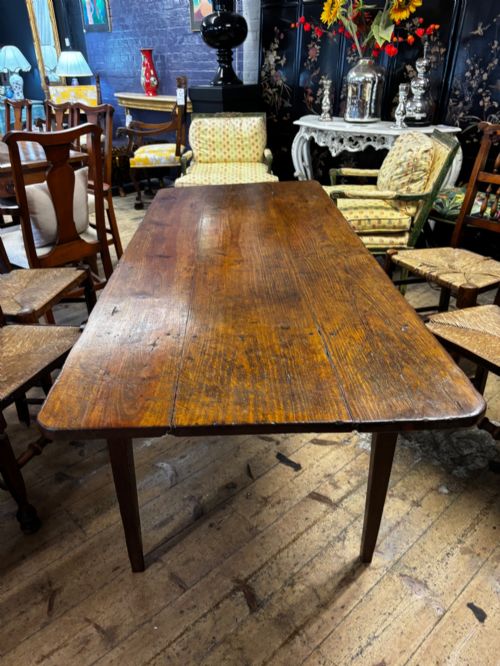
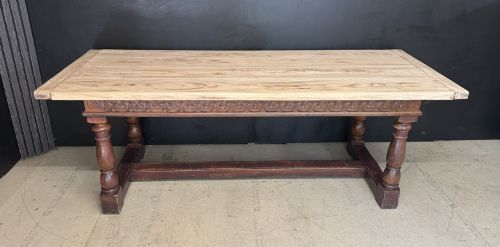
A traditional pine refectory table serves as a large dining or kitchen table designed for gathering many people. The pieces seen here span the nineteenth century, including Victorian examples, alongside pieces dated around eighteen seventy, nineteen hundred, and nineteen twenty.
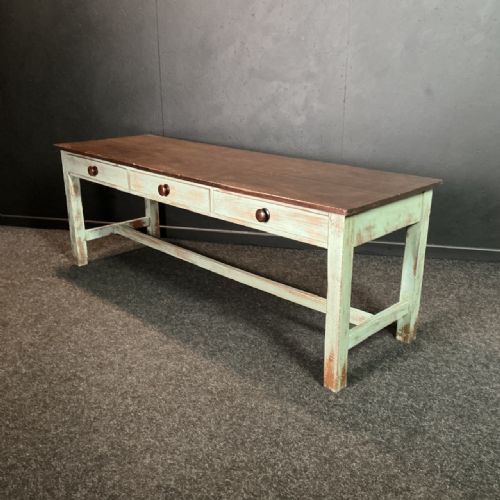
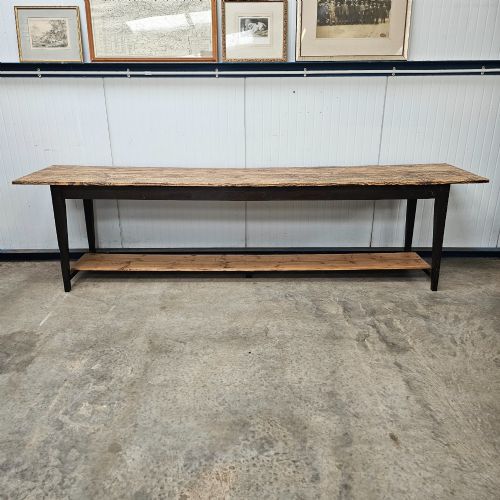
The forms encompass dining tables, kitchen tables, tavern tables, harvest tables, and kitchen preparation tables. Many originate from English and Welsh country houses, farms, and taverns, while others reflect French provincial traditions.
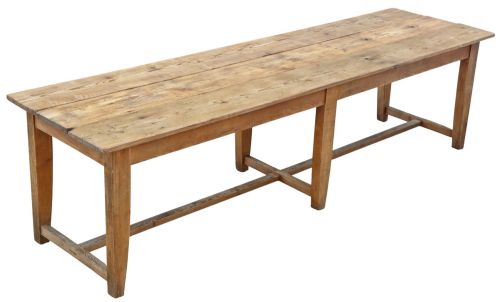
Buyers meet variations ranging from compact six-seater boards to monumental structures seating up to eighteen diners, often built with substantial length and deep planks suitable for hearty meals and kitchen work.
How they were made
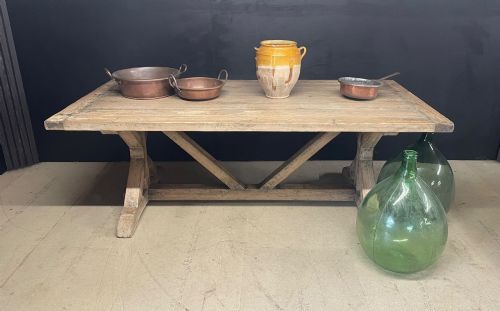
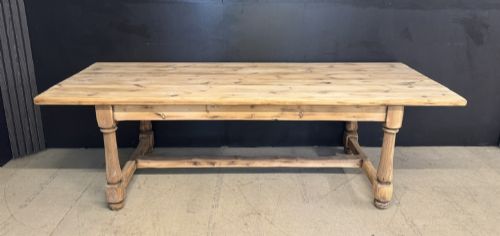
Construction relies primarily on solid pine timber, frequently paired with oak for extra strength in tops or framing, alongside occasional use of fruitwood and painted wood. Planks form the tabletops, often supported by cleated ends or X-framed trestles.
Joinery techniques focus on practicality and hard wear, utilising sturdy wooden construction designed to withstand daily kitchen and tavern tasks. Details such as brass fixtures or painted surfaces appear on specific provincial and tavern variants.
One extraordinary nineteenth-century kitchen table on record claims seating for eighteen hungry diners, proving ancestors took their gatherings very seriously indeed.
What varies in quality
The grade of timber and the thickness of the top planks set examples apart, with older nineteenth-century growth pine offering deeper grain patterns and heavier substance. The stability of the underframe and the integrity of the original joints dictate structural longevity.
Proportion and scale distinguish finer country house boards from standard utility pieces, particularly in longer refectory formats where timber selection requires careful matching of wide planks. Original surface patination accumulated through decades of kitchen or tavern use adds character without compromising the underlying structure.
The Traditional Pine Refectory Table Glossary
- Refectory table
- A long dining table historically used for communal meals in monastic refectories and later adapted for large domestic kitchens. These boards provide extended seating capacity.
- Cleated ends
- Wooden battens fixed across the ends of a tabletop to prevent warping and keep the planks flat. This technique secures multi-plank pine surfaces.
- Harvest table
- A long, narrow dining table traditionally utilised during seasonal farm gatherings and food preparation. They often feature lighter underframes to allow easier movement.
- Tavern table
- A sturdy utility table built for commercial drinking and dining establishments, frequently constructed with X-framing. They tolerate heavy public usage.
- Welsh vernacular
- Regional furniture styles originating from Wales, characterised by local timber choices and straightforward, functional carpentry. These pieces reflect specific domestic traditions.
Traditional Pine Refectory Table: Frequently Asked Questions
How do I seat eighteen people at a table?
Very large nineteenth-century refectory and country house boards provide the extended length necessary for accommodating numerous diners along both sides. Long benches or numerous chairs are typically paired with these substantial frames.
Positioning the table centrally in a spacious room ensures adequate clearance for guests to sit comfortably without crowding the surrounding walls.
What is the difference between a refectory table and a harvest table?
Refectory tables traditionally present longer, heavier proportions designed for permanent communal dining spaces, while harvest tables historically served flexible agricultural and domestic tasks. Harvest variants often maintain narrower tops and lighter underframes.
Both forms utilise robust timber construction, yet their historical origins dictate subtle differences in width and portability.
Can I use an antique pine table in a modern kitchen?
These tables integrate well into contemporary kitchens, serving as central prep surfaces or daily family dining spots. The durable pine and oak construction handles regular domestic activity.
Their substantial timber patination brings warmth and historical character to minimalist or modern open-plan interior spaces.
How do I identify a Victorian pine table?
Victorian examples date from the nineteenth century and often display typical regional country house or kitchen characteristics. Look for heavy pine top planks supported by sturdy turned or squared legs.
Documentation or specific nineteenth-century construction traits help confirm the era of manufacture alongside typical wear patterns.