


Yellow Pine Chest Drawers
Yellow pine chest drawers bring robust utility and distinct painted surfaces to a room, offering honest storage rooted in centuries of provincial craftsmanship.
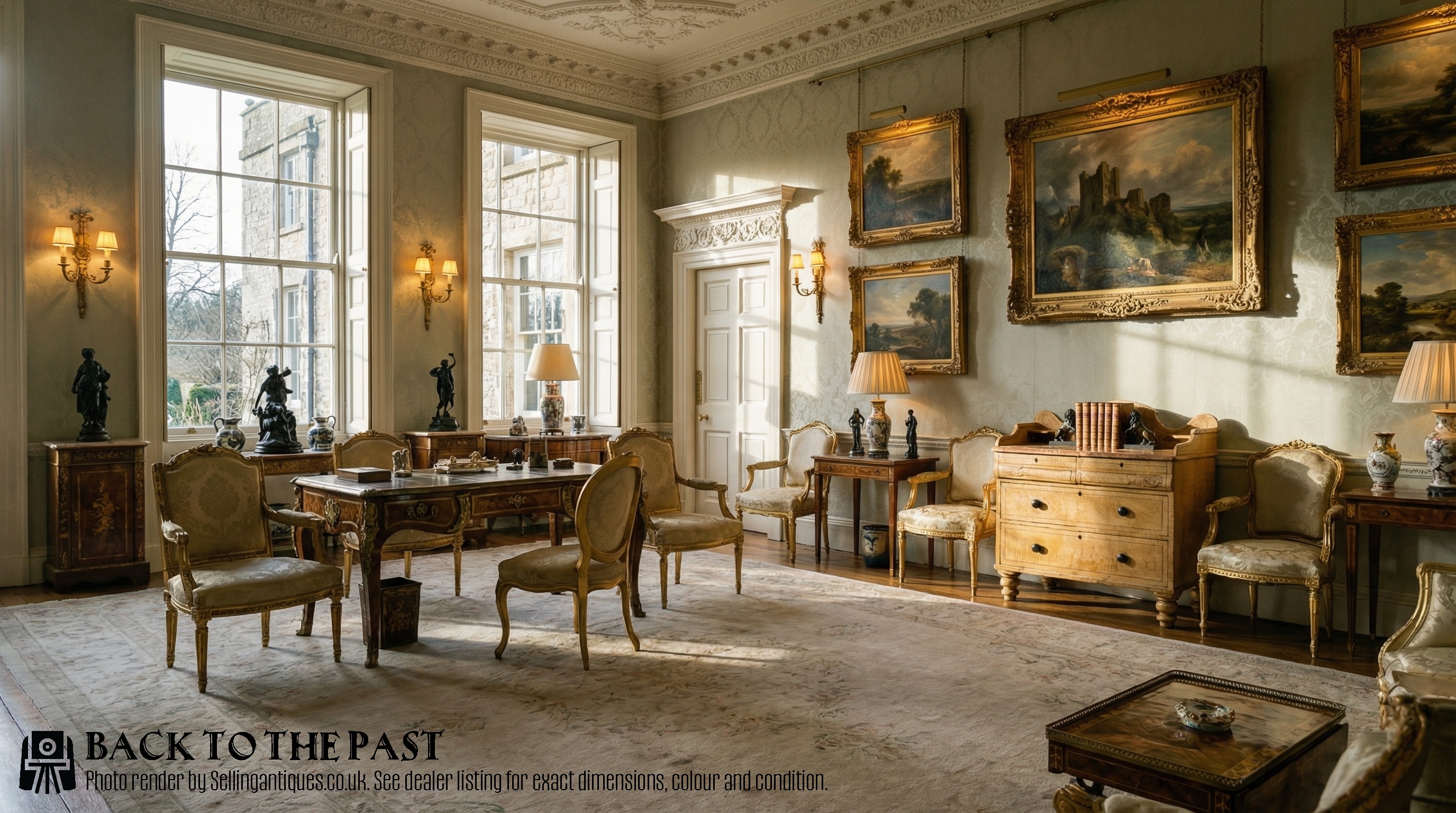
Yellow Pine Chest Drawers
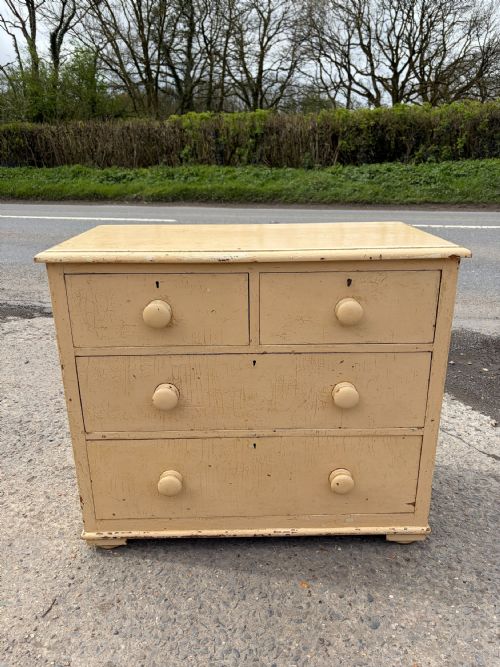
Yellow pine chest drawers provide practical storage through forms such as standard chests, dressing chests, bureaux, and washstands. These pieces span periods from the Georgian era through the Victorian period and into the early twentieth century.
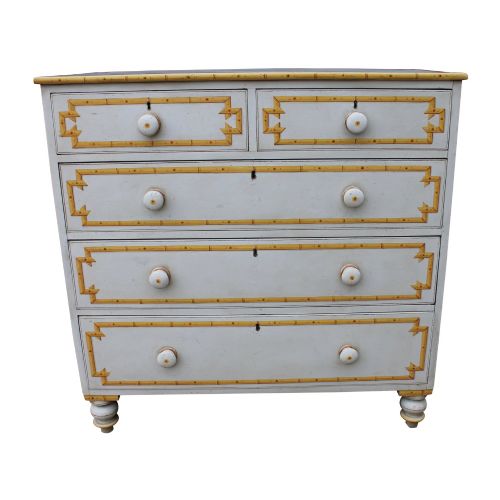
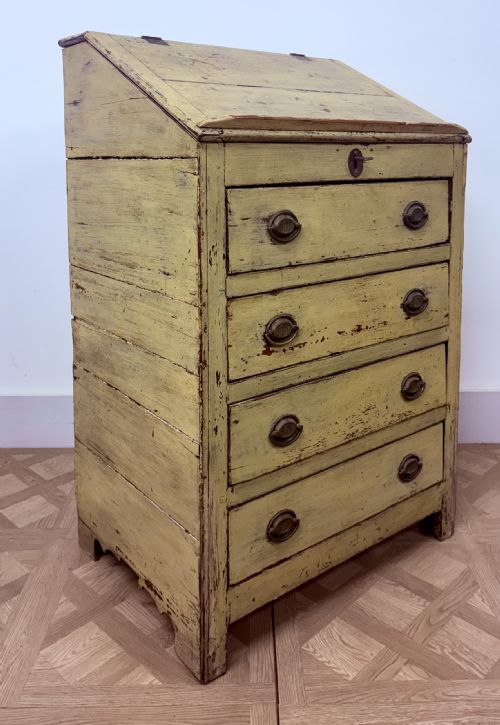
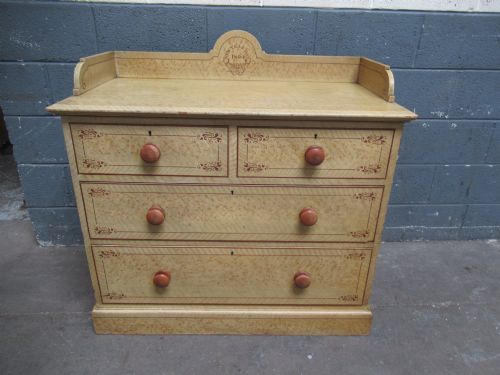
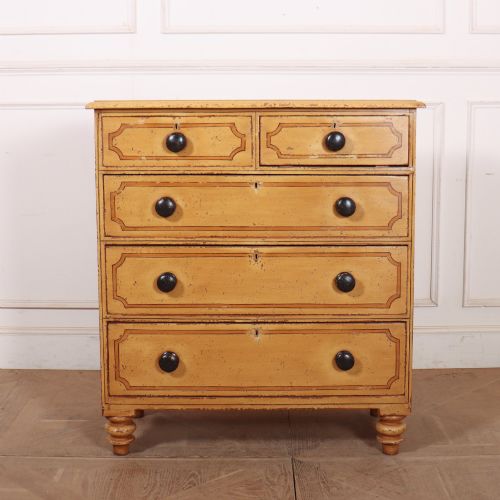
Buyers meet examples shaped by English, regional, and Swedish traditions, often featuring painted finishes ranging from simulated bamboo and faux effects to original country house scumble. The forms vary from straightforward two-over-two drawer arrangements to specialised Wellington and slope-front designs.
How they were made
Makers constructed these chests primarily from pine and painted timber, relying on the soft yet durable nature of the wood for everyday utility. Iron and brass hardware provided structural reinforcement and drawer pulls.
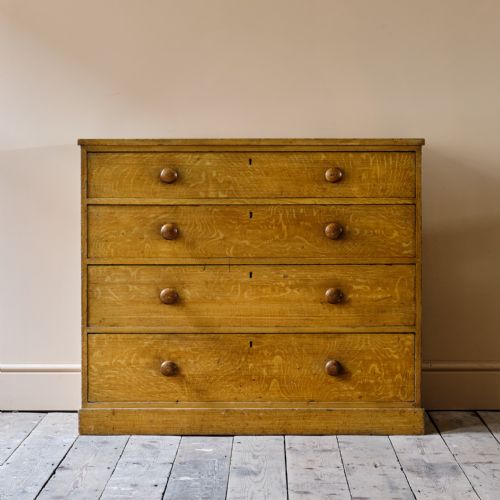
Surfaces received specialised treatments including hand painting, simulated graining, and scumble glazing. Artisans finished pieces with ceramic elements and decorative paintwork like faux bamboo or Chinoiserie details to mimic costlier hardwoods.
Listings feature pine chests spanning the Georgian, Victorian, and Edwardian eras, incorporating iron, brass, and ceramic hardware.
What varies in quality
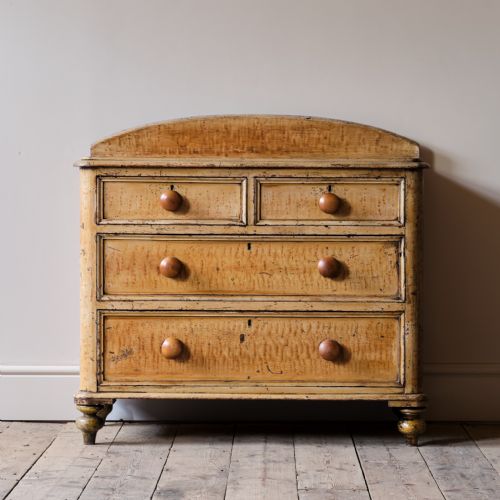
The distinction between ordinary and superior examples rests upon the preservation and complexity of the original paint finish. Pieces retaining untouched scumble glazes, authentic period decoration, or regional Swedish artistry command greater attention than those with later repainting.
The Yellow Pine Chest Drawers Glossary
- Scumble paint
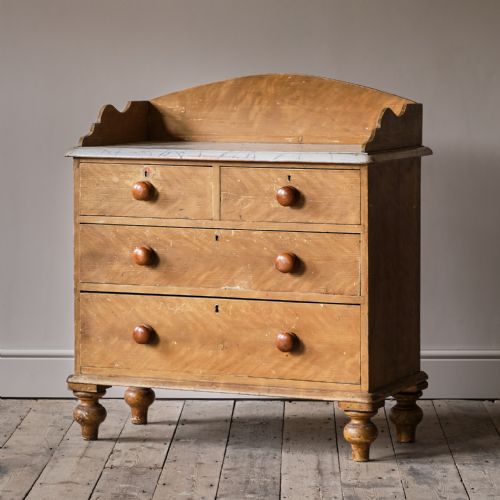
- A translucent glaze applied over a base coat and manipulated with combs or rags to imitate the grain of expensive timbers. This technique defines many rustic country pieces.
- Simulated bamboo
- A decorative treatment where the wood is carved or painted to resemble stalks of bamboo. Makers utilised this style during the nineteenth century for exotic effect.
- Wellington chest
- A tall, narrow chest of drawers secured by a hinged vertical locking bar on one side. This form provides compact storage with added security.
- Washstand
- A specialised piece combining a chest or cabinet surface with facilities for washing. These items often incorporate ceramic components and protective splashbacks.
Yellow Pine Chest Drawers: Frequently Asked Questions
Are these chests made of solid pine?
Makers constructed these pieces using pine and painted timber as the primary structural materials. Secondary woods sometimes appear in internal drawer linings.
Craftsmen utilised the soft wood for its availability and ease of working, then frequently concealed the grain beneath decorative paint layers.
What is original paint on a chest?
Original paint refers to the earliest decorative coating applied to the timber when the piece was first made. This includes scumble glazes and hand-painted finishes.
Surfaces retaining this primary layer demonstrate how the object looked in a nineteenth-century interior without later modernization.
How do I date a pine chest?
Dating relies on construction methods, hardware materials like iron or brass, and stylistic details such as Georgian proportions or Victorian drawer configurations.
Painted finishes and specific decorative traditions, including Swedish provincial work or Chinoiserie motifs, also help establish the period of manufacture.
Where were these painted chests used?
These pieces served practical storage functions in bedrooms, dressing rooms, and country houses across England and Sweden. Dressing chests and washstands found specific placement in private quarters.
Their robust construction suited domestic environments where functional furniture needed to withstand daily household routines.