
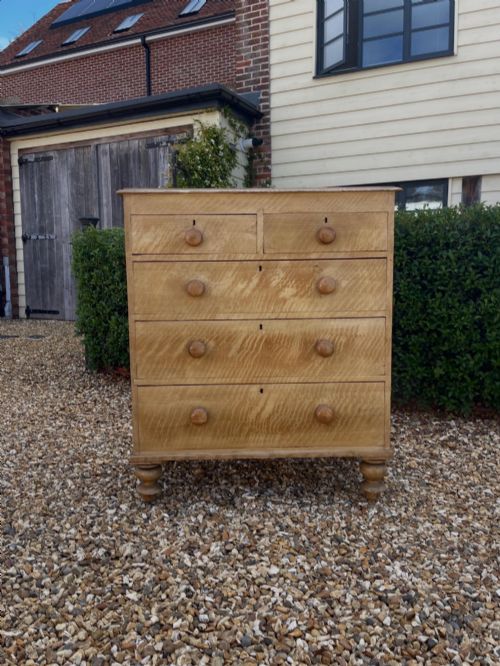
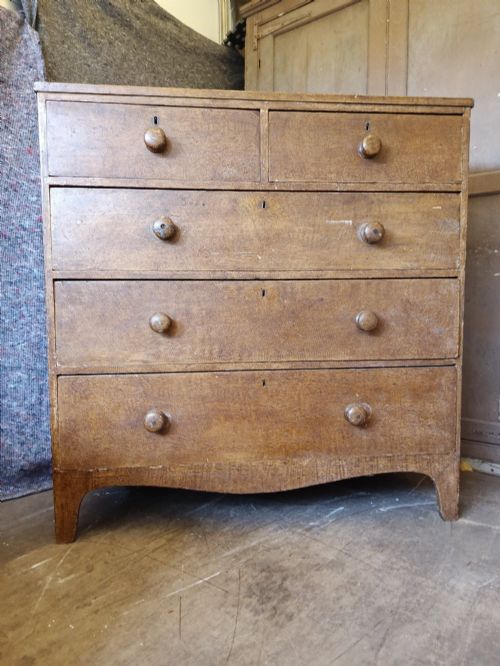
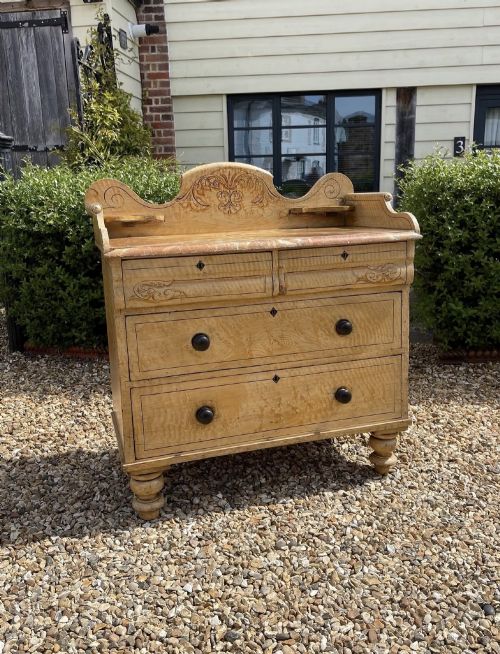

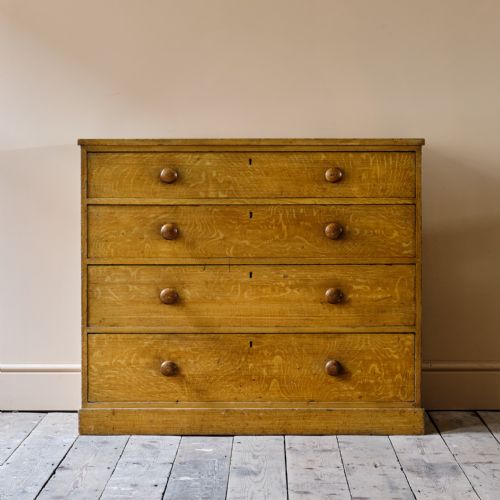


Scumble Painted Pine Dresser
A scumble painted pine dresser brings honest nineteenth-century utility and decorative surface texture into a room.
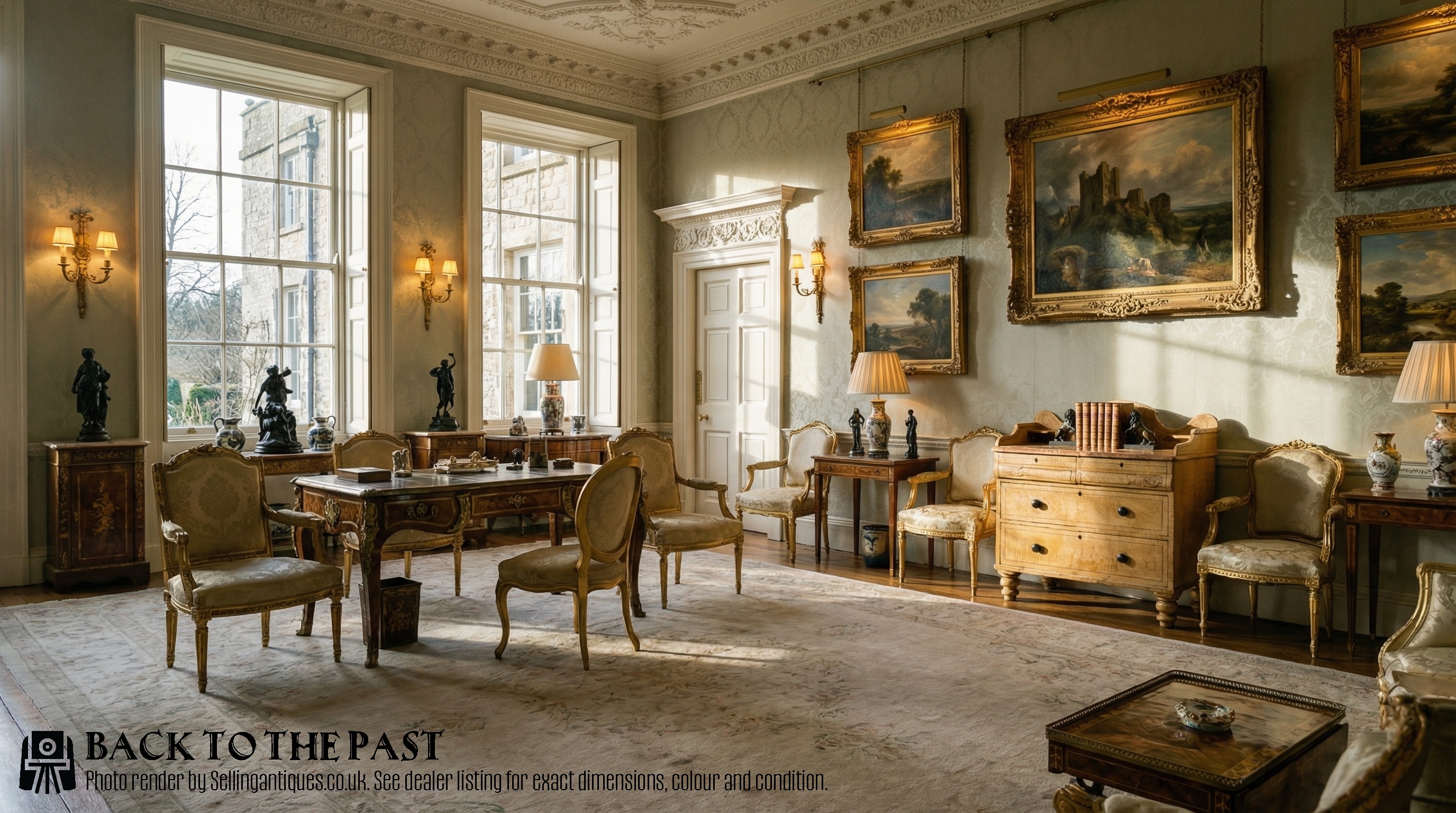
Scumble Painted Pine Dresser
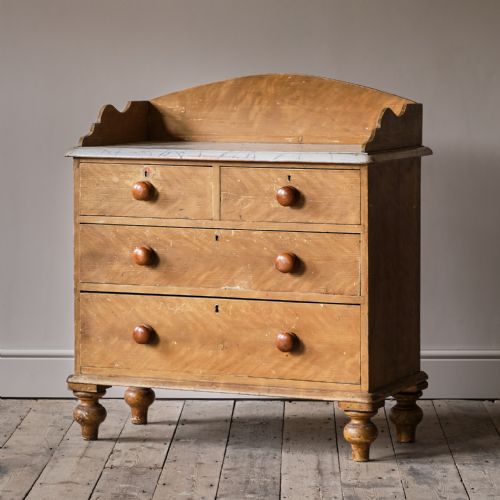
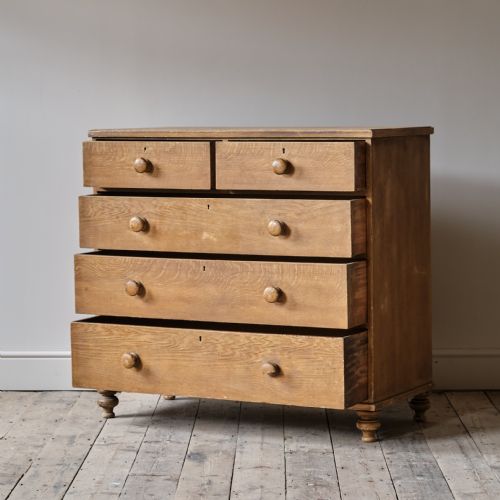
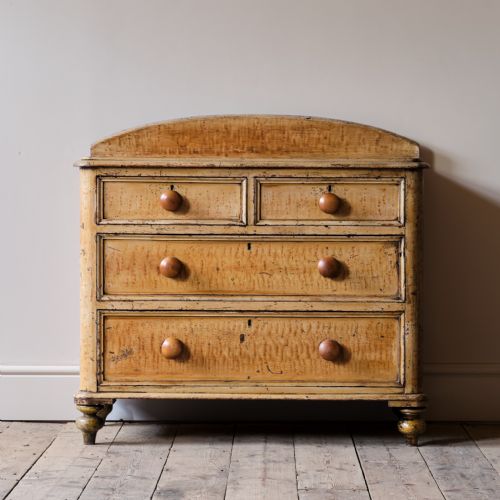
A scumble painted pine dresser is a utilitarian storage item built primarily during the nineteenth century from softwood timber and finished with decorative surface glazes. These pieces encompass kitchen dressers, dresser bases, housekeeper cupboards and chests of drawers rooted in country, folk art and regional traditions.
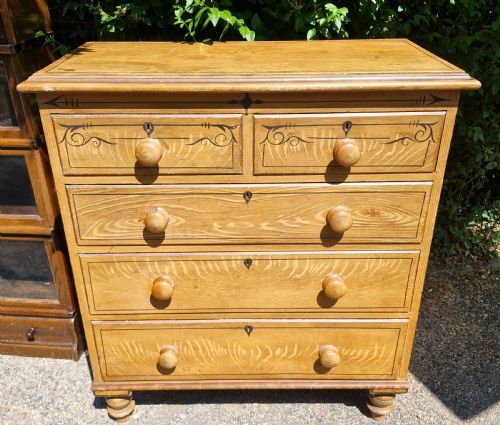
The versions most frequently met on this page date from the Victorian era and the broader nineteenth century, originating from regions such as Scotland and the West Country. They range from open kitchen dressers and cupboard bases to multi-drawer chests finished with pigmented glazes designed to imitate finer hardwoods.
What varies in quality
Quality rests upon the preservation of the original scumbled paint surface and the subtlety of the decorative brushwork or combing technique. Examples retain their early or original pigmented finishes with minimal overpainting or later domestic intervention.
Proportions, regional construction traits and the handling of timber edges also distinguish the work. Better pieces display balanced regional forms, sturdy carcase integrity and decorative depth within the glazed paint layers.
Listings feature nineteenth-century items built from pine and finished with scumbled paint, including kitchen dressers, cupboards and chests of drawers.
The Scumble Painted Pine Dresser Glossary
- Scumble paint
- A translucent or semi-opaque glaze applied over a lighter base coat and manipulated with combs, rags or brushes to create decorative grain effects. This technique allowed makers to turn humble pine into a visually richer surface.
- Dresser base
- The lower portion of a kitchen dresser, usually comprising cupboards and drawers beneath a flat top surface. These served as independent work and storage units in nineteenth-century domestic spaces.
- Housekeeper cupboard
- A large storage cabinet designed for linen, provisions or household stores, often standing tall with multiple internal shelves. They represent substantial pieces of nineteenth-century utilitarian joinery.
- Pine
- A softwood timber widely utilised for domestic furniture due to its availability and workability. It accepted paint and scumble glazes readily, forming the primary substrate for country furniture.
- Victorian country
- A stylistic descriptor for nineteenth-century domestic furniture produced outside metropolitan design centres. These items prioritize sturdy utility and regional character over formal academic revival styles.
Scumble Painted Pine Dresser: Frequently Asked Questions
What is a scumble painted pine dresser?
A scumble painted pine dresser is a nineteenth-century storage piece made from softwood and finished with a decorative translucent glaze. The surface treatment creates mottled patterns that imitate expensive hardwoods.
These items served practical domestic functions in kitchens and pantries, combining everyday utility with folk decorative finishes.
How do I care for scumbled pine furniture?
Keep the piece away from direct sunlight and steady heat sources to protect the nineteenth-century paint and glaze layers from drying out. Dust gently with a dry cloth and avoid harsh modern cleaning agents.
Maintaining stable room humidity prevents the pine timber from moving and safeguards the original surface finish.
Where were these dressers made?
These items originated in regional workshops across Britain, with distinct examples coming from Scotland and the West Country. Local joiners built them for everyday domestic storage using readily available softwood timber.
Regional differences appear in the construction details, drawer arrangements and the specific handling of the scumble glaze.
How can I tell if the paint is original?
Original scumbled surfaces show natural wear patterns, integrated ageing and consistent adherence to the pine substrate beneath. Close inspection reveals the characteristic drag marks of combs or brushes trapped within early glaze layers.
Evaluating the depth and patina of the finish helps distinguish period surfaces from later decorative repainting.