



Victorian Scumble Paint Furniture
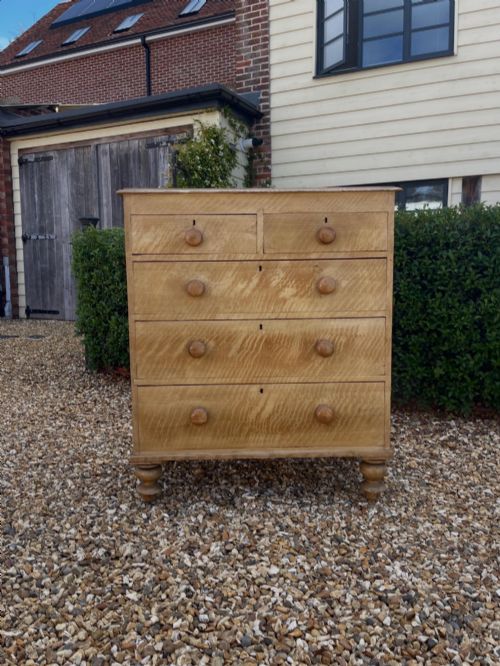
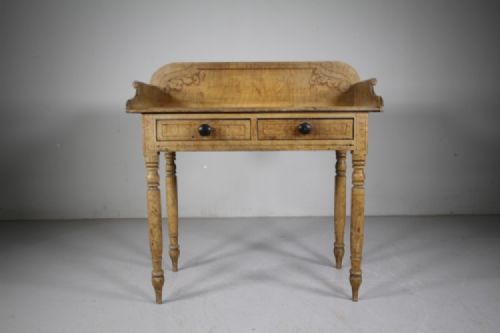
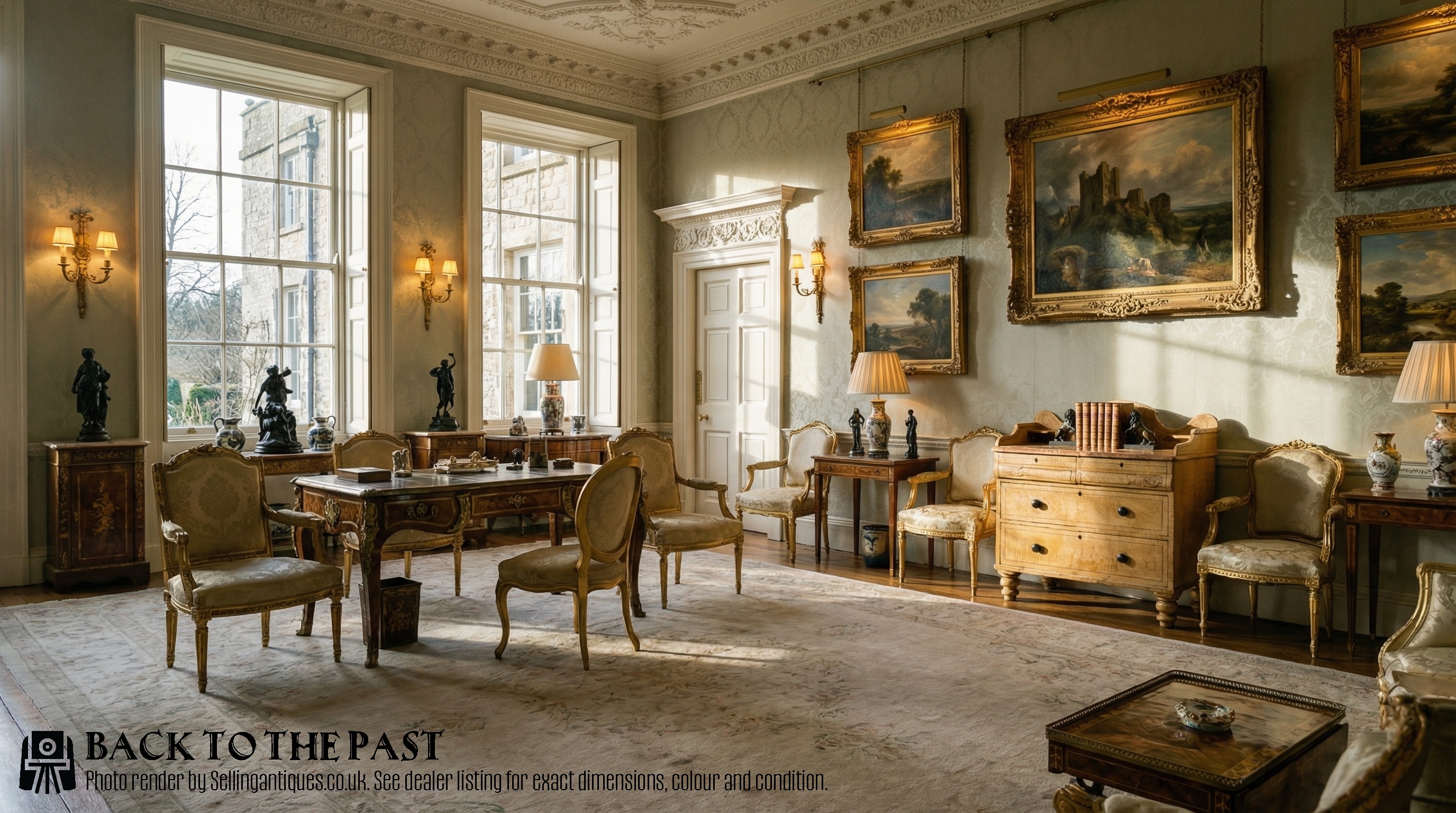
Victorian scumble paint furniture brings tactile warmth to a room through decorative glazes that mimic richer timbers on humble softwood bases.
Victorian Scumble Paint Furniture
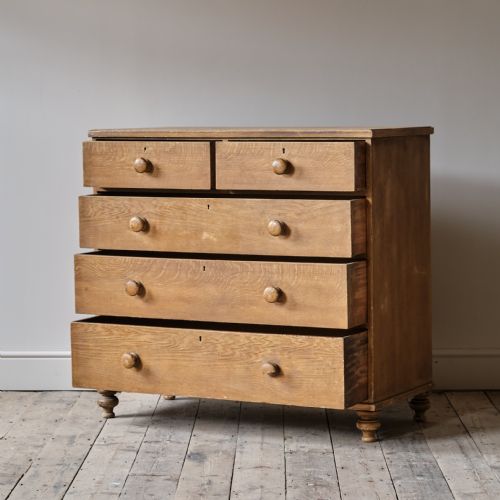
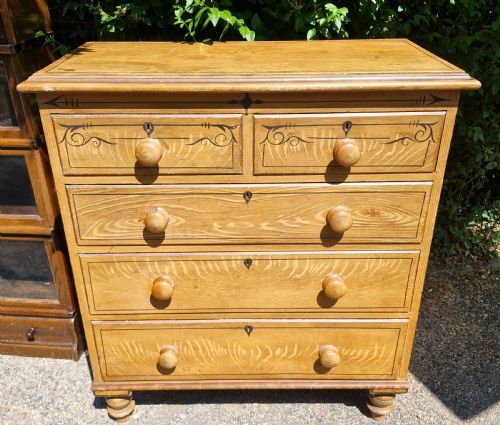
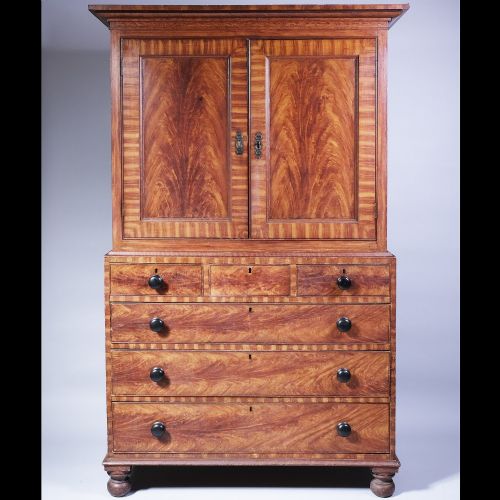
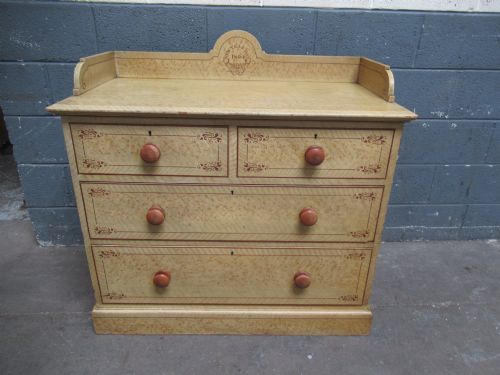
When you search for Victorian scumble paint furniture, you encounter robust domestic pieces built from pine and softwood that received decorative surface treatments during the nineteenth century. These items include chests of drawers, housekeepers cupboards, washstands, side tables, and dressing chests shaped by country house and rustic farmhouse traditions.
The pieces on this page span the decades from the 1870s through to 1900, showing regional variations such as West Country pieces alongside standard English country workshop output. Chests of drawers dominate the selection, often retaining their original grain finishes and dated paint layers.
Buyers choose these objects for their honest utility and the visual texture of their aged surfaces, which display the distinct hand of nineteenth-century decorators. Each item demonstrates how vernacular furniture was elevated using oil-based glazes to simulate more expensive woods.
Materials and technique
Makers constructed these items primarily from solid pine and softwood timber, selecting durable woods that readily accepted decorative surface coatings. Iron fixings and occasional ceramic or glass elements completed the functional hardware of chests, cupboards, and washstands.
Craftsmen applied tinted oil glazes over a lighter base coat, then worked the wet paint using combs, feathers, or rags to manipulate the pigments into patterns resembling oak, walnut, or exotic grains. Some specialised pieces also featured painted faux marble tops or hand-painted details.
The resulting scumble glaze dried to a hard, semi-translucent layer that protected the underlying softwood while creating the illusion of finer cabinetry. Subsequent generations preserved these surfaces, allowing the original nineteenth-century grain finishes to survive intact.
Some chests arrive wearing their original green scumble coats, proving that Victorian householders loved a pop of colourful rustic drama.
Judging the quality
The distinction between ordinary and exceptional pieces lies in the dexterity of the grainer's hand and the depth of the translucent glaze layers. Skilled decorators created convincing movement and tonal variation that mimic genuine timber rather than flat, uniform coverage.
Proportion and structural integrity also separate standard items from superior examples, particularly in larger case pieces like housekeepers cupboards and Wellington chests. Originality of the surface finish remains paramount, with untouched patination commanding greater appreciation than later overpainting.
The Victorian Scumble Paint Furniture Glossary
- Scumble paint
- A translucent or semi-opaque oil-based glaze applied over a contrasting base colour to create decorative grain patterns.
- Softwood
- Timber from conifer trees, predominantly pine in these listings, used as the primary structural material for country furniture.
- Housekeeper cupboard
- A large storage piece with multiple doors and drawers, traditionally used in country houses for linens and dry goods.
- Faux marble
- A painted surface technique designed to simulate the veining and appearance of natural stone, found on pieces like washstands.
- Wellington chest
- A tall, narrow chest of drawers secured by a hinged vertical locking side bar, popular during the nineteenth century.
Victorian Scumble Paint Furniture: Frequently Asked Questions
What is scumble paint?
Scumble paint is a decorative oil-based glaze manipulated while wet using combs or rags to simulate the grain of expensive timbers on plain pine surfaces.
This technique allowed nineteenth-century makers to produce affordable furniture with the rich visual appearance of exotic woods.
How do I clean scumbled furniture?
Clean these surfaces gently with a dry or barely damp cloth, avoiding harsh modern detergents that can strip historic oil glazes.
Preserving the original nineteenth-century finish requires minimal intervention and careful protection from excessive moisture and direct sunlight.
Are these pieces made of solid pine?
Yes, the domestic items listed here are constructed from solid pine and softwood timbers selected for their utility and accessibility.
Makers relied on these sturdy woods for everyday household forms like chests of drawers, washstands, and side tables.
How do I date scumbled furniture?
Dating relies on construction methods, hardware types, and stylistic indicators pointing to the nineteenth century, particularly between the 1870s and 1900.
Original painted dates or inscribed markers occasionally survive on the timber to confirm the exact decade of manufacture.