


Yellow Gold Box
When you search for a yellow gold box, you enter a dense lineage of precious containers shaped by Georgian and Victorian goldsmiths.
Yellow Gold Box
A yellow gold box encompasses small personal containers created for snuff, vestas, pills, or documents, alongside fitted presentation cases that once housed watches and jewellery.
The objects span Georgian, Victorian, and mid-century periods, with snuff boxes and pocket-sized receptacles forming the bulk of the early material.
Makers utilised high-karat alloys, often pairing the precious metal with enamel, glass, or gemstones to elevate functional items into portable displays of status.
Materials and Construction
Goldsmiths worked primarily in solid 18ct, 15ct, and 9ct gold, employing casting, chasing, and engine-turning to pattern the exterior surfaces.
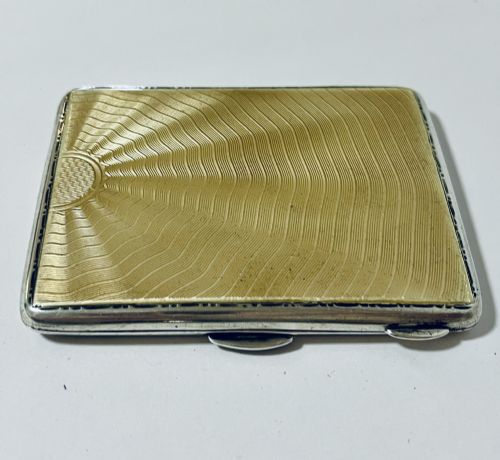
Techniques such as guilloché enamel and vari-coloured gold application added complex multi-hued decorative effects to lids and sides.
Hinges and closures were engineered to close with precision, requiring expert fitting to ensure seamless alignment of the box body and lid.
Yellow Gold Box Retail Price Guide 2026
Typical asking prices for yellow gold box among the pieces listed under this phrase on Sellingantiques today, from the lower quarter to the upper quarter. They describe what is for sale here now, not the wider market.
One recorded pedometer from the late Victorian era proves that gentlemen liked to track their steps long before the digital age.
Measures of Excellence
The caliber of a piece rests on the crispness of its chased ornamentation and the structural integrity of its hinge mechanism.
Signed works by notable makers command distinction through documented provenance, rigorous assay marks, and superior weight of the precious metal.
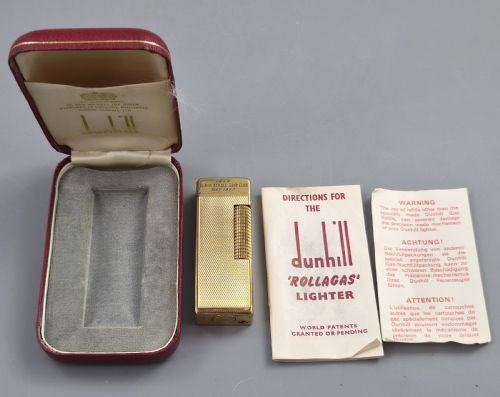
The survival of original fitted presentation boxes and undamaged enamel panels elevates the standing of an item considerably.
Giles Loyer·David McDonald·Alexander James Strachan·Jean-Baptiste Isabey·Charles Rawlings·Taye Kenning and Spencer Ltd·Negretti and Zambra
The Yellow Gold Box Glossary
- Vinaigrette
- A small ornamental box featuring a pierced internal grille, designed to hold a sponge soaked in aromatic vinegar. These pieces date predominantly to the Georgian and Victorian eras.
- Guilloché
- A decorative technique where a mechanical lathe engraves an intricate geometric pattern onto a metal surface. Translucent enamel is frequently layered over this engraving.
- Vari-coloured gold
- The practice of using different gold alloys, such as yellow, red, and white gold, within a single object to create contrasting botanical or pictorial motifs.
- Assay mark
- A stamp or series of stamps applied by an official office to indicate the purity of the precious metal. These marks often reveal the date and location of manufacture.
- Snuff box
- A small pocket container specifically made to hold dry tobacco powder for inhalation. They feature tightly sealed lids to preserve the contents.
Yellow Gold Box: Frequently Asked Questions
What were gold boxes used for originally?
Historically, these receptacles held substances like snuff or tobacco, or served as secure holders for personal items such as calling cards, stamps, and medicine.
Over time, many served as presentation pieces gifted to diplomats or royals, marking significant achievements and political alliances.
How do I care for an antique gold box?
Keep the piece away from abrasive cleaning agents and store it in a lined compartment to protect delicate surfaces like enamel or engraved lids.
If the box has a hinged lid or an internal grille, handle the mechanism with care to avoid stressing the original pin joints.
How can I tell the period of a gold box?
Examine the assay marks and hallmarks stamped on the interior or rim, which point to specific assay offices and reigning monarchs.
Stylistic cues, such as neoclassical motifs in Georgian pieces or geometric patterns in later examples, also clarify the era of production.