

Antique Gold Box
An antique gold box holds small treasures securely, uniting precious metal with centuries of meticulous craftsmanship.
Antique Gold Box
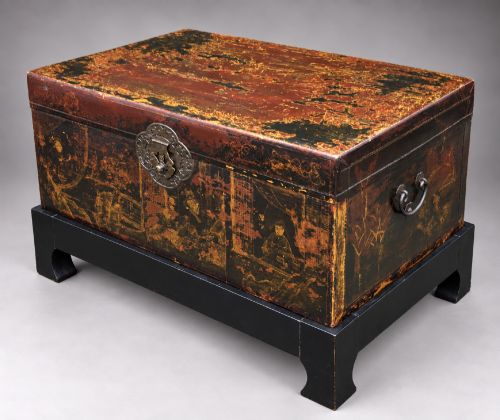
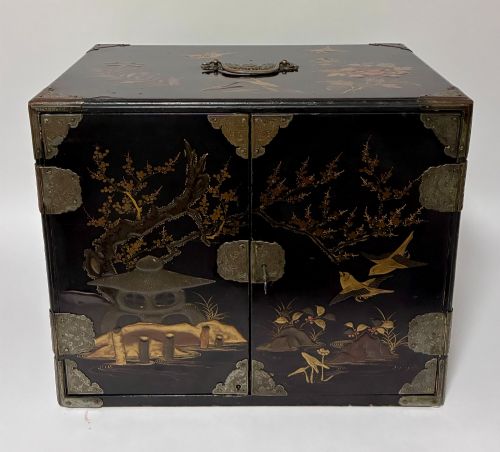
An antique gold box encompasses small personal containers, including snuff boxes, pill boxes, tobacco boxes and pocket cases made across the Georgian, Victorian, Edwardian and later periods. These pieces serve practical and decorative functions, frequently utilising high-carat yellow, white or solid gold mounts alongside fitted presentation housings.
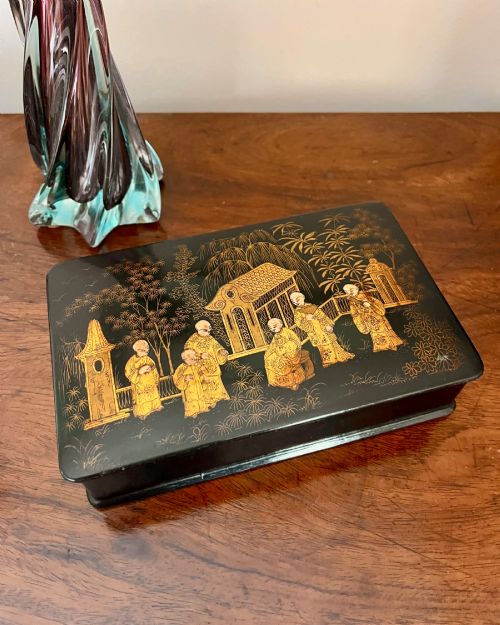
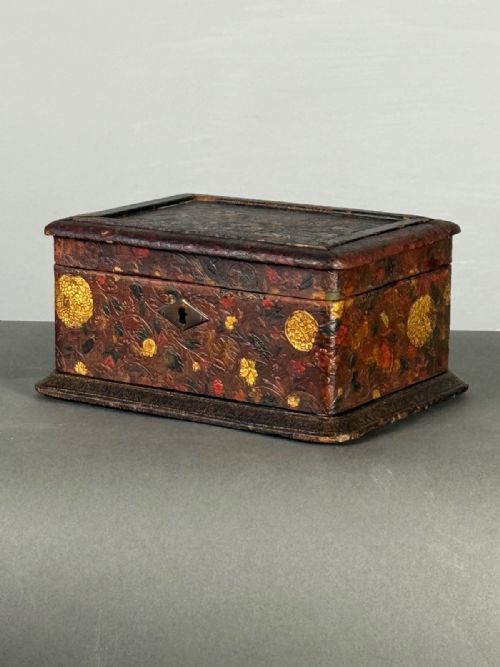
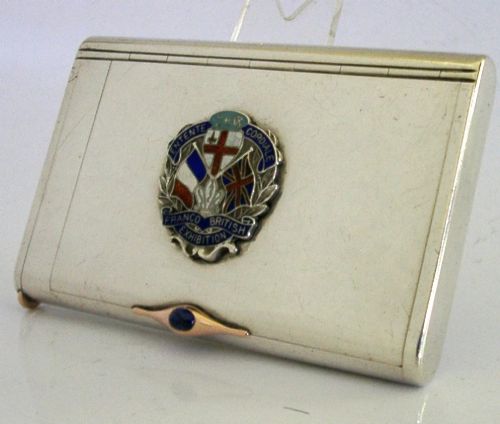
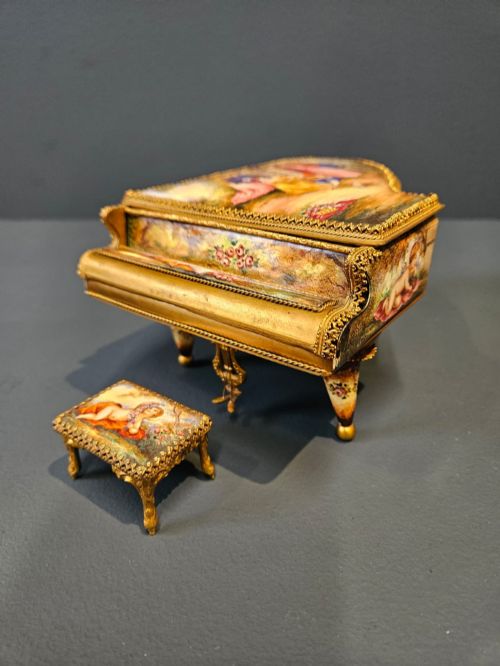
Makers often integrated gold leaf, enamel, lacquer or gemstones into the construction of these items, creating compact vessels for daily use or display. The category includes French, British and Italian pieces produced by regional workshops and notable Parisian or London silversmiths.
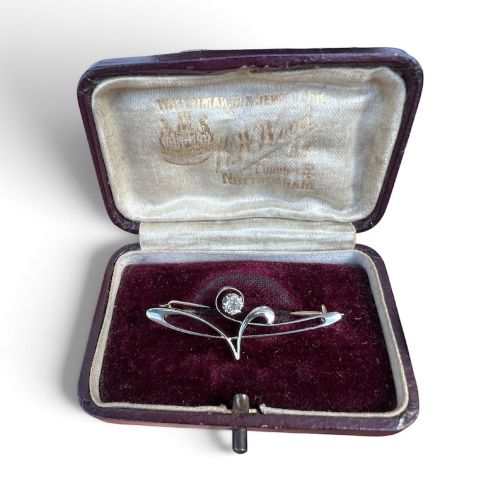
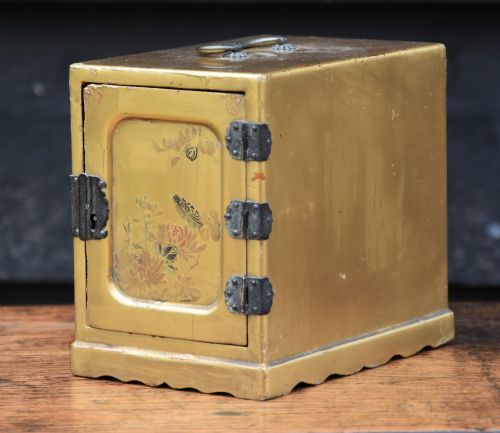
Buyers encounter variations ranging from simple gold-mounted lacquer boxes to solid multi-coloured 18ct gold snuff boxes adorned with portraits. Many examples survive alongside their original presentation or retailer boxes, preserving the complete historical context of the object.
How They Were Made
Craftsmen built these containers using solid gold, gold leaf and gilded metals combined with wood, lacquer, leather, glass and enamel. Artisans applied chasing, repoussé and engraving techniques directly onto the metal surfaces to create intricate geometric, floral or figural relief details.
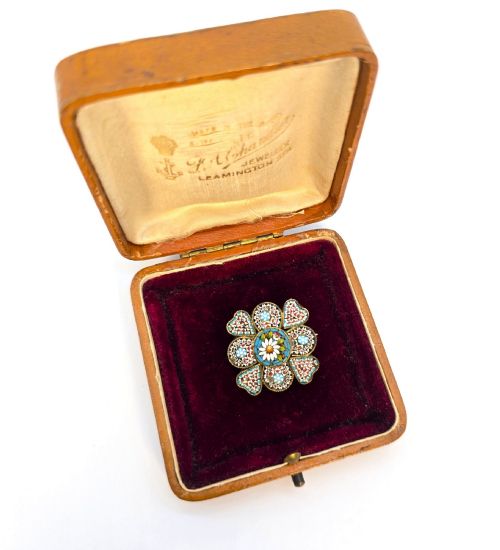
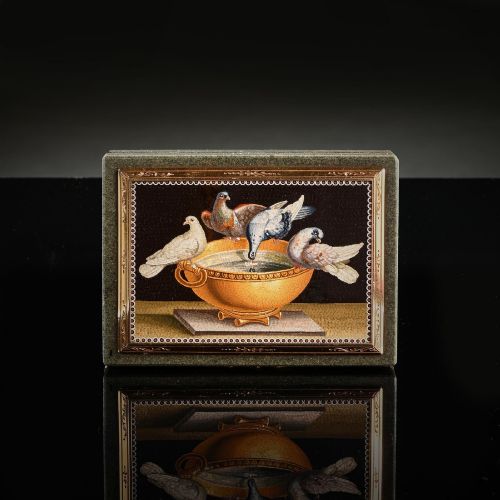
Specialised workshops also combined gold mounts with organic materials such as tortoise-shell, agate, malachite, jasper and mother-of-pearl. Miniature paintings, micromosaics and pietra dura plaques were frequently set into the lids of these boxes using precise bezel and collet settings.
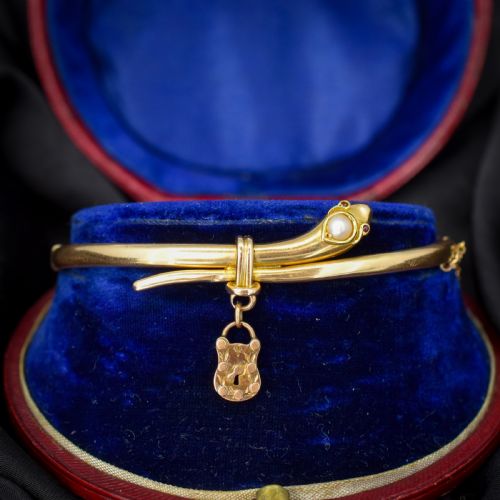
Several boxes survived centuries simply because they were safely tucked inside their original leather presentation cases away from sticky fingers.
What Varies in Quality
Quality depends on the purity and weight of the metal, alongside the precision of hallmarks, hinges and closures. Superior examples feature crisp, deep chasing and well-aligned lids that shut with an exact click, whereas lesser items display worn detailing and loose fittings.
The artistic merit of surface decoration distinguishes finer pieces, particularly where hand-painted enamels, miniature portraits or inlaid micromosaics remain entirely intact. Master makers invested greater labour in internal lining, secure bezel settings and balanced proportions across the entire body of the box.
Susse Freres Paris·Gioacchino Barberi·Vishnyakov Workshop·Louis Francois Tronquoy·Jean Fremin Paris
The Antique Gold Box Glossary
- Snuff Box
- A small container designed to hold dry powdered tobacco for inhalation. These pieces typically feature hinged lids and secure inner seals to keep the contents dry.
- Pietra Dura
- An artistic technique using cut and fitted polished coloured stones to create pictorial designs. Craftsmen embedded these stone mosaics directly into the lids of fine caskets.
- Micromosaic
- An intricate decorative method formed from tiny glass tesserae assembled into detailed miniature images. Italian workshops applied these fragile panels onto gold-mounted snuff boxes.
- Repoussé
- A metalworking technique where an artisan hammers the reverse of a sheet to form a raised design in relief. This method provided textured surface decoration on many period metal boxes.
- Ormolu
- Gilt bronze produced by applying a high-carat gold and mercury amalgam to a base metal. French makers utilised this finish for decorative mounts and framing on furniture and boxes.
- Hallmark
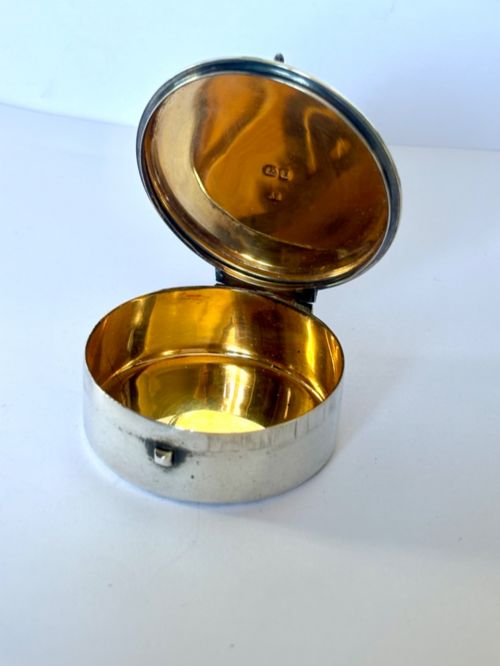
- An official stamp applied to precious metals indicating purity, origin and maker. These marks allow collectors to date gold and silver items accurately.
Antique Gold Box: Frequently Asked Questions
What were antique gold boxes used for?
These vessels originally held luxury commodities such as tobacco, snuff, pills, or personal keepsakes. Wealthy owners carried them daily as status symbols or kept them on dressing tables for small valuables.
Over time, many functioned purely as cabinet pieces or presentation gifts, housed within specialised velvet-lined boxes supplied by high-end retailers.
How do I identify solid gold from gilt metal?
Examine the piece closely for official hallmarks stamped into the metal, which indicate the exact gold karat weight and origin. Acid testing or professional assay verification is often used when marks are rubbed or absent.
Inspect high-wear edges where base metals might show through a worn surface layer, as genuine solid gold maintains consistent colour throughout its structure.
Can I use an antique gold box daily?
Delicate antique gold boxes require careful handling due to fragile hinges, delicate gemstone settings, and historical surface wear. While sturdy examples handle gentle use, fragile enamel or micromosaic panels demand cautious display.
Storing pieces in appropriate climate-controlled environments prevents moisture damage to organic internal linings and fragile wooden or leather bodies.
Why do some boxes have original outer cases?
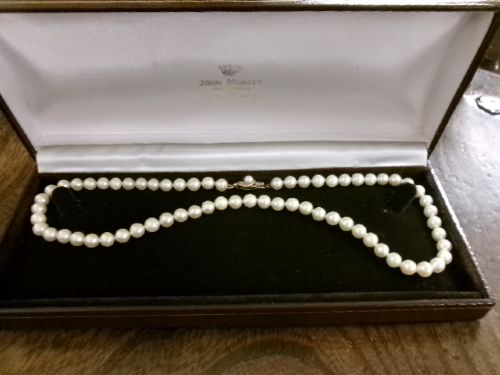
Original retailer or presentation cases protected luxury items during transport and storage from the point of purchase onwards. Surviving inner velvet or silk linings preserved the finish of the gold box against dust and handling.
These fitted boxes confirm the original pairing of the object with its retailer and add significant historical context for collectors.