



Yellow Flowers in Vase
Yellow flowers in vase describe a diverse assembly of painted floral still lifes and decorative ceramic or glass vessels spanning from the Victorian era to the mid-century.
Yellow Flowers in Vase
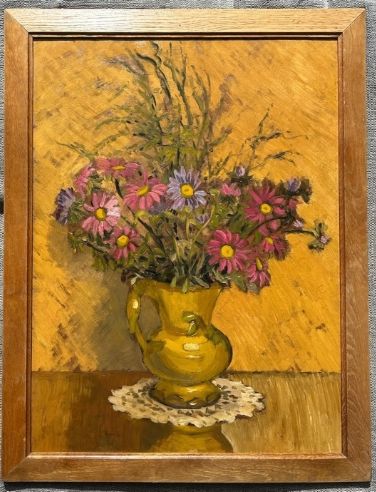
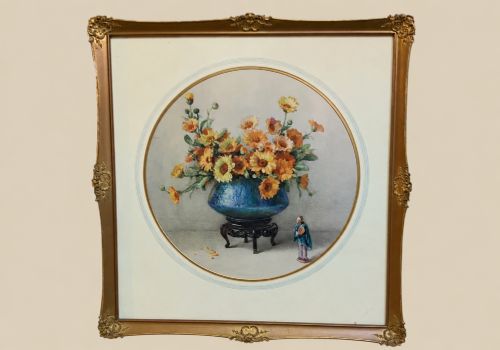
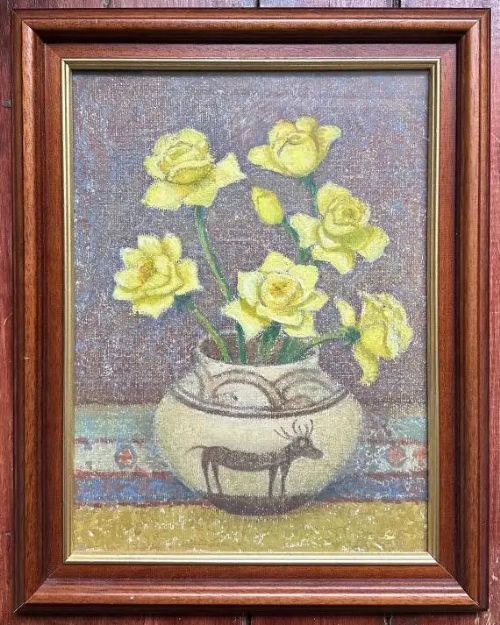
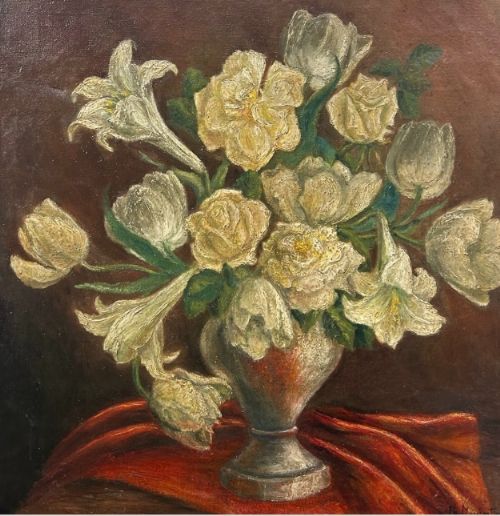
When searching for yellow flowers in vase, buyers encounter a distinct mix of framed paintings and decorative vessels. The painted works range from Victorian watercolours to mid-century oil paintings on canvas and board depicting floral subjects.
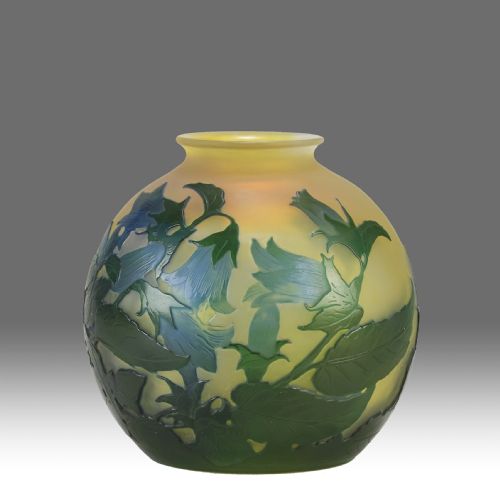
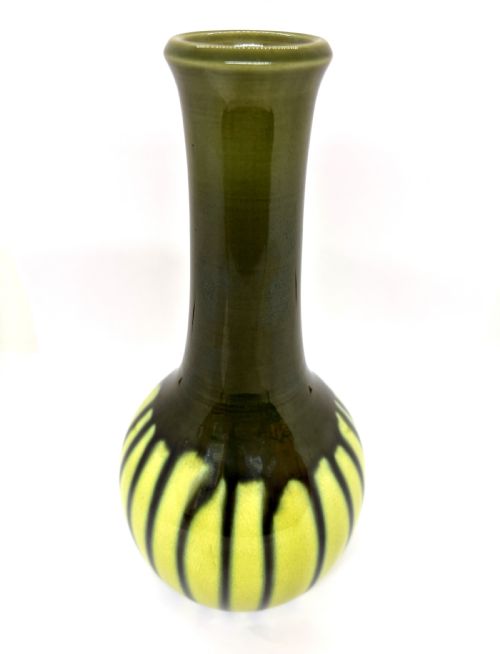
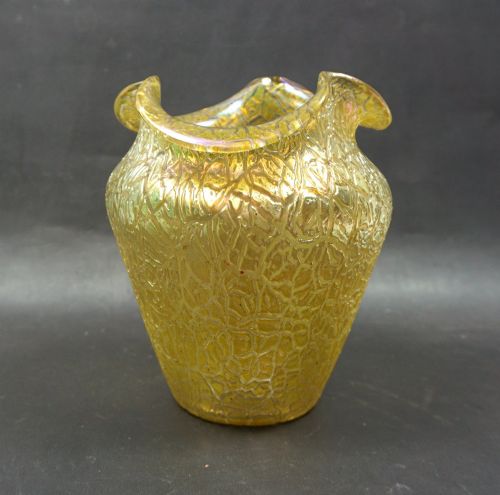
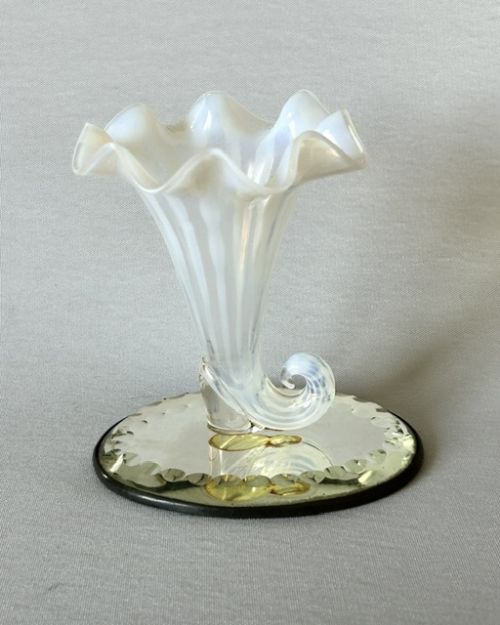
Ceramic and glass vessels form the remaining portion of the selection. These pieces originate from various periods including Art Nouveau, Art Deco, and the Victorian era, manifesting in forms such as cameo glass, art pottery, and handpainted earthenware.
Materials and Techniques
The painted works utilise traditional mediums such as oil paint and watercolour applied to canvas, board, or paper supports. These are frequently housed in framed presentations typical of their respective periods.
Glass and ceramic items employ specialist manufacturing methods including cameo carving, enamel etching, and handpainted decoration on grounds like vaseline glass, uranium glass, and ironstone.
A surprising double-sided flower vase doubles as an 18K yellow gold pendant carved with sapphires, rubies, and emeralds.
Distinctions in Quality
Quality in the painted works rests upon the dexterity of brushwork and the nuance of composition within the still life study. Masterful handling of light and pigment elevates a canvas above standard decorative output.
For ceramic and glass vessels, excellence is determined by the crispness of execution in cameo layers, the precision of enamel etching, and the reputation of the producing pottery or glasshouse.
Emile Gallé·Karl Palda·Daum Frères·Royal Worcester·Thomas Webb·Royal Doulton
The Yellow Flowers in Vase Glossary
- Cameo Glass
- Glass vessels created by fusing layers of different colours and carving away the surface to leave a raised design. This technique is prominent in Art Nouveau pieces.
- Still Life
- A work of art depicting mostly inanimate subject matter, typically commonplace objects which may be either natural or artificial. Floral studies are a common manifestation of this genre.
- Vaseline Glass
- A type of glass coloured with small amounts of uranium dioxide, producing a distinctive yellow-green hue. It glows under ultraviolet light.
- Art Nouveau
- An international style of art, architecture, and applied art most popular during the late 19th and early 20th centuries. It is characterised by organic forms and intricate glasswork.
Yellow Flowers in Vase: Frequently Asked Questions
What periods do these pieces span?
The available items and archive records span from the late Victorian period through the Edwardian era, Art Nouveau, Art Deco, and into the mid-century modern decades.
This broad chronological range encompasses late nineteenth-century watercolours alongside mid-century oil paintings and twentieth-century European glass production.
How are the painted works supported?
The paintings utilise various traditional supports depending on the artist and period. Canvases and wooden boards serve the oil paintings.
Watercolour works typically employ paper supports, and many examples are presented in period frames suitable for wall display.
What materials make up the glass vessels?
The glass objects incorporate specialised techniques and compositions such as cameo glass, vaseline glass, uranium glass, and enamel etching.
These methods reflect the decorative tastes of specific design movements including Art Nouveau and Art Deco.
Who created these ceramics and glass pieces?
Numerous notable makers, potteries, and glasshouses contributed to the selection. Prominent names include Emile Gallé, Karl Palda, Daum Frères, and Royal Doulton.
Other works originate from workshops like Burmantofts Pottery and Thomas Webb.