


Yellow Brass Taper Stands
Yellow brass taper stands bring warmth and practicality to any table, offering sturdy illumination rooted in centuries of metalwork tradition.
Yellow Brass Taper Stands
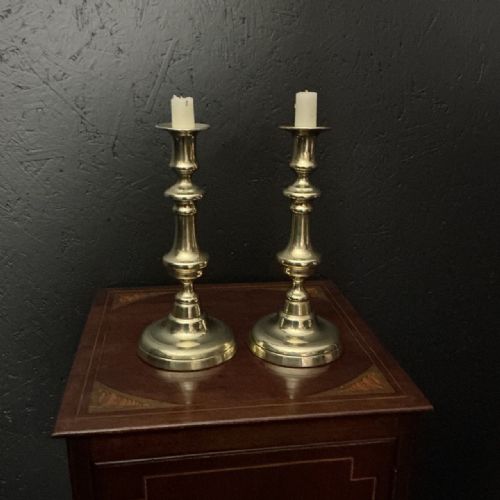
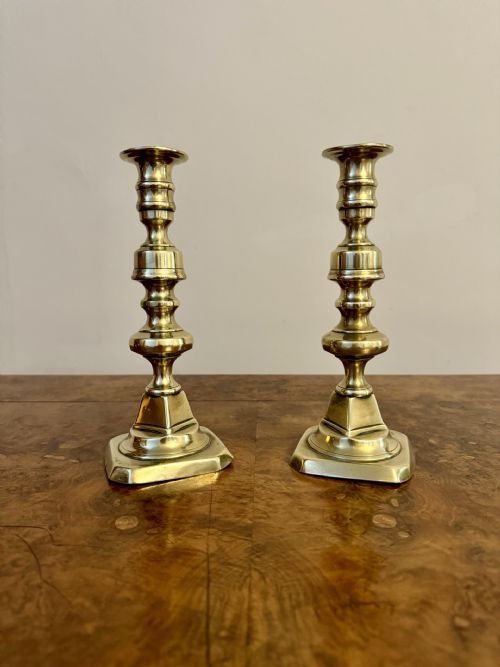
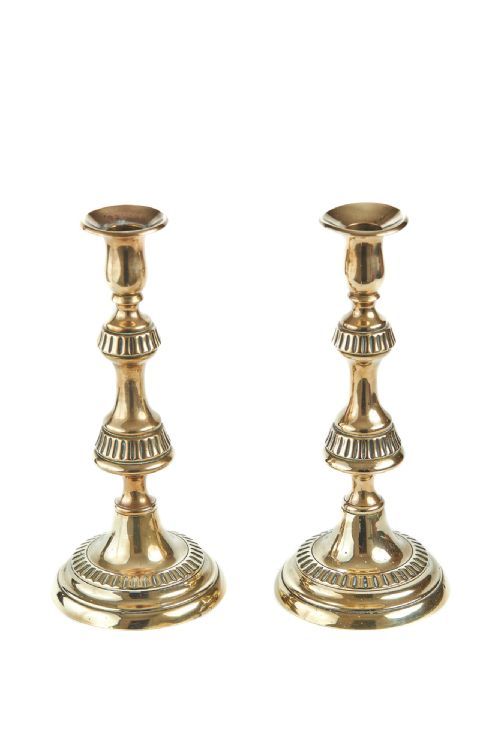
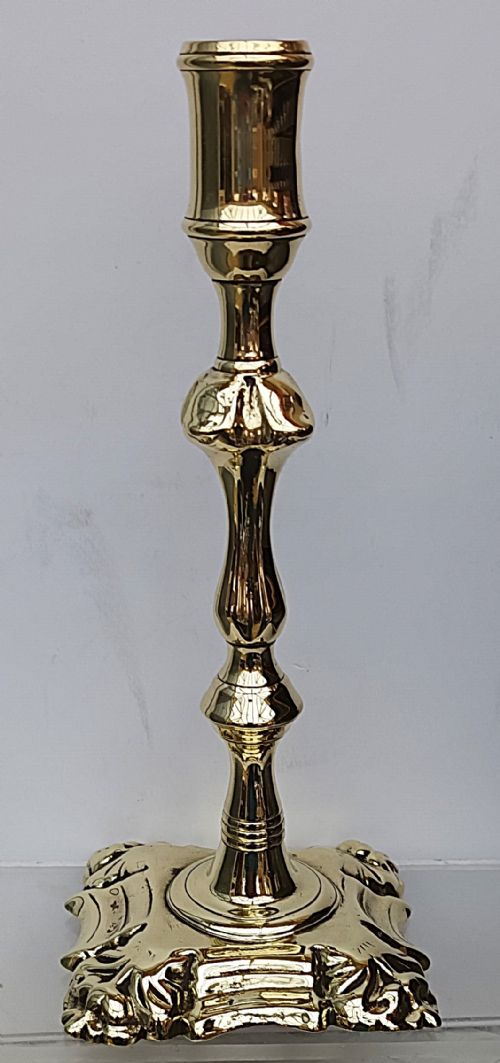
Yellow brass taper stands appear across multiple historic eras, ranging from eighteenth-century Georgian designs to ornate Victorian examples. These pieces serve primarily to hold small candles securely, functioning both as utilitarian lighting and decorative table objects.
Design characteristics vary from simple petal bases to vase-shaped columns and ejector mechanisms. Examples span Georgian, Empire, Baroque, and Victorian styles, reflecting changing aesthetic preferences across generations of metalworkers.
Materials and construction methods
Construction relies upon brass and cast brass, utilising traditional foundry techniques to shape the metal into columns and bases. Molten alloy is poured into moulds, then finished by hand to achieve the desired profiles and fitted components.
Listings feature items exclusively in brass and cast brass, spanning the eighteenth century, the Victorian era, and the early twentieth century.
Distinctions in execution and finish
Quality rests upon the crispness of the casting and the precision of the assembly, distinguishing standard production from finer workshop output. Heavier gauge metal and clean junction lines separate better examples from simpler utilitarian pieces.
The presence of maker attribution, such as work by Frederick J Smith and Co, adds specific historical context to an item. Refined surface finishing and well-proportioned decorative details indicate higher standard workmanship across both Georgian and Victorian pieces.
Frederick J Smith and Co
The Yellow Brass Taper Stands Glossary
- Ejector
- A built-in internal mechanism found in certain candlesticks that uses a sliding stem to push out the remaining candle stub. This device made clearing burnt wax easier.
- Petal base
- A foot design shaped like overlapping flower petals, commonly seen on eighteenth-century candlesticks. This stylistic choice provides both a stable footing and decorative flair.
- Bell brass
- A specific alloy containing a higher proportion of copper and tin, traditionally used for bells as well as durable vessels and candle holders. It yields a distinct resonant quality.
- Vase-shaped column
- A central shaft turned or cast in the profile of a classical vase. This form is frequently utilised to give visual weight to the middle of the stick.
Yellow Brass Taper Stands: Frequently Asked Questions
What is a taper stand?
A taper stand is a small candlestick designed specifically to hold thin wax tapers rather than heavy household candles. They were traditionally used on desks or dressing tables for sealing letters or providing close-range illumination.
Over time, makers adapted these pieces into various styles reflecting Georgian and Victorian tastes. Their compact size makes them practical for placement on sideboards and smaller surfaces today.
How do I date an old candlestick?
Dating relies upon examining the manufacturing technique, base design, and column profile against known stylistic periods. Eighteenth-century examples often feature petal bases or ejector mechanisms, while Victorian pieces lean toward ornate casting.
Makers' marks or workshop stamps, when present, offer more precise chronological placement. Comparing the weight and construction methods also helps distinguish Georgian production from later nineteenth-century work.
Are these items made of solid brass?
The listings consist of brass and cast brass items produced through traditional foundry methods. Solid cast construction ensures appropriate weight and durability for holding candles securely.
Over the centuries, the metal develops a natural patina through handling and exposure to air. This ageing process highlights the underlying quality of the brass alloy without requiring modern plating.
How should I clean my brass stand?
Maintenance typically requires only a gentle dusting with a soft cloth to preserve the historic surface character. Harsh chemical polishes can strip away the aged patina that collectors value.
If cleaning is necessary, mild soap and warm water applied sparingly will remove accumulated dirt. Dry the metal thoroughly afterwards to prevent spotting.