



Yellow Art Deco Ceramics
Yellow art deco ceramics bring vivid twentieth-century colour to interiors through glazed earthenware, bone china, and porcelain made during the interwar decades.
Yellow Art Deco Ceramics
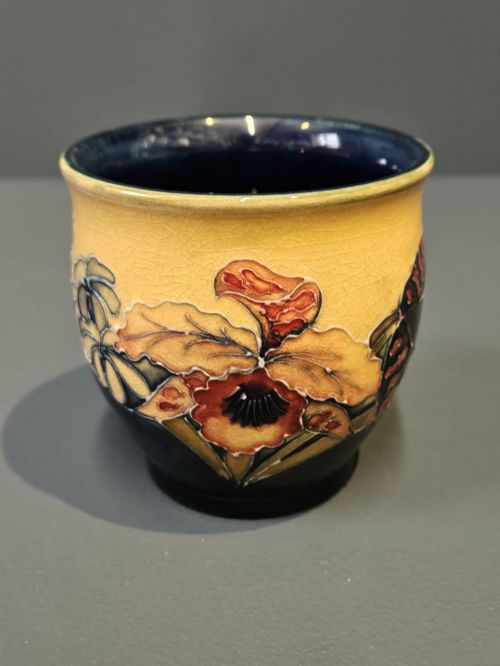
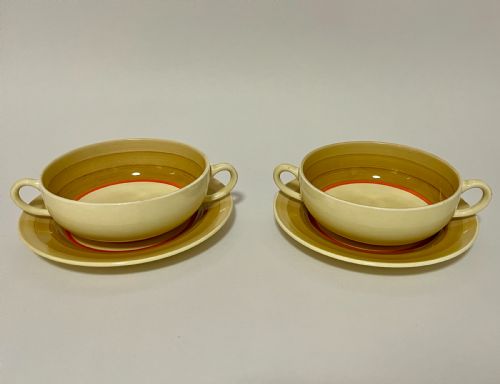
Yellow art deco ceramics comprise an array of functional vessels and decorative objects originating primarily from the nineteen-twenties and nineteen-thirties. Buyers searching for yellow art deco ceramics will encounter items ranging from cabinet vases and tea sets to vanity powder bowls.
The objects on this page reflect the distinctive geometric and stylised floral motifs of the period. Forms include cylindrical vases, multi-piece coffee sets, and lidded trinket boxes produced in Britain, France, and central Europe.
How they were made
Potters shaped these pieces from earthenware, bone china, and porcelain, applying foundational glazes before adding surface decoration. Artisans often utilised enamel glazes to achieve the bright yellow grounds characteristic of the era.
Many items display hand-painted patterns applied over the glaze, requiring skilled brushwork by studio decorators and factory painters alike. Enamel colours were fired at lower temperatures to preserve their vibrancy against the base ceramic body.
Yellow Art Deco Ceramics Retail Price Guide 2026
Typical asking prices for yellow art deco ceramics among the pieces listed under this phrase on Sellingantiques today, from the lower quarter to the upper quarter. They describe what is for sale here now, not the wider market.
The material selection spans earthenware, bone china, and porcelain, finished with enamel glazes across nineteen-twenties and nineteen-thirties production.
What varies in quality
The standard of these ceramics is distinguished by the crispness of the moulded form and the precision of the hand-painted or enamelled surface decoration. Pieces bearing attribution to notable designers or established factories generally display superior execution in both glaze coverage and pattern alignment.
Subtleties in the depth of the yellow glaze and the complexity of the design separate standard production ware from more ambitious studio and factory output. Condition remains paramount, with intact enamel work and well-preserved gilding elevating the standing of any individual vessel.
Clarice Cliff·Shelley·Royal Doulton·Keith Murray·William Goebel
The Yellow Art Deco Ceramics Glossary
- Earthenware
- A porous pottery body fired at lower temperatures, requiring a vitreous glaze to ensure it holds liquids.
- Enamel glaze
- A glass-like opaque colouring applied over fired ceramic surfaces to create vivid, glossy surface hues.
- Bonbonniere
- A small ornamental container originally designed for holding sweets, frequently utilised in this era as a decorative powder box.
- Bone china
- A hard, white ceramic paste incorporating bone ash, known for its high strength and translucent quality.
- Bizarre
- A distinctive range of brightly coloured, hand-painted geometric earthenware produced during the interwar period.
Yellow Art Deco Ceramics: Frequently Asked Questions
How do I date yellow art deco ceramics?
Most pieces originate from the nineteen-twenties and nineteen-thirties, aligning with the height of the modernist design movement. Factory marks and pattern names often help narrow the production window.
Stylistic cues such as angular handles, geometric motifs, and bright enamel palettes further confirm the interwar origins of individual vessels.
Are these ceramics safe for daily use?
While many items like tea sets and sandwich plates were made for practical dining, older glazes can be delicate. Hand washing in warm water preserves the hand-painted enamels.
Displaying decorative powder boxes and vases away from direct heat sources helps protect the original surface finishes.
What caused the bright yellow colour?
Potters achieved vibrant yellow grounds using specialised enamel glazes applied over the fired ceramic body. These formulations reacted to kiln temperatures to produce deep, uniform shades.
Some factories utilised specialised underglaze painting before applying a clear protective coat to seal the pigments.
Where were these pieces manufactured?
Production centres spanned major European ceramic hubs, including Staffordshire potteries in England and renowned porcelain workshops in Limoges, France. German and central European makers also contributed distinct sculptural forms.
Each region brought specific material preferences, such as British earthenware or French porcelain, to the market.