

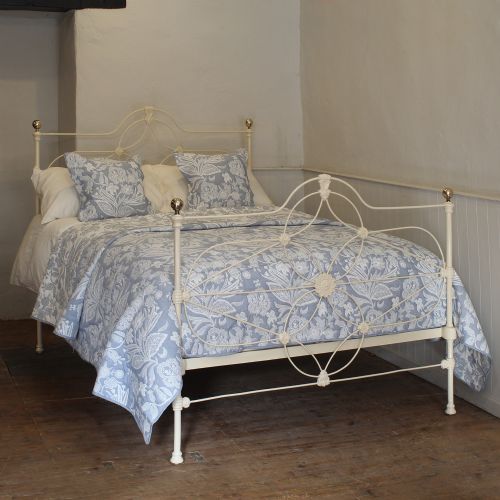
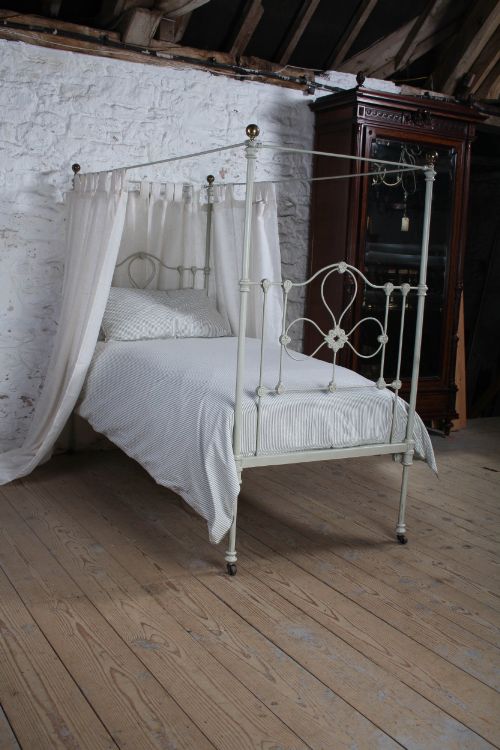
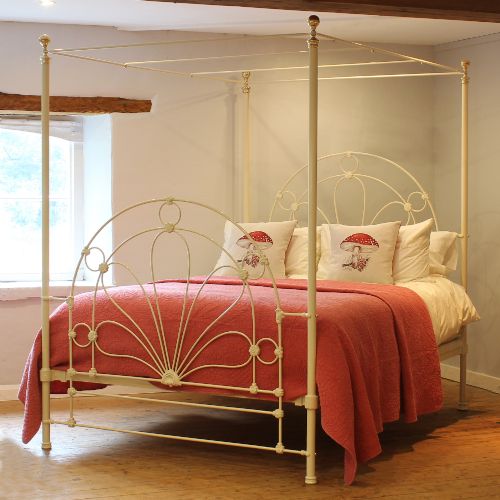
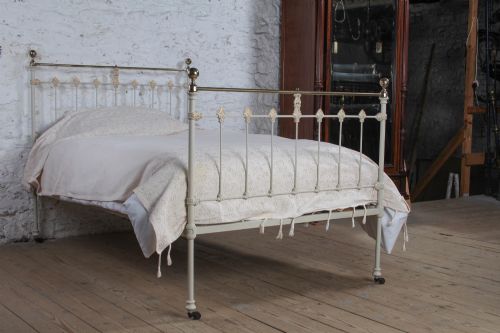
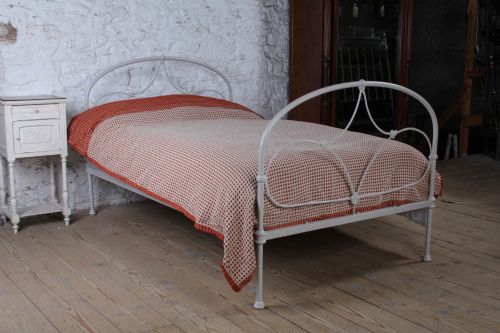
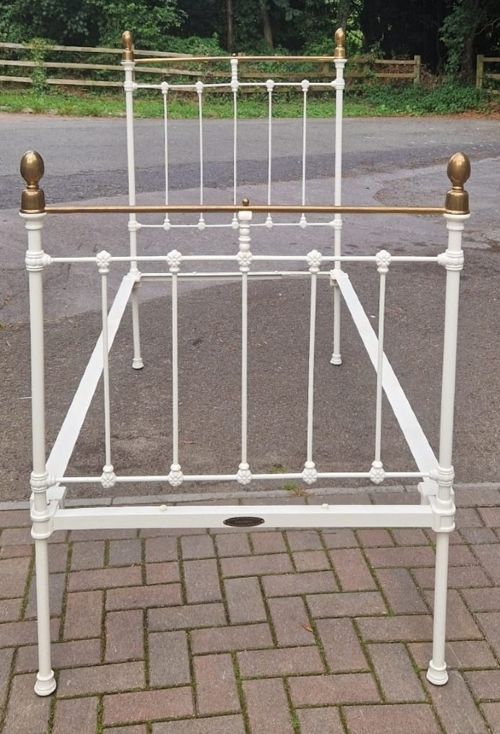


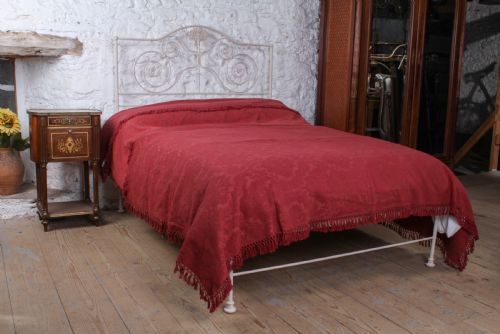


Wrought Iron Bedstead Cream
These wrought iron bedstead cream examples combine sturdy metal construction with pale painted surfaces, offering lasting charm and practical utility for traditional bedrooms.
Wrought Iron Bedstead Cream
A wrought iron bedstead cream option brings together robust metalwork and lighter painted finishes that suit diverse interior schemes. These frames appear across several historic periods, including the Victorian era and the years around 1880, 1890, and 1900.
Buyers encounter various formats on this page, ranging from single and double sizes to king, super king, and four poster configurations. Certain pieces incorporate brass elements alongside the iron, while others feature specific regional designs such as Irish, Celtic, or American styles.
Many examples function as standalone bedframes or single beds that can be joined together to form larger sleeping arrangements. Forms include half tester designs, platform beds, and no end variants that provide an open feel in smaller rooms.
Materials and construction methods
Construction relies on durable metals such as cast iron, wrought iron, and forged iron, frequently paired with polished brass components. Artisans shaped these heavy materials into structural frames and decorative motifs including sunburst patterns.
Surfaces receive protective and decorative treatments using paint and painted metal finishes. These cream coatings define the visual character of the pieces while preserving the underlying iron and steel structures.
Wrought Iron Bedstead Cream Retail Price Guide 2026
Typical asking prices for wrought iron bedstead cream among the pieces listed under this phrase on Sellingantiques today, from the lower quarter to the upper quarter. They describe what is for sale here now, not the wider market.
Listings feature items dated across the Victorian period, 1880, 1890, and 1900, constructed from iron, brass, and painted metal.
Assessing quality in period metal beds
Quality separates through the intricacy of the metalworking, from simple utilitarian frames to elaborate four poster and half tester structures with refined brass detailing. The precision of the joinery and the integrity of the original joints dictate how well a frame withstands daily use.
The condition and application of the cream painted finish also differentiate pieces, with smoothly finished surfaces retaining more visual appeal. Finer examples display balanced proportions and cohesive stylistic details, such as integrated Celtic Revival or Victorian design elements.
The Wrought Iron Bedstead Cream Glossary
- Wrought iron
- A tough, malleable form of iron that blacksmiths heat and hammer into structural shapes. It provides the strong skeletal framework for these historic bedframes.
- Cast iron
- Molten iron poured into moulds to create rigid components with decorative details. This material forms structural parts and ornamental bed ends.
- Four poster
- A bed featuring four vertical columns that support an upper tester or canopy frame. These substantial pieces create a strong focal point in a bedroom.
- Half tester
- A bed configuration where the canopy extends over only the head portion of the bed rather than the entire length. This design offers a commanding visual presence without overwhelming floor space.
- No end
- A bed frame style lacking a high footboard, creating an open appearance. This configuration suits compact rooms where visual weight needs to be minimised.
Wrought Iron Bedstead Cream: Frequently Asked Questions
How do I care for a painted metal bed?
Keep the painted metal surfaces clean by dusting them regularly with a soft, dry cloth to prevent dirt accumulation. Avoid harsh chemical cleaners that might damage the historic cream finish.
Check the structural joints periodically and tighten any visible fixings gently if movement occurs. This maintenance preserves the stability of the iron framework over years of use.
Are these beds compatible with modern mattresses?
Many historic bedframes accommodate standard mattress sizes, though exact dimensions can vary across nineteenth-century manufacturing standards. Measuring the interior space of the side rails ensures a proper fit for modern bases and supports.
Some single frames are designed to join together, which may require specific configurations for bedding. Consulting the precise dimensions listed for each frame helps determine the appropriate mattress type.
What defines a Victorian iron bed?
Victorian iron beds date from the reign of Queen Victoria and often incorporate robust cast and wrought iron construction. They frequently feature decorative brass finials, collars, or scrolling metalwork that reflect the period's industrial capabilities.
These frames range from simple utilitarian single beds to elaborate double and super king sizes. Their enduring appeal lies in their combination of heavy structural metal and decorative Victorian styling.
How do I identify different bed styles?
Style identification relies on examining the decorative motifs and structural configuration of the frame. Elements like sunburst patterns, Celtic Revival ornamentation, or American-style proportions point to specific design traditions.
Regional influences also appear in descriptions, such as Irish or Portuguese variants which exhibit distinct framing details. Comparing the overall silhouette and metal ornamentation helps clarify the particular style.