



Woven Wool Tribal Panel
A woven wool tribal panel brings rich Central Asian and Persian history into a room through dense, nomadic textile artistry.
Woven Wool Tribal Panel
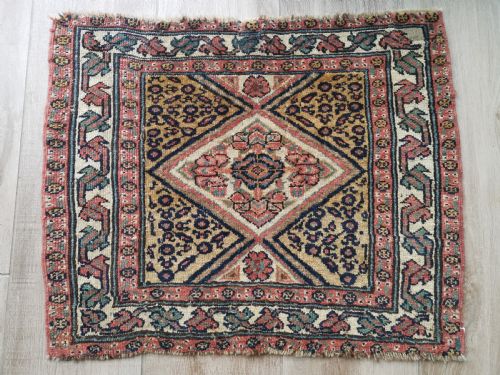
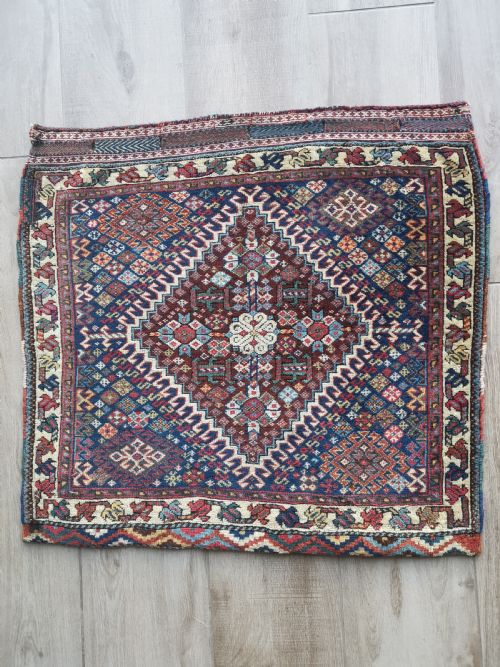
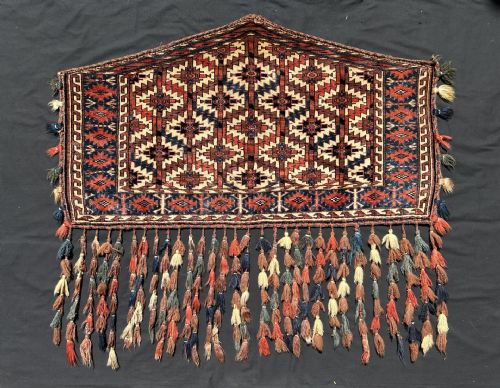
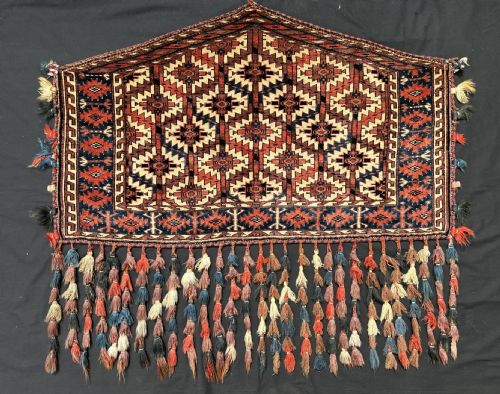
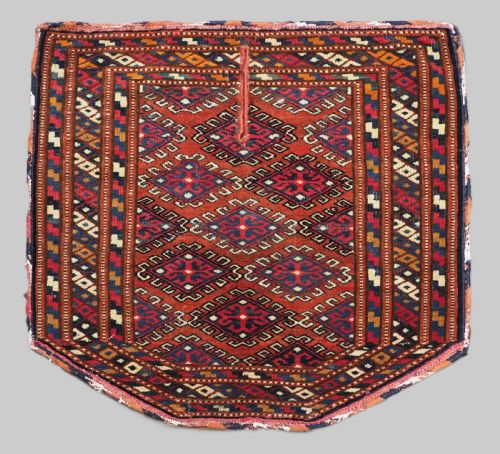
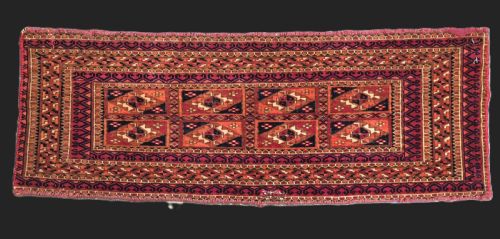
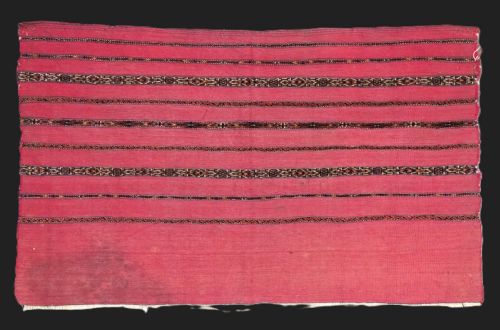
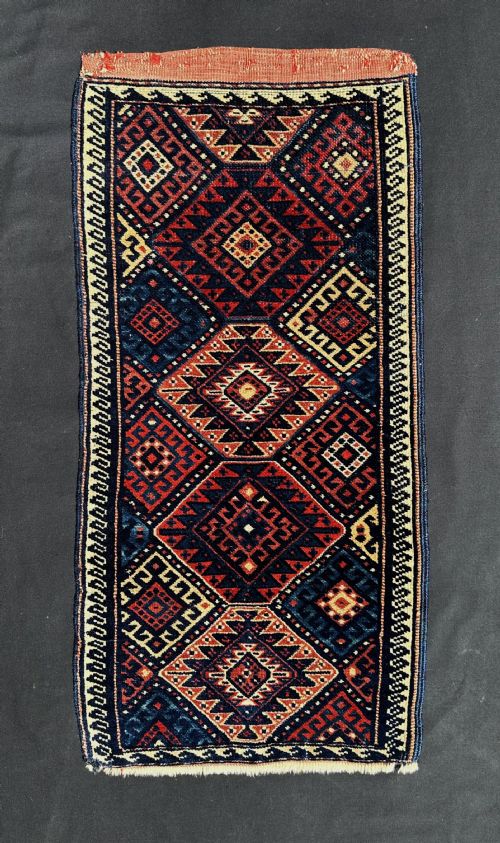
A woven wool tribal panel encompasses nomadic utilitarian objects transformed into decorative textile art, including bag faces, torbas, asmalyks, and kilim strips. When exploring a woven wool tribal panel, buyers encounter nomadic weaving traditions spanning the nineteenth and early twentieth centuries from regions such as Central Asia, the Caucasus, and Persia.
The pieces on this page originate from specific tribal groups including the Yomut, Tekke, Ersari, Qashqai, and Shahsavan. Formats range from functional storage sacks and saddle covers to complete wall hangings and disassembled mafrash panels.
Materials and Construction Techniques
Makers utilised hand-spun wool, cotton foundations, and natural dyes to build durable, richly coloured textiles designed for everyday nomadic use. Goat hair, leather, and wood elements frequently reinforce the heavy wool structures of storage bags and horse trappings.
Weaving methods combine fine pile knots with flatweave techniques, sumac work, and banded structural designs. Panels are often constructed in multiple joined strips to achieve the desired width for domestic storage or transport.
Listings feature pieces spanning from the mid-nineteenth century through the 1920s, constructed predominantly from hand-spun wool and natural dyes.
Evaluating Quality and Execution
Quality rests upon the fineness of the weave, the clarity of tribal guls, and the depth of natural dye palettes. Superior examples display precise drawing and harmonious colour saturation that elevate functional tribal gear into sophisticated textile art.
The integrity of the wool, the retention of original structural edges, and the complexity of regional designs distinguish standard utilitarian items from exceptional surviving collector pieces.
The Woven Wool Tribal Panel Glossary
- Gul
- A primary medallion or repeating floral-octagon motif found across Central Asian and Turkmen tribal rugs. These distinct geometric emblems often identify specific tribes and clans.
- Torba
- A small nomadic storage bag utilised inside a yurt for household possessions. These pieces generally feature elaborate face designs with hooked motifs and repeating guls.
- Asmalyk
- A large pentagonal trapping historically mounted on the flanks of a bride's camel during Turkmen wedding processions. They represent some of the most elaborate textile artistry produced by nomadic weavers.
- Sumac
- A warp-wrapping flatweave technique that produces a dense, durable structure with a ribbed surface texture. This method creates crisp geometric lines without employing standard knotting.
- Chuval
- A large nomadic storage sack used for bedding and household goods within the tent. They typically display multiple rows of major guls across the primary field.
Woven Wool Tribal Panel: Frequently Asked Questions
How were tribal bags used originally?
Nomadic tribes utilised these woven containers inside tents and on pack animals to store household provisions, bedding, clothing, and personal belongings.
Many specific forms, such as torbas, chuvals, and asmalyks, served ceremonial or marital purposes within the camp alongside their everyday storage functions.
How do I identify different tribal designs?
Tribal attribution relies heavily on specific repeating motifs known as guls, distinctive colour palettes, and structural weave techniques characteristic of groups like the Yomut, Tekke, Ersari, and Qashqai.
Examining the border configurations, structural wool quality, and secondary materials such as cotton or goat hair provides further clues to regional origin.
How should I display a textile panel at home?
These panels mount effectively on walls as textile art, where their dense geometric patterns and natural dyes can be appreciated safely away from heavy foot traffic.
Mounting methods should distribute the weight evenly across the entire upper edge of the textile to prevent distortion of the wool and cotton foundation.