



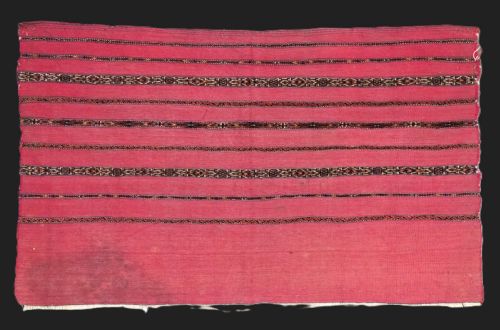

Woven Wall Tapestry
When you search for a woven wall tapestry, you are looking at centuries of textile artistry designed to bring texture and narrative into a room.
Woven Wall Tapestry
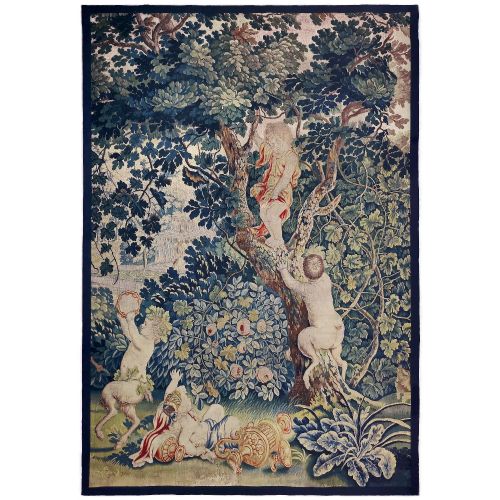
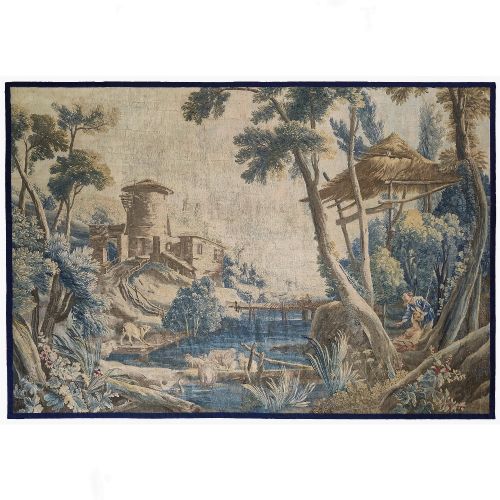
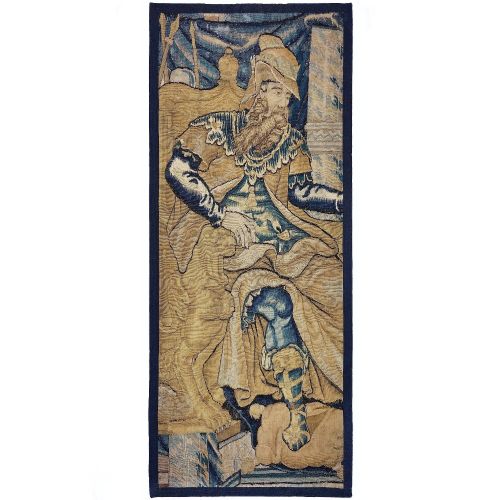
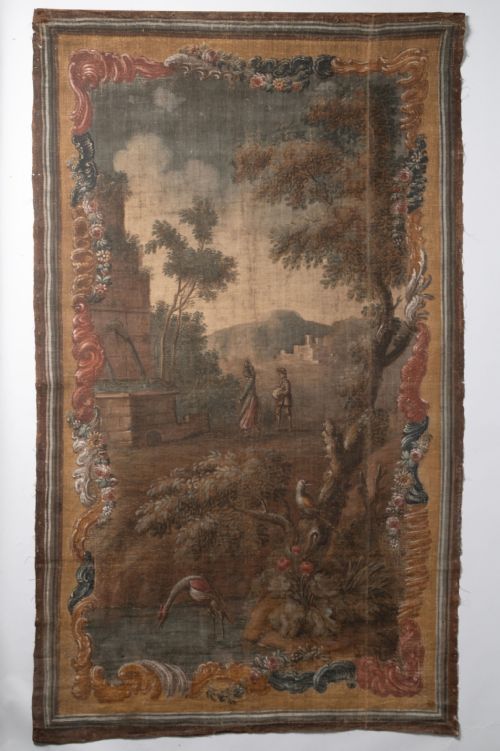
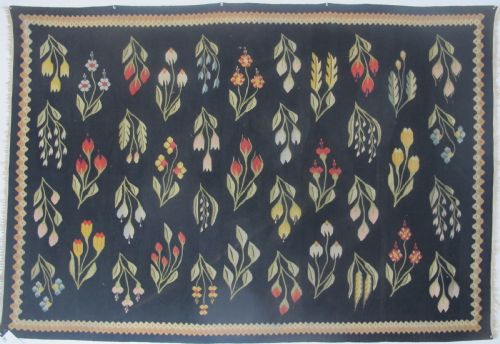
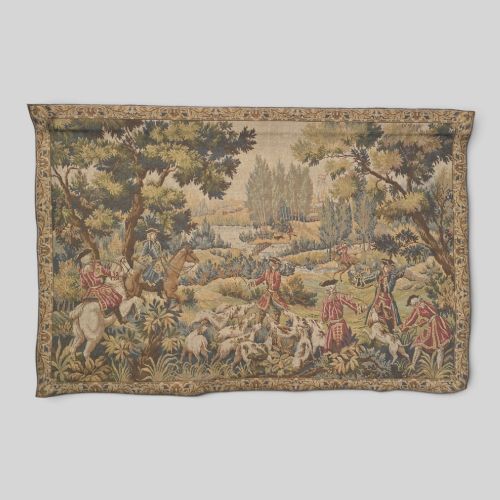
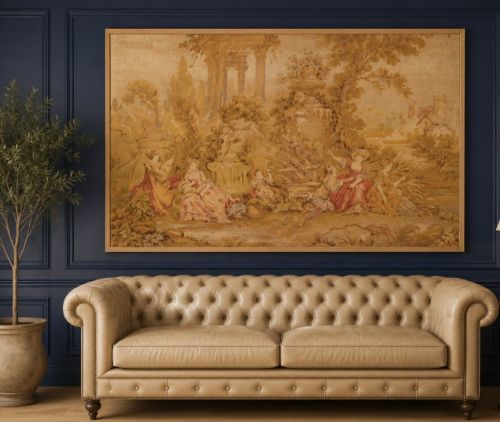
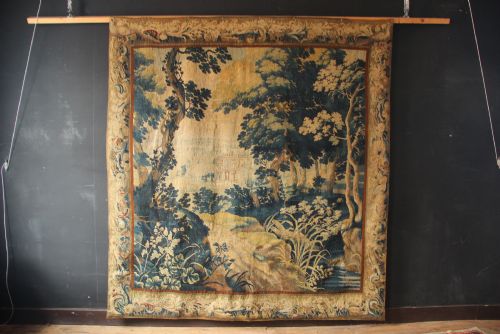
A woven wall tapestry encompasses large narrative panels, verdure scenes depicting lush foliage, and tribal hangings originating from European centres and Central Asian workshops. The selections available span from the seventeenth-century Flemish and French works to nineteenth-century interpretations and twentieth-century pastoral designs.
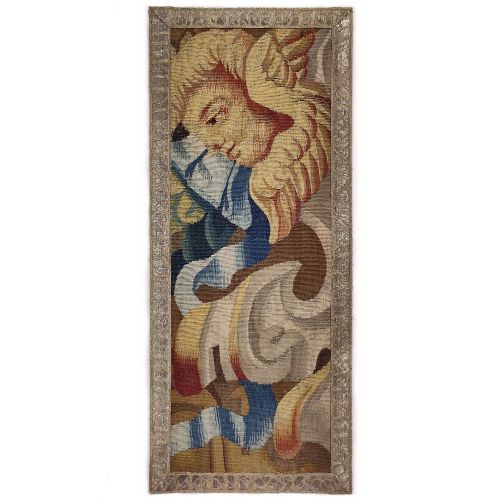
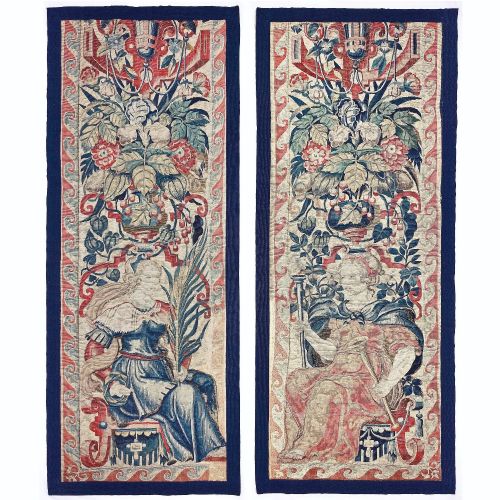
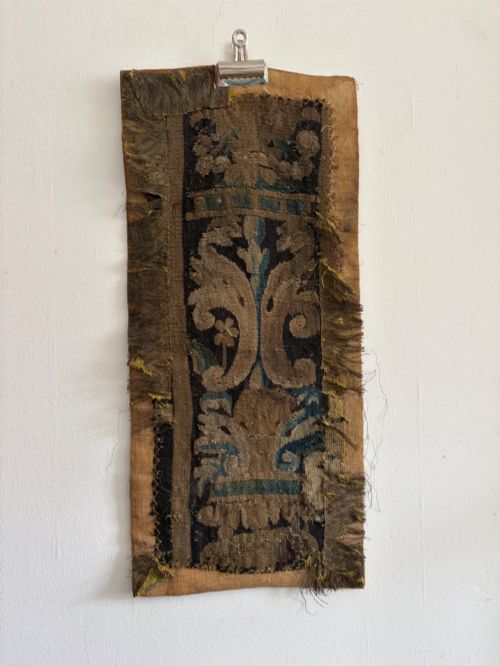
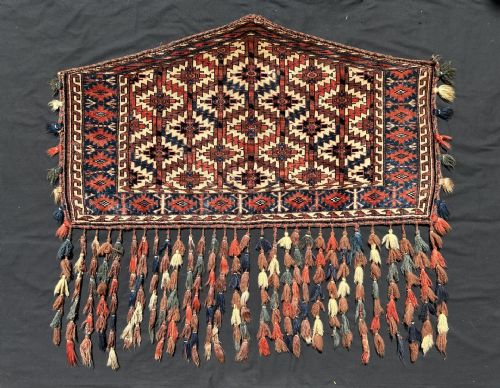
Buyers will encounter full-scale wall panels alongside fragments, needlework panels, and nomadic textiles mounted for display. These objects function primarily as architectural wall coverings, offering both historical depth and tactile warmth to interiors.
How they were made
The construction relies on warp and weft textile techniques, utilising combinations of wool, silk, cotton, and linen. Artisans built the pictorial surfaces by interlocking coloured yarns to create complex figurative or botanical compositions.
Many historical examples incorporate natural dyes derived from plants and minerals, yielding stable, muted tones that age with distinct character. Support structures such as linen backings or wooden frames frequently assist in mounting heavy or fragmented textiles for preservation.
Woven Wall Tapestry Retail Price Guide 2026
Typical asking prices for woven wall tapestry among the pieces listed under this phrase on Sellingantiques today, from the lower quarter to the upper quarter. They describe what is for sale here now, not the wider market.
Materials documented across the inventory include silk, wool, linen, cotton, and natural dyes.
What varies in quality
Quality rests upon the density of the weave, the intricacy of the pictorial detail, and the integrity of the surviving materials. Finer examples display subtle gradations of colour and complex iconography, whereas simpler utility textiles prioritize robust flatweave structures.
The condition of the textile fibres and the presence of original borders or mounting foundations significantly influence the character of each piece. Intact provenance and identifiable regional workshops also distinguish master-level weaving from standard domestic output.
The Woven Wall Tapestry Glossary
- Verdure
- A tapestry style featuring lush landscapes, foliage, trees, and often animals. These scenes dominated European wall hangings during the seventeenth and eighteenth centuries.
- Aubusson
- A style and production origin associated with workshops in the French town of Aubusson. These pieces are celebrated for classical pastoral and floral designs.
- Gul
- An octagonal or medallion-like tribal motif repeated across Central Asian carpets and trappings. Different nomadic groups utilised distinct variations of this design.
- Flatweave
- A textile constructed without pile by interlacing warp and weft threads directly. This technique creates a smooth, tapestry-like surface found in many nomadic bags and covers.
Woven Wall Tapestry: Frequently Asked Questions
How do I hang a heavy tapestry?
Large woven wall pieces require even weight distribution to prevent structural distortion of the textile fibres. Using a lined sleeve stitched to the reverse along with a concealed wooden batten safely transfers the vertical load.
Avoid direct suspension from localized points such as small nails or rings. Professional framing or mounting onto stretched linen provides additional security for delicate antique fragments.
What is a verdure tapestry?
A verdure tapestry is a decorative wall hanging focused primarily on plant life, trees, forests, and occasionally birds or animals. Originating largely from Flemish and French looms, these pastoral scenes brought outdoor woodland environments directly into formal interior spaces.
They often display deep greens, blues, and earthy browns that have mellowed gracefully over centuries. Collectors value them for their immersive landscape qualities and sophisticated botanical detailing.
How do I distinguish French and Flemish pieces?
Flemish workshops from the seventeenth century frequently emphasise densely packed verdure landscapes and dramatic mythological narratives with deep, heavy shadowing. French production, particularly from centres like Aubusson later on, often leans toward lighter pastoral elegance and refined floral borders.
Weaving signatures, border styles, and specific regional motifs help clarify the origin. However, stylistic overlap remains common due to the migration of master weavers across Europe.