





Woven Silk Art
When you search for woven silk art, you enter a diverse textile world of wall hangings, tapestries, and panels that bring historical texture to interior spaces.
Woven Silk Art
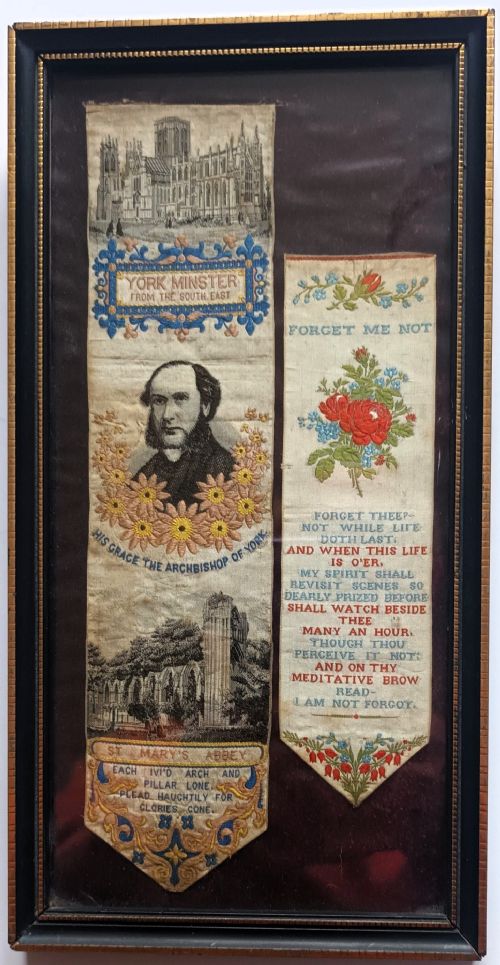
When buyers search for woven silk art, they encounter a range of forms, most notably large wall hangings, tapestries, framed bookmarkers, and textile artwork. The selections span from sixteenth-century Flemish panels to nineteenth-century French and English works, alongside tribal pieces from Central Asia.
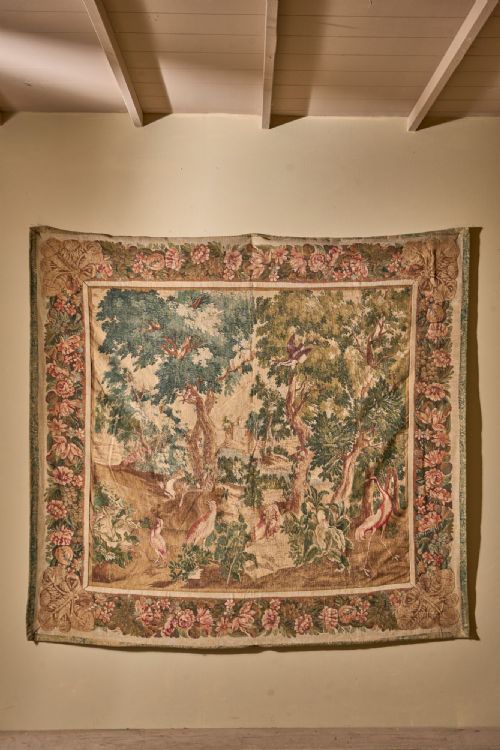
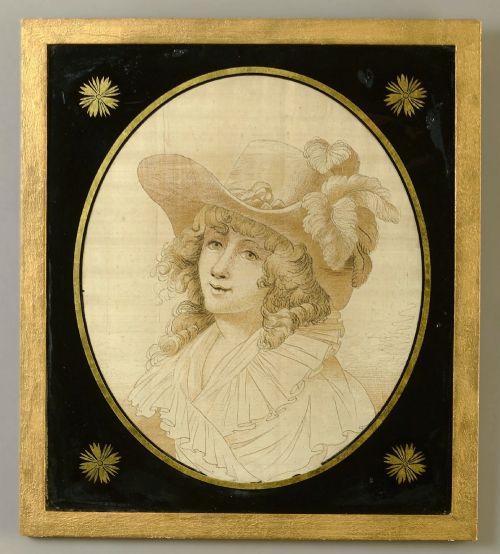
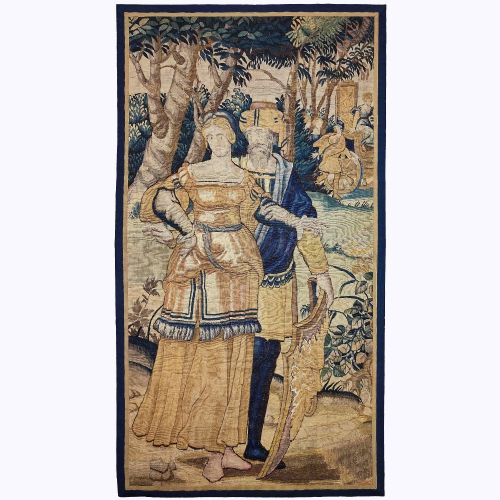
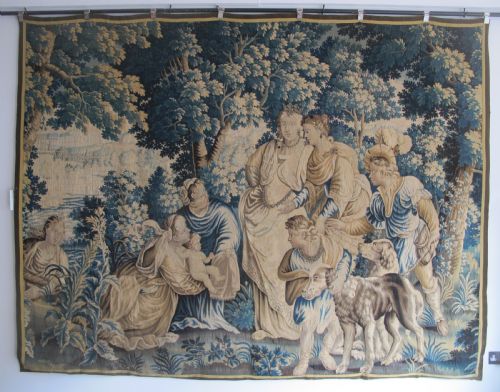
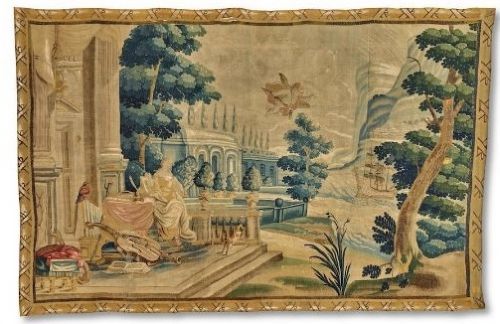
The most common form on this page is the large wall tapestry, often originating from seventeenth-century Flemish looms depicting verdure or mythological scenes. Portraiture and botanical motifs also appear in framed silk panels from later centuries.
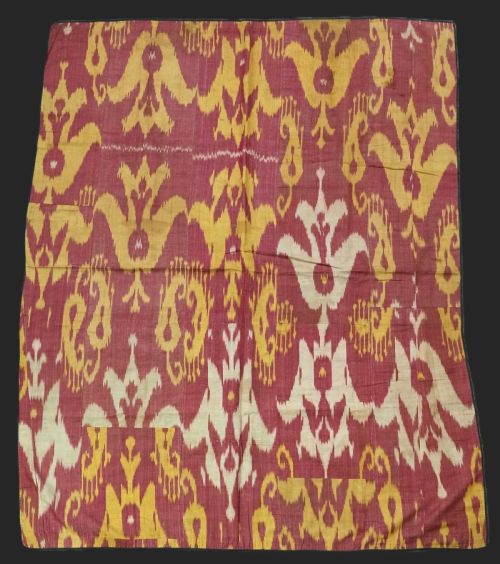
Tribal textiles form another distinct group within woven silk art, including Turkmen torbas, Uzbek ikat panels, and silk jajims. These pieces combine silk highlights with wool, cotton, and thread to create patterned surfaces intended for domestic use or display.
What varies in quality
Quality in woven silk art depends on the complexity of the pictorial design and the integrity of the surviving textile fibres. Finer works display intricate rendering of figures, foliage, and mythological narratives that reflect the skill of the original workshop.
The condition of the textile and its mounting also determine the calibre of a piece, distinguishing intact panels and balanced pairs from heavily fragmented textiles. Material preservation, such as the retention of silk highlights against wool or cotton, elevates the stature of older works.
Geographic origins on this page stretch from Flemish and French workshops to Turkish, Turkmen, and Uzbek tribal weaving traditions.
Stevens of Coventry
The Woven Silk Art Glossary
- Verdure tapestry
- A wall hanging featuring a stylized landscape filled with foliage, trees, and often animals. These scenes dominated Flemish production during the seventeenth and eighteenth centuries.
- Torba
- A small tribal storage bag produced by Turkmen and Uzbek groups, frequently featuring geometric patterns and silk highlights. They were traditionally hung inside nomadic tents.
- Ikat
- A dyeing and weaving technique where yarns are tied and dyed before being woven into patterned fabric. Central Asian panels demonstrate this method using semi-silk adras.
- Jajim
- A tightly woven flatweave textile produced in strips and joined together, often incorporating wool and silk. They served as traditional covers and decorative hangings in domestic settings.
Woven Silk Art: Frequently Asked Questions
What is woven silk art?
Woven silk art encompasses historical tapestries, framed textile panels, and tribal hangings that incorporate silk fibres into their construction.
These works range from large sixteenth-century Flemish wall hangings to nineteenth-century framed bookmarkers and Central Asian textile panels.
How do I hang a tapestry?
Large wall hangings and tapestries typically require a weight-distributing support system, such as a hidden batten or specialised clips attached to the top edge.
Lighter framed pieces and small panels can be hung using standard picture hooks suited to the weight of the wood frame and glass.
Where were Flemish tapestries made?
Flemish tapestries were produced in weaving centres across Flanders, including cities such as Audenarde during the sixteenth, seventeenth, and eighteenth centuries.
These workshops supplied grand scale mythological and verdure wall hangings to patrons throughout Europe.
What is an ikat panel?
An ikat panel is a textile created by tie-dyeing yarns prior to the weaving process, resulting in characteristic blurred pattern edges.
Examples from Central Asia often utilise semi-silk adras fabrics, combining traditional dyeing methods with intricate local designs.
How do I date an antique tapestry?
Dating relies on stylistic analysis of the figures, floral borders, and landscape motifs, comparing them to documented workshop production periods from the sixteenth to nineteenth centuries.
Material composition, weave structure, and historical provenance further help narrow the era of manufacture.