

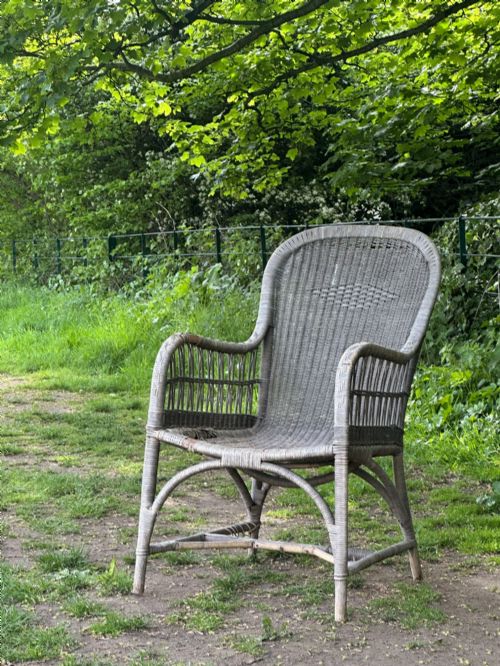
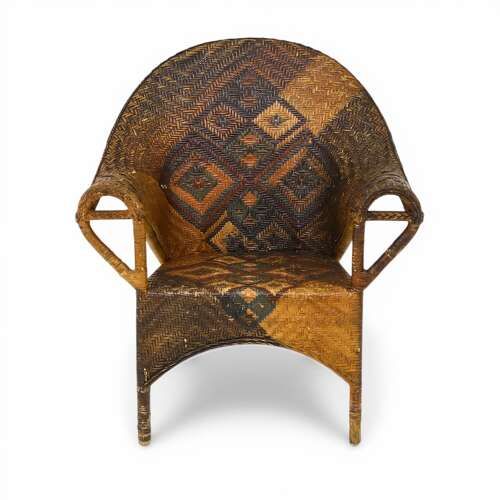


Woven Rattan Chair
These woven rattan chair examples combine organic texture with sturdy frames, offering a tactile seating choice for period and eclectic interiors alike.
Woven Rattan Chair
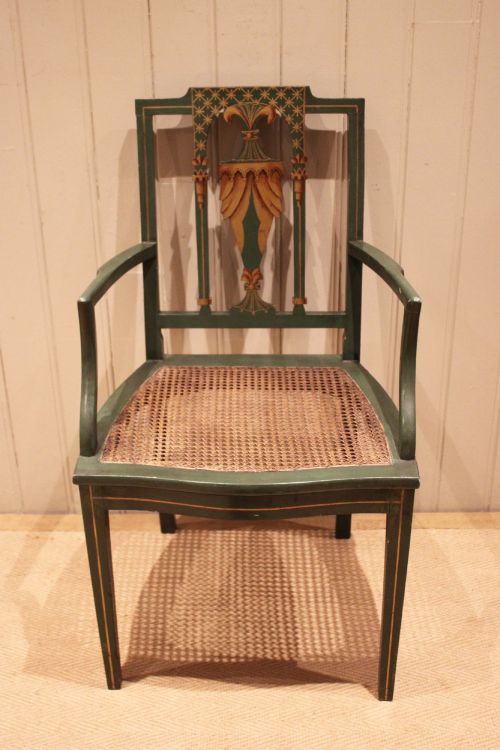
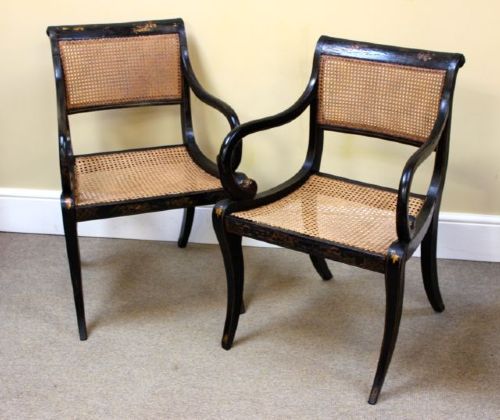
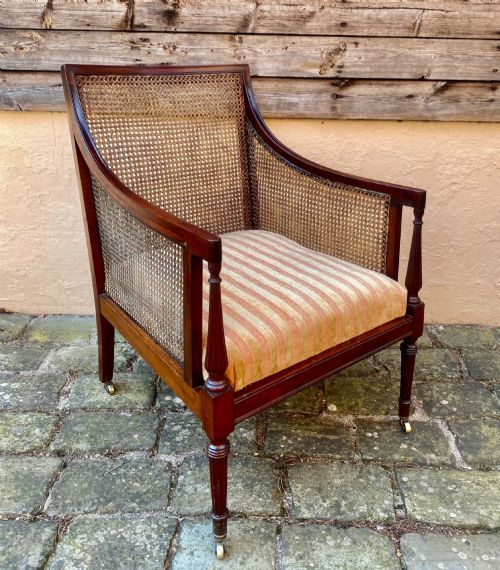
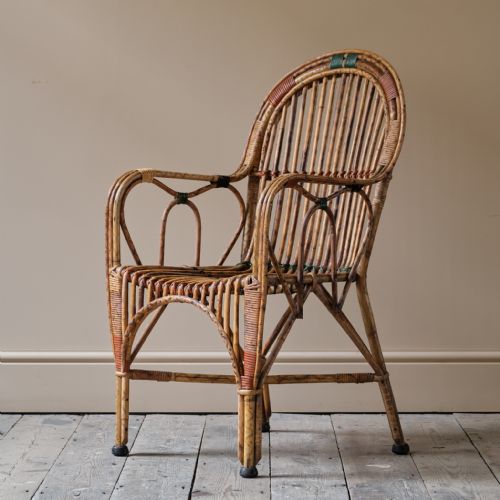
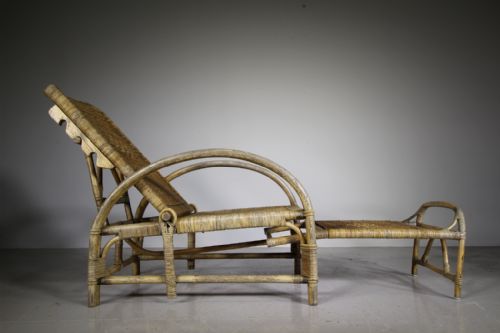
A woven rattan chair brings natural pliant materials into domestic seating, spanning forms from rocking chairs and armchairs to garden armchairs and loungers. Buyers searching this phrase encounter examples originating from various eras, including the Regency period, the Victorian era, and the nineteen-twenties.
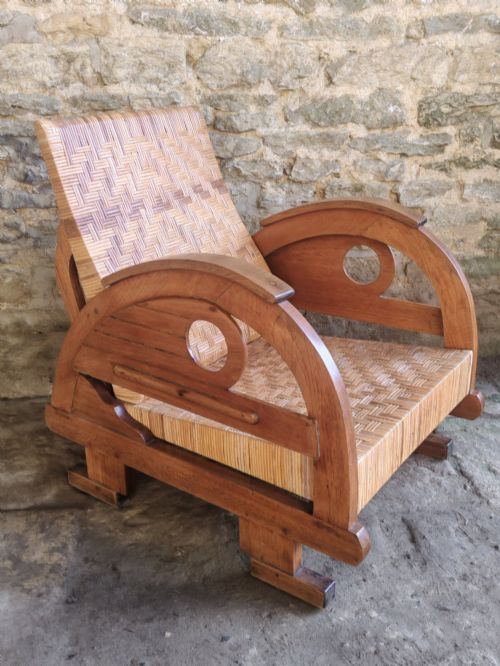
The selection ranges from traditional Hepplewhite style and Carolean style dining chairs to Arts and Crafts and Art Deco lounge seating. Makers such as Dryad of Leicester and Angraves of Leicester appear alongside Anglo Indian and Chinese export pieces.
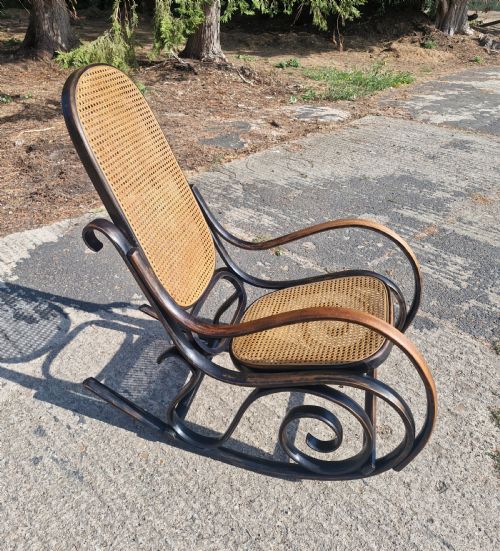
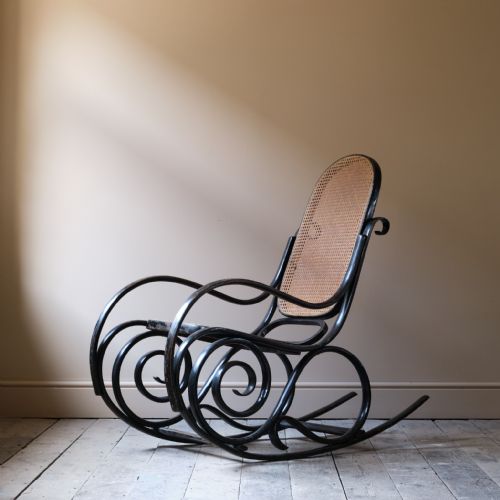
Armchairs and rocking chairs dominate the available forms, often utilising bentwood or mahogany frames alongside the woven elements. Pieces span from the nineteenth century into the mid-twentieth century, offering diverse interpretations of cane and wicker work.
Materials and construction
Construction relies on natural botanical materials including rattan, cane, bamboo, and willow, often combined with wooden frames of mahogany, teak, or general hardwoods. Weaving techniques involve hand-weaving plant fibres around shaped wooden or bentwood skeletons to create resilient seating surfaces.
Surface treatments range from painted finishes to sun-bleached patinas and fabric additions. Workshops employed steam-bending for wood components alongside traditional basketry methods for the woven sections.
Listings feature materials such as cane, rattan, bamboo, willow, and mahogany across periods spanning the nineteenth and twentieth centuries.
Judging quality in woven seating
Quality rests in the tightness and regularity of the weaving, the integrity of the natural material, and the solidity of the underlying frame. Superior examples demonstrate careful shaping of bentwood or carved mahogany, maintaining structural stability without loose strands.
Design attribution to known makers or distinctive stylistic movements influences distinction within the range. The harmony between the woven seating panels and the supporting wood framework determines the overall execution of the piece.
Angraves of Leicester·Dryad of Leicester·Dryad and Co
The Woven Rattan Chair Glossary
- Rattan
- A climbing palm with strong stems used whole or split for weaving furniture. It provides flexibility and structural strength.
- Cane
- The outer skin of the rattan plant peeled into strips and woven into patterned seats and backs. It offers a smooth surface texture.
- Bergere
- An enclosed upholstered armchair with wooden framing where the sides are frequently filled with cane or wicker. This form became popular in eighteenth-century France and later revivals.
- Bentwood
- Wood that is shaped by steaming and pressure to form curved structural components. It is commonly found in rocking chairs and seating from the twentieth century.
- Carolean
- A style of seventeenth-century English furniture characterised by rich carving and scrolled details. Later nineteenth-century pieces often revived these motifs.
Woven Rattan Chair: Frequently Asked Questions
How do I clean a woven rattan chair?
Dust the woven surfaces regularly using a soft brush attachment on a vacuum cleaner or a dry cloth to prevent dirt accumulation between the fibres.
Occasionally wipe the material with a damp cloth and mild soap, ensuring the natural fibres are dried thoroughly afterwards to prevent warping or splitting.
Can I use these chairs outdoors?
Most antique and vintage examples use natural plant materials that lack modern weather-resistant coatings, making them best suited for indoor environments or sheltered conservatories.
Exposure to rain, frost, and direct sunlight causes the rattan and cane to become brittle, discoloured, or weakened over time.
How do I identify the period of a chair?
Examine the framing style, wood type, and weaving pattern to find clues matching known historical periods like the Victorian era or the Arts and Crafts movement.
Maker marks or labels from workshops such as Dryad provide precise chronological reference points.
Are these chairs comfortable for daily use?
The flexible nature of woven rattan and cane allows the seat to conform slightly to the body, offering natural give and support.
Many styles include upholstered cushions or are designed as deep loungers and rocking chairs specifically for relaxation.