




Steam Bent Armchair
A steam bent armchair brings organic curves and resilient construction into a room, offering both everyday comfort and enduring design.
Steam Bent Armchair
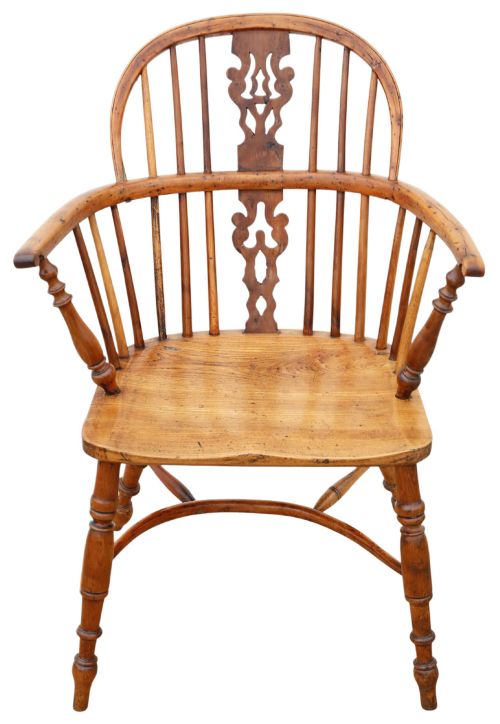
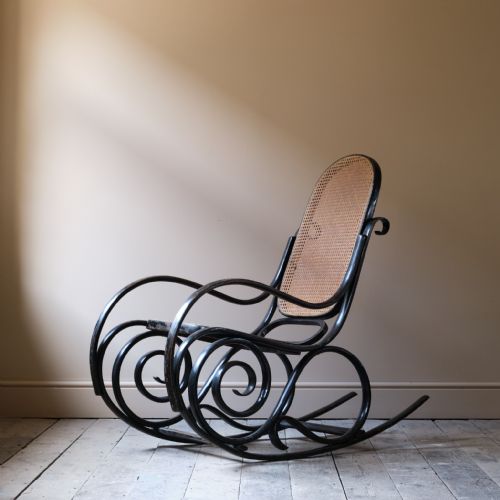
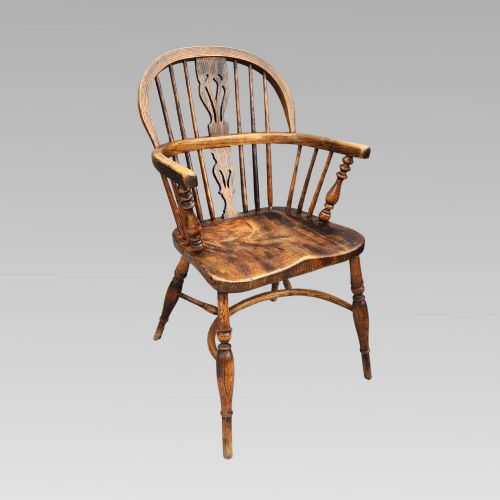
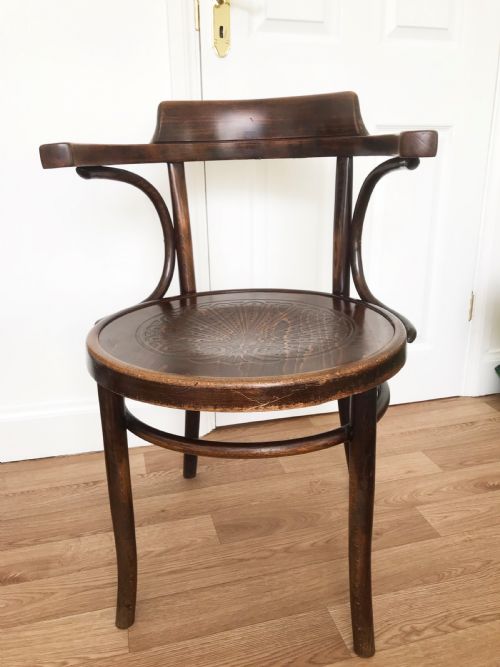
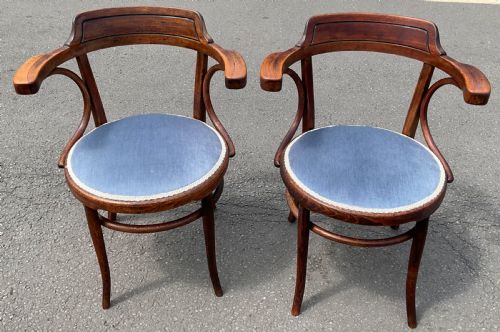
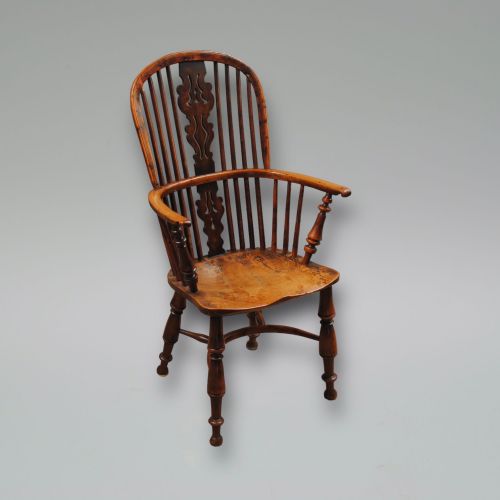
When you search for a steam bent armchair, you encounter seating shaped through the application of heat and moisture to timber, creating sweeping structural forms. The selection encompasses robust English country vernacular Windsor chairs alongside lighter continental bentwood models.
The Victorian period and the twentieth century contribute the majority of examples, spanning sturdy ash and elm iterations to sophisticated Thonet designs. You are most likely to meet rustic spindle backs, rocking chairs, and traditional carvers on this page.
Regional British workshops and continental manufacturers both feature strongly in the lineage of these pieces. They serve equally as practical desk chairs, fireside seats, and decorative statements within a traditional or eclectic interior.
How they were made
Constructed primarily from flexible hardwoods such as beech, ash, elm, and yew, these chairs rely on the inherent properties of timber subjected to steam processing. Steaming softens the lignin within the wood fibres, allowing craftsmen to bend the material into continuous loops and graceful curves without snapping.
Traditional Windsor construction employs turned legs and spindles wedged into solid wooden seats, while Thonet designs utilise curved round-section beech fastened with screws and internal blocks. Seats are frequently shaped from single slabs of elm or fitted with woven cane and leather inserts for suppleness.
Listings feature pieces spanning the Victorian era through the early twentieth century, utilising beech, ash, elm, yew, cane, and leather.
What varies in quality
The distinction between ordinary production and superior craftsmanship lies in the tightness of the radii achieved during the bending process and the retention of that shape over decades. Finer pieces demonstrate minimal tension cracking along the outer curves and precise joinery that withstands the outward pressure of the bent components.
Material selection significantly influences the tactile appeal, with dense yew wood and deeply figured elm seats commanding greater appreciation than plain secondary timbers. Original surfaces, whether polished French polish or ebonised finishes, preserve the historical integrity of the piece far better than modern interventions.
The Steam Bent Armchair Glossary
- Steam bending
- The process of exposing timber to moisture and heat to make it pliable for forming curves. This technique allows for continuous structural members without weak glue joints.
- Windsor
- A traditional chair type featuring a solid wooden seat into which the legs and back spindles are directly inserted. Regional British variants often incorporate ash, elm, and yew.
- Bentwood
- Furniture formed by heating wood until flexible and shaping it into rounded contours, famously pioneered by Thonet. It transformed nineteenth-century seating through lightweight modular production.
- Carver
- An armchair designed with arms, traditionally placed at the heads of dining tables or utilised as a parlour seat. They frequently match a set of smaller side chairs.
- Cane
- Woven rattan peel utilised for chair seats and backs to provide a resilient, breathable surface. It adds a contrasting texture to the solid timber framework.
Steam Bent Armchair: Frequently Asked Questions
What is a steam bent armchair?
A steam bent armchair is a seat constructed by exposing timber to heat and moisture so it can be shaped into curves. This method creates strong, graceful frames found in both traditional English country chairs and continental bentwood designs.
These pieces range from robust nineteenth-century Windsor armchairs to lighter rocking chairs and desk seats. They combine structural resilience with fluid lines derived from the natural flexibility of the wood.
How do I date a steam bent armchair?
Dating relies on examining the timber species, construction methods, and design characteristics recorded across the nineteenth and twentieth centuries. Victorian and earlier examples often display hand-turned spindles and solid elm seats, while later pieces incorporate standardised industrial components.
Maker marks, particularly on Thonet or regional British pieces, provide precise chronological markers. Comparing the joinery techniques and finish types helps place the chair within its historical context.
Where were these armchairs used?
These armchairs served versatile roles in domestic, commercial, and rural settings throughout the nineteenth and twentieth centuries. Country house dining rooms, farmhouse kitchens, and Parisian bistros all utilised these resilient seating options.
Rocking variants were designed for nurseries and parlours, whilst sturdy carvers functioned as desk chairs or fireside seating. Their adaptability ensured popularity across diverse social and architectural environments.
How do I care for bentwood and Windsor chairs?
Caring for these armchairs involves maintaining stable indoor humidity levels to prevent the timber from drying out or splitting. Gentle dusting and occasional application of traditional wax help preserve the original surface finish.
Avoid placing wooden and cane furniture near direct heat sources or strong sunlight. Regular inspection of joints ensures the structural integrity remains sound during daily use.