


Worcester Teacup Saucer
A worcester teacup saucer brings eighteenth-century kiln mastery and Regency elegance straight to the morning table.
Worcester Teacup Saucer
A worcester teacup saucer spans several centuries of British ceramic history, from early tea bowls to later Victorian service pieces. The selection here leans heavily towards Georgian and Regency examples, alongside later Royal Worcester productions.
Forms include traditional fluted tea bowls, coffee cups, and full trios featuring matched saucers. These pieces demonstrate the evolving tastes of British households across the eighteenth and nineteenth centuries.
The objects combine utility with refined decorative arts, reflecting the social rituals of tea drinking. Surviving examples range from delicate First Period porcelain to robust twentieth-century demitasse sets.
Materials and construction
Makers utilised porcelain and soft-paste porcelain as the primary body for these vessels. Artisans shaped the clay on wheels or in moulds to achieve the characteristic fluted and rounded forms.
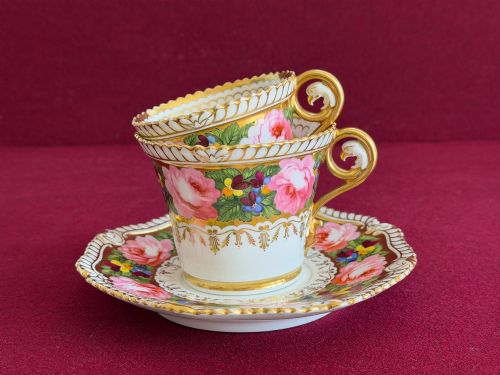
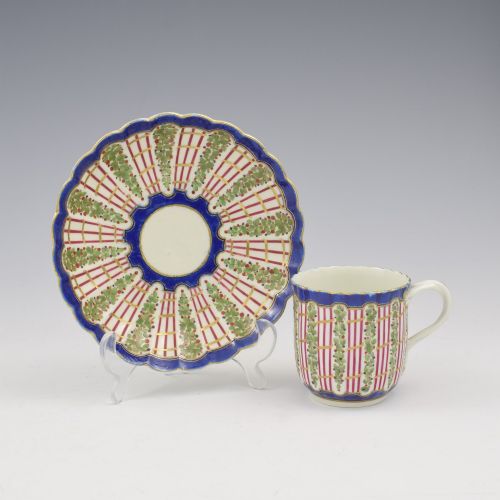
Decoration relied on hand-painted enamels, gilding, and gold leaf applied over or under the glaze. Skilled hands executed intricate patterns such as hop trellis, dragon motifs, and naturalistic bird studies.
Firing took place in high-temperature kilns, fixing the vibrant colours and gold details to the ceramic surface. Cased sets and individual pieces received careful finishing to prepare them for the dining table.
Quail motifs occasionally peer out from antique saucers to brighten a dull morning.
Judging the range
Quality separates standard production wares from pieces destined for aristocratic cabinets. Hand-painted detail in specialised patterns like fancy birds or armorial designs demands superior brushwork.
The clarity of the porcelain body and the richness of the gilding indicate the level of craftsmanship involved. First Period items and marked pieces from notable factory eras generally command greater attention from collectors.
Chamberlain Worcester·Dr Wall·Royal Worcester·Flight Barr And Barr·Samuel Astles·Barr Flight And Barr
The Worcester Teacup Saucer Glossary
- Soft-Paste Porcelain
- An early ceramic composition of clay, glass frit, and ground materials fired at lower temperatures than true hard-paste porcelain. This body yields a warm, creamy tone characteristic of eighteenth-century pieces.
- Tea Bowl
- A handleless drinking vessel used before the widespread adoption of handled teacups. These forms mimic Chinese prototypes imported during the early trade eras.
- Gilding
- The application of gold leaf or powdered gold to ceramic surfaces for decorative enhancement. On better pieces, this goldwork is hand-chased or burnished to catch the light.
- Blue Scale
- A distinctive underglaze blue patterned ground resembling fish scales, often framing shaped reserves of exotic birds or flowers. First Period Worcester perfected this rich decorative technique.
- Demitasse
- A small cup designed for serving strong black coffee after a meal. These pieces frequently appear in twentieth-century boxed sets with matching saucers.
Worcester Teacup Saucer: Frequently Asked Questions
How do I date an early worcester cup?
Dating relies upon identifying factory marks, paste compositions, and stylistic motifs associated with specific periods like the Dr Wall era or the Regency regime under Flight, Barr and Barr.
Undated pieces require close examination of the blue underglaze marks, enamel colours, and the translucency of the porcelain body when held to the light.
Were these cups meant for daily use?
Many eighteenth-century pieces formed part of working tea services used in prosperous households for social gatherings and formal afternoon rituals.
Over time, delicate items with heavy gilding transitioned into cabinet pieces displayed behind glass rather than handled at the table.
What is the difference between a tea bowl and a teacup?
Tea bowls lack handles and derive their form directly from traditional Chinese porcelain vessels imported via East India trade routes.
Teacups with applied handles emerged later as European dining habits shifted towards more comfortable individual drinking vessels.
How should I care for antique porcelain?
Antique porcelain requires gentle hand washing in warm water with mild soap, avoiding modern dishwashers and harsh abrasive sponges.
Store pieces securely away from direct sunlight and extreme temperature fluctuations to protect fragile enamels and gold leaf.