


Worcester Porcelain Pitcher
Worcester porcelain pitcher pieces span delicate 18th-century forms and elaborate Victorian decorative ewers, offering collectors rich painted detail and historic ceramic artistry.
Worcester Porcelain Pitcher
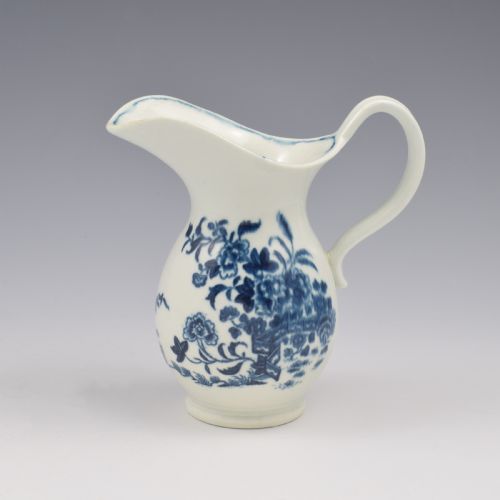
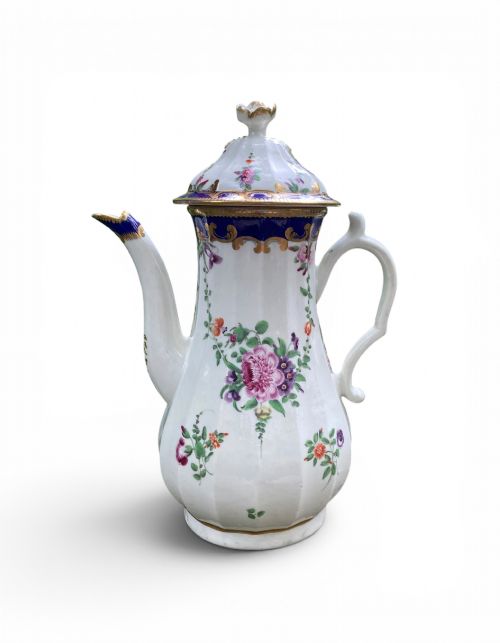
A worcester porcelain pitcher encompasses utility and display vessels ranging from Georgian milk and cream jugs to ornate Victorian and Edwardian decorative ewers. Buyers seeking this phrase encounter 18th-century soft-paste sparrow beak jugs alongside later porcelain ewers bearing hand-painted fruit, floral motifs, and blush ivory finishes.
The selection bridges functional table service items and purely ornamental vessels. Early examples focus on moulded body shapes and painted birds or armorial crests, whereas later Victorian productions lean towards lavish gilding and sculptural handles.
Pieces span various eras including Georgian, Victorian, Edwardian, and mid-20th-century periods. This variety allows collectors to choose between understated 18th-century porcelain and decorative painted fruit pieces from later decades.
How they were made
Potters shaped soft-paste and hard-paste porcelain either by hand-throwing or moulding, applying glazes and enamel colours before firing. Early 18th-century examples utilise delicate porcelain bodies while later Victorian items incorporate robust glazed porcelain suited for elaborate surface decoration.
Artisans applied surface enrichment through hand-painting, gilding with gold leaf, and adding gold gilt accents. Many later ewers feature detailed enamel painting of fruit and floral scenes signed by factory artists, combined with reticulated or moulded structural elements.
Parrots pecking fruit gaze out from 18th-century porcelain jugs, immortalising greedy birds in permanent glaze.
What varies in quality
Quality rests in the crispness of the porcelain moulding, the precision of hand-painted details, and the application of gold leaf and gilding. Pieces featuring signed artist work and complex surface finishes like blush ivory demonstrate superior craftsmanship compared to standard production wares.
The clarity of the glaze and the preservation of delicate spouts, handles, and reticulated elements dictate desirability. Early 18th-century forms with well-preserved painted motifs command attention for their historical execution, while later Royal Worcester pieces depend on the artistic execution of painted fruit and armorial crests.
Dr Wall Worcester·Grainger Worcester·Royal Worcester·Chamberlain Worcester
The Worcester Porcelain Pitcher Glossary
- Soft-paste porcelain
- A ceramic composition fired at lower temperatures than hard-paste porcelain, creating a creamy body common in early Worcester manufacture. It absorbs glaze smoothly and yields a warm texture.
- Blush ivory
- A matte cream-coloured porcelain ground developed by Royal Worcester in the late 19th century. It provides a soft background for hand-painted floral and botanical decoration.
- Ewer
- A large pitcher with a wide spout and flared base, traditionally used for holding water or wine. In later periods, these served primarily as decorative ornamental vessels.
- Gilding
- The application of gold leaf or gold paint to ceramic surfaces to highlight rims, handles, and painted panels. It adds reflective contrast to the glazed porcelain body.
- Reticulated
- Openwork pierced decoration cut into the wet porcelain body before firing. This technique creates delicate lattice patterns seen on Victorian decorative ewers.
Worcester Porcelain Pitcher: Frequently Asked Questions
What is a sparrow beak jug?
A sparrow beak jug is a small 18th-century cream or milk jug featuring a distinctively pointed, beak-like pouring spout. These early pieces often display delicate painted floral patterns or bird motifs.
Collectors prize them for their charming proportions and early soft-paste porcelain bodies. They represent a classic form from the First Period of Worcester production.
Were decorative ewers used for serving?
Decorative ewers served primarily as ornamental display pieces rather than functional table vessels, particularly during the Victorian era. Their elaborate handles and reticulated designs made them unsuited for daily pouring.
Smaller pitchers like cream jugs and milk jugs handled table service duties. Ewers remained in parlours and drawing rooms as standalone decorative art.
How can I tell 18th-century pieces apart?
Eighteenth-century Worcester pieces utilise soft-paste porcelain bodies that feel warm and show subtle variations in glaze pooling. They frequently feature underglaze blue painting, armorial crests, or bird and fruit motifs.
Later 19th and 20th-century pieces display harder porcelain, crisp factory marks, and more vibrant enamel colours. Examining the paste, weight, and decorative style clarifies the production period.