



Worcester Floral Dish
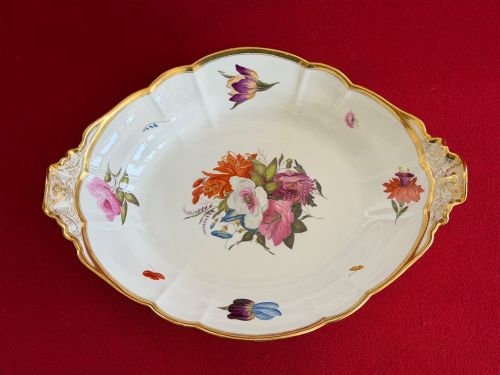
A worcester floral dish brings botanical painting into domestic porcelain, offering hand-painted flowers across eighteenth-century soft-paste forms and later factory bodies.
Worcester Floral Dish
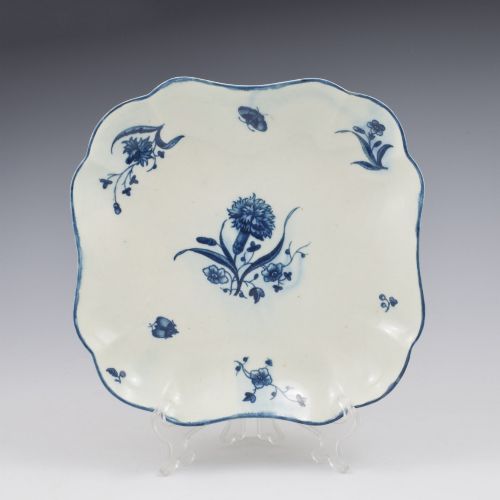
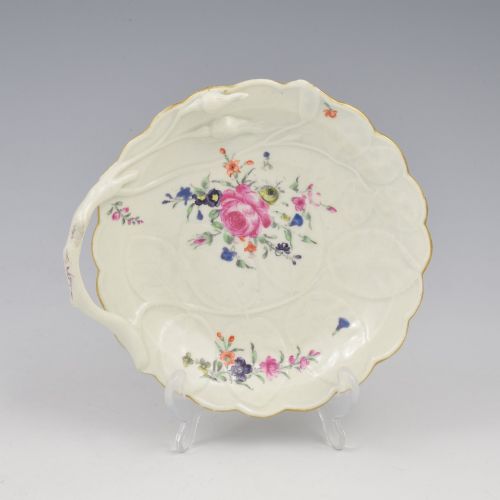
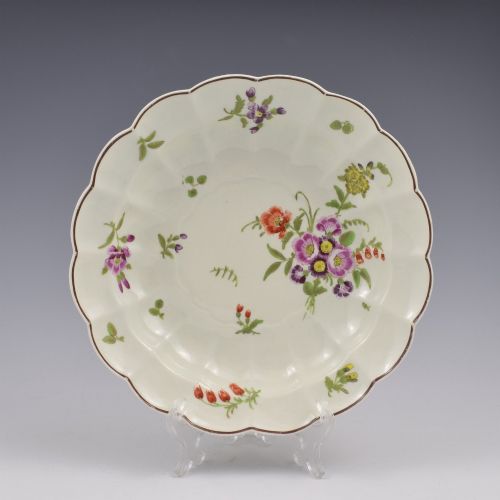
When buyers search for a worcester floral dish, they encounter items spanning eighteenth-century Dr Wall periods through to later Victorian and twentieth-century productions. These pieces take the form of dessert dishes, sweetmeat dishes, plates, and small bowls designed for table service or display.
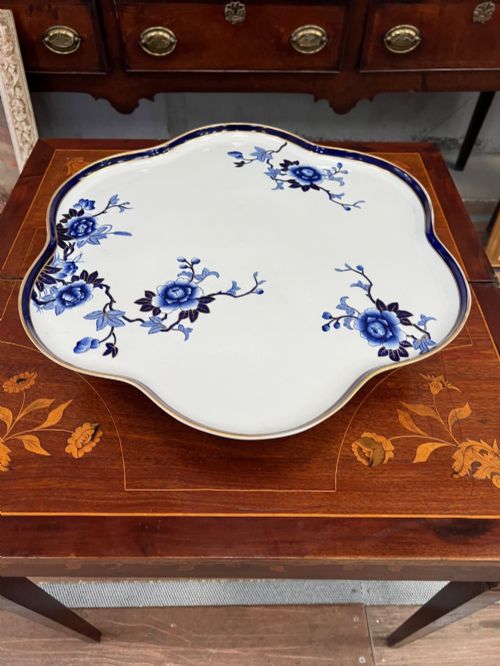
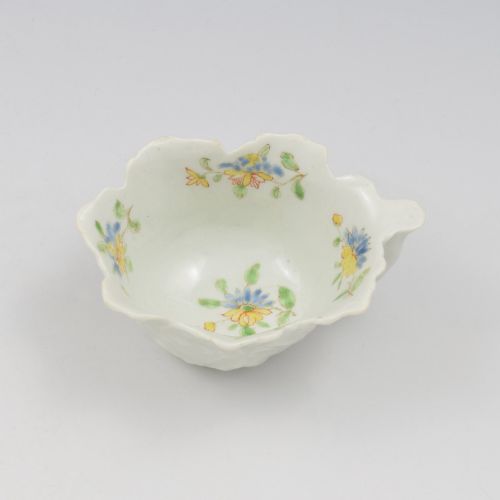
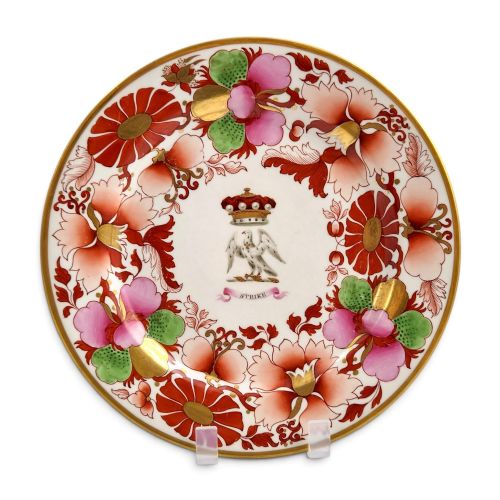
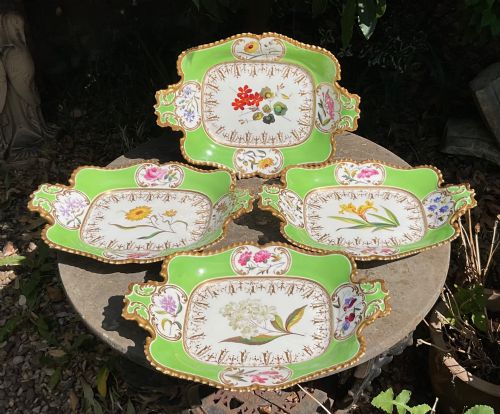
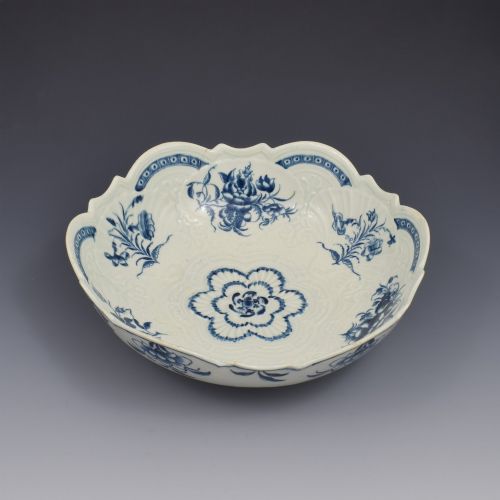
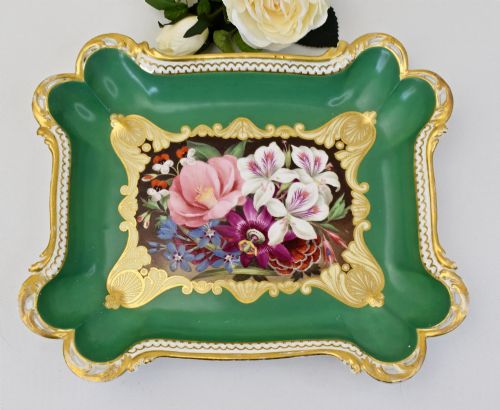
The eighteenth-century examples lean towards early soft-paste porcelain bodies decorated with blue and white or enamelled floral sprays, sometimes styled after continental porcelain. By the nineteenth and early twentieth centuries, names such as Chamberlains, Flight Barr & Barr, and Royal Worcester introduce gilded edges, blush ivory grounds, and meticulous botanical studies.
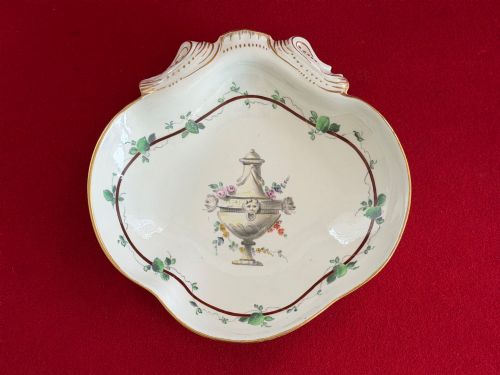
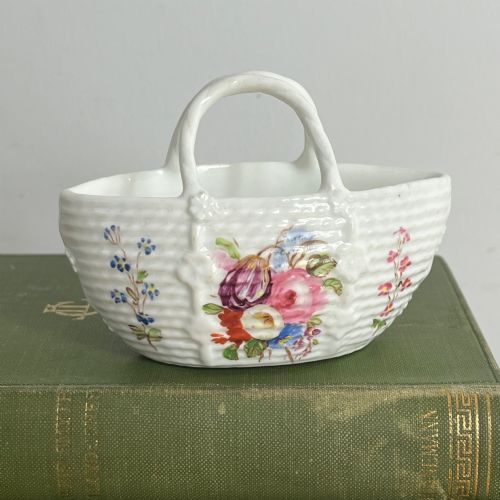
Most entries on this page reflect formal service wares rather than everyday table use, often surviving as individual cabinet items or matched sets. Collectors meet everything from lobed dessert plates to boat-shaped bowls and cabinet pieces bearing the signatures of noted studio painters.
What varies in quality
The standard of painting governs the distinction between ordinary production wares and superior studio execution, particularly where named artists or specialised workshops are involved. Finer examples show precise brushwork in the floral sprays and meticulous application of gilt detailing that remains crisp across the surface.
The integrity of the porcelain body and the preservation of the enamel over centuries dictate value among collectors. Early soft-paste bodies and intact gilding on delicate edges indicate superior preservation, while later factories demonstrate consistency in moulding and porcelain translucency.
Worcester Floral Dish Retail Price Guide 2026
Typical asking prices for worcester floral dish among the pieces listed under this phrase on Sellingantiques today, from the lower quarter to the upper quarter. They describe what is for sale here now, not the wider market.
Forms range from flat cabinet plates and soup dishes to lobed dessert bowls, sweetmeat dishes, and boat-shaped trays.
James Giles·Flight Barr & Barr·Dr Wall·Chamberlains Worcester·Doe & Rogers·Royal Worcester·J Southall·Hadley·Freeman
The Worcester Floral Dish Glossary
- Soft-paste porcelain
- An artificial porcelain mixture of clay, glass, and ground minerals fired at lower temperatures than hard-paste. This early body creates a warm, creamy glaze appearance characteristic of eighteenth-century Worcester.
- Blind Earl
- A moulded relief pattern of rose leaves and buds attributed to an injured nobleman who requested the design. It appears frequently on early Worcester sweetmeat dishes and plates.
- Blush Ivory
- A specialised Royal Worcester ceramic body finish introduced in the late nineteenth century. It mimics the creamy tone of elephant ivory with soft pastel floral decoration.
- Gilt
- A thin layer of gold applied to the edges, handles, or borders of the porcelain. Tooled gilding involves chasing or engraving patterns into the gold surface after firing.
- Junket dish
- A shallow bowl or dish traditionally used for serving junket, a curdled milk dessert. These pieces often feature lobed rims and delicate floral painting.
Worcester Floral Dish: Frequently Asked Questions
How do I identify a Dr Wall piece?
Dr Wall period pieces date from the eighteenth century and utilise early soft-paste porcelain bodies. Look for characteristic blue and white underglaze decoration or early enamel floral painting.
Markings on the base often include open or closed crescent shapes, script W marks, or imitation Chinese characters rather than printed factory stamps.
What is blush ivory porcelain?
Blush ivory is a matte cream-coloured ceramic ground developed by Royal Worcester in the late Victorian era. It provides a warm background specifically designed for hand-painted floral sprays.
This finish appears frequently on late nineteenth and early twentieth-century decorative pieces such as shell dishes and bowls.
Are these dishes safe for food?
While these items originated as tableware for desserts and sweetmeats, age and fragile enamels make modern culinary use impractical. Historic soft-paste bodies and delicate gilding can suffer permanent damage from modern detergents and cutlery.
Collectors generally preserve them as cabinet pieces, wall plaques, or decorative display items rather than using them for dining.
Who was James Giles?
James Giles operated an independent porcelain decorating studio in London during the eighteenth century. He received white porcelain blanks from factories like Worcester and applied elaborate enamel painting and gilding.
Pieces decorated in his studio are distinguished by painterly floral compositions and distinct palette choices that differ from standard factory output.