
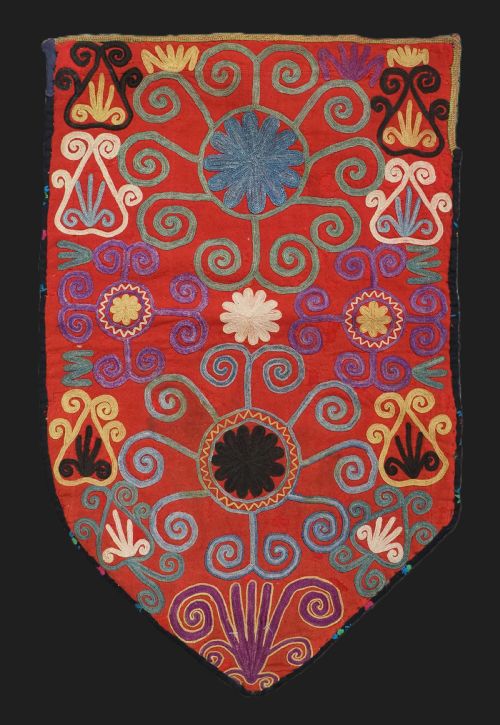
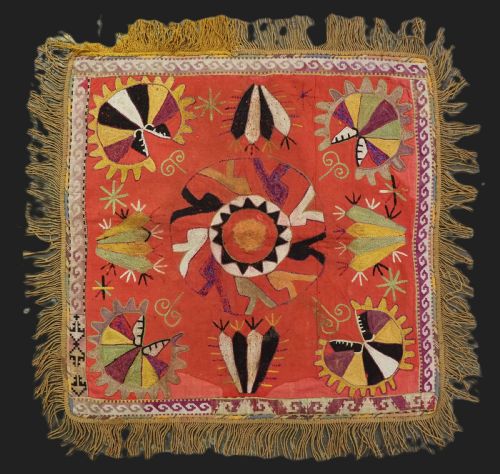
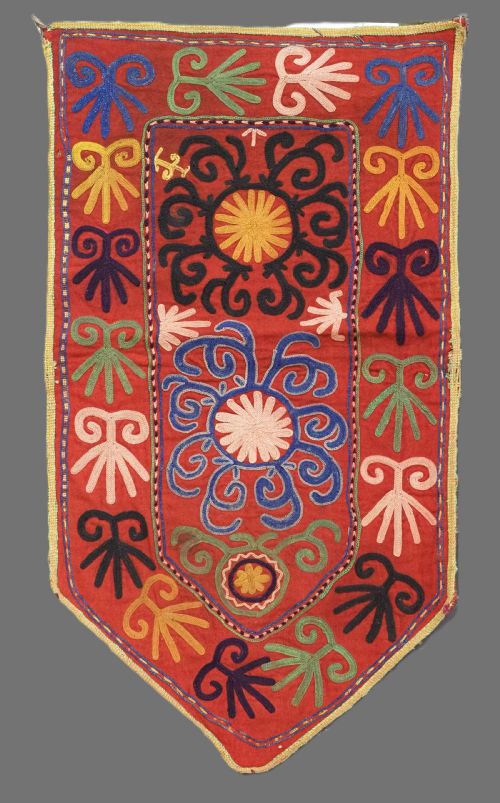
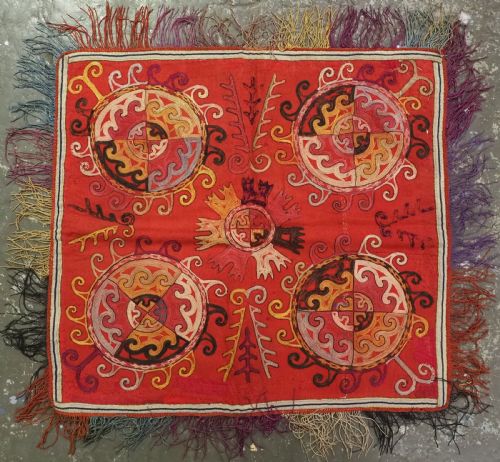
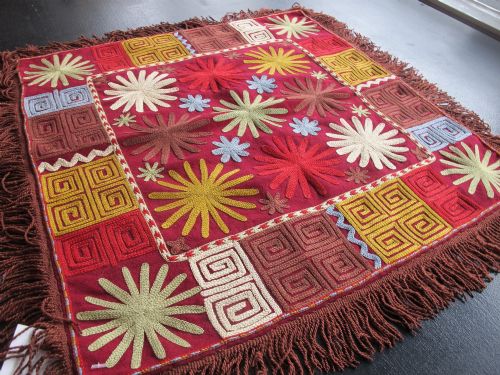
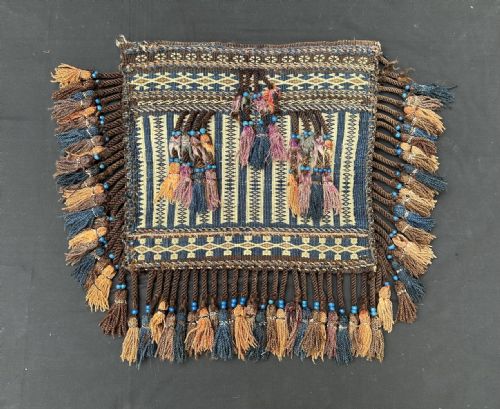

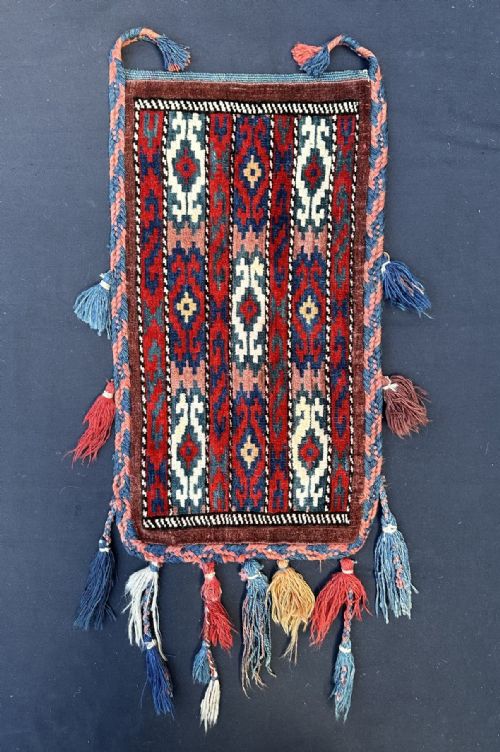
Wool Tribal Wall Hanging
A wool tribal wall hanging brings tactile warmth and ancient nomadic history straight into a modern interior.
Wool Tribal Wall Hanging
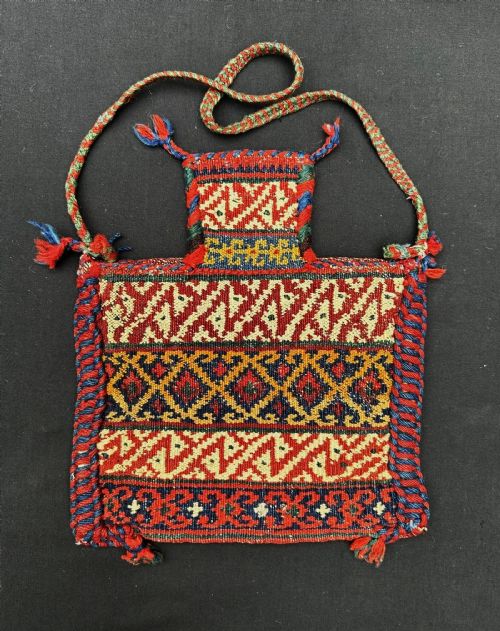
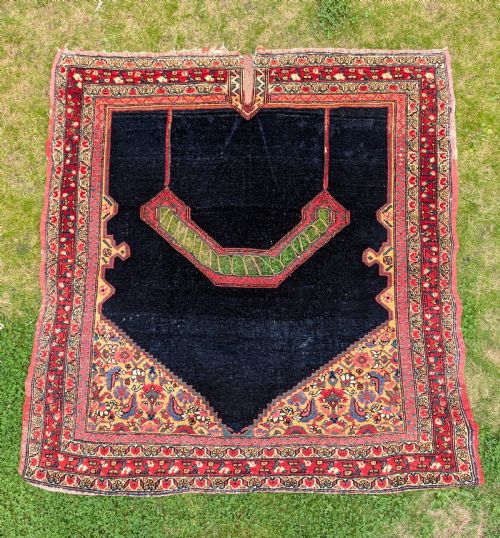
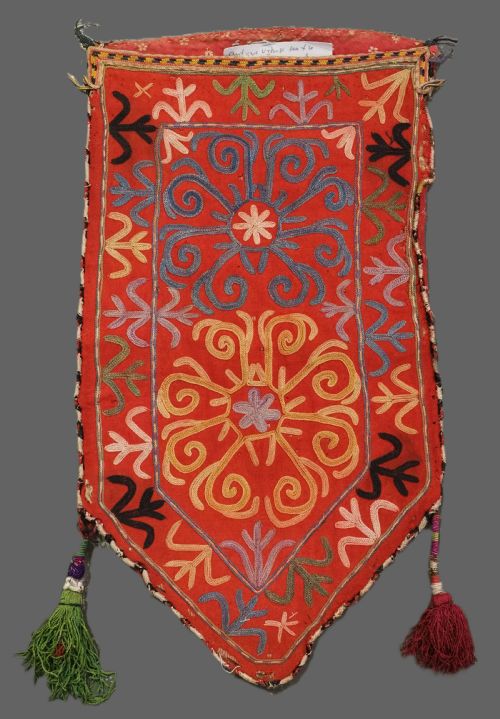
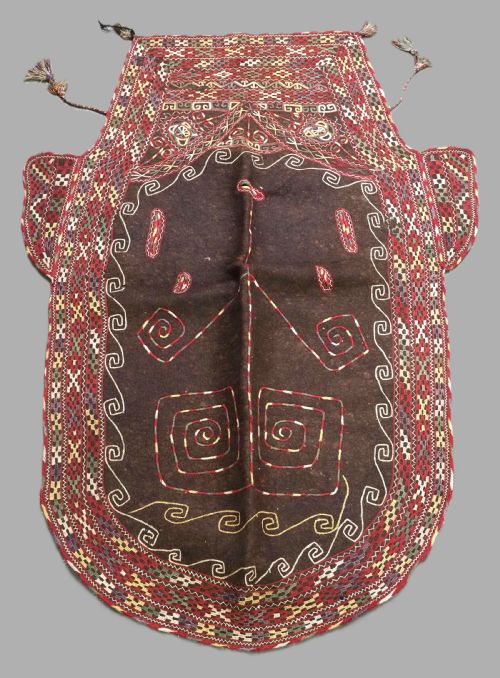
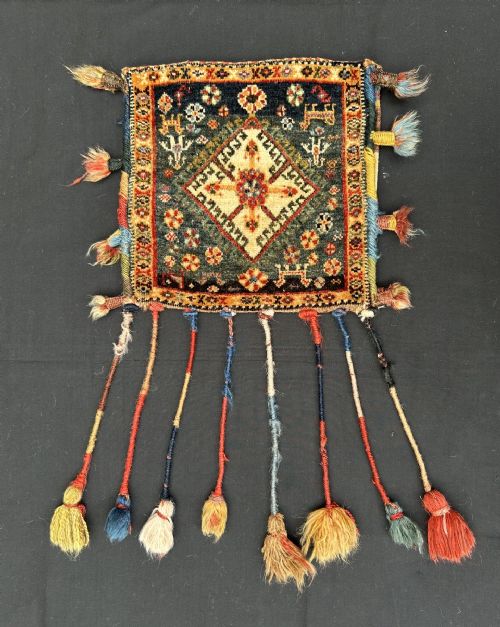
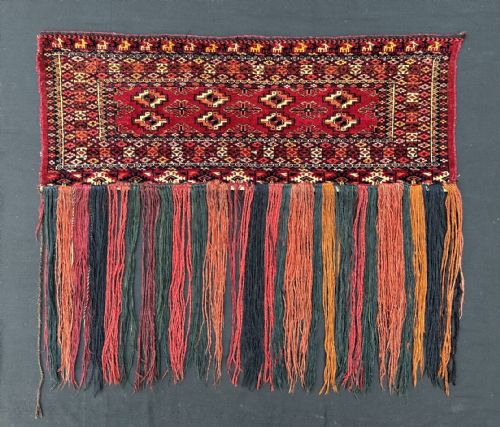
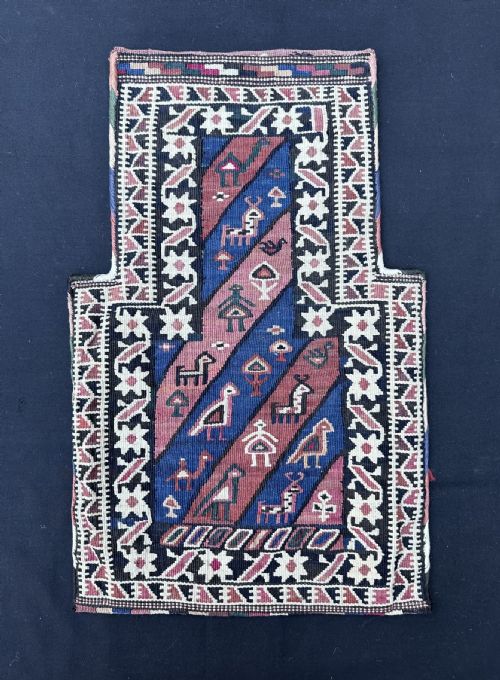
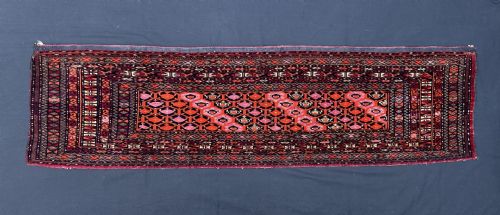
Buyers frequently encounter Turkmen tribal works such as Yomut, Tekke, and Karadashli pieces alongside Timuri, Turkish Konya, and Baluch nomadic items. Materials consistently feature wool and natural dyes, occasionally accented with cotton or cowrie shells, forming flatweave rugs and specialised tribal textile objects.
How they were made
Weavers utilised hand-spun wool and rich natural dyes to construct these flatweave rugs and textile items on portable nomadic looms. The resulting surfaces exhibit tight structures and varied pile or embroidered constructions depending on whether the object functioned as a storage bag, tent hanging, or decorative panel.
Certain examples incorporate decorative elements like cowrie shells and intricate cotton embroidery alongside the primary wool foundation. The integration of structural motifs, such as guls and curled leaf designs, demanded precise counting and tension control from the maker.
Wool Tribal Wall Hanging Retail Price Guide 2026
Typical asking prices for wool tribal wall hanging among the pieces listed under this phrase on Sellingantiques today, from the lower quarter to the upper quarter. They describe what is for sale here now, not the wider market.
Nomadic weavers frequently tucked cowrie shells into their wool weavings to ward off the evil eye and protect their families.
What varies in quality
Quality rests upon the fineness of the weave, the clarity and saturation of the natural dyes, and the integrity of the tribal iconography. Pieces possessing exceptionally high knot or weave counts demonstrate superior technical mastery by the nomadic weaver.
Preservation of the original wool structure and the completeness of traditional design elements distinguish finer examples. The vibrancy derived from organic dyestuffs maintains its visual depth better over centuries than inferior or unstable colour applications.
The Wool Tribal Wall Hanging Glossary
- Asmalyk
- A triangular or pentagonal trapping traditionally mounted on the flanks of a bride's camel during Turkmen wedding processions. These items now frequently serve as wall hangings due to their striking geometric designs.
- Gul
- A medallion motif repeated across Turkmen and other Central Asian carpets and tribal textiles. Each pattern often denotes a specific tribe or clan grouping.
- Torba
- A small storage bag produced by nomadic weavers, usually featuring an open top and an elaborately decorated face. Collectors prize the severed faces of these bags as independent textile panels.
- Cicim
- A flatweave embroidery technique where supplementary pattern threads are brocaded directly onto a plain-weave foundation. This method creates a textured, raised pattern visible on Turkish panels.
Wool Tribal Wall Hanging: Frequently Asked Questions
How do I hang a textile?
Mounting a historic textile requires careful distribution of weight to avoid stressing the fragile wool fibres. Professional framers often utilise archival stitching onto a padded board or fabric-faced Velcro systems.
Direct exposure to bright sunlight should be avoided to prevent natural dyes from fading over time. Periodic gentle suction through mesh helps remove accumulated dust without damaging the weave.
What is a tribal torba?
A torba is a small rectangular storage bag historically used inside nomadic tents for household possessions or bedding. Their decorative faces display specific tribal motifs that identified the maker's clan.
Many surviving examples appear as isolated face panels because the plain backing fabric wore out through heavy use. Collectors value these remaining faces for their concentrated artistry and fine wool work.
Are natural dyes easy to spot?
Natural dyes derived from plants, insects, and minerals yield nuanced, muted tones that age gracefully with subtle shifts in hue. Chemical dyes introduced later in the nineteenth century can appear harsher or bleed unevenly.
Examining the individual wool fibres under magnification often reveals slight tonal variations from root to tip in natural dye lots. This characteristic depth separates traditional pieces from later commercial reproductions.
Which tribes made these wall hangings?
Nomadic and semi-nomadic groups across Central Asia, Afghanistan, and Anatolia produced these functional textiles. Prominent makers include Yomut, Tekke, Karadashli, and Timuri tribes working across the Trans-Caspian steppes.
Each group maintained distinct design vocabularies, colour palettes, and weaving structures passed down through generations. These regional variations allow specialists to attribute specific pieces to exact geographic locations.