




Wool Tribal Tassel
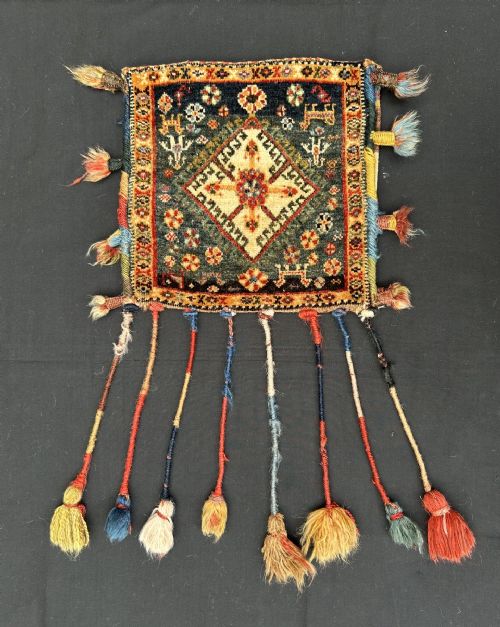
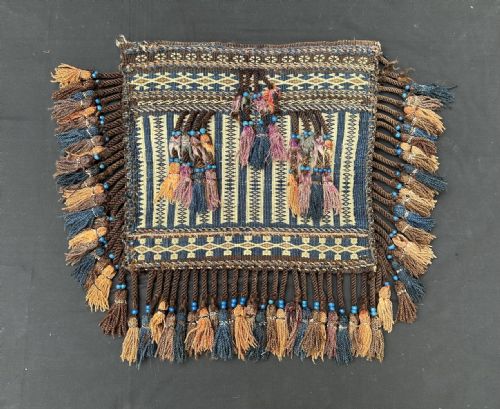
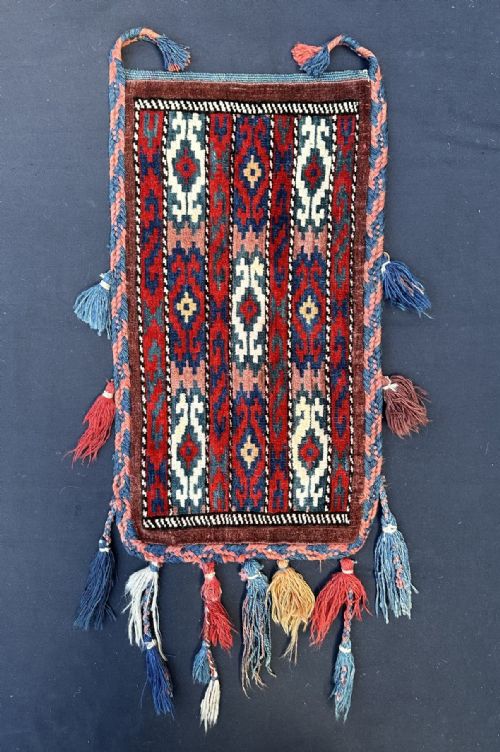
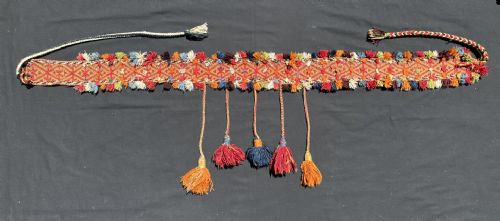
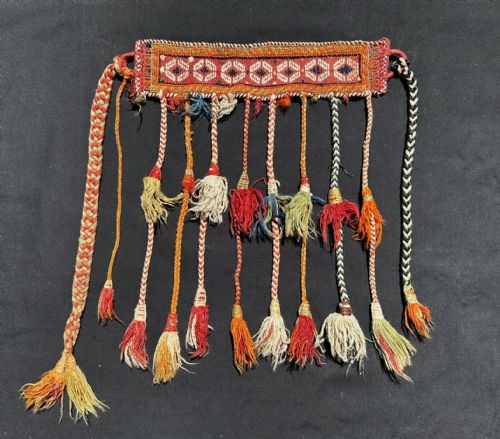
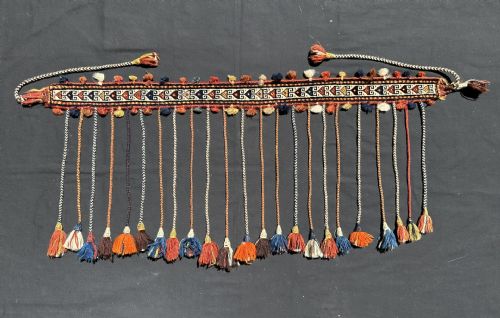
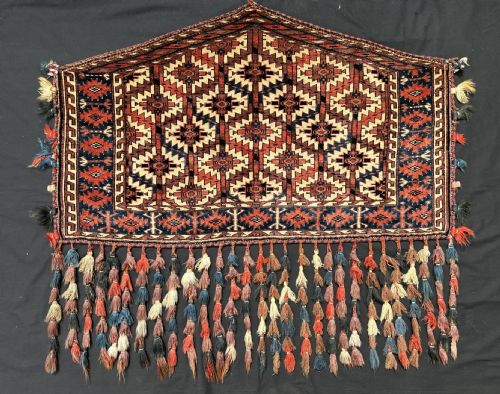
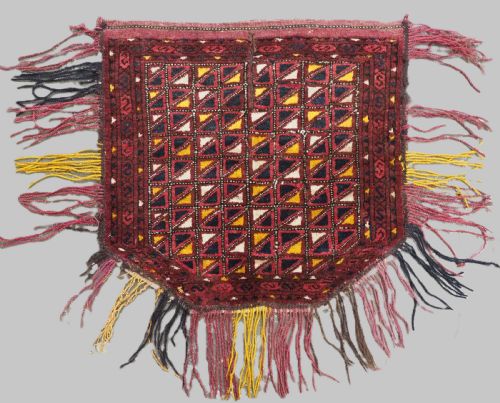
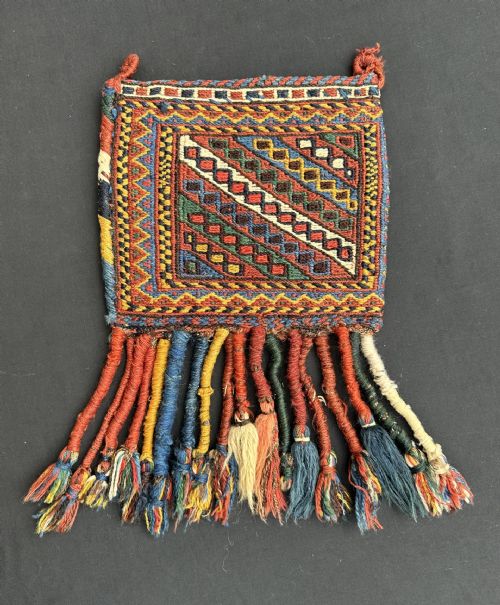
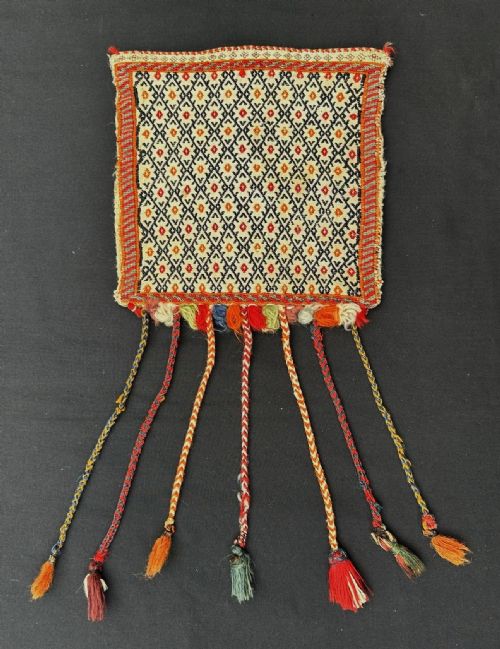
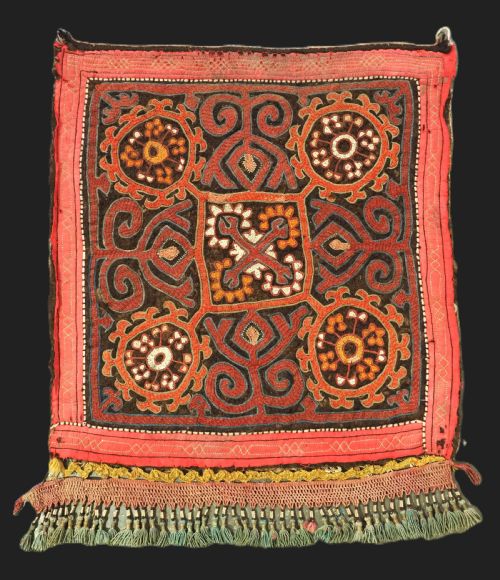
These wool tribal tassel selections bring together woven nomad bags, trappings and animal decorations holding historic ornamentation from Persia and Central Asia.
Wool Tribal Tassel
When you examine a wool tribal tassel piece, you encounter functional objects created by nomadic and village weavers across Persia, Afghanistan, and Central Asia. These items include vanity bags, storage pouches, spindle bags, animal trappings, and wedding garments that served daily pastoral life.
The wool tribal tassel groupings on this page stem predominantly from the late nineteenth and early twentieth centuries, spanning periods from eighteen seventy to nineteen thirty. You meet work from specific tribal groups such as the Qashqai, Yomut, Ersari, Baluch, Afshar, and Lakai Uzbeks.
Many of these textiles incorporate original fringes, hanging tassels, and decorative adornments as integral components of their design. They represent the rich material culture of nomadic communities who utilised wool, cotton, and felt for both utility and decorative expression.
Materials and construction methods
Weavers constructed these pieces using hand-spun wool foundations combined with natural dyes to create durable surfaces for bags and trappings. Artisans frequently integrated silk embroidery, cotton elements, glass beads, and leather reinforcement into the textile structures.
Nomadic makers incorporated felt panels, horse hair, and wooden components into specific items like tent-pole bags and horse decorations. Applied fringes and hanging tassels were securely attached to complete the traditional ornamentation of the woven articles.
Materials recorded across the inventory include wool, cotton, silk, felt, glass beads, leather, and wood.
Factors of distinction
Quality in these textiles rests upon the integrity of the weave, the depth and balance of natural dyes, and the survival of original structural elements. Pieces retaining their complete original tassels and backings demonstrate higher authenticity than those with later restorations.
The fineness of the knotting or embroidery work, alongside the complexity of the tribal design, separates standard utility items from exceptional examples. Superior execution reflects the skill of specific tribal confederacies and the care taken in their creation.
The Wool Tribal Tassel Glossary
- Asmalyk
- A large pentagonal trapping produced by Turkmen tribes, traditionally hung on wedding camel flanks. These decorative items often feature intricate geometric patterns and elaborate tassel finishes.
- Torba
- A small rectangular storage bag utilised within nomadic tents for household possessions. They display distinct tribal motifs and frequently incorporate lower fringes.
- Ok Bash
- A specialised felt or woven bag designed to cover and protect the ends of wooden yurt poles during transport. They frequently incorporate hanging tassels and horse hair elements.
- Namakdan
- A salt bag woven by nomadic groups with a narrow neck and expanded base for storing rock salt. These utilitarian items showcase tight weaves to prevent salt leakage.
- Portiere
- A decorative hanging placed over doorways or tent entrances to provide insulation and visual distinction. They often feature extended dimensions and traditional tribal borders.
Wool Tribal Tassel: Frequently Asked Questions
What were tribal bags used for?
Nomadic groups utilised these woven bags for storing household goods, salt, spindles, and personal vanity items inside tents. Their portable nature suited the seasonal migration patterns of pastoral communities.
Many pieces also served decorative or ceremonial functions during weddings and celebrations, displayed on tent walls or animal mounts.
How do you identify Yomut Turkmen pieces?
Yomut Turkmen works typically originate from the Trans-Caspian steppes and display distinct palette choices dominated by deep madder reds and rich browns. Their designs frequently incorporate geometric gul motifs and structured field arrangements.
Asmalyks and spindle bags attributed to this group often feature substantial wool pile and characteristic tassel attachments.
How should I care for antique wool textiles?
Keep antique wool textiles away from direct sunlight to prevent natural dye fading and fibre degradation. Regular gentle vacuuming with a mesh screen protects fragile tassels and structural weaves from damage.
Professional textile conservators should handle any necessary cleaning to preserve the historical integrity of the piece.