




Wool Medallion Rug
A wool medallion rug anchors a room with centuries of hand-knotted design tradition, offering warmth and graphic focus.

Wool Medallion Rug
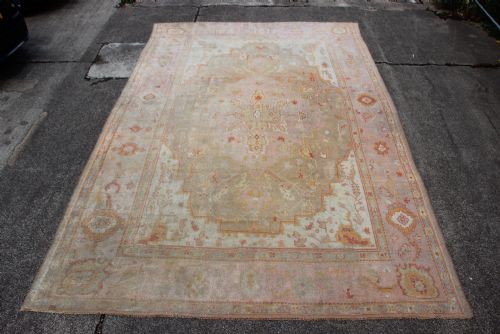
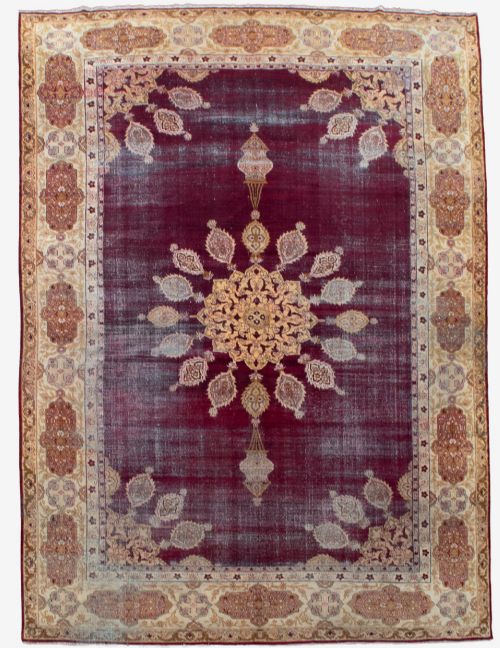
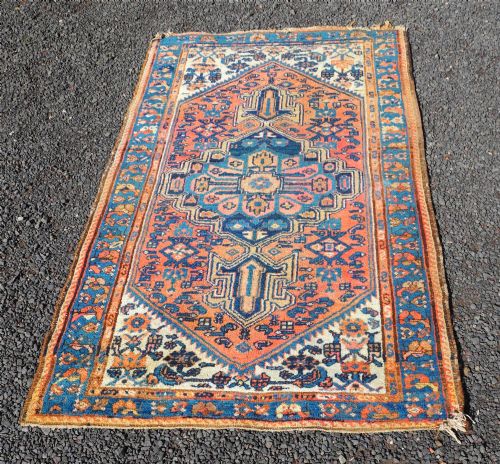
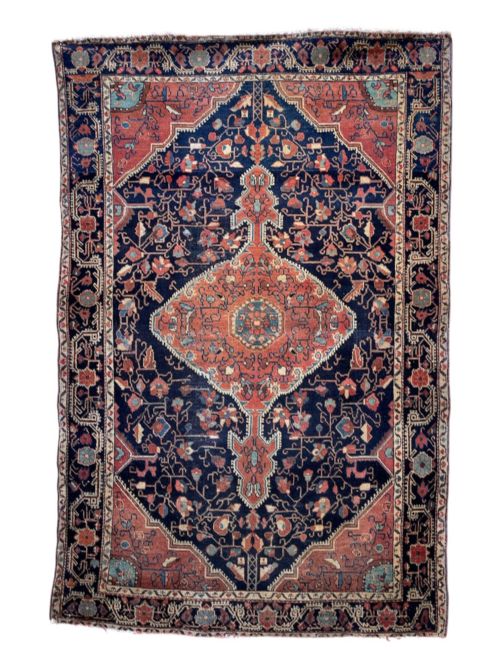
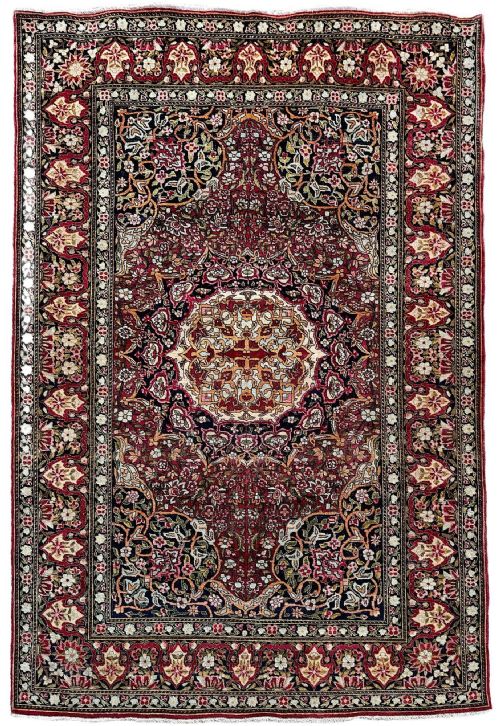
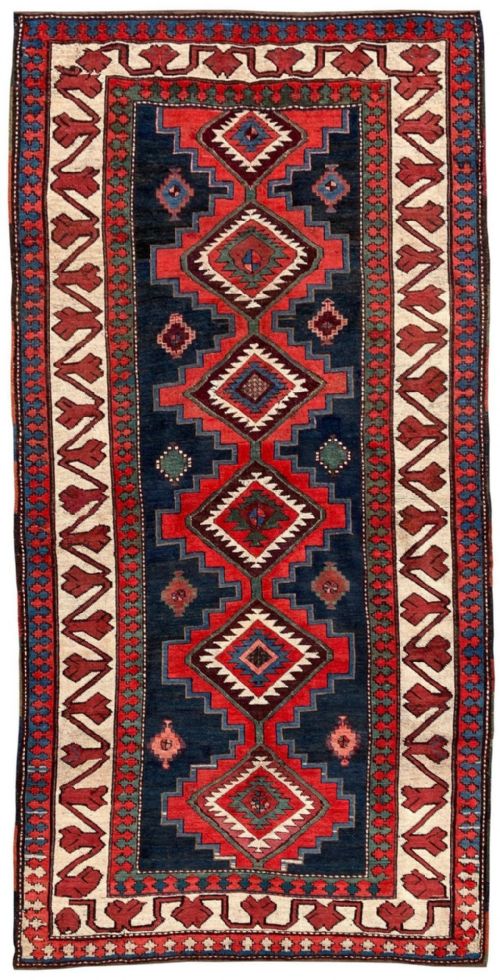
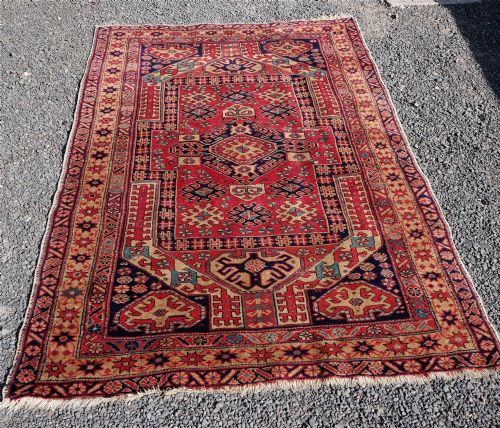
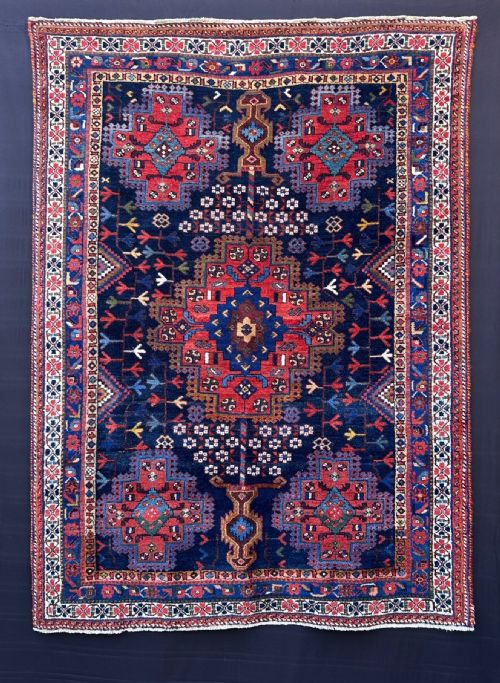
The version most commonly met on this page is an antique or vintage tribal or village carpet, woven with traditional wool pile on cotton or wool foundations. Pieces emerge from specific regions like Heriz, Hamadan, Kazak, and Oushak, displaying distinct regional palettes and geometric or floral motifs.
How They Were Made
These textiles rely principally on hand-knotted wool pile, sometimes incorporating cotton foundations or silk highlights for structural definition and texture. Weavers tied symmetric or asymmetric knots by hand onto vertical looms, building up dense pile surfaces designed for durability.
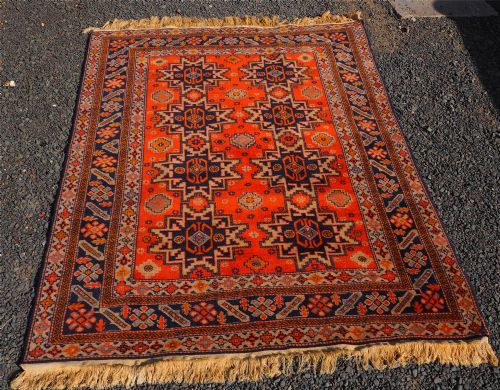
Dyeing methods utilise natural materials to achieve rich, enduring hues across the field and medallion. Artisans finished the edges with overcast selvides and secured the ends with flatwoven kilim fringes.
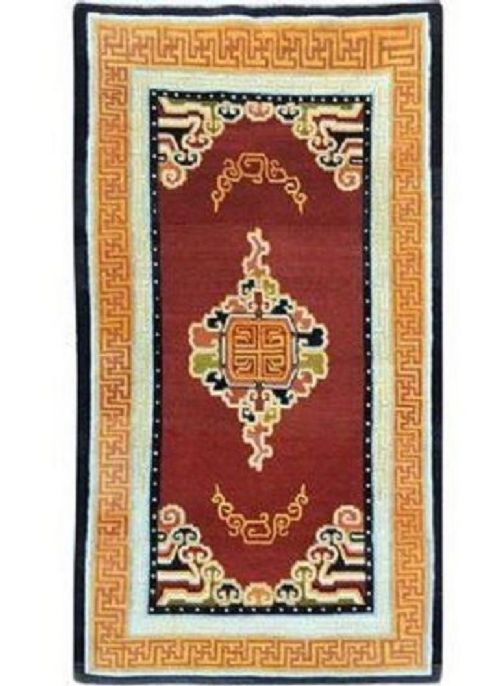
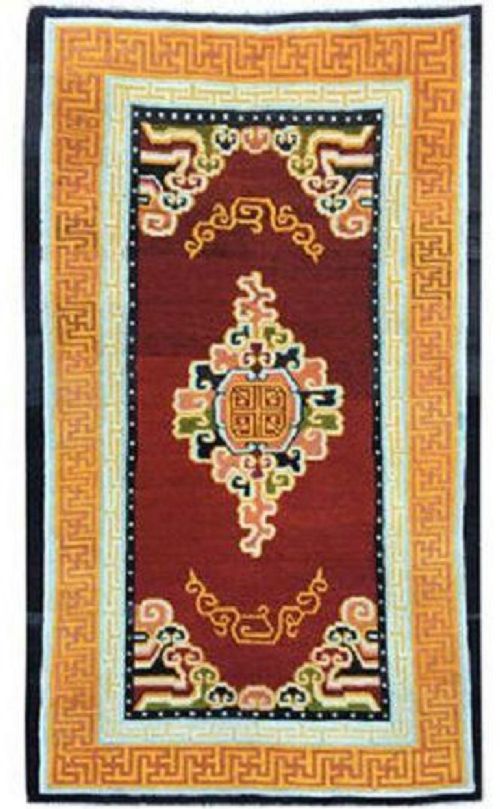
Origins represented on this site include Persian, Caucasian, Anatolian, and Tibetan workshops and tribal regions.
What Varies in Quality
Knot density and structural tightness dictate the crispness of the medallion outline and the longevity of the pile. Higher quality pieces demonstrate precise control over the geometric or floral curves, maintaining uniform tension across the foundation.
The depth and complexity of the dye work separate standard examples from superior ones. Master weavers achieved harmonious tonal variations through skilled use of natural dyes, ensuring the wool ages with a rich patina rather than dulling.
The Wool Medallion Rug Glossary
- Medallion
- The central ornamental design motif placed in the middle of the rug field. It usually takes a geometric, floral, or lobed shape.
- Pile
- The upright yarn loops or cut ends that form the soft surface of the rug. It is traditionally spun from sheep wool or camel wool.
- Warp
- The vertical threads stretched tightly on the loom before weaving begins. The knots are tied directly around these foundation strands.
- Weft
- The horizontal threads passed between rows of knots to secure them in place. They bind the structure together widthways.
- Kelleh
- A large, elongated rectangular format of carpet traditionally used in Persian rooms. It typically measures much longer than it is wide.
Wool Medallion Rug: Frequently Asked Questions
Where should I place a wool medallion rug?
These rugs suit high-traffic living areas, dining spaces, or entrance halls where their dense wool pile absorbs wear. The central medallion demands a placement where furniture does not entirely obscure the primary design.
Smaller runner formats fit narrow hallways, kitchen corridors, or bedside positions. Selecting the right size ensures the central motif remains a visual focal point within the room.
How do I clean an antique wool rug?
Regular gentle vacuuming without a rotating brush roll removes surface grit from the wool pile. Professional specialist cleaning is essential for deep washing to protect natural dyes.
Avoid harsh chemical treatments or excessive water saturation, which can damage the cotton or wool foundation. Prompt blotting of spills prevents staining without disturbing the hand-knotted structure.
How can I tell regional styles apart?
Caucasian and Anatolian examples rely heavily on sharp geometric polygons, primary borders, and bold, contrasting primary colours. Persian and Heriz pieces frequently blend large-scale curvilinear floral motifs with prominent central medallions.
Palettes also offer clues, with specific regions favouring muted earthy tones, rust backgrounds, or soft camel wool fields. Examining the weave structure and knot type helps confirm the origin.
What does camel wool add to a rug?
Camel wool introduces a natural, un-dyed golden or warm brown tone that provides a soft background field. This fibre brings exceptional durability and a distinct texture to tribal village weaves.
Runners and rugs utilising this material often display a subtle, warm lustre that develops a rich patina over decades of use.