



Caucasian Village Carpet
A caucasian village carpet brings bold geometry and rich regional history directly to your floor from nineteenth and early twentieth-century looms.
Caucasian Village Carpet
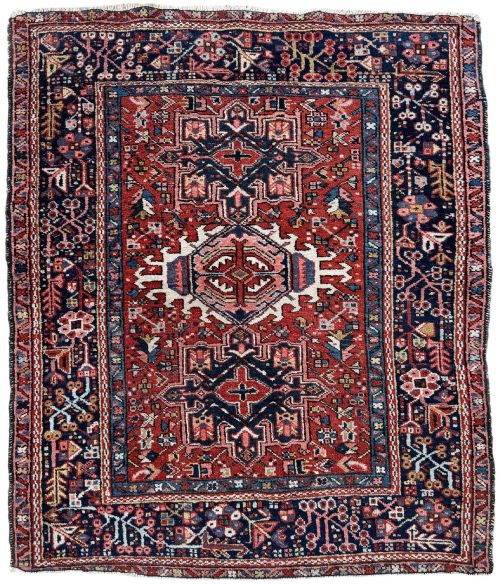
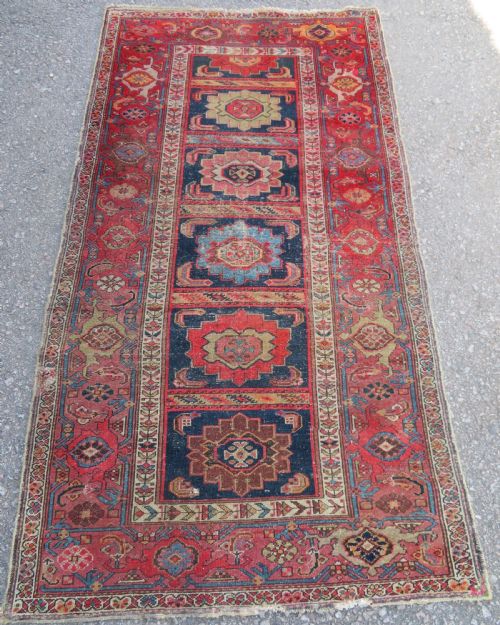
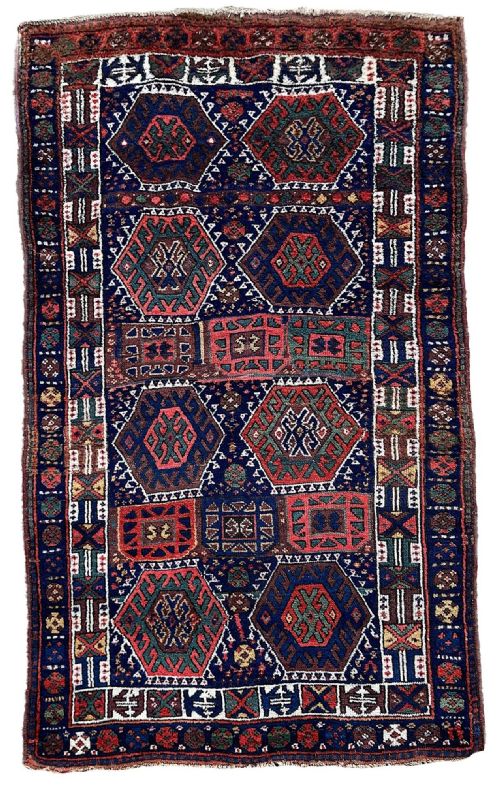
A caucasian village carpet embodies the traditional weaving practices of regions spanning the Caucasus and Northwest Persia, appearing in forms such as area rugs, hallway runners, and prayer rugs. When exploring a caucasian village carpet, buyers encounter distinct regional classifications like Kazak, Shirvan, Gendje, Karadja, and Kurd, spanning production dates from the 1870s through the 1930s. These pieces function primarily as floor coverings with geometric medallions, tribal motifs, and compartmentalised layouts typical of village workshops.
Most examples on this page date from the late nineteenth century to the early decades of the twentieth century, reflecting a period of traditional vegetable dyeing and hand-knotting. Buyers frequently find formats ranging from compact prayer rugs to longer runners and room-sized carpets. The regional attribution often dictates the specific palette, with certain areas favouring bold primary colours and others employing softer earthy tones.
How they were made
Weavers constructed these textiles utilising hand-spun wool for the pile, providing durability and a tactile texture that ages gracefully over decades. Foundations typically incorporate wool or cotton for warps and wefts, creating a sturdy structural grid that supports the dense knotting. Natural dyes provided the characteristic deep reds, blues, and yellows that mellow harmoniously as the wool is exposed to light.
The production relied on vertical looms set up in village homes or local workshops, where makers passed down geometric patterns and tribal symbols through generations. Artisans knotted the wool by hand, occasionally incorporating inscriptions or weaver signatures into the borders of specific pieces. This artisanal process ensures that structural irregularities and subtle colour shifts remain inherent to every surviving rug.
Caucasian Village Carpet Retail Price Guide 2026
Typical asking prices for caucasian village carpet among the pieces listed under this phrase on Sellingantiques today, from the lower quarter to the upper quarter. They describe what is for sale here now, not the wider market.
Materials documented in available inventories consist of wool, cotton, hand-spun wool, and traditional natural dyes.
What varies in quality
Quality in these textiles depends heavily on the crispness of the geometric drawing and the saturation of the natural dyes used across the field. Finer knots per square inch generally allow for sharper delineation of medallions, hooks, and star motifs within regional types like Kazak or Shirvan. The integrity of the foundational wool and cotton also dictates how well the rug withstands modern placement.
The grading of an individual piece relates to the balance of its proportions and the preservation of its original borders and selvedges. Tribal rugs with deeply saturated natural colour palettes and intact structural elements represent the higher tier of survival from this era. Conversely, heavier pile loss or extensive modern intervention alters the original character of the weave.
The Caucasian Village Carpet Glossary
- Kazak
- A prominent classification of Caucasian rug known for bold geometric medallions, primary colours, and sturdy wool construction. These pieces originate from the southern and western regions of the Caucasus.
- Gendje
- A specific Caucasus weaving style frequently recognised by narrow formats, intricate field patterns, and occasionally incorporated prayer niches. They date predominantly to the late nineteenth century.
- Medallion
- A central ornamental design motif placed in the middle of the carpet field, often repeated or flanked by geometric filler ornaments. These shapes form the focal point of many village compositions.
- Runner
- A long, narrow carpet format traditionally utilised in hallways, corridors, or alongside large furniture pieces. These elongated rugs maintain consistent tribal border designs.
- Natural Dyes
- Organic colourants derived from plants, roots, and insects before the widespread introduction of synthetic alternatives. These dyes yield rich, complex hues that develop a desirable patina over time.
Caucasian Village Carpet: Frequently Asked Questions
Where were these carpets made?
These carpets originate from village workshops and nomadic settlements across the Caucasus region, including areas associated with Shirvan, Kazak, Gendje, and Karabagh weaves. Additional pieces hail from Northwest Persian village centres such as Sarab, Karadja, and Bakshaish.
Production took place largely within domestic settings or small community hubs where local families maintained distinct tribal design traditions for generations.
How do I identify different regional types?
Distinguishing regional types relies on examining the specific geometry of the central medallions, border arrangements, and the typical colour palette. For instance, Kazak pieces often feature large hooked polygons, while Shirvan rugs lean towards denser, finer geometric layouts.
Examining the structural materials, such as the twist of the wool and the tension of the foundation, provides further clues to the specific provenance of the weaving.
Can I use these rugs in high traffic areas?
The robust hand-spun wool and sturdy foundation construction allow these historic textiles to handle moderate foot traffic in domestic settings. Placing a quality underlay beneath the rug helps prevent sliding and reduces friction against hard flooring.
Placing them out of direct, continuous sunlight preserves the integrity of the natural dyes and extends the working lifespan of the pile.
How should I clean and maintain my rug?
Routine maintenance involves gentle, regular vacuuming without a rotating beater brush to remove embedded dust particles safely from the wool pile. Professional cleaning by specialists experienced in antique tribal textiles is recommended when deeper washing becomes necessary.
Avoiding excessive moisture and rotating the rug periodically ensures even wear patterns and balanced exposure to ambient light within the room.