
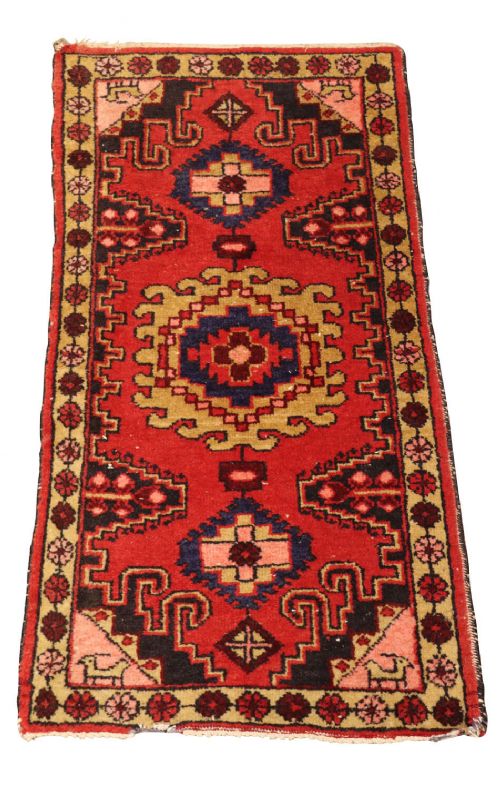
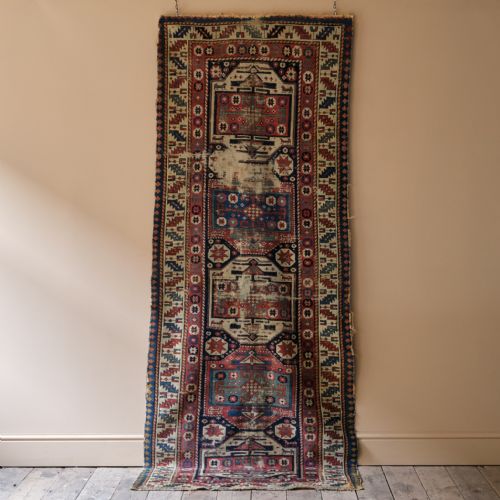
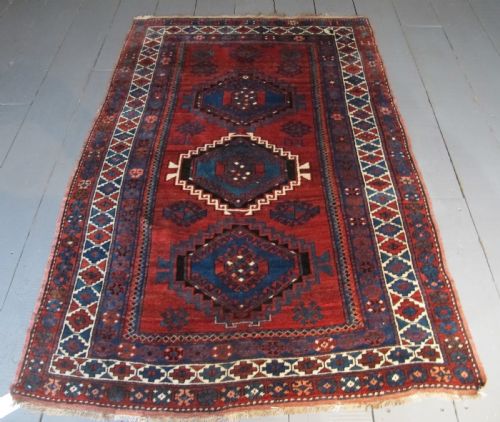


Wool Kazak Runner
A wool kazak runner brings the bold, geometric energy of nineteenth-century Caucasian weaving into a hallway with robust piles and saturated vegetable dyes.
Wool Kazak Runner
A wool kazak runner represents the tribal weaving traditions of the Caucasus region, spanning periods from the mid-nineteenth century into the early twentieth century. These narrow carpets were traditionally woven by village weavers using sturdy formats designed to handle heavy foot traffic.
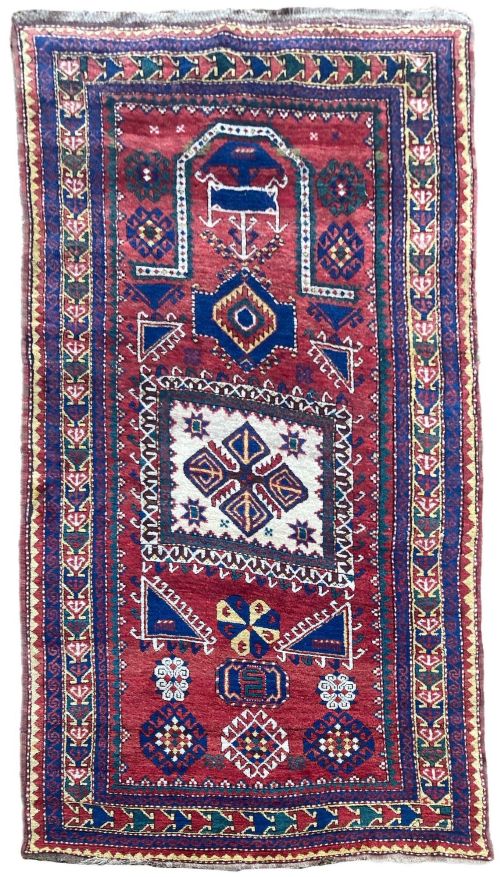
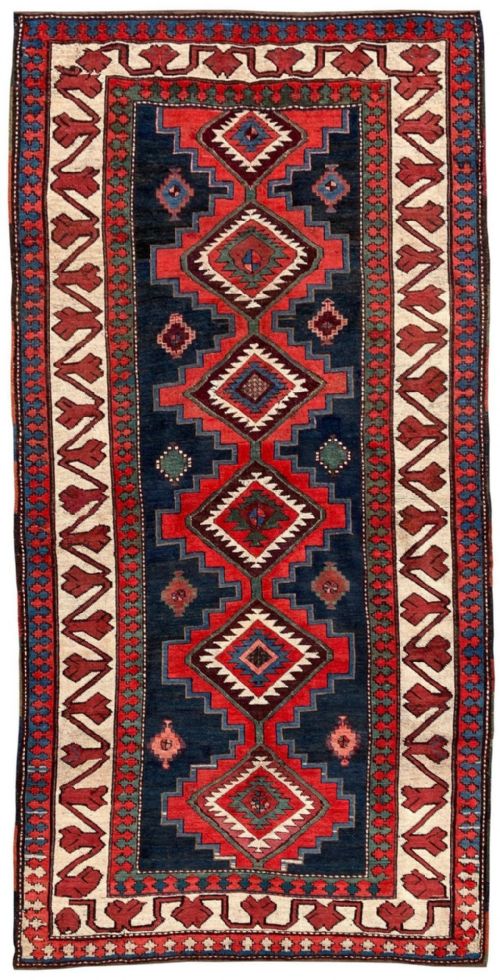
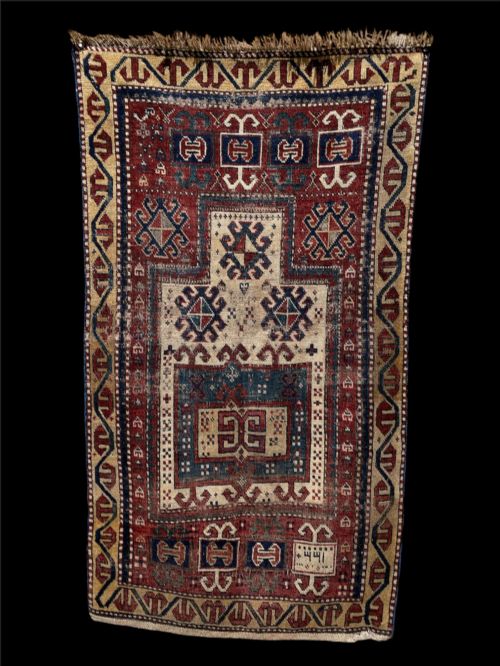
The pieces encountered on this page display distinct regional subgroupings such as Gendje, Moghan, and Fachralo. Their formats range from traditional long runners to elongated tribal rugs featuring bold geometric medallions, animal motifs, and repeating boteh patterns.
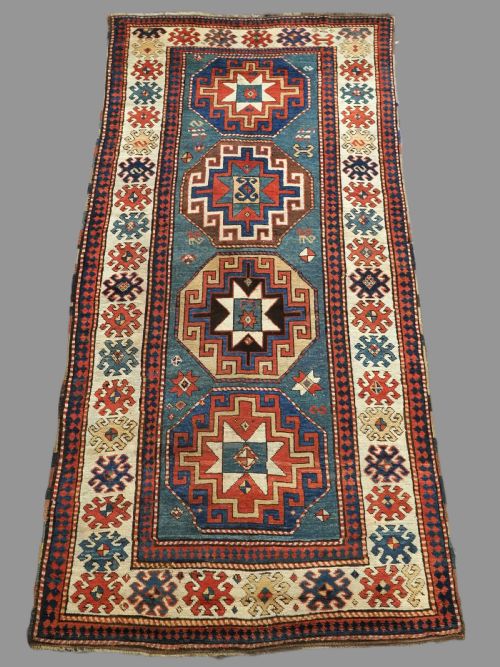
Makers often drew upon centuries of tribal symbolism, resulting in pieces decorated with latch hooks, Memling guls, and striking multi-medallion layouts. The resulting floor coverings combine folk art charm with a durable construction suited to functional spaces.
Materials and construction
Construction relies upon hand-spun wool for both the pile and the foundational warps and wefts, occasionally supported by cotton elements. This resilient wool takes natural dyes deeply, yielding rich colour variations that mature gracefully over decades of use.
Weavers knotted the wool by hand onto sturdy foundations, creating dense, durable surfaces capable of withstanding generations of wear. The reliance on natural dyestuffs produces varied hues, from scarce blue and yellow grounds to deep reds and earthy tones.
Listings feature pieces spanning from the mid-nineteenth century through the 1930s, utilising hand-spun wool and natural dyes.
Evaluating quality and execution
Quality in a wool kazak runner is determined by the clarity of the geometric drawing and the saturation of the natural dyes. Tighter knotting and precise execution of complex motifs like hooked medallions separate finer tribal examples from simpler village work.
The vibrancy and preservation of the palette heavily influence the desirability of each piece. Surviving examples with uncommon ground colours and minimal pile loss demonstrate superior longevity and material integrity.
The Wool Kazak Runner Glossary
- Kazak
- A term applied to rugs woven in the Caucasus region, known for geometric designs and saturated primary colours. These pieces often feature bold medallions and tribal motifs.
- Boteh
- A stylised almond or paisley motif representing a seed or floral sprout. It appears frequently in repeating rows across Caucasian runners.
- Memling gul
- An octagonal guls or medallion featuring hooked appendages extending from the sides. Named after the fifteenth-century painter who depicted similar rugs in his artwork.
- Latch hook
- A stepped, triangular geometric ornament extending from the edges of medallions or borders. This motif is a defining characteristic of Caucasian tribal weaving.
- Prayer rug
- A small rug featuring a directional mihrab or arch design at one end. Historically used for ritual prayer, these pieces are collected for their focused iconography.
Wool Kazak Runner: Frequently Asked Questions
Where were wool kazak runners made?
These runners were produced by tribal and village weavers across the Caucasus region during the nineteenth and early twentieth centuries. Each district, including Gendje and Moghan, developed distinct local variations in palette and geometric drawing.
Local workshops utilised native materials and handed-down traditions, creating rugs that reflect the specific cultural heritage of their mountainous origins.
How do I care for an antique runner?
Vacuum the rug gently using suction only, avoiding beater bars that can damage historic hand-spun wool piles. Rotate the piece periodically to ensure even wear from foot traffic in corridors.
Professional cleaning tailored to antique textiles helps maintain the stability of natural dyes and foundational wool fibres over time.
What motifs appear on these rugs?
Designs typically centre on bold geometric medallions, latch hooks, and repeated Memling guls arranged along a narrow field. Some examples incorporate animal figures, human representations, and diagonal stripes characteristic of regional folk art.
These symbols held deep meaning for the tribal weavers, serving both as protective amulets and decorative storytelling elements.
How do I date an older runner?
Dating relies on assessing the materials, particularly the presence of hand-spun wool and early natural dye palettes that predate synthetic aniline colours. Structural clues such as irregular selvages, weave density, and regional design traits help narrow the period of origin.
Most surviving examples date from the nineteenth century up to the early twentieth century, reflecting the peak era of traditional Caucasian village production.