






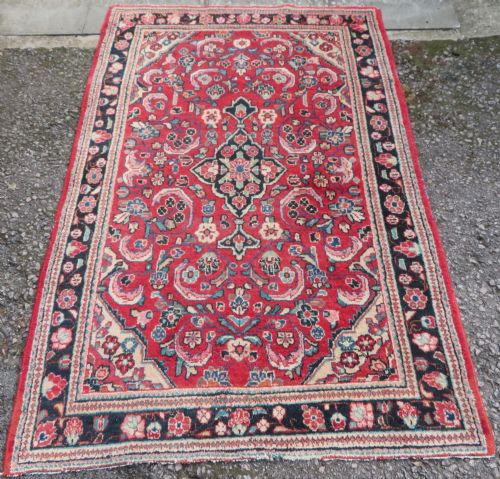
Wool Area Runner
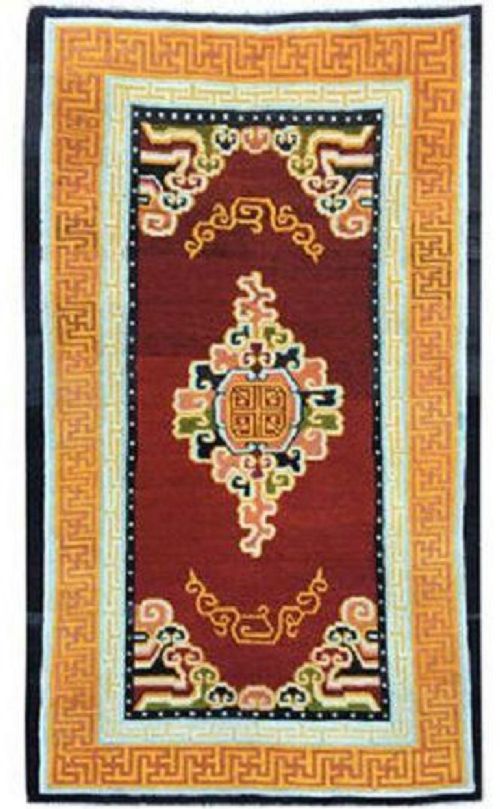
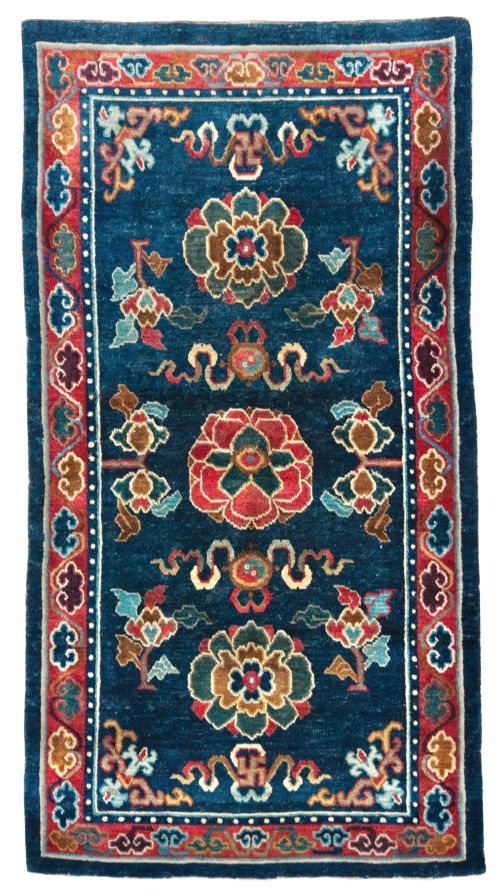
A wool antique area runner anchors a hallway or narrow floor with dense pile and centuries of woven tradition.
Wool Area Runner
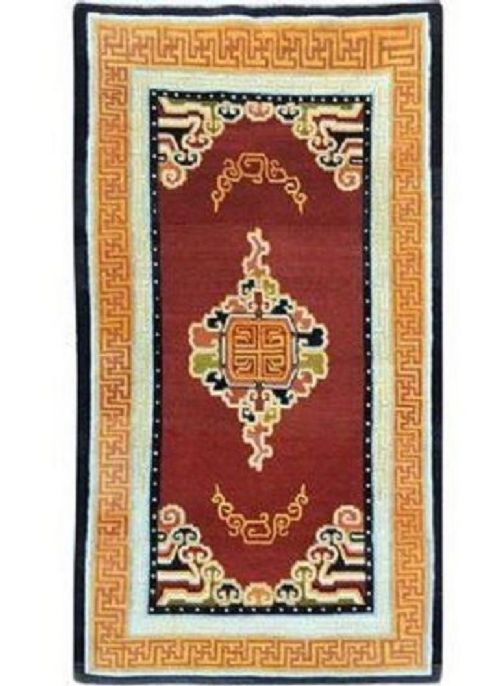
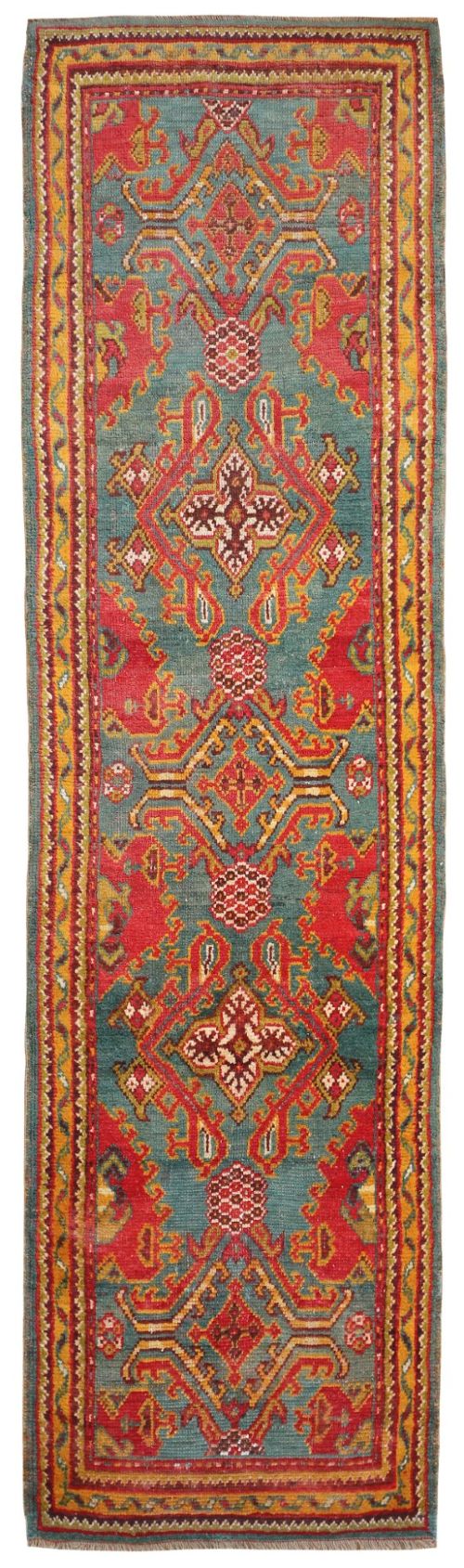
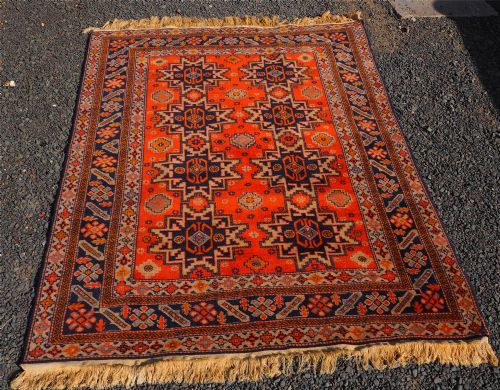
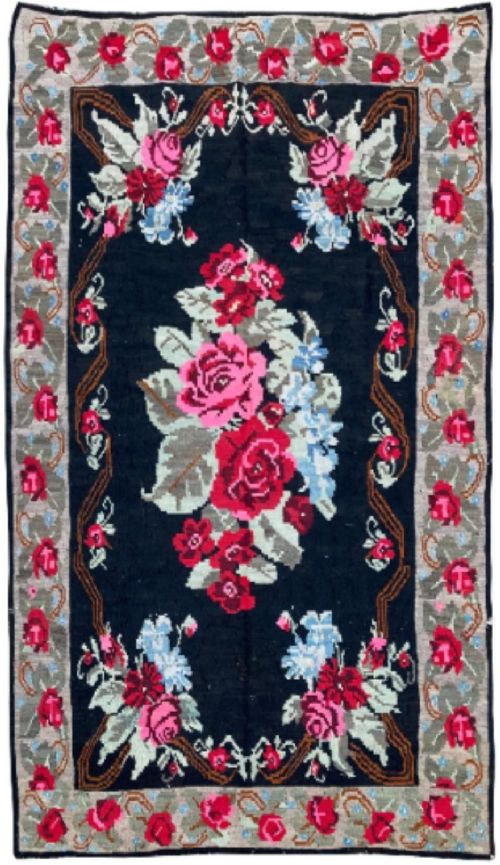
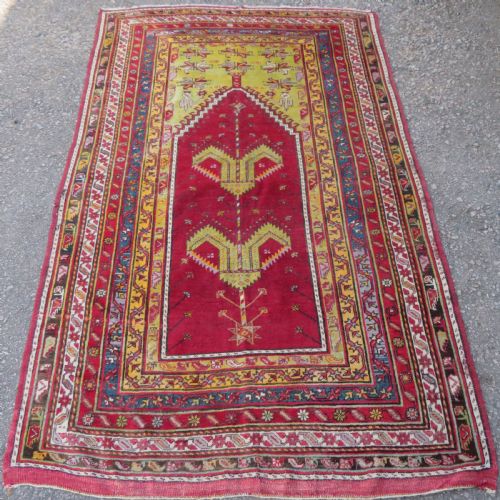
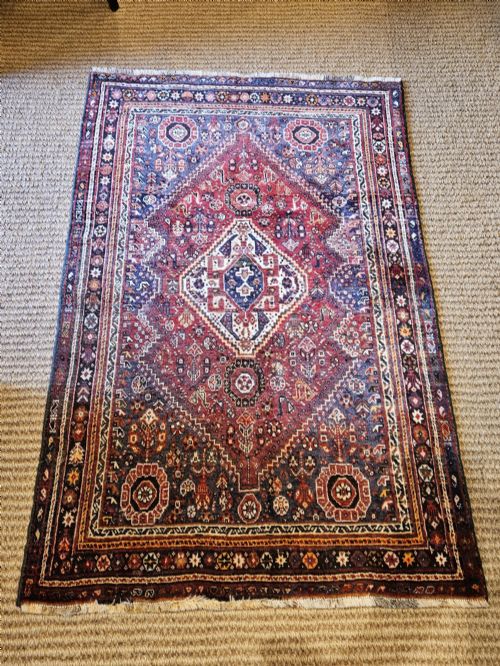
A wool antique area runner is a long, narrow floor covering created to fit hallways, corridors and galleries. These pieces draw from Persian, Caucasian and Tibetan traditions, spanning the nineteenth and early twentieth centuries. The selection includes specific tribal works such as Baluch, Kazak, and Kurdish weaves.
Makers shaped these long formats for utilitarian domestic spaces, utilising sturdy structures to withstand heavy foot traffic. Buyers encounter formats ranging from room-sized carpets down to narrow runners and hearth-sized rugs. Origins stretch across Central Asia, Turkey, Persia and the Caucasus.
How they were made
Weavers utilised hand-spun wool and occasional camel hair, knotted or flatwoven over cotton foundations. Natural dyes provided the foundational palette, yielding mellow tones that soften gracefully over decades of use.
Nomadic and village workshops constructed these textiles on vertical or horizontal looms. Artisans integrated regional motifs such as guls, medallions and prayer mihrabs directly into the dense wool pile.
Object types recorded across the inventory range from small prayer rugs and hearth-sized mats to long runners and room-sized carpets.
What varies in quality
Quality rests upon knot density, handle flexibility and the integrity of the foundation yarns. Tightly packed knots create resilient structures that maintain structural stability over generations.
The choice and execution of natural dyes dictate visual depth, separating masterwork pieces from simpler village outputs. Balanced proportions and crisp drawing within tribal motifs elevate a piece above standard utility grades.
The Wool Area Runner Glossary
- Runner
- A long, narrow carpet designed specifically for hallways, staircases and corridors. These formats connect larger rooms and suit linear spaces.
- Mihrab
- A niche design element found on prayer rugs, representing the direction of Mecca. Weavers position this arch motif to direct the user during prayer.
- Gul
- A repeating medallion or floral-like octagonal stamp common in Central Asian and Baluch weaving. These motifs identify specific tribal groups and regional workshops.
- Kilim
- A flatwoven textile produced without a raised pile. These lightweight pieces serve as versatile floor coverings or decorative hangings.
- Natural Dyes
- Colourants extracted from roots, plants, insects and minerals prior to the introduction of synthetics. These materials produce nuanced patinas as they age.
Wool Area Runner: Frequently Asked Questions
How do I place a runner?
Runners suit narrow spaces such as hallways, corridors, kitchens and bedside areas where standard rectangular carpets fail to fit. They guide movement through a home while protecting timber or stone flooring from wear.
Ensure adequate clearance for doors to swing open above the pile height. Underlays prevent slipping on smooth surfaces and extend the longevity of older wool foundations.
How do I clean an old wool rug?
Gentle, regular suction without a rotating brush bar removes embedded dust from the wool pile. Professional specialist cleaning remains necessary for deep washing to protect natural dye stability.
Avoid harsh chemical detergents and excessive moisture. Air drying flat prevents distortion of the foundation warps and protects fragile selvedges.
How do I identify tribal designs?
Tribal designs display geometric motifs, repeating guls and asymmetrical layouts characteristic of nomadic groups rather than urban court workshops. Weavers from regions like the Caucasus or Baluchistan relied on memory and tribal tradition rather than paper cartoons.
Look for saturated natural dye palettes, idiosyncratic errors in symmetry, and coarser, honest wool textures. These traits distinguish authentic village weaving from mass-produced commercial reproductions.