


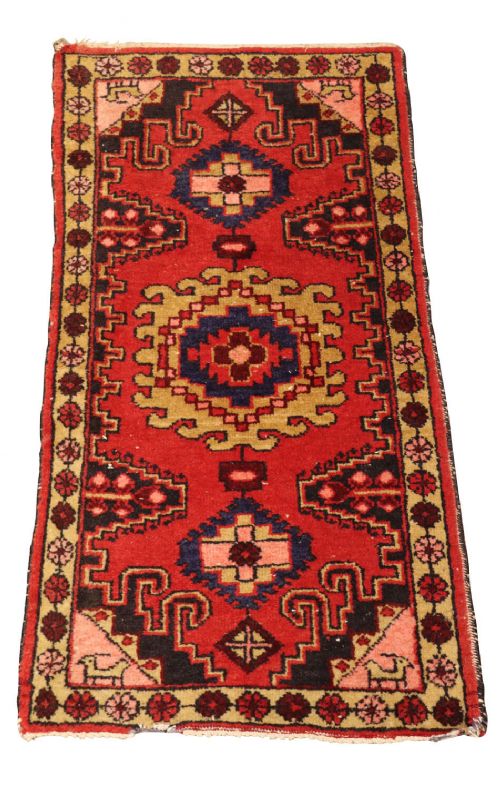


19th Century Runner Rug
A 19th century runner rug brings narrow proportions and tribal motifs to a hallway, offering durable wool and authentic historic dye work.
19th Century Runner Rug
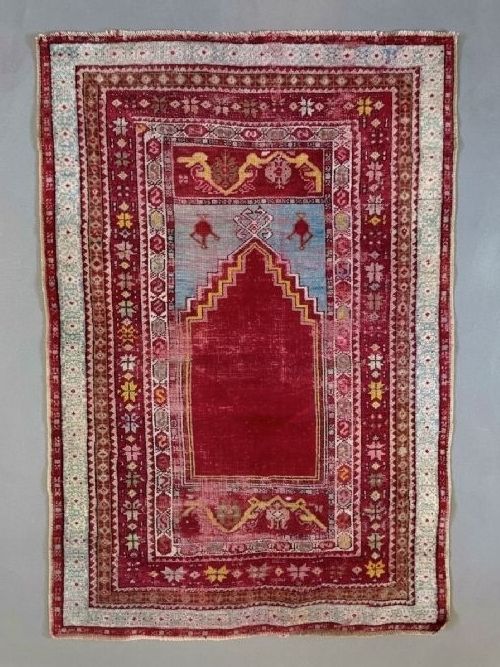
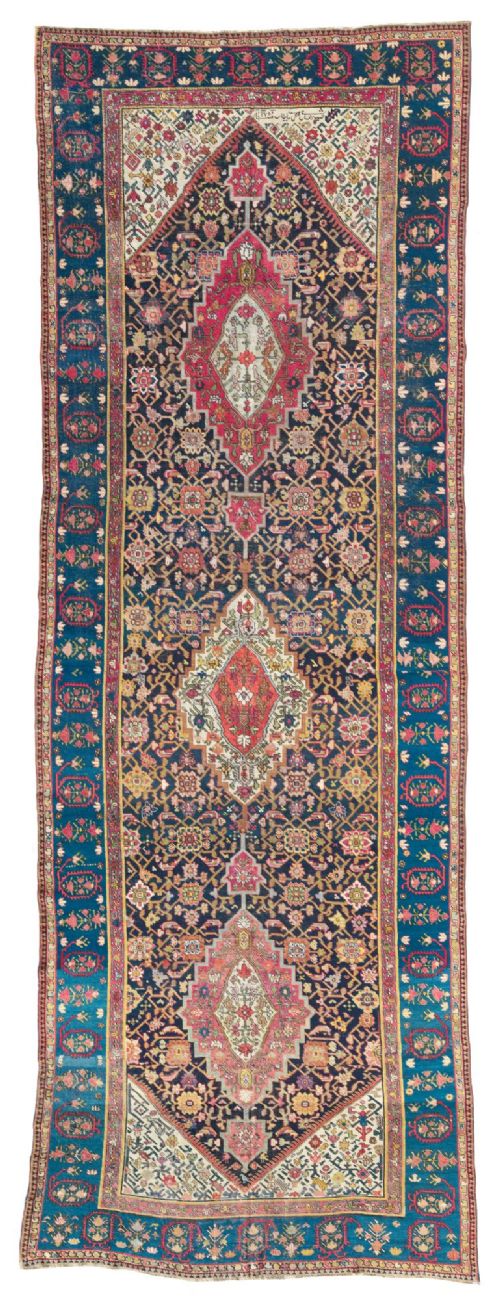
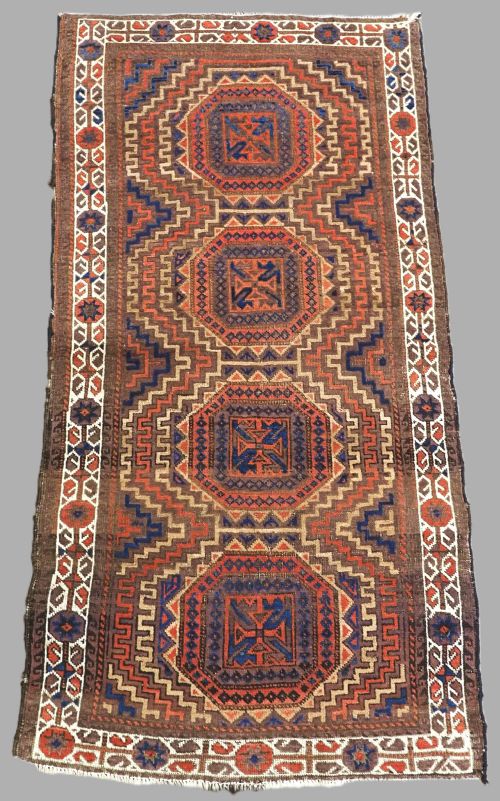
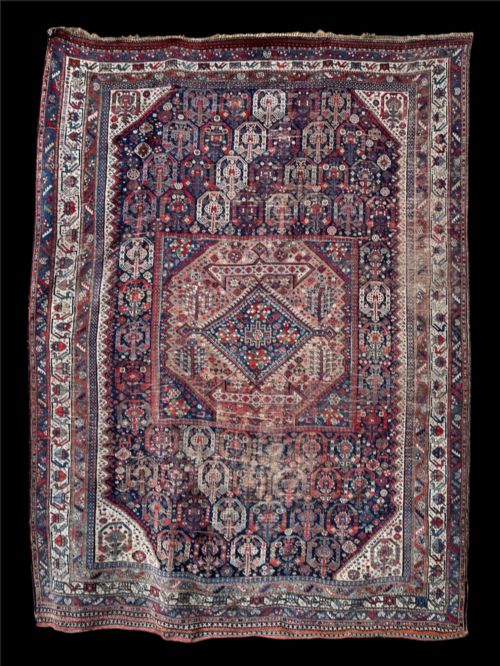
Buyers exploring a 19th century runner rug encounter long, narrow formats specifically woven for corridors, hallways, and gallery spaces. These floor coverings emerge from diverse regional traditions, including Caucasian weaving centres, Persian tribal confederacies, and Central Asian workshops.
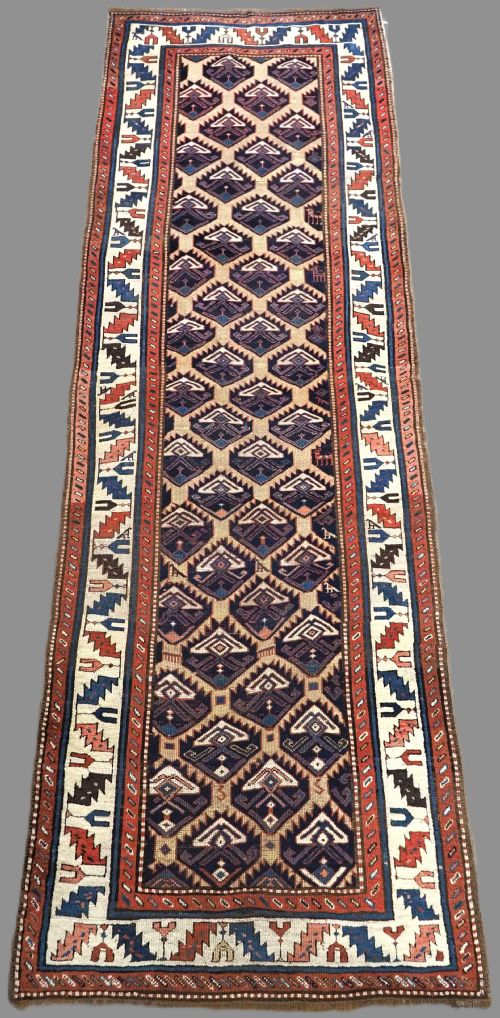
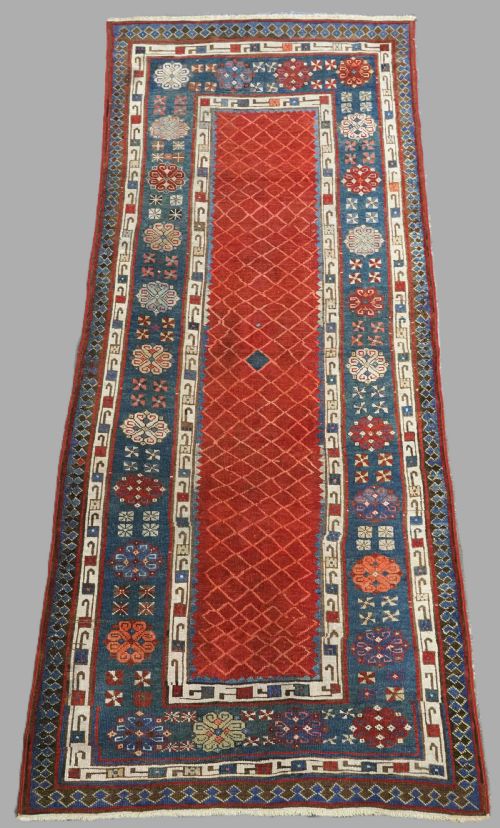
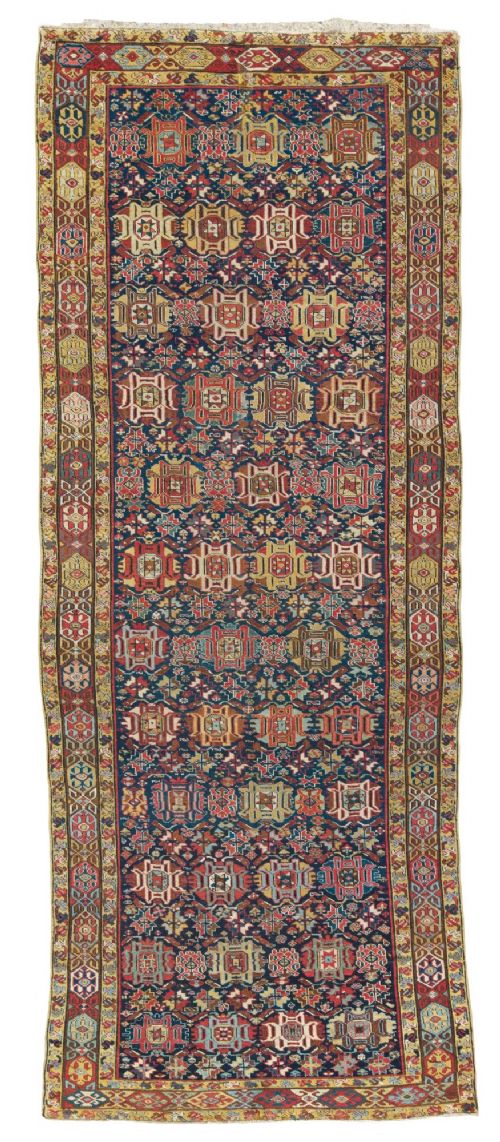
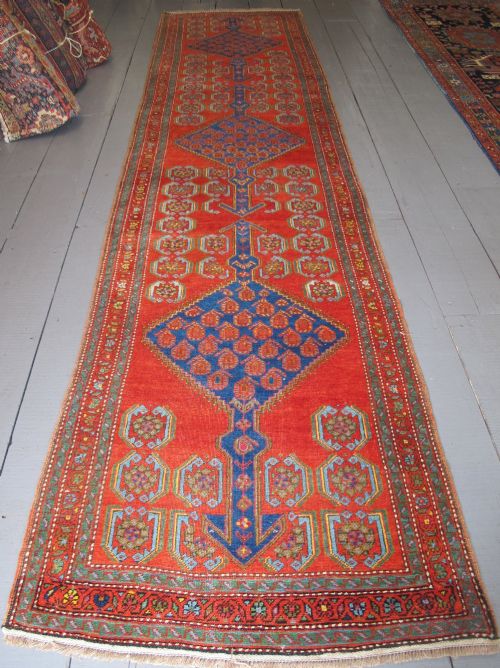
The pieces on this page span several decades of the nineteenth century, featuring specific regional identities such as Talish, Gendje, Bakshaish, and Fereghan. Forms range from full gallery carpets and long rugs down to specialised corridor runners with repeating lattices and geometric medallions.
Many items display strong tribal characteristics, incorporating animal motifs, lattice designs, and field patterns derived from nomadic heritage. Each weaving reflects the specific cultural geometry and palette of its origin, whether originating in the Caucasus, Persia, or Anatolia.
Materials and construction methods
Weavers constructed these long floor coverings primarily using hand-spun wool for the pile, foundation warps, and wefts, occasionally incorporating cotton or goat hair for structural stability. Certain regional pieces also integrate silk and metallic thread highlights to accentuate specific design elements within the field.
Makers relied on natural dyes to colour the wool, yielding rich tones that soften gradually over decades of exposure and use. Artisans bound the materials through hand-knotting techniques or flatweave methods, producing durable structures designed to withstand heavy foot traffic in domestic hallways.
The listings feature diverse materials including hand-spun wool, cotton, goat hair, silk, and metallic thread across multiple nineteenth-century decades.
Distinctions in weaving standard
Quality separates along the precision of the knotting and the complexity of the foundational weave, where tighter structures yield sharper geometric definitions. Master weavers achieved finer resolution in lattice patterns and animal motifs through superior control over their hand-spun materials.
The purity and depth of the natural dyes significantly influence the visual hierarchy of these long carpets. Examples retaining vibrant, stable indigo blues and madder reds alongside balanced secondary shades represent the higher echelon of historic textile production.
The 19th Century Runner Rug Glossary
- Kelleh
- A large format rectangular carpet, typically longer than a standard room rug but wider than a corridor runner. These grand pieces frequently anchor formal spaces in traditional Persian interiors.
- Torba
- A small storage bag or trapping produced by Turkmen and other nomadic groups, often featuring characteristic guls. Collectors prize surviving fragments for their dense knotting and miniaturised tribal iconography.
- Gul
- A medallion or repeating octagonal motif used extensively in Turkmen and Baluch tribal weaving. Each pattern often identifies the specific clan or nomadic sub-group that produced the textile.
- Lattice
- A repeating grid network of diagonal lines spanning the field of the rug. This geometric framework typically encloses floral sprays, small animals, or stylized botanical motifs.
- Kilim
- A flatwoven textile produced without a raised pile by tightly interweaving warp and weft strands. These lightweight pieces serve as versatile floor coverings, covers, or wall hangings.
19th Century Runner Rug: Frequently Asked Questions
Where were these long rugs placed?
Weavers originally created narrow floor coverings to line long corridors, spacious hallways, and grand gallery spaces within traditional homes. Their elongated proportions also suited placement alongside large pieces of furniture or across transitional areas.
Nomadic and village weavers adapted these formats to fit the architectural constraints of tents and regional dwellings. Today, their dimensions serve the exact same spatial purpose in modern corridors.
How do I identify a Caucasian runner?
Caucasian pieces typically display crisp, geometric medallion structures, bold lattice fields, and strong primary colours like indigo blue and red. Artisans working in the Caucasus favoured angular motifs and distinct border arrangements.
These rugs often feature narrower proportions and stiffer wool foundations compared to their Persian counterparts. Examining the specific drawing of animal motifs helps confirm a Caucasian origin.
Are natural dyes easy to spot?
Natural dyes derived from plants, roots, and insects present a complex, nuanced palette that develops subtle abrash variations across the wool pile. These organic colours absorb light differently than synthetic aniline alternatives introduced later.
Over long periods, natural dyes mellow gracefully into harmonious secondary tones without losing their underlying depth. Experienced collectors look for this characteristic patina across the entire surface.
How should I care for historic wool?
Historic wool requires gentle, regular vacuuming without a rotating power brush to prevent pulling the hand-spun pile or damaging the foundation. Professional specialist cleaning remains essential for maintaining the integrity of natural dye work.
Placing a breathable, high-grade underlay beneath the textile prevents slipping and reduces friction against hard flooring. Keeping the piece away from direct, prolonged sunlight preserves the original coloration.