


Wooden Wall Storage
Wooden wall storage brings together centuries of practical cabinetry, offering fitted corners and hanging spaces that tidy a room with traditional craft.
Wooden Wall Storage
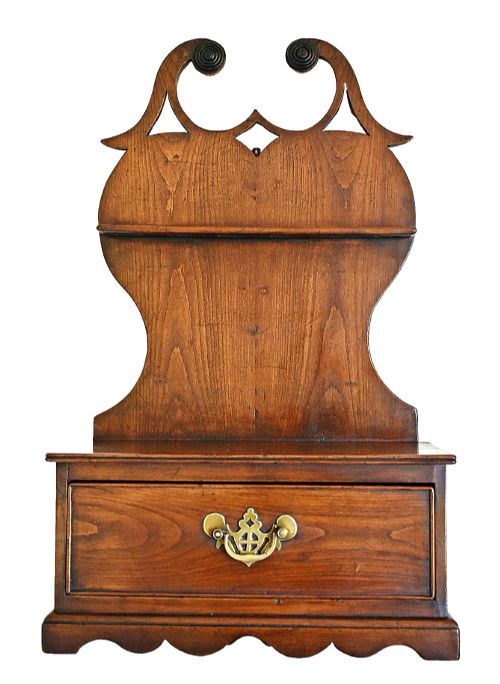
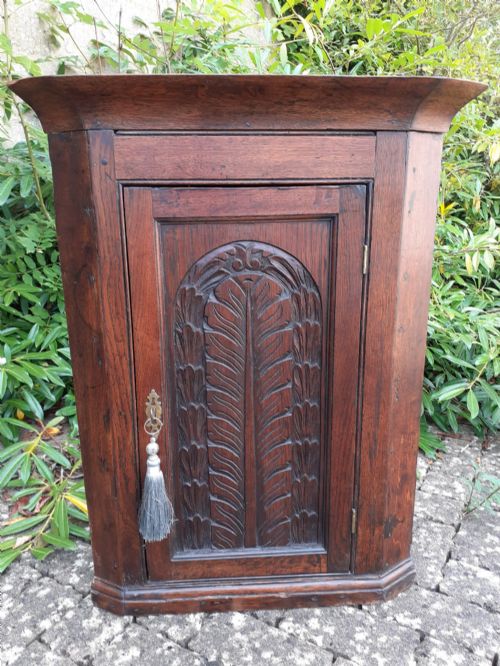
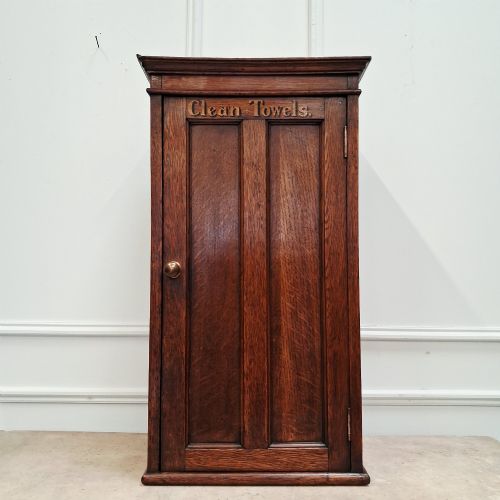
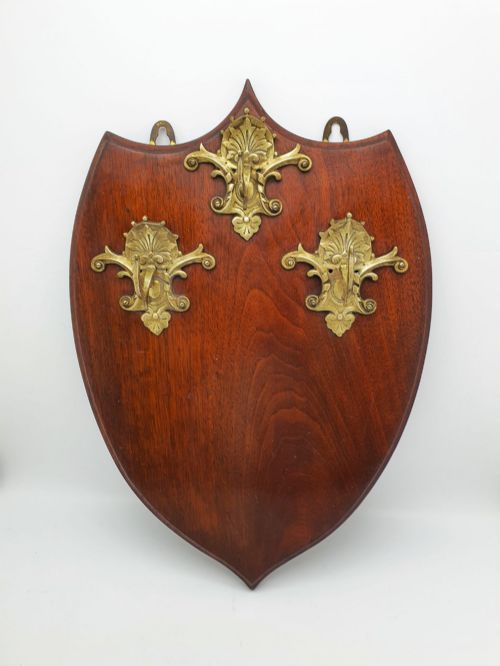
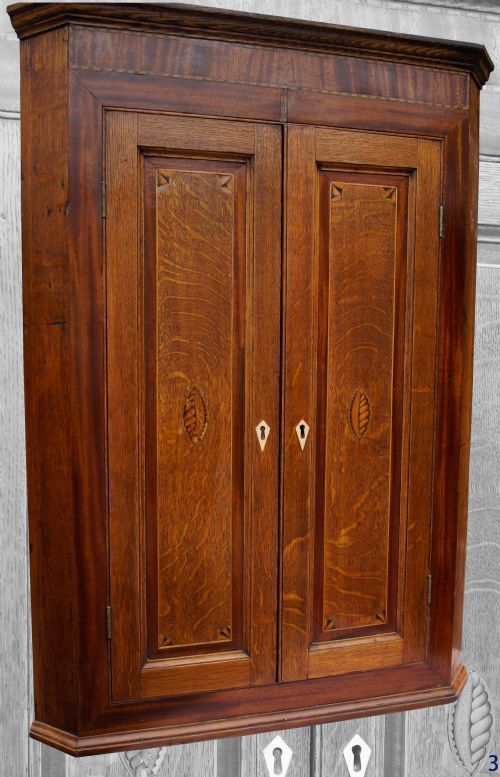
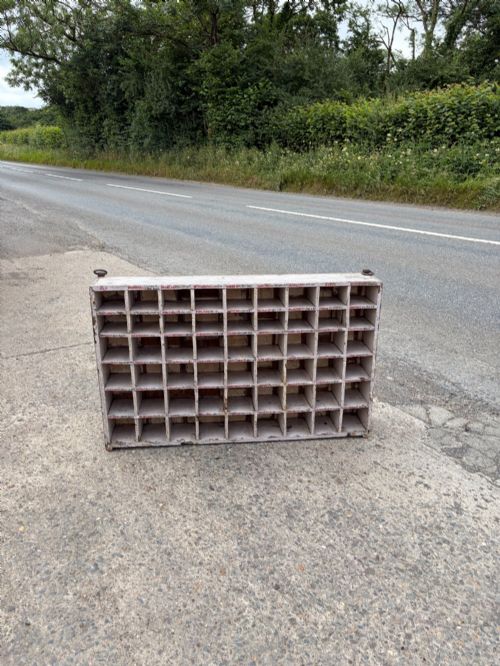
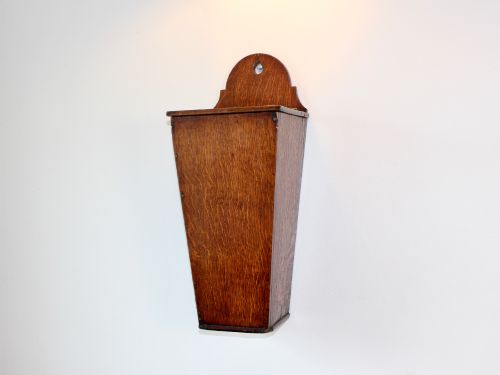
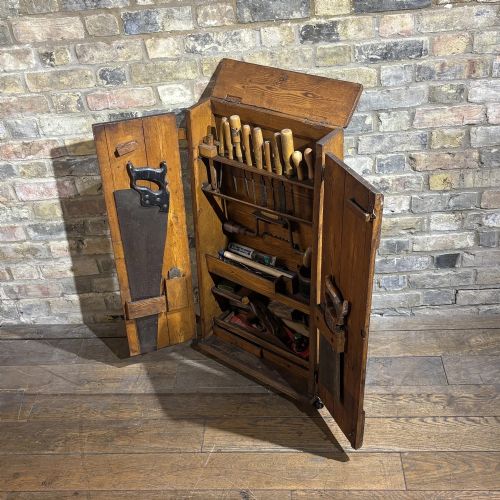
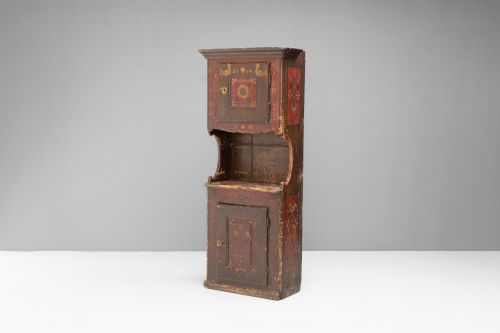
When you search for wooden wall storage, you encounter a wide selection of compact cabinets, corner cupboards, and hanging shelves designed to utilise vertical space without crowding a room. These pieces range from eighteenth-century oak spice cupboards and candle boxes to nineteenth-century mahogany corner cupboards and industrial pigeon holes.
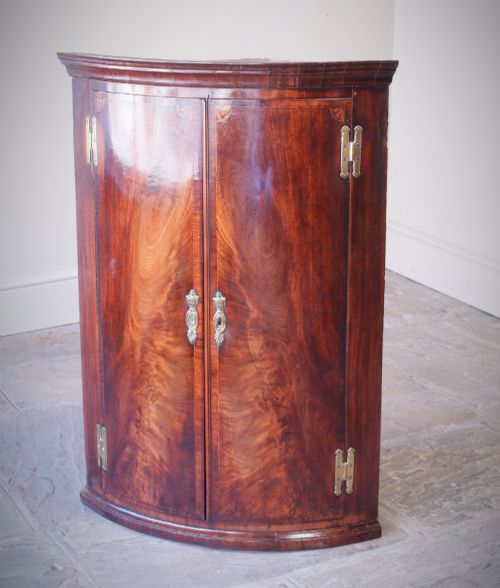
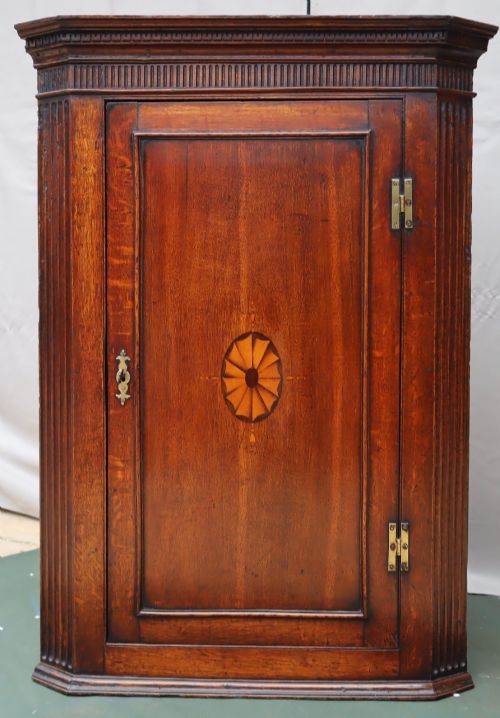
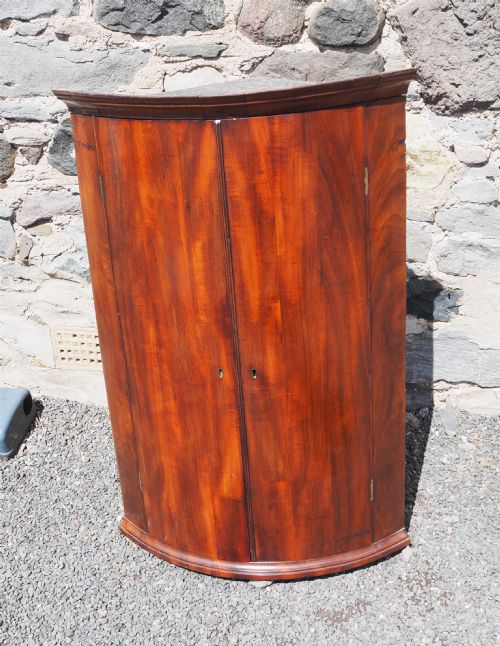
The version you are most likely to meet on this page is the Georgian or Victorian oak or mahogany corner cupboard, often built with a bow front to fit neatly into a room junction. Alongside these, wall-mounted racks for coats and small compartments for keys or tickets appear frequently.
Origins stretch across English country workshops, French provincial houses, and Italian interiors, showing how different regions solved the universal problem of keeping domestic items organised off the floor. From rustic pine to figured satinwood, these hanging containers preserve the utilitarian ingenuity of past centuries.
What varies in quality
Quality rests primarily on the choice of timber and the precision of the cabinet work, distinguishing simple utilitarian boxes from finer parlour pieces. Thick, well-figured mahogany or quartersawn oak with undisturbed patination sits at the higher end, while simpler pine and utilitarian utility items occupy a more functional tier.
The integrity of original brass hardware, surviving hinges, and untouched structural joints dictates whether a piece retains its historical character. Subtle details such as fine cockbeading around drawers, well-executed bow fronts, and clean interior pigeon holes elevate the standard of construction.
Wooden Wall Storage Retail Price Guide 2026
Typical asking prices for wooden wall storage among the pieces listed under this phrase on Sellingantiques today, from the lower quarter to the upper quarter. They describe what is for sale here now, not the wider market.
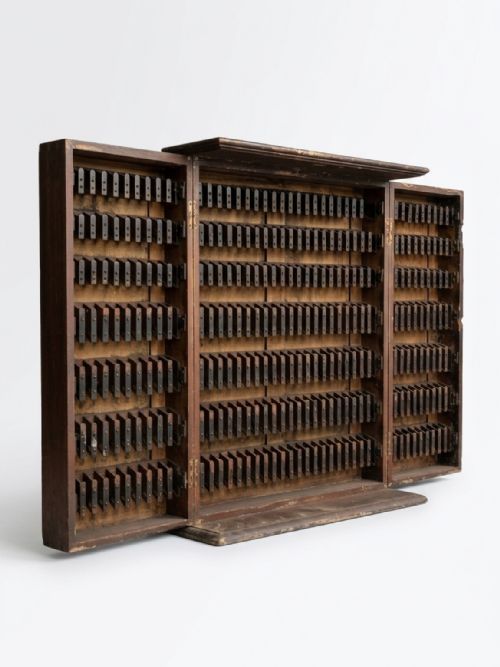
Night porters once kept their keys organised in specialised wall cabinets designed to secure the hotel while everyone else slept.
The Wooden Wall Storage Glossary
- Bow Front
- A convex, curved front on a cabinet or cupboard that softens sharp angles and projects outward into the room. This shape was particularly popular on corner cupboards during the Georgian period.
- Spice Cupboard
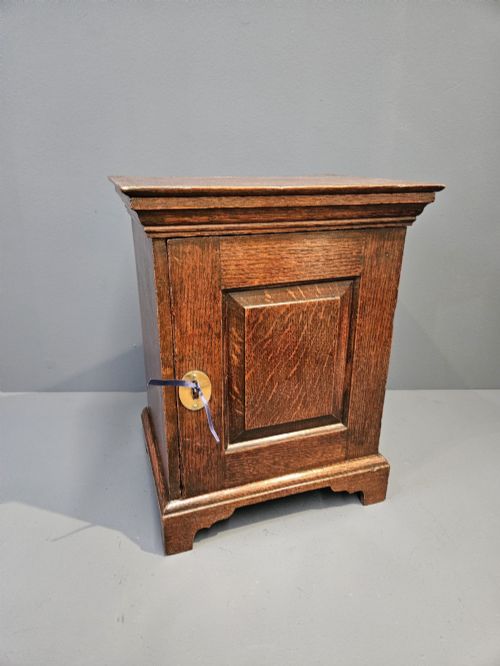
- A small wall-hanging cabinet fitted with internal drawers or shelves historically used for storing valuable spices and herbs. These compact pieces often feature panelled doors and fine period joinery.
- Treen
- Small handmade wooden domestic objects and utensils created before the widespread use of plastics and metalware. Items such as candle boxes fall into this tactile category of everyday wooden items.
- Pigeon Holes
- A grid of small rectangular compartments designed for sorting papers, letters, or tickets. Industrial and office versions from the nineteenth and twentieth centuries appear frequently in wall storage selections.
- Escutcheon
- A protective plate surrounding a keyhole, usually fashioned from brass or iron. It prevents the wood around the lock from splitting with repeated use.
Wooden Wall Storage: Frequently Asked Questions
How do I hang an antique corner cupboard?
Most hanging corner cupboards utilise strong internal fixing blocks or robust metal brackets screwed securely into the back frames. Because period timbers are heavy, anchoring directly into wall studs or using heavy-duty masonry fixings is essential.
Distributing the weight evenly ensures the antique carcase remains square and the door aligns correctly within its frame over time.
Were corner cupboards built into rooms?
Many corner cupboards were specifically constructed as freestanding hanging units designed to be mounted onto finished plaster walls rather than built directly into architectural framework. This allowed households to move them or take them along when relocating.
Their triangular footprint made them exceptionally efficient for utilising dead space in smaller rooms without obstructing pathways.
How do I clean antique oak and mahogany?
Maintenance requires nothing more complicated than a soft, dry cloth to remove dust from carved details and panelled surfaces. Avoid modern silicone sprays, opting instead for traditional beeswax applied sparingly to nourish dry period timber.
Buffing gently after application preserves the natural lustre and builds up the historical patina accumulated over generations.
What was a candle box used for?
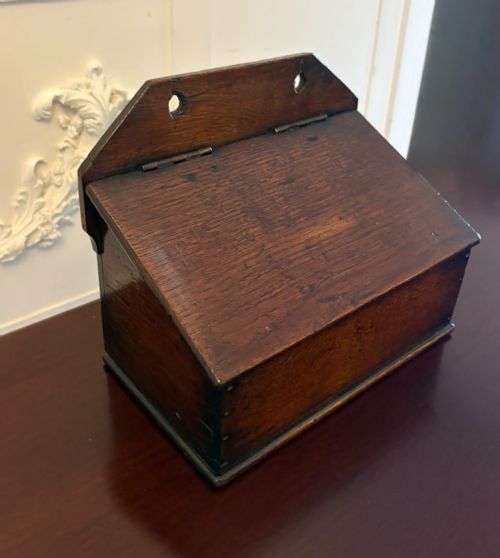
Candle boxes were wall-hanging wooden containers designed to keep valuable tallow or beeswax candles safe from household pests, dust, and dampness. They usually featured a hinged lid and a shaped backboard with a hanging hole.
Placed near doorways or fireplaces, they provided immediate access to light before artificial illumination became common.