
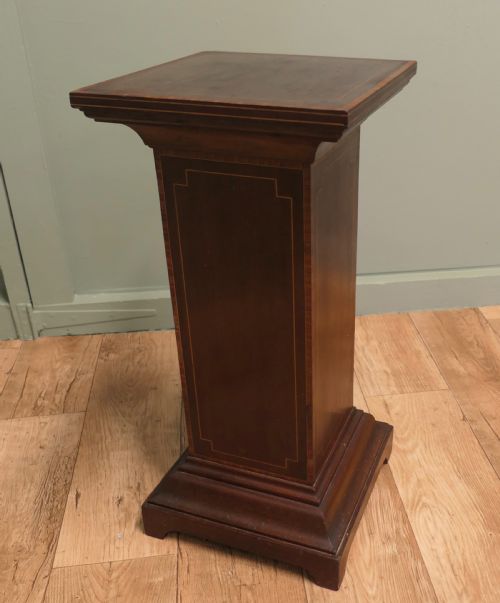
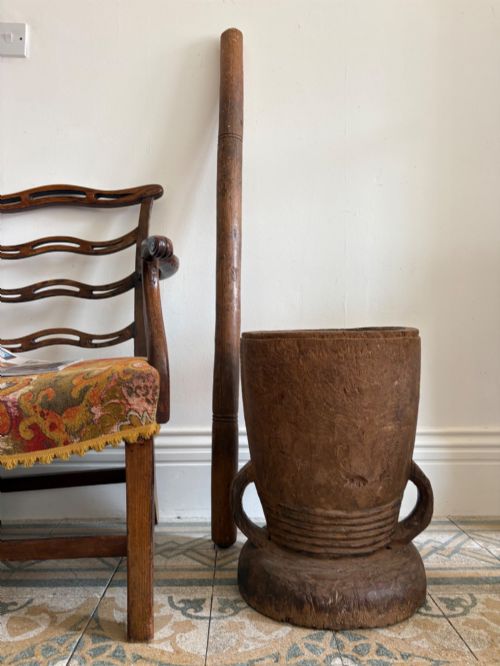
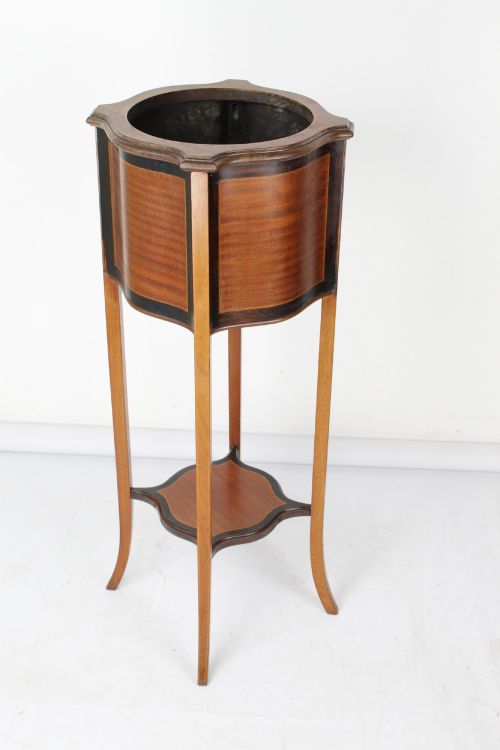
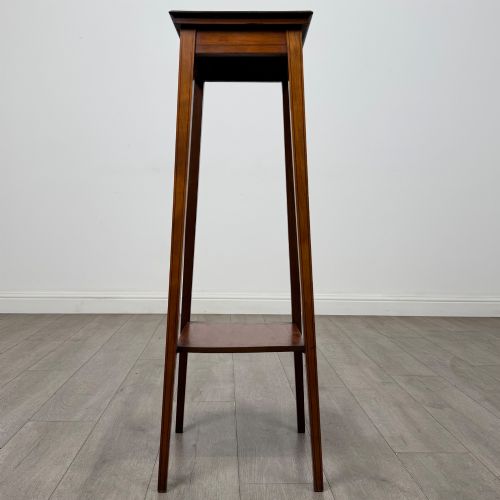
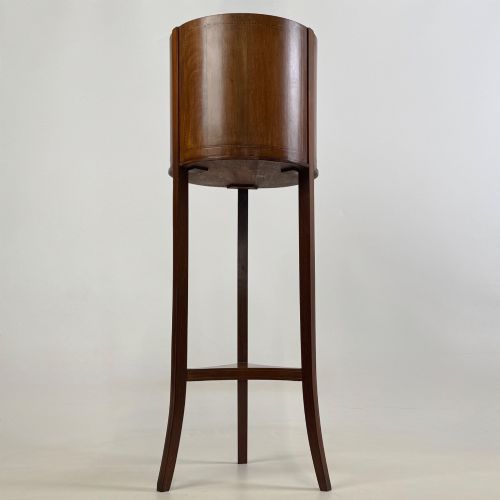
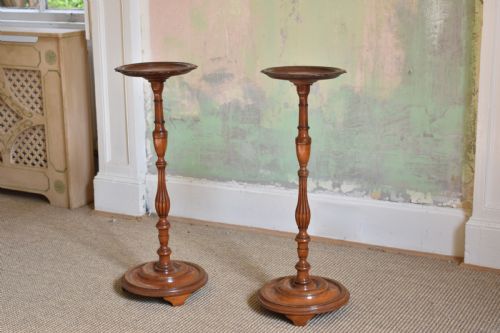
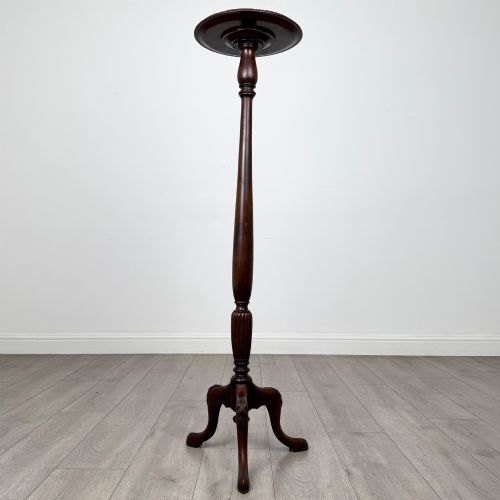
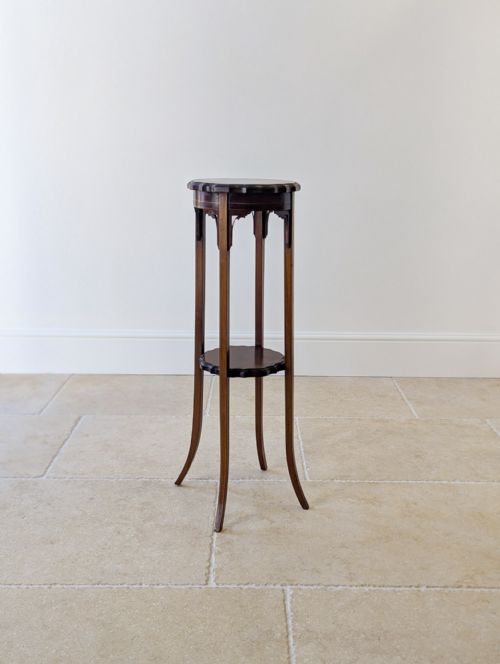
Wooden Urn Pedestal
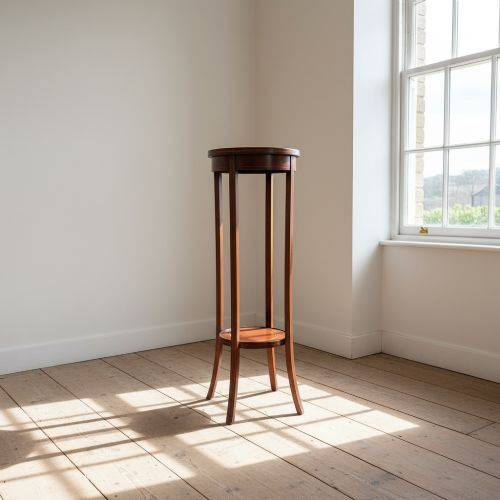
A wooden urn pedestal elevates a classical vessel or plant, bringing sculptural height and architectural presence to a room.
Wooden Urn Pedestal
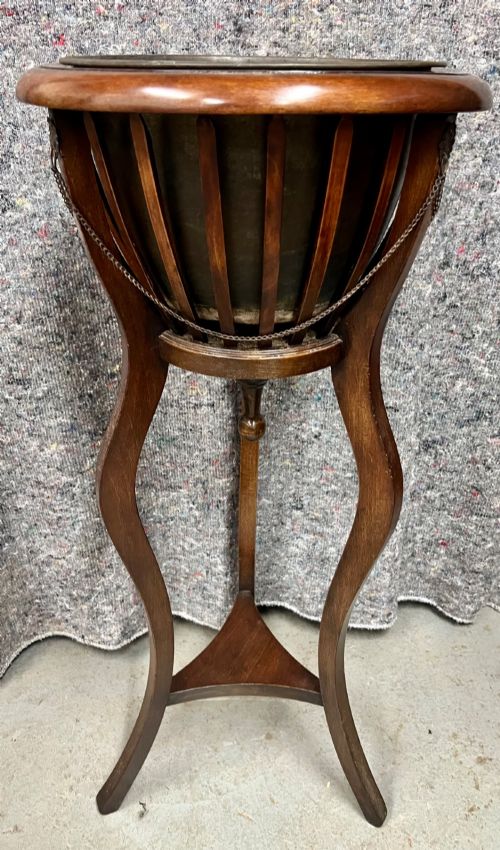
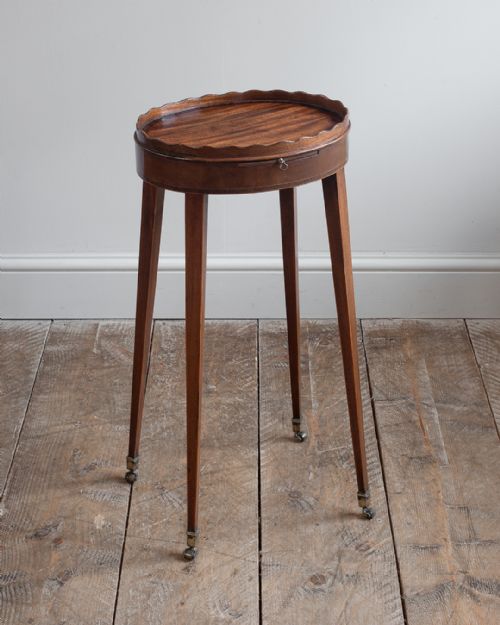
A wooden urn pedestal functions to raise decorative vessels, lamps, and plants within domestic interiors, encompassing forms such as torchères, plant stands, and occasional tables. These pieces appear across multiple historical periods, including the Georgian, Victorian, and Edwardian eras, reflecting changing tastes in interior display.
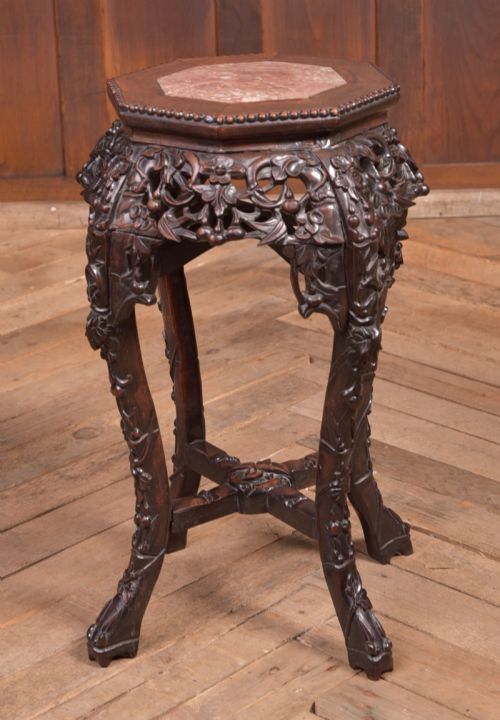
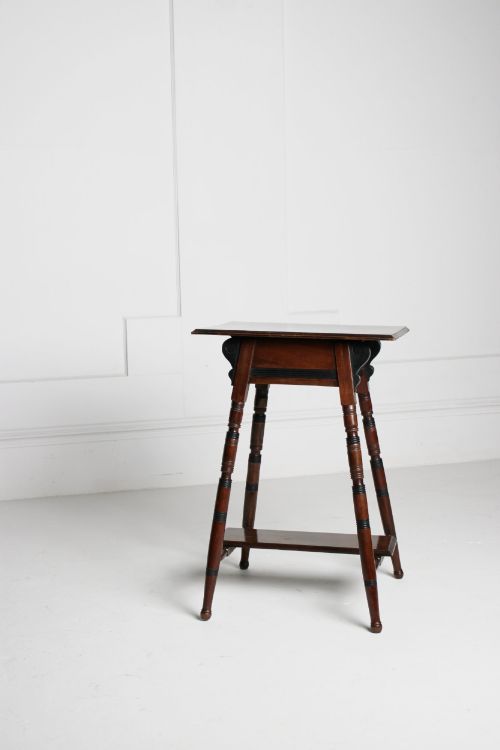
The buyer frequently encounters mahogany and hardwood plant stands alongside inlaid satinwood pieces and marble-topped stands originating from both European workshops and Chinese export traditions. Such objects range from slender tall columns to compact occasional tables designed for specific display purposes.
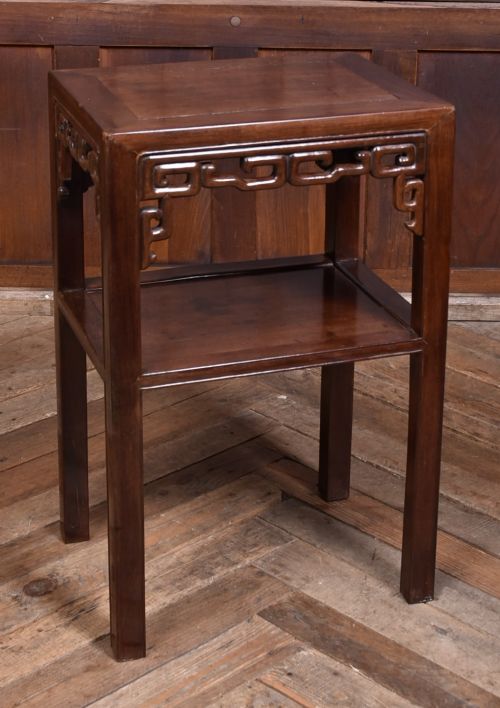
Geographic influences vary widely among the items, incorporating Anglo-Indian, Qing Dynasty, and traditional Chinese aesthetics alongside classic English and continental furniture styles. This diversity allows the pieces to serve both as functional supports and as decorative focal points in diverse room settings.
Materials and Technique
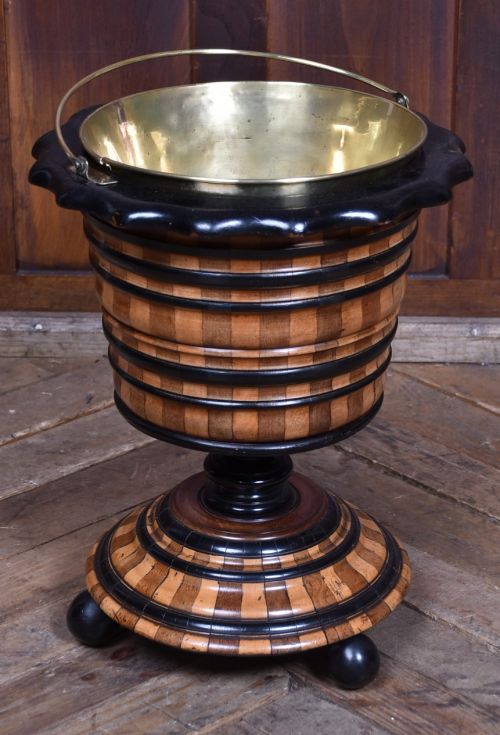
Carpenters constructed these supports using dense timbers such as mahogany, walnut, rosewood, and yew wood, often employing ebonised finishes or contrasting satinwood inlay to create decorative surface patterns. These hardwoods provided the structural stability required to support heavy marble tops, ceramic planters, and cast metal urns without tipping.
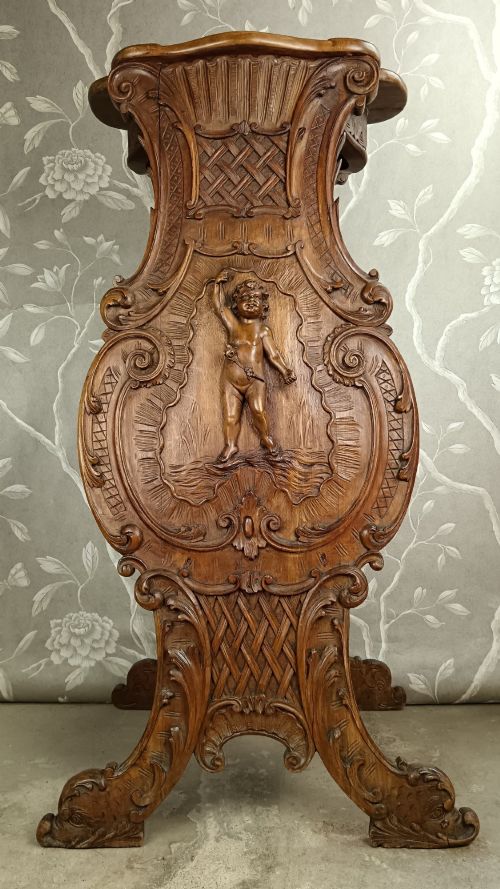
Craftspeople shaped the timber through turning on lathes for slender columns and torchères, complemented by hand carving on knees, capitals, and triform bases. Joinery techniques ensured sturdy weight distribution, particularly on tall display pedestals and tripod urn stands carrying significant vertical loads.
Recorded materials span from native hardwoods like oak and mahogany to exotic satinwood, yew, and ebonised timber.
The Measure of Construction
Distinctions in quality rest upon the precision of the joinery and the selection of timber grain, where finely figured mahogany and crisp, deep hand carving separate superior examples from standard production. The integrity of the structural skeleton determines how well a tall column bears weight over centuries of use.
The refinement of secondary elements, such as inlaid banding, fitted brass liners, and tightly set marble inserts, indicates the level of care invested by the maker. Well-balanced proportions and stable footings ensure that the piece maintains both visual harmony and physical security in a room.
Druce & Co London·Shoolbred
The Wooden Urn Pedestal Glossary
- Torchère
- A tall, slender stand designed to hold a lamp or candle, often featuring a circular top supported by a single carved column and a tripod base. These elevated supports originated to illuminate dark corners of large rooms.
- Jardiniere
- A decorative pot or stand for holding plants and flowers, frequently incorporating waterproof liners or marble inserts to protect the surrounding timber from moisture.
- Inlay
- A decorative technique where contrasting woods or other materials are inserted into recessed cavities on the surface to create intricate geometric or floral patterns.
- Triform
- A three-sided base or pedestal design that provides stable floor contact through three distinct feet or legs, commonly seen on tall display columns.
- Sheraton Revival
- A late nineteenth and early twentieth-century style reviving the lighter, elegant neoclassical furniture designs of the eighteenth-century designer Thomas Sheraton, often featuring delicate satinwood and mahogany banding.
Wooden Urn Pedestal: Frequently Asked Questions
What is a wooden urn pedestal used for?
These supports were traditionally built to elevate decorative urns, heavy floral planters, and sculptural vases above floor level. Placing vessels on pedestals allowed homeowners to display prized ornamental items more prominently within reception rooms.
Today, they serve equally well as stands for table lamps, bronze figures, or large houseplants. Their vertical proportions help draw the eye upward and fill empty corners in traditional or modern interiors.
How do I tell Victorian from Georgian stands?
Georgian examples, dating through the eighteenth century, typically feature restrained neoclassical proportions, dense Cuban mahogany, and precise carving such as fluting or crisp gadrooning. They emphasise structural clarity and architectural balance.
Victorian pieces from the nineteenth century tend toward heavier ornamentation, darker finishes, and eclectic stylistic revivals. You will frequently encounter more elaborate turning, applied mouldings, and the integration of contrasting marble tops on Victorian examples.
Where should I place a plant stand?
These stands suit areas needing vertical height, such as empty corners, empty wall spaces between windows, or beside large seating arrangements. Positioning them near natural light sources benefits living plants while highlighting the carved details of the wood.
Ensure the floor surface is level, particularly with slender tripod torchères, to maintain stability. Keep them away from direct heat sources to protect antique timber and prevent veneer shrinkage.
Are marble top stands delicate?
The marble inserts add considerable weight to the top of the stand, which helps anchor the base firmly to the floor. The stone itself is durable and resists moisture from plant pots and vases.
Care should be taken when moving these pieces to avoid chipping the edges of the stone or straining the wooden rebate that holds the marble in place. Lifting from the base rather than the top frame ensures safe handling.