
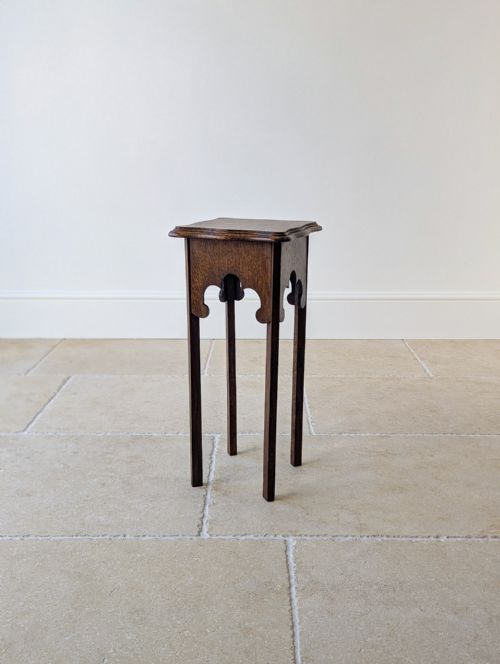
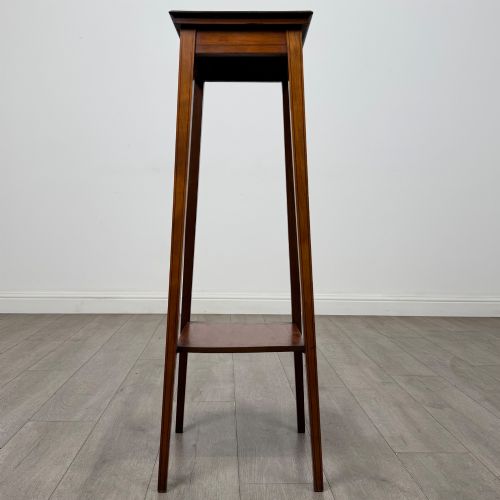
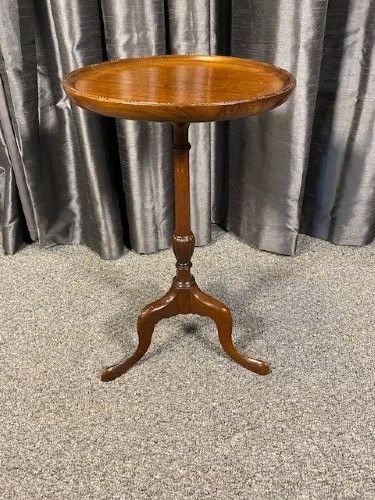
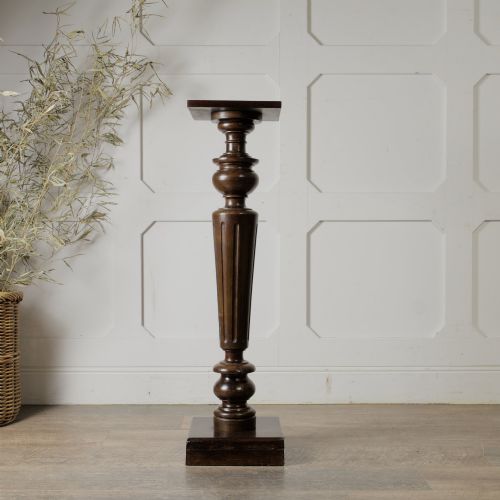
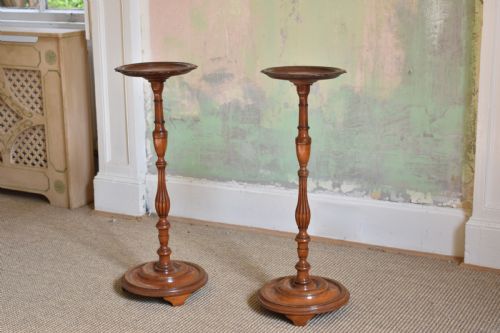
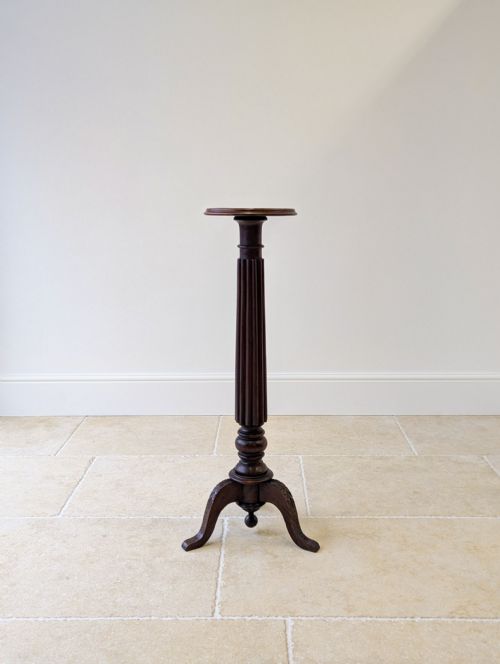
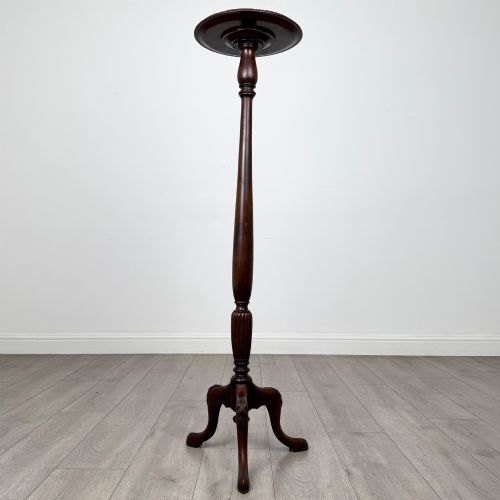
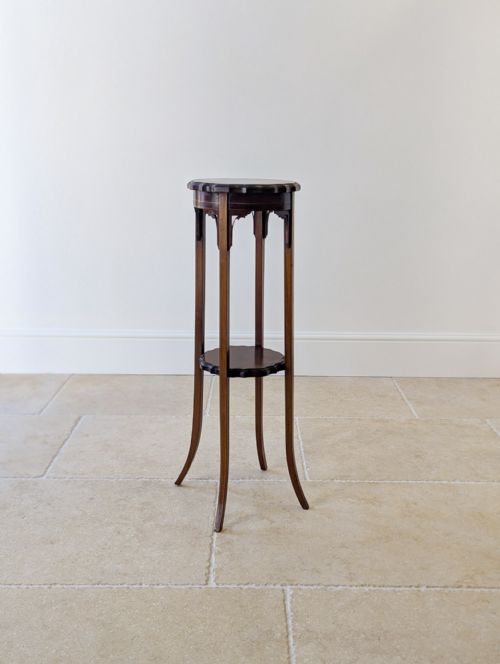
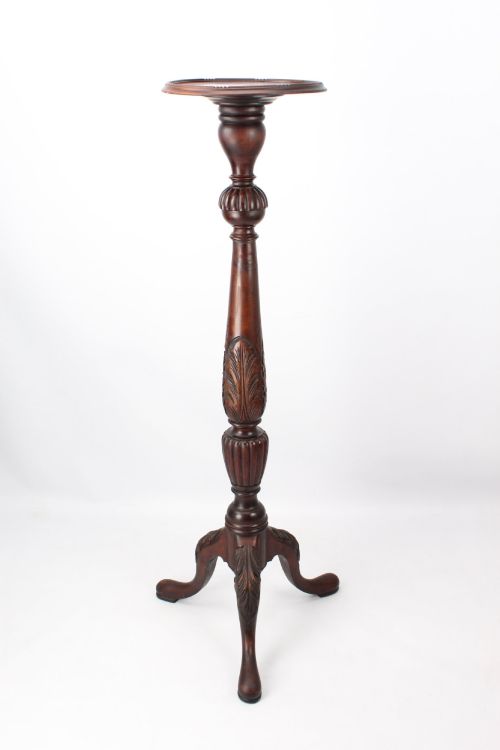
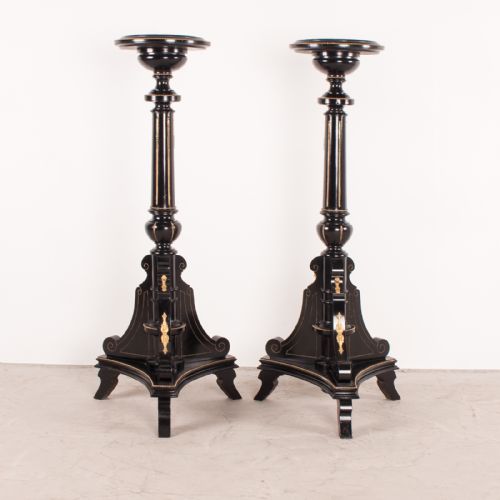
Wooden Torchere Pedestal
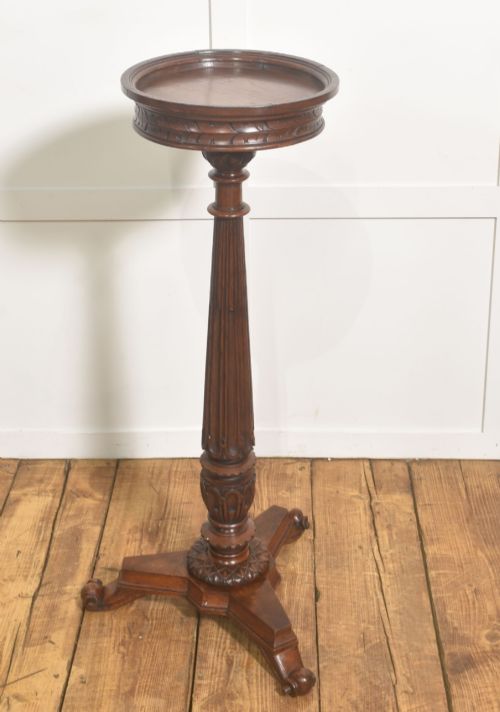
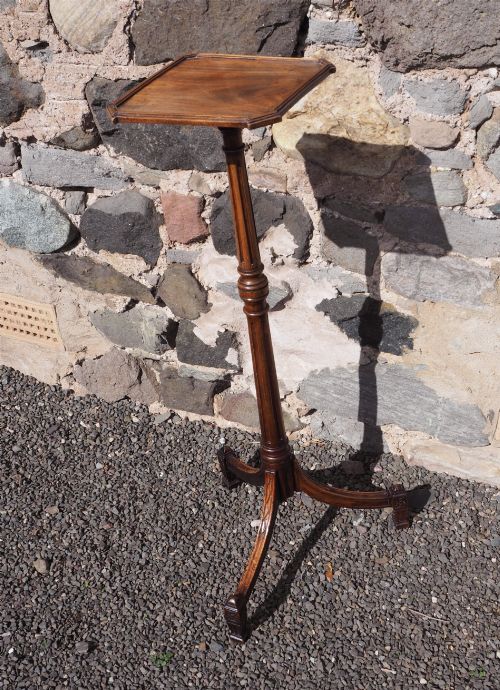
A wooden torchere pedestal elevates a candle, plant or urn, bringing height and proportion to a corner of a room.
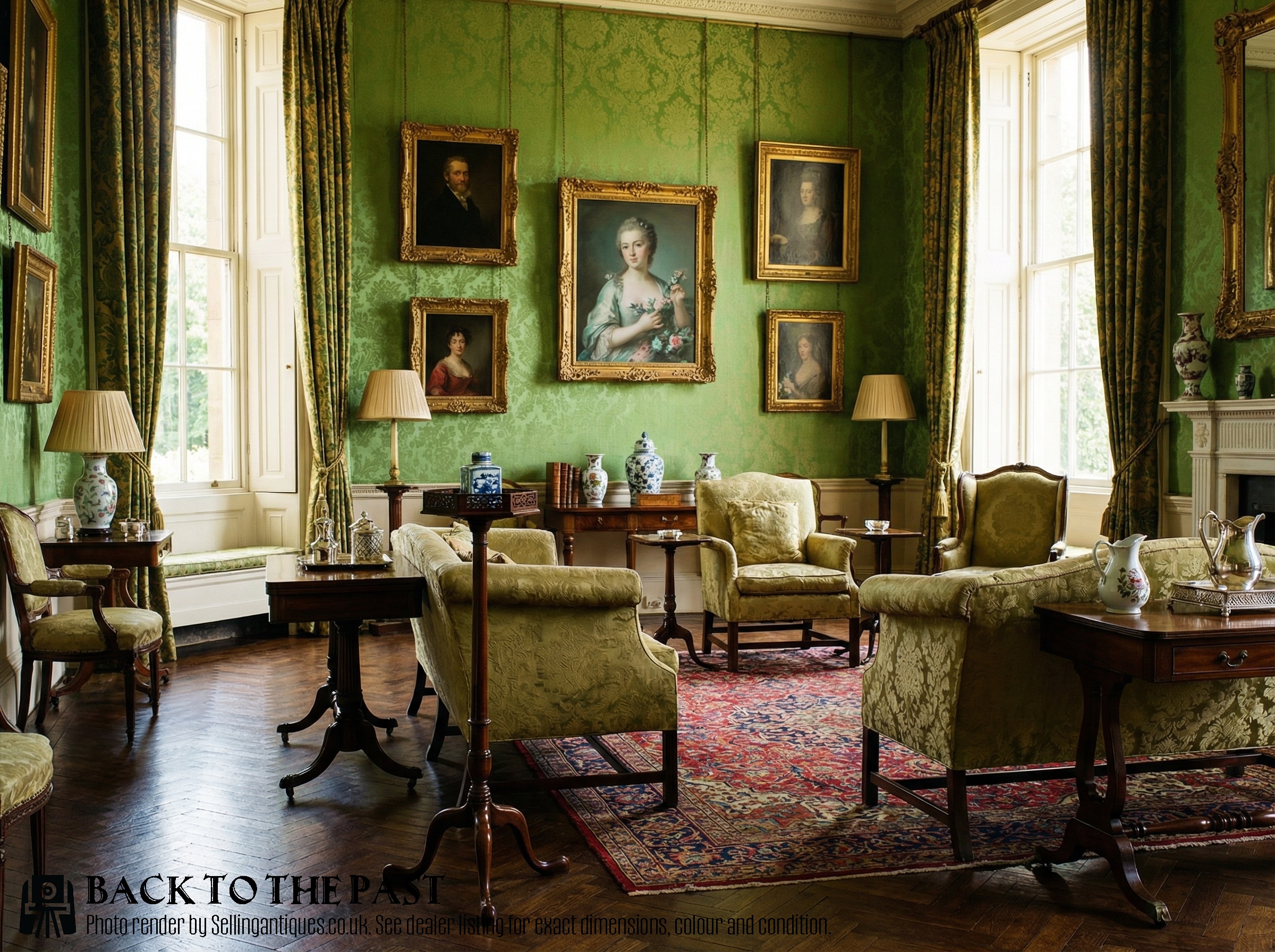
How they were made
Cabinetmakers utilised dense timbers such as mahogany, walnut, and oak to construct stable shafts and pedestals that could support heavy urns or figures without tipping. Turning, joinery, and intricate hand-carving define the structural execution of these stands.
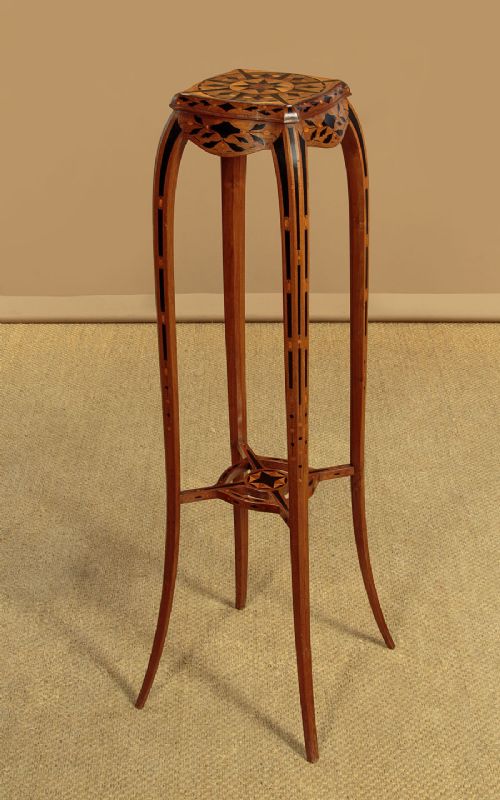
Surface decoration frequently involves satinwood inlay, ebonisation, original paint, or polychrome finishes to enhance the visual impact of the timber. Brass components occasionally appear on feet or mounts to accent the woodwork.
What varies in quality
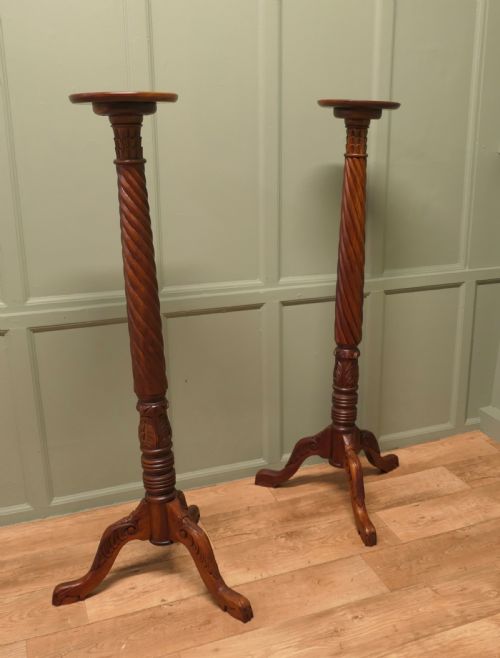
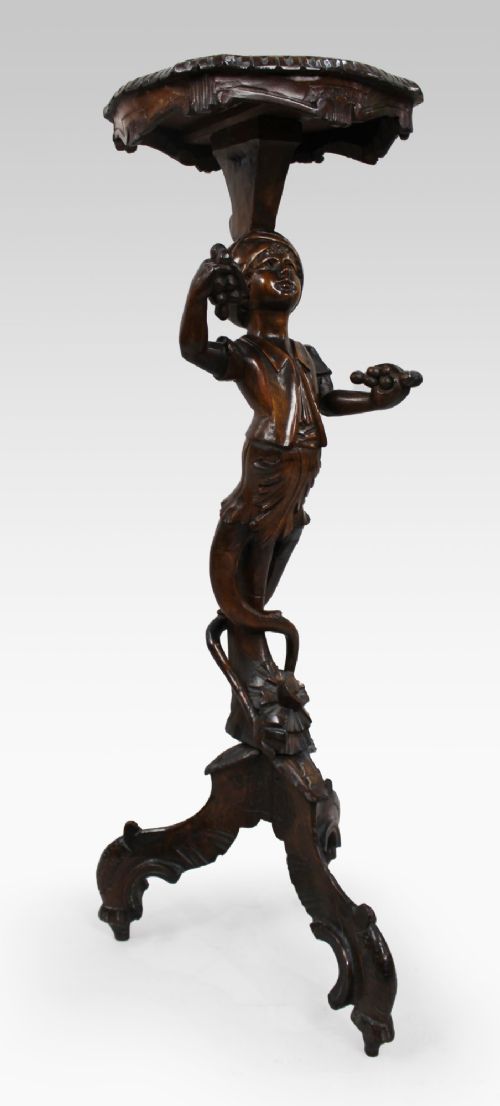
The standard of carving and the selection of timber dictate the distinction between ordinary utility items and finer display pieces. Crisp hand-chiselled detail on capitals and tripod bases separates superior examples from mass-produced turned shafts.
Proportion and stability matter immensely in tall stands, where a well-balanced weight distribution prevents wobbling. The integrity of the original timber grain, surface finish, and inlay work further elevates the standing of an individual piece.
Several stands double as resting places for carved wooden figures holding trays, including traditional Blackamoor and figural statuary.
Shoolbred·WMF
The Wooden Torchere Pedestal Glossary
- Triform
- A base or platform supported by three feet or legs, commonly utilised on nineteenth-century stands to ensure stability. This configuration frequently incorporates carved cabriole legs or scrolling brackets.
- Jardiniere
- A decorative receptacle or stand for holding plants and flowers indoors. These often accompany tall pedestals or form integrated top sections on plant stands.
- Ebonised
- Wood finished to resemble ebony through staining, painting, or chemical treatment. This technique creates a dense, black surface popular on decorative nineteenth-century furniture.
- Plinth
- A heavy rectangular or square block forming the base of a column or pedestal. It anchors the vertical shaft and provides a stable foundation on the floor.
Wooden Torchere Pedestal: Frequently Asked Questions
What is a wooden torchere pedestal used for?
These tall stands provide elevated display space for potted plants, floral arrangements, small sculptures, and candle lamps. They draw the eye upward and fill empty corners in drawing rooms and hallways.
Historically, torcheres held light sources before electric lighting became common. Today, buyers use them primarily for decorative botanical display and interior accentuation.
How do I date an antique wooden torchere?
Dating relies upon timber selection, construction methods, and stylistic cues associated with periods like Georgian, Victorian, or Edwardian. Eighteenth-century pieces often display heavy walnut or figured mahogany with hand-cut joinery.
Later Victorian and Edwardian examples introduce machine-turned components, ebonised finishes, or specific revival motifs. Examining the underside and joint construction helps confirm the era of manufacture.
Are these stands stable enough for heavy plants?
Most solid hardwood pedestals with tripod or wide plinth bases offer substantial weight capacity for standard ceramic pots and jardiniere bowls. The lower centre of gravity on triform designs prevents accidental tipping.
Slender columns require careful placement away from busy walkways or children to ensure safety. Checking the balance of the base relative to the top platform remains essential.
What woods were commonly used for plant stands?
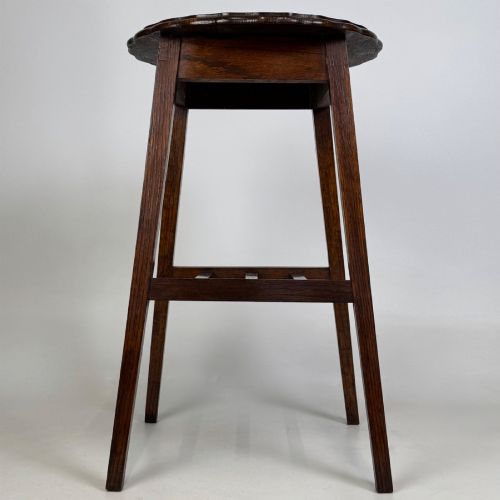
Mahogany and walnut dominate the surviving record across multiple centuries due to their strength and responsiveness to carving. Oak appears frequently in Arts and Crafts pieces from the early twentieth century.
Finer decorative items incorporate satinwood, yew wood, or inlaid specimen woods. Painted and ebonised finishes also occur, altering the natural appearance of the underlying timber.