




Vintage Wood Torchere
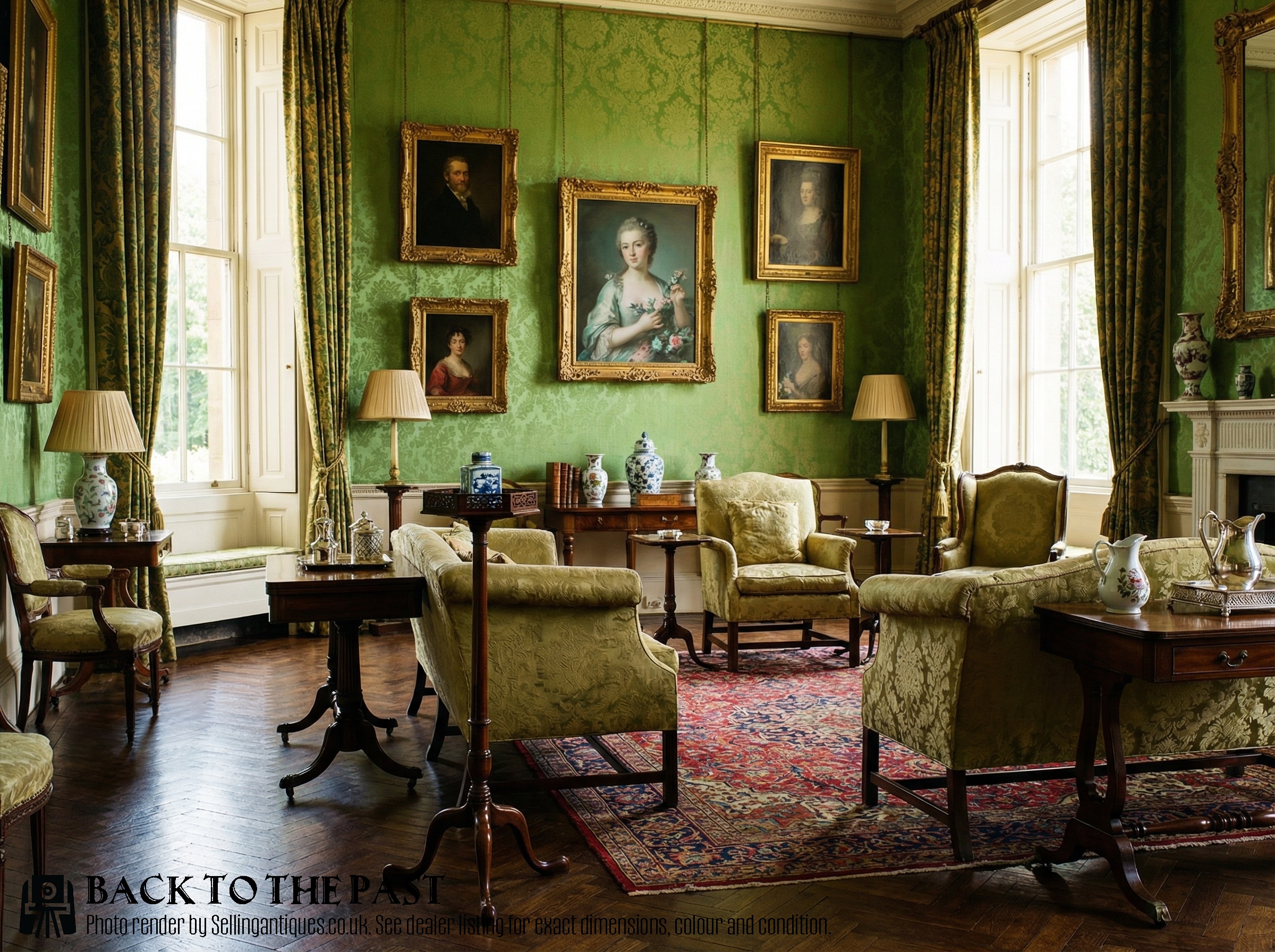
A vintage wood torchere brings vertical drama to a room, offering a slender stage for plants, lamps, or sculpture.
Vintage Wood Torchere
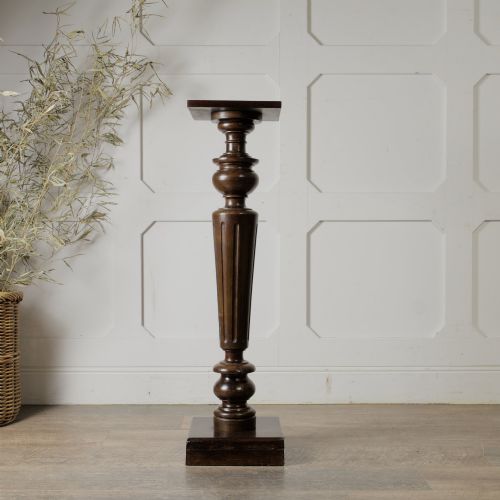
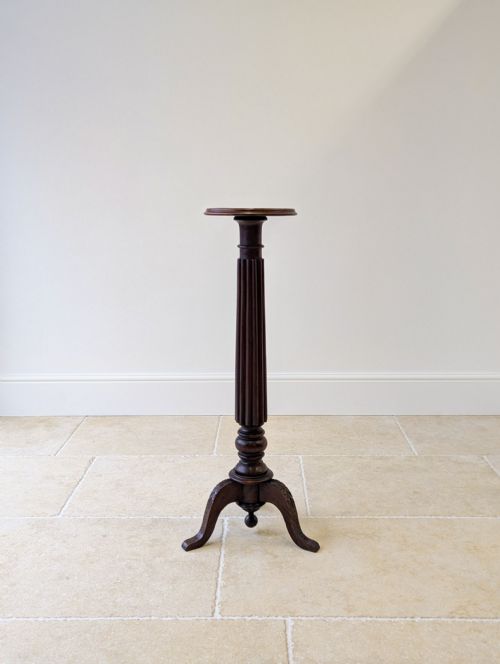
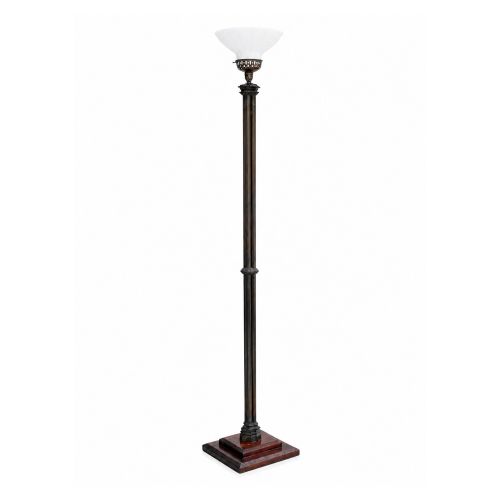
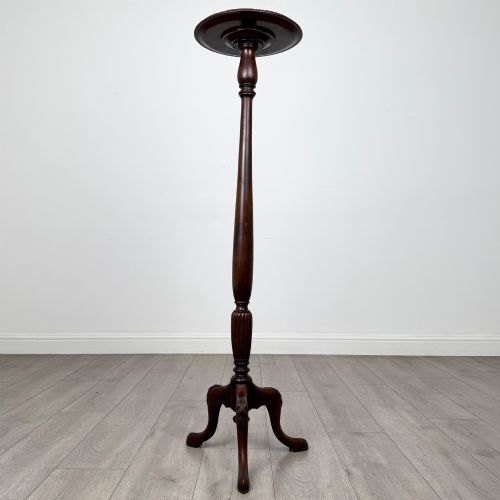
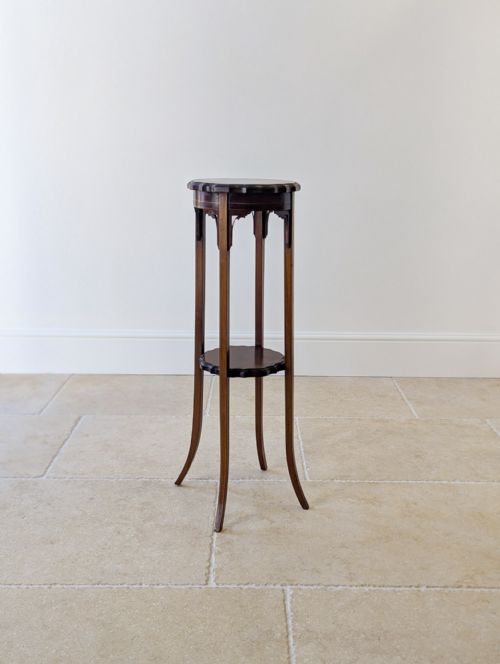
A vintage wood torchere functions primarily as a tall, slender support for a lamp, plant, or decorative object. The examples gathered here span from the eighteenth century through the Edwardian era, incorporating styles from Georgian revival to Venetian Baroque.
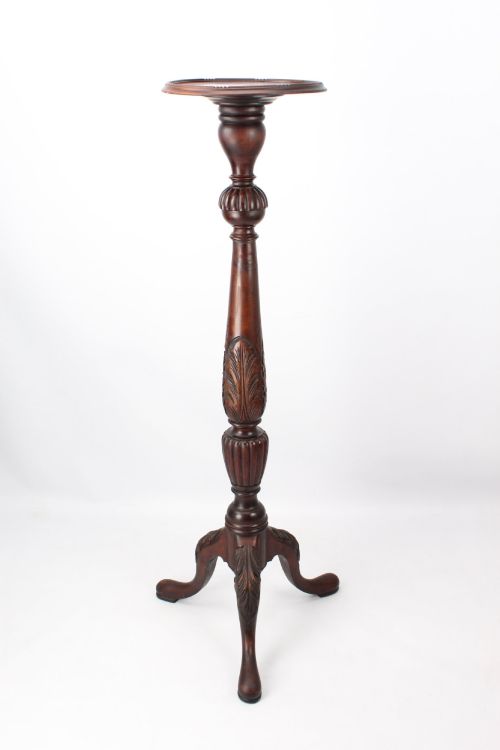
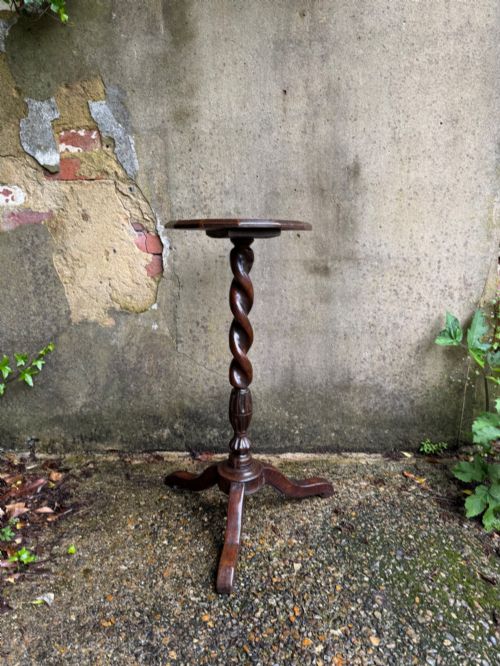
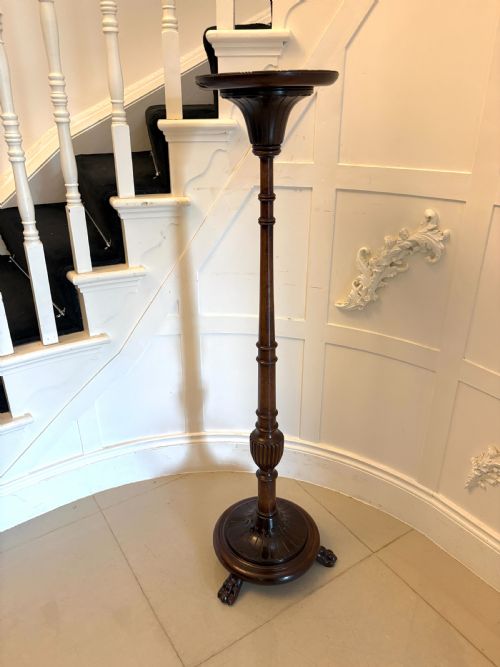
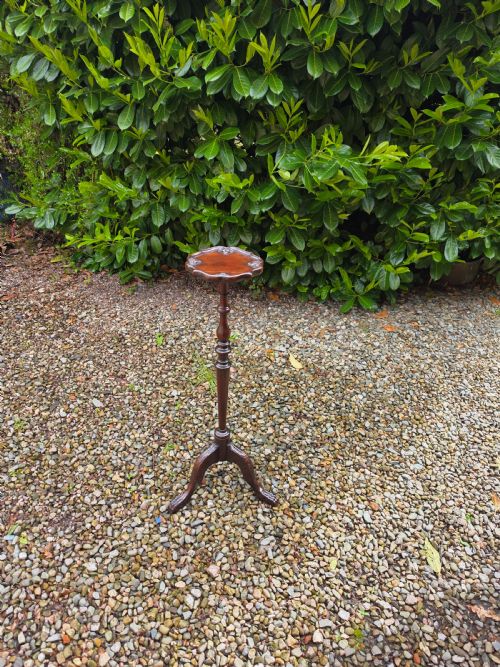
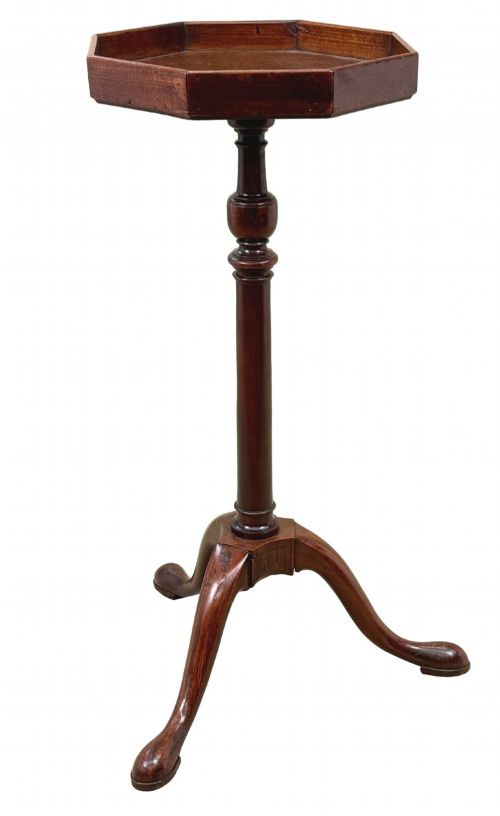
Most pieces encountered in this selection take the form of tall plant stands, pedestals, or candle stands made from mahogany and oak. Makers of these elevated stands utilised turned columns, carved capitals, and tripod or circular bases to ensure stability while maintaining a narrow footprint.
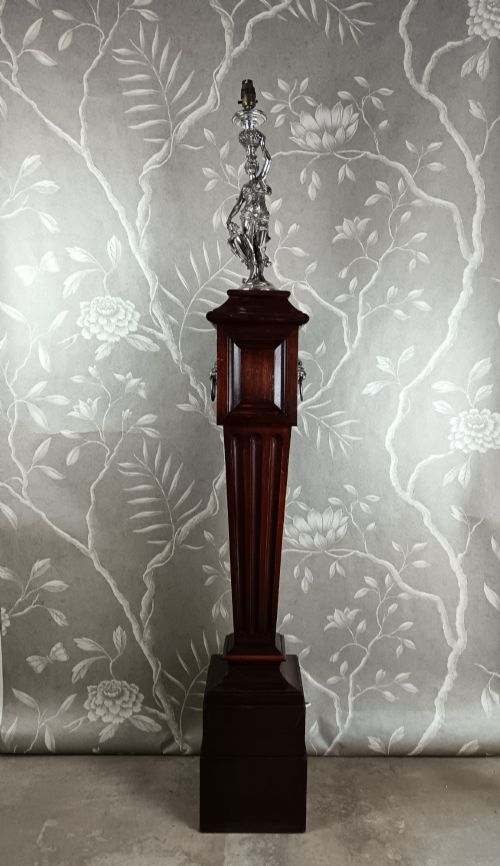
Beyond traditional timber supports, the inventory includes figural standards and painted pieces originating from the nineteenth and early twentieth centuries. These variations provide both functional display space and distinct decorative presence within a room.
Construction and materials
Cabinetmakers constructed these tall stands predominantly using solid mahogany and oak, employing traditional joining techniques for shafts and bases. Turned wood columns provide the primary vertical element, often reinforced with internal dowels or heavy threaded fixings to bear weight securely at height.
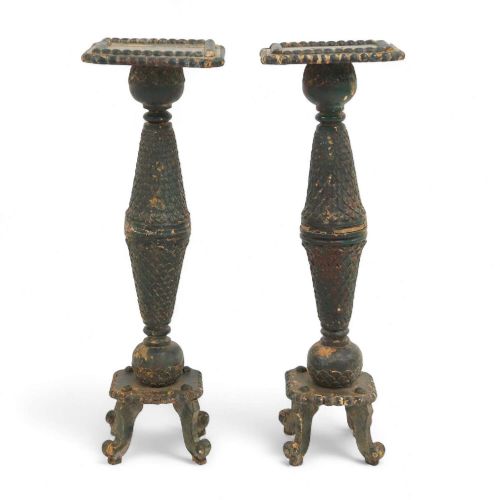
Surface ornamentation ranges from subtle inlaid mahogany veneers to elaborate carved gesso and polychrome paint. Giltwood highlights, original green paintwork, and ebonised finishes appear across Venetian and English pieces, applied over prepared wood grounds to catch the light.
Several stands feature hand-carved figures gazing steadfastly into empty corners, ready to hold your afternoon tea or ferns.
Judging execution and presence
Quality in a tall wooden stand rests upon the crispness of the hand-carving and the balance of the proportions. Superior examples display deeply undercut foliage, finely fluted columns, and heavy, stable bases that prevent top-heaviness.
The integrity of the original surface finish dictates the character of the piece, whether it is polished mahogany or aged polychrome paint. Finer items retain their early surface patination, whereas lesser versions often show unsympathetic modern refinishing that obscures the detail of the wood.
The Vintage Wood Torchere Glossary
- Torchere
- A tall ornamental stand originally designed to carry a torch or candle. In modern interiors, it serves as a pedestal for lamps, urns, or plants.
- Plinth
- A heavy base supporting a statue, column, or vase. It provides a solid foundation for elevated display.
- Gesso
- A plaster-like material applied to wood surfaces as a base for painting or gilding. It allows for crisp relief ornamentation.
- Polychrome
- Decorated in multiple colours. This technique is frequently found on figural stands and Venetian torchu00e8res.
- Jardiniere
- An ornamental pot or stand for holding plants or flowers. These often share the tall, columnar form of a torchere.
Vintage Wood Torchere: Frequently Asked Questions
What is a torchere used for?
A torchere serves as an elevated display surface for plants, lamps, and decorative objects. It draws the eye upward and makes use of vertical space in a room.
Historically designed to hold a light source, these tall stands now function equally well as plant pedestals or sculptural focal points in an interior.
How do I distinguish an 18th century torchere from a revival piece?
Eighteenth century pieces exhibit authentic timber shrinkage, hand-cut joinery, and patination developed over centuries of handling. Revival pieces from the Edwardian period often use machine-turned elements and standard modern fixings.
Examining the underside and the wear around the base reveals the true age and construction method of the wood.
Are these stands stable enough for heavy lamps?
Most torchu00e8res feature weighted or tripod bases designed to counterbalance the height of the shaft. However, careful placement is necessary to ensure safety with heavy items.
Checking the rigidity of the central joint where the column meets the base will confirm whether the stand can safely support a substantial lamp.
What woods were commonly used?
Mahogany and oak dominate the selection across both Victorian and Edwardian periods. Cabinetmakers favored these hardwoods for their strength and ability to take fine turned details.
Some continental examples incorporate softer woods beneath heavy layers of gesso, paint, or gilt.