
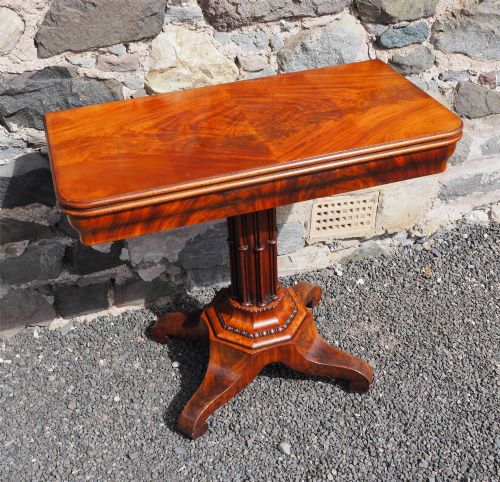
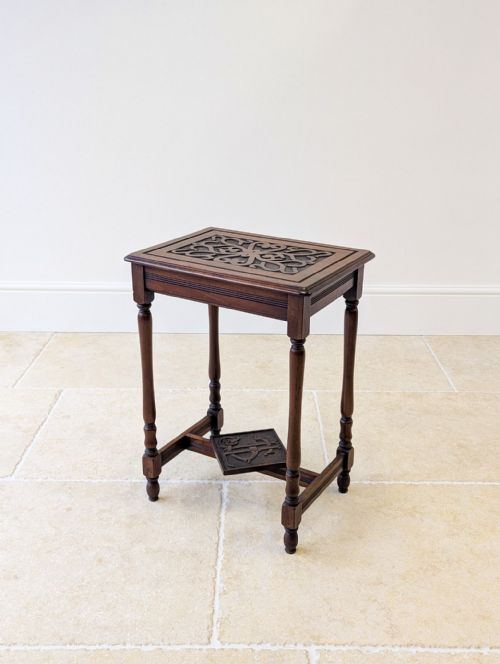
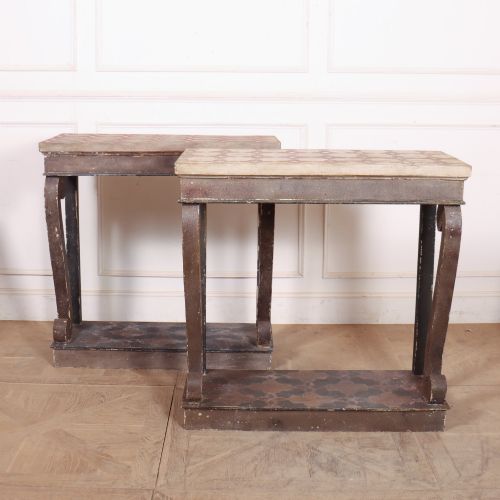
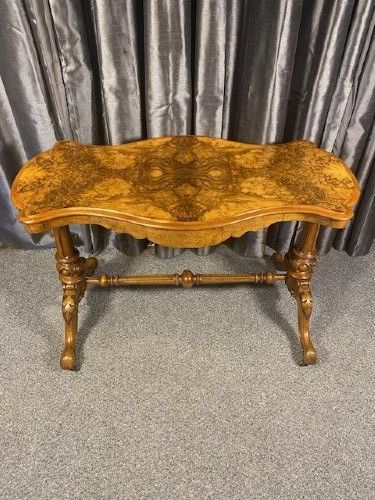


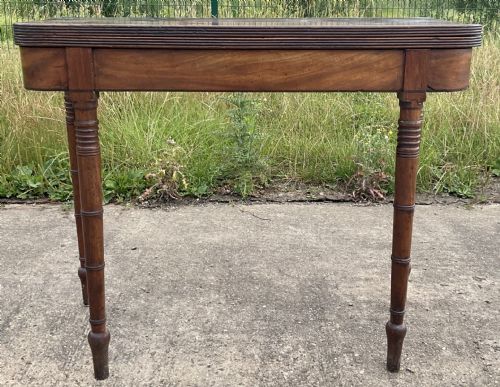
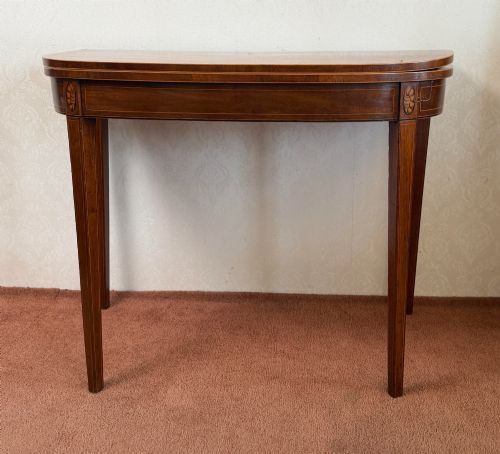
Wooden Top Console Table
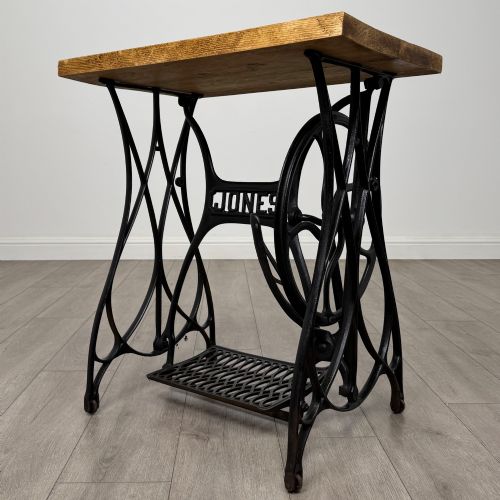
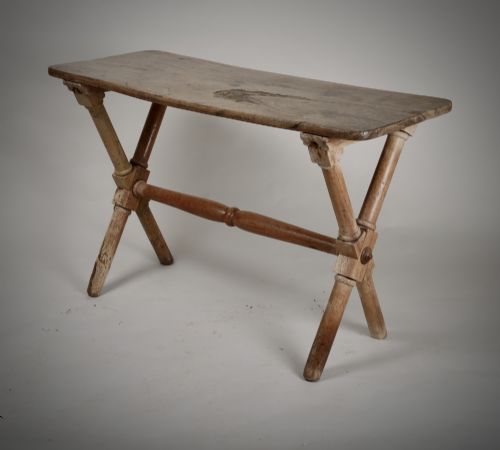
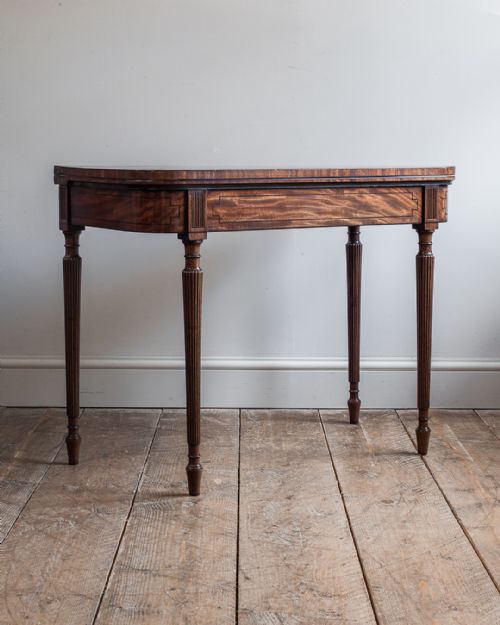
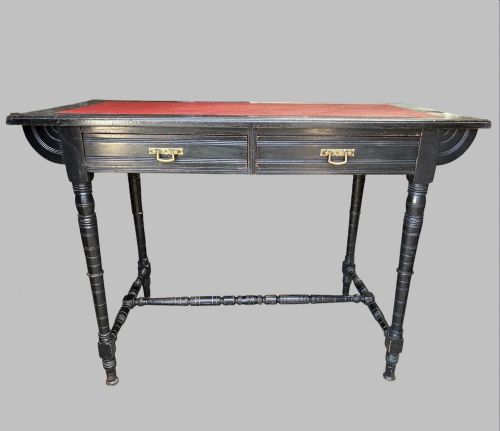
A wooden top console table brings architectural presence to a hallway or drawing room, anchoring the space with period timber and proportion.
Wooden Top Console Table
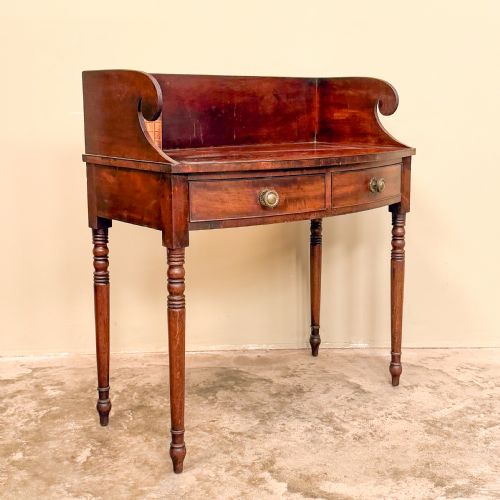
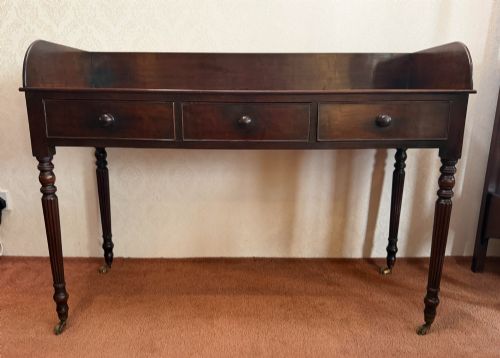
A wooden top console table serves primarily as a decorative surface designed to stand against a wall, appearing across Georgian, Victorian, and Edwardian periods. Buyers encounter these forms alongside related side tables, tea tables, and washstands that share similar timber construction.
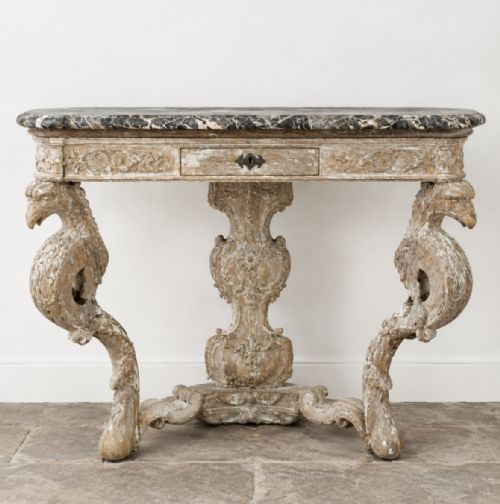
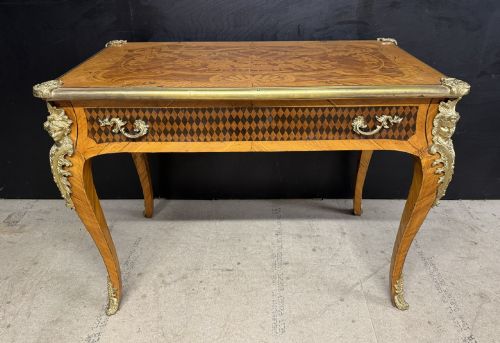
The selection ranges from formal Georgian mahogany designs and Regency fold-over surfaces to rustic painted country pieces and French rococo walnut consoles. Examples span various centuries, utilising materials like pine, walnut, and marble alongside the dominant mahogany.
Materials and construction
Cabinet makers utilised solid and veneered timbers, selecting figured mahogany, walnut, and pine to construct the frames and surfaces. Selected pieces incorporate brass hardware, leather inserts, and hand-painted geometric or floral decoration directly onto the wood.
Joinery methods reflect the period of origin, employing traditional turn-over mechanisms for tea tables, dovetailed drawer construction, and carved detailing on walnut and mahogany legs.
Listings feature 18th century, Georgian, and Victorian periods alongside Edwardian examples in mahogany, walnut, pine, and marble.
Assessing quality
Quality rests in the selection of the timber, particularly where figured mahogany or burr walnut displays natural grain patterns across the top surface. The crispness of carved detail and the integrity of original painted finishes distinguish finer workshops from standard production.
Proportion and stability dictate the standing of a piece, with well-balanced legs and sound structural joinery separating utilitarian items from decorative focal points.
James Mein of Kelso
The Wooden Top Console Table Glossary
- Console table
- A table designed to be fixed or placed against a wall, often featuring decorative legs and a finished top surface.
- Tea table
- A small folding or stationary table used in the 18th and 19th centuries for serving tea.
- Washstand
- A piece of furniture made to hold a basin and jug, frequently constructed in pine or mahogany with a wooden top.
- Bureau plat
- A French writing desk with a flat top, often finished with gilt or marquetry details.
- Demilune
- Having a half-moon or semicircular shape, commonly applied to the tops and frames of specific console tables.
Wooden Top Console Table: Frequently Asked Questions
Where should I place a wooden top console table?
These tables suit narrow entrance halls, living room perimeters, and dining spaces where a shallow surface is practical.
Their proportions allow them to sit flat against a wall without obstructing foot traffic while displaying decorative objects.
How do I care for antique wooden surfaces?
Maintain the timber by dusting regularly with a dry cloth and avoiding excessive moisture or direct sunlight.
Applying traditional wax polish periodically preserves the sheen of mahogany and walnut without damaging the grain.
What is the difference between a console and a side table?
Console tables historically sat against walls with brackets or specific leg arrangements designed for display rather than heavy movement.
Side tables generally feature four freestanding legs and offer greater versatility for independent placement around a room.
How do I identify a fold-over tea table?
A fold-over tea table has a hinged top that doubles the surface area when opened, supported by a swing leg or rear gate.
These pieces were utilised in Georgian and Regency reception rooms before being closed against the wall when not in use.