

Wooden Storage Bureau
A wooden storage bureau offers practical domestic organisation through fitted drawers and writing compartments that anchor a traditional room.
Wooden Storage Bureau
A wooden storage bureau encompasses versatile case pieces designed for sorting household goods and personal papers. Buyers searching for a wooden storage bureau will encounter numerous chests of drawers alongside bureau bookcases, cupboards and cabinets.
The material palette spans durable hardwoods and softwoods from several distinct design eras. Pieces originate from the late seventeenth century through the Edwardian period and the nineteen-thirties, with Georgian and Victorian examples appearing frequently.
Materials and construction methods
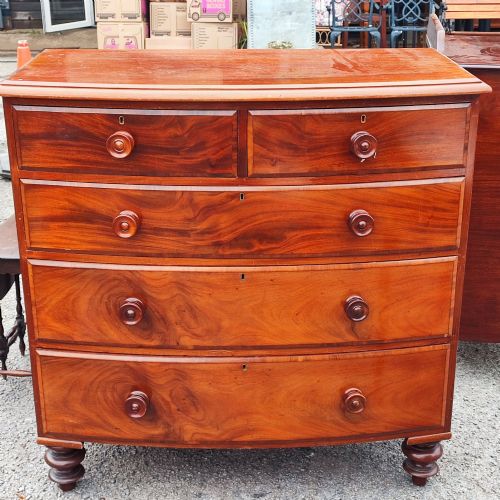
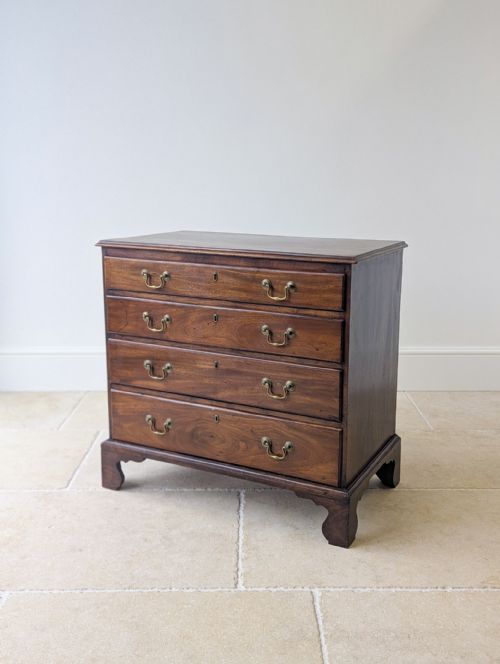
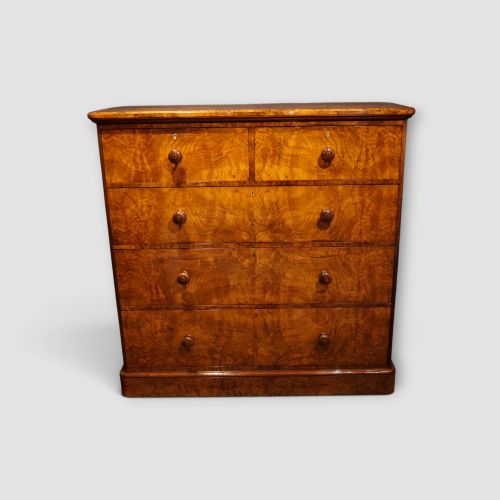
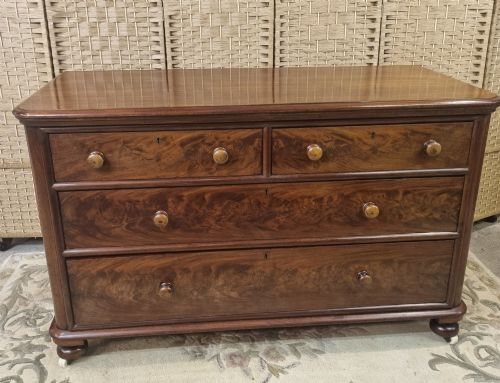
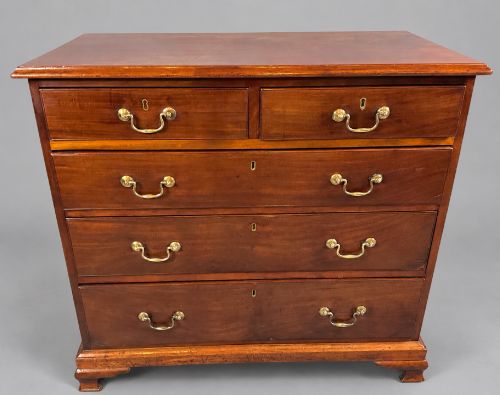
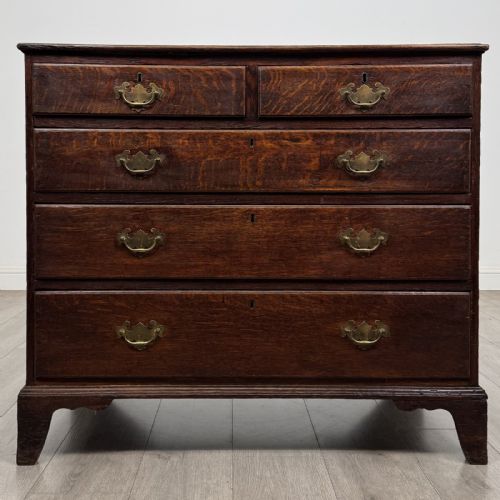
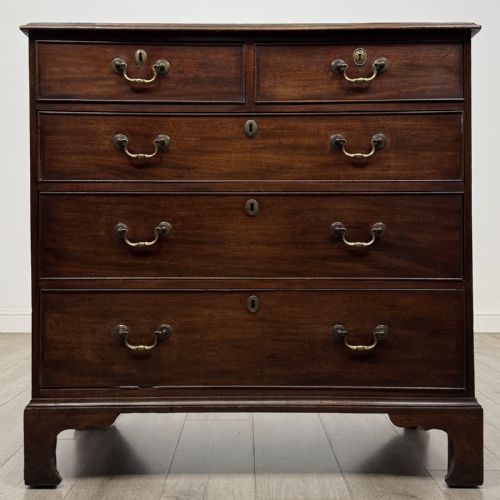
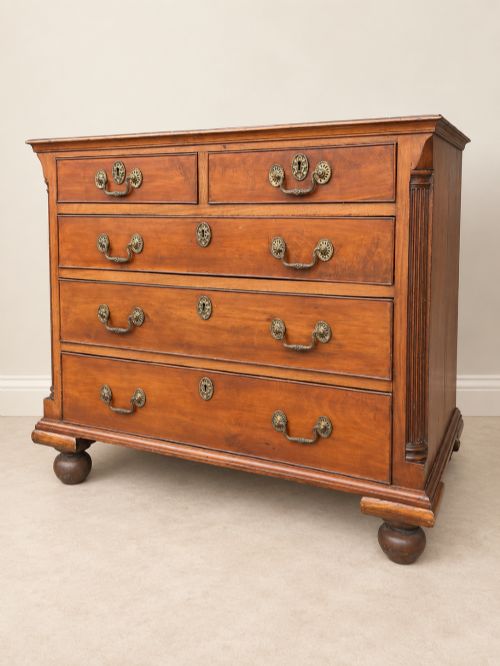
Cabinet makers built these pieces using solid timbers like mahogany, oak, walnut, pine and teak, frequently applying flame mahogany veneer to primary surfaces. Brass hardware such as handles and escutcheons complemented the wood grains.
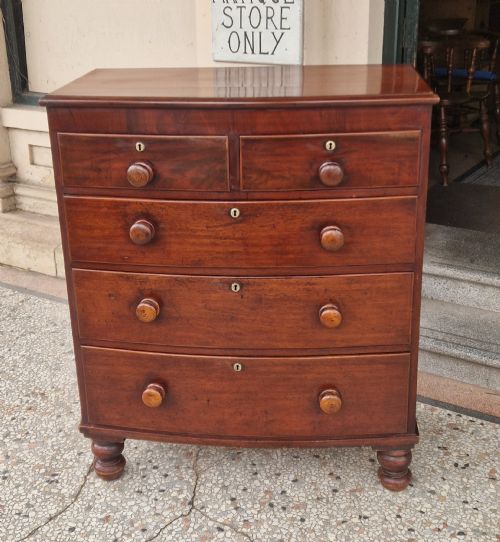
Joinery techniques varied according to period and workshop standards, producing sturdy drawer boxes and fitted interiors with pigeon holes. Structural forms incorporated specialised elements like bun feet, bow fronts, serpentine shapes and raised galleries.
Wooden Storage Bureau Retail Price Guide 2026
Typical asking prices for wooden storage bureau among the pieces listed under this phrase on Sellingantiques today, from the lower quarter to the upper quarter. They describe what is for sale here now, not the wider market.
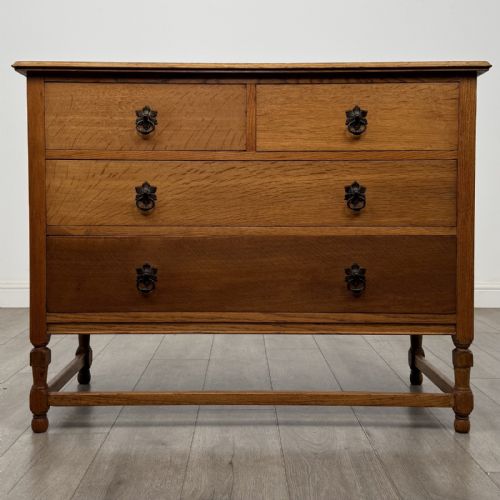
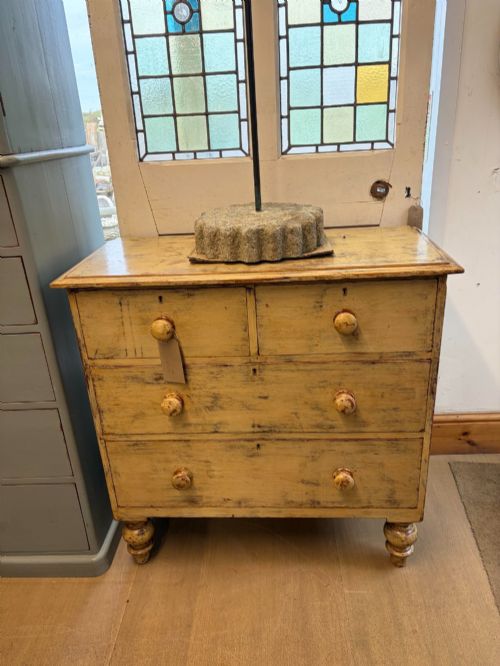
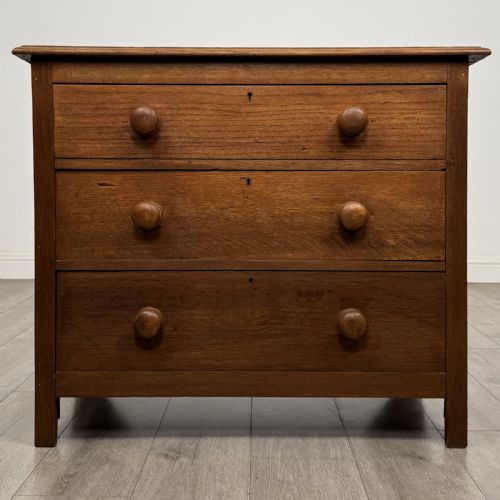
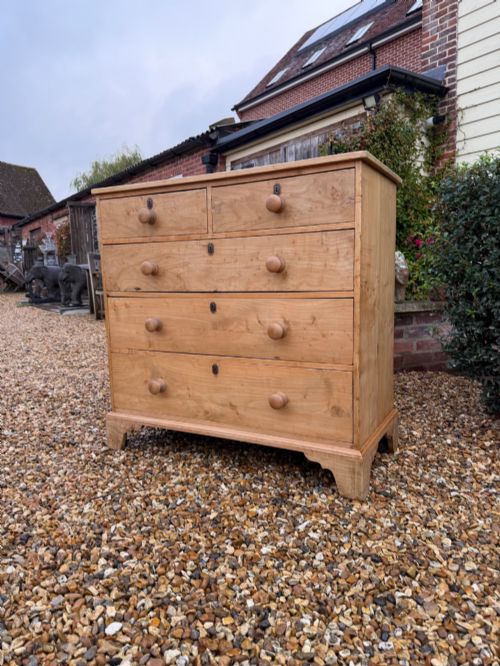
Some chests retain their original wooden handles, offering a tactile connection to the hands that opened them centuries ago.
Distinctions in craftsmanship and design
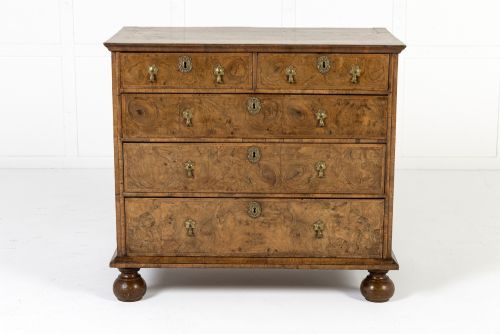
The refinement of the timber selection largely dictates the caliber of a piece, particularly where figured walnut or flame mahogany veneer is utilised. Superior execution shows in the precision of the drawer construction and the retention of original wooden handles or brass fittings.
Stylistic ambition also separates standard examples from exceptional ones, evidenced by sophisticated geometric mouldings, serpentine profiles, or specialised fitted interiors. The integrity of the original period surface finish remains central to the overall character.
E Gomme·Sir Clough Williams-Ellis·Hepplewhite
The Wooden Storage Bureau Glossary
- Bureau bookcase
- A combination furniture form featuring a sloping writing flap above drawers, surmounted by a bookcase cabinet with glass doors.
- Serpentine front
- A furniture front curved with a convex centre flanked by concave wings, demanding high skill from the cabinet maker.
- Flame mahogany veneer
- A decorative wood slice cut from the branch junction of a mahogany tree, prized for its vivid, undulating grain pattern.
- Pigeon hole
- A small compartment within a desk or bureau interior used for sorting letters and documents.
- Brushing slide
- A pull-out shelf integrated above the top drawers of a chest, historically used for dusting clothes or writing.
Wooden Storage Bureau: Frequently Asked Questions
What periods do these pieces span?
The selection includes items originating from the late seventeenth century, moving through the Georgian, Regency and Victorian eras.
Later examples extend into the Edwardian period, the nineteen-twenties and nineteen-thirties Art Deco design phase.
What woods were commonly used?
Makers constructed these storage pieces using native and exotic timbers including mahogany, oak, walnut, pine and teak.
Fitted surfaces often display decorative treatments such as flame mahogany veneer alongside brass hardware and glass elements.
How were bureau bookcases utilized?
These dual-purpose items combined a fold-down writing surface with enclosed shelving above for housing books and papers.
The lower drawer sections provided concealed storage for household linens and personal belongings.