

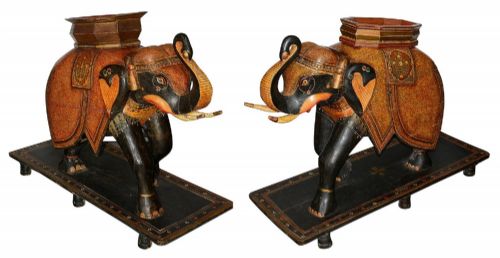


Wooden Statue Pedestal
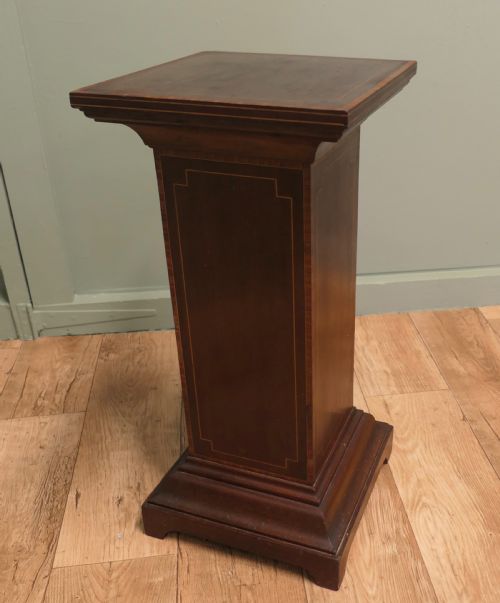
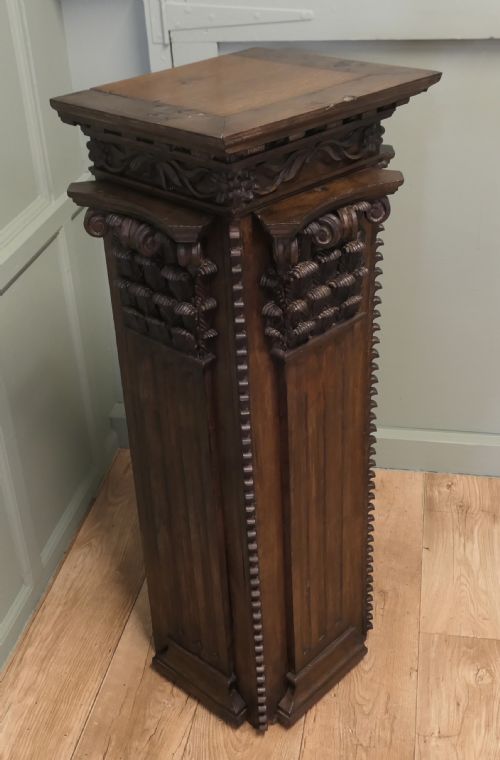
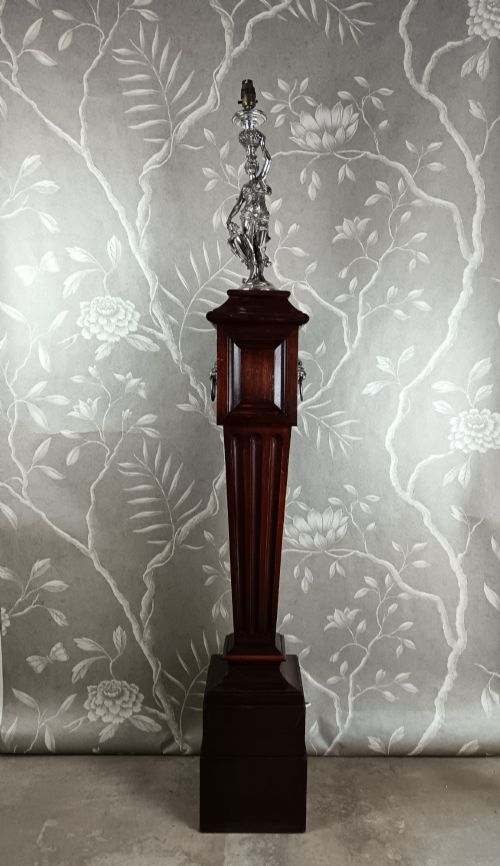
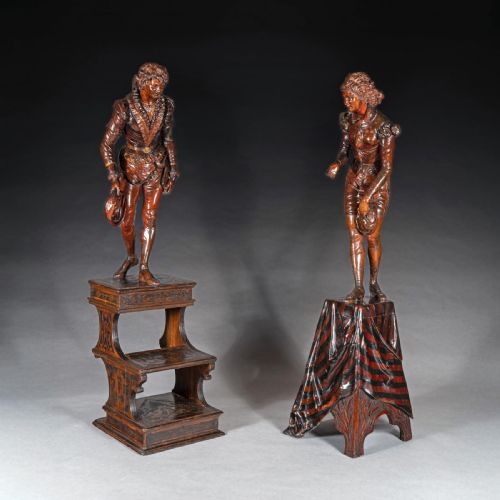
A wooden statue pedestal raises a figure or lamp to command a room, drawing on centuries of carved timber and painted form.
Wooden Statue Pedestal
A wooden statue pedestal supports sculpture, lights, or figures, ranging from simple turned columns to elaborate carved stands. When you search for a wooden statue pedestal, you encounter tall display pillars, torcheres, and figural stands designed to elevate art within a room.
The pieces span the eighteenth, nineteenth, and early twentieth centuries, moving from Georgian simplicity to ornate Venetian and Victorian revivals. Mahogany and satinwood columns share space with carved figures, blackamoors, and painted columns.
Many examples arrive from Italy, France, and Britain, reflecting regional tastes for classical revival and baroque excess. Simpler architectural pillars sit alongside figurative supports designed to hold lamps or religious figures.
Materials and construction
Carvers shaped dense timbers like oak, mahogany, and satinwood, using hand chisels to define fluted columns and figurative details. Turned wooden pillars relied on lathes to achieve precise cylindrical profiles.
Many surfaces received layers of gesso, gold leaf, and polychrome paint, adding brilliant colour and reflective sheen to the timber beneath. Lacquer and original paint finishes protect the underlying wood while creating striking visual contrast.
Joinery techniques varied from heavy pegged construction in earlier architectural pillars to simpler turned assemblies in Victorian examples.
Listings span the eighteenth century to the early twentieth century, incorporating mahogany, satinwood, gesso, and polychrome paint.
Judgements of quality
Quality rests in the crispness of the carving and the fidelity of the proportions, where confident chisel work separates master from journeyman. A well-executed figure or capital shows depth and anatomical understanding rather than lazy surface scratching.
The survival of original surfaces dictates much of the appeal, as untouched polychrome paint and early gold leaf hold greater historical weight than later overpainting. Timber selection also matters, with dense mahogany and fine satinwood providing stability and rich grain.
Structural integrity under heavy sculpture separates robust stands from compromised ones, ensuring the pillar bears weight securely.
Valentino Besarel·WMF
The Wooden Statue Pedestal Glossary
- Torchere
- A tall ornamental stand intended to carry a light or a figure. These pieces often feature slender columns or carved figures holding platforms.
- Polychrome
- Decorated in a variety of colours. This finish appears frequently on Venetian and Italian figures.
- Gesso
- A plaster mixture applied to wood as a base for painting or gilding. It provides a smooth surface for gold leaf application.
- Ebonised
- Wood stained or finished to resemble ebony. This dark treatment was popular during the Victorian period for dramatic contrast.
- Putti
- Depictions of chubby male children, often winged, seen in Italian baroque style carvings. They frequently adorn the bases or columns of decorative stands.
Wooden Statue Pedestal: Frequently Asked Questions
What holds up a heavy marble bust?
A sturdy wooden pedestal with a wide base and thick central column provides the necessary stability for heavy stone sculptures.
Architectural pillars made from dense hardwoods like mahogany or oak distribute weight evenly to the floor.
Where should I place a torchere stand?
These tall stands suit corners, empty hallway spaces, or flanking large pieces of furniture where vertical height balances room proportions.
Keep them away from direct heat sources to protect the wood and delicate gesso finishes.
How do I clean painted wooden figures?
Dust gently with a dry, soft brush to remove surface particles without disturbing fragile paint or gold leaf.
Avoid liquid cleaners, as moisture can lift old gesso and nineteenth-century polychrome decoration.
Are these pedestals purely decorative?
Many serve a functional purpose by elevating lamps, clocks, or sculptures to eye level for better viewing.
Figurative stands combine art and utility, acting as sculptures themselves while supporting another object.