



Wooden Standard Lamp Base
A wooden standard lamp base gives any room height and presence, offering a sturdy architectural anchor for a generous shade.
Wooden Standard Lamp Base
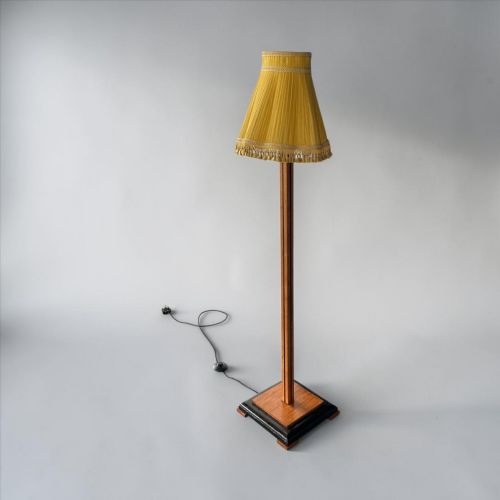
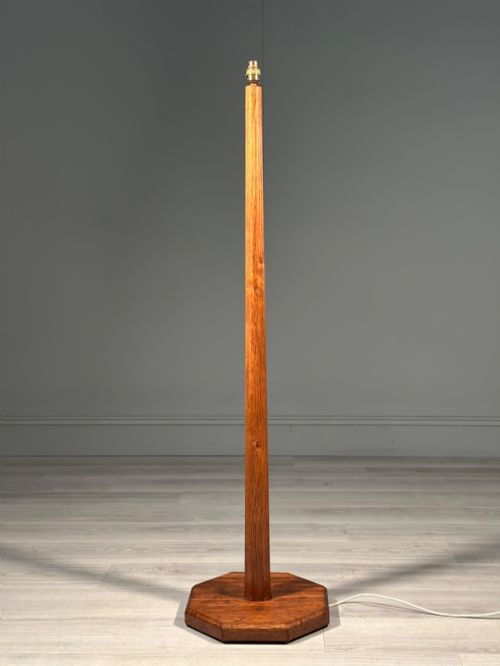
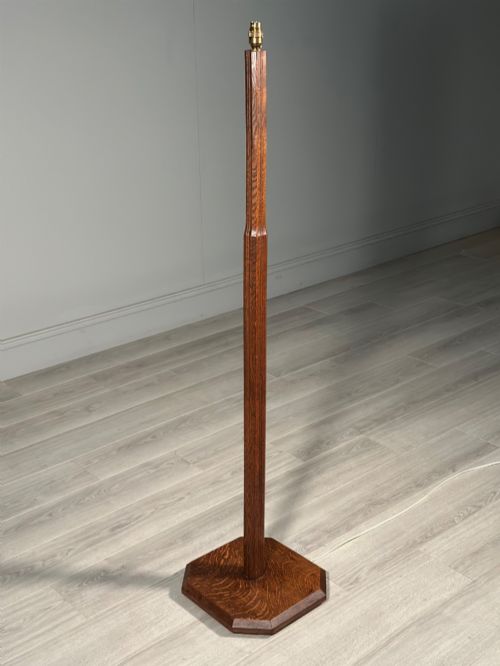
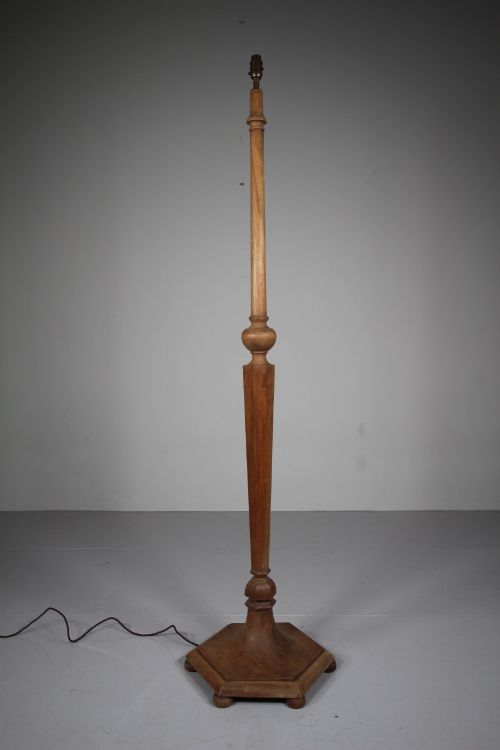
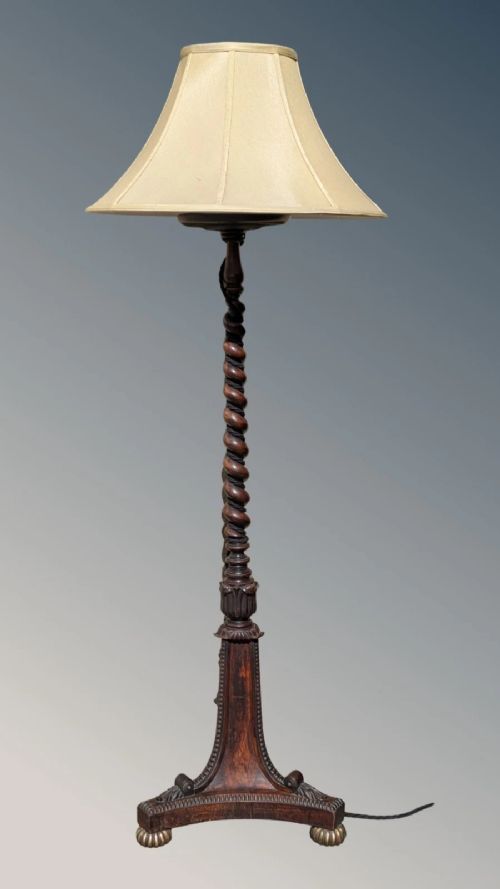
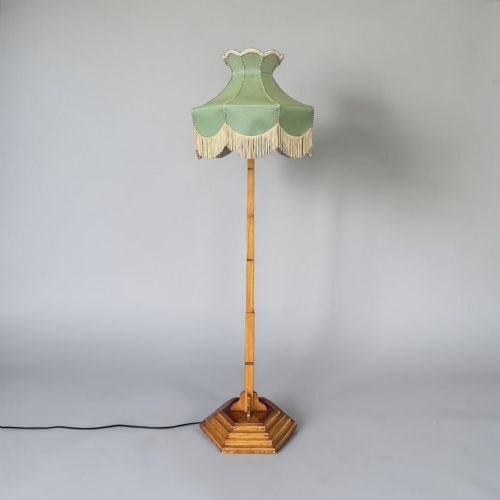
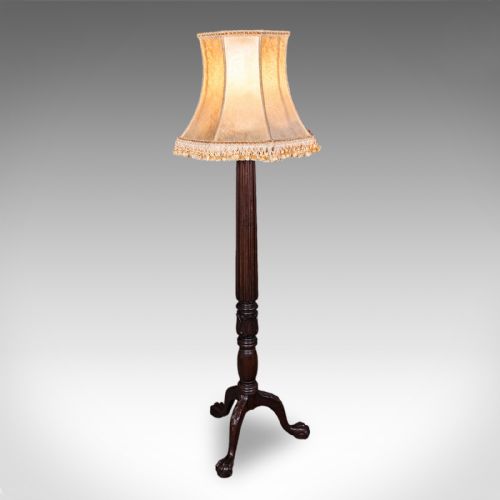
A wooden standard lamp base is a tall floor-standing upright designed to support lighting, appearing frequently in oak, mahogany, and walnut across this selection. These vertical pieces emerge in various historical idioms, ranging from clean geometric Art Deco designs to revivalist interpretations of Georgian and Victorian forms.
Buyers seeking a wooden standard lamp base will encounter pieces stretching from the nineteenth century into the mid-twentieth century, including sturdy oak columns and slender turned pine shafts. Certain examples incorporate decorative flourishes like giltwood accents, tripod configurations, or carved details that elevate them beyond mere utility.
The selection here encompasses floor lamps and standard lamps alongside related tall forms, demonstrating how domestic lighting evolved through different eras of interior taste. Each upright timber post reflects the prevailing woodworking fashions of its decade, from cottage styles to streamlined skyscraper aesthetics.
How they were made
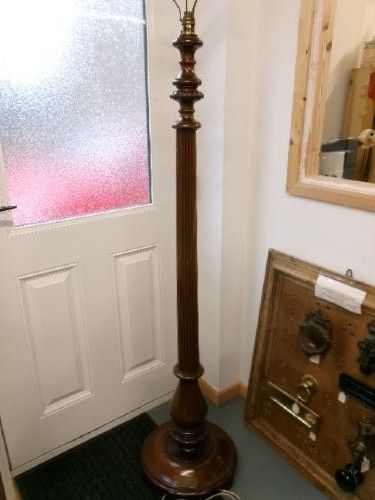
Timbers such as oak, mahogany, and walnut form the core structural shafts of these pieces, often shaped on a lathe to create balanced turned columns. Cabinet makers utilised traditional joinery techniques to secure the upright poles firmly to heavy weighted or tripod bases for stability.
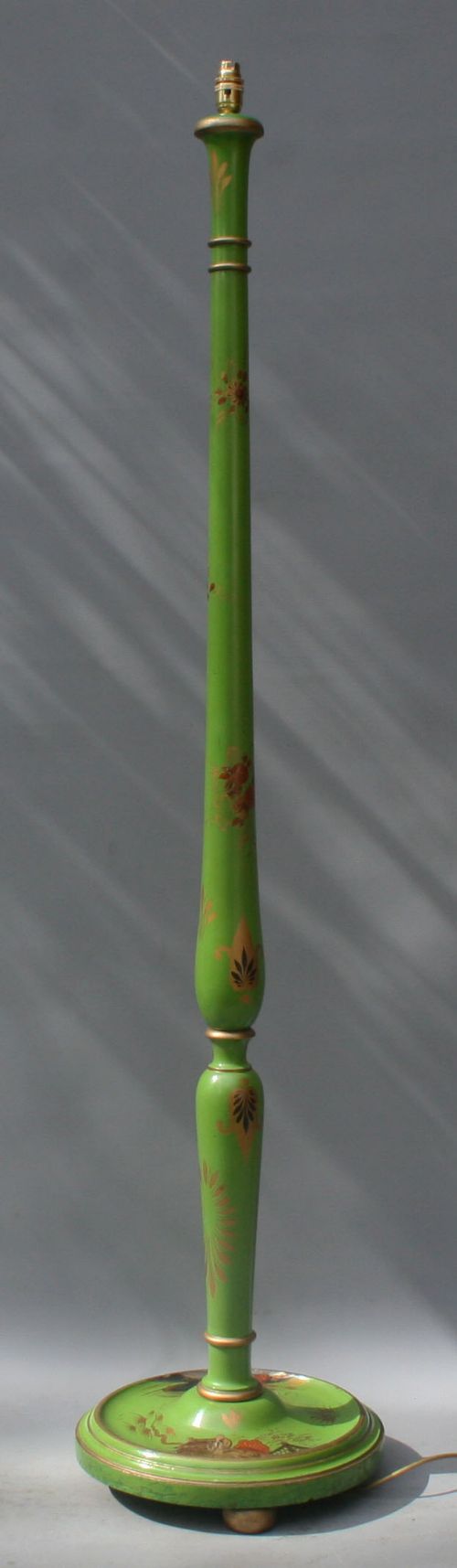
Surface treatments range from simple limed finishes and clear polish to rich gilding and marbleized effects on wood bases. Craftsmen applied carved detailing by hand, particularly on revivalist and Chinoiserie iterations where decorative texture defines the silhouette.
Wooden Standard Lamp Base Retail Price Guide 2026
Typical asking prices for wooden standard lamp base among the pieces listed under this phrase on Sellingantiques today, from the lower quarter to the upper quarter. They describe what is for sale here now, not the wider market.
Listings feature oak, mahogany, walnut, pine, and brass, spanning the Victorian era through the Art Deco period.
What varies in quality
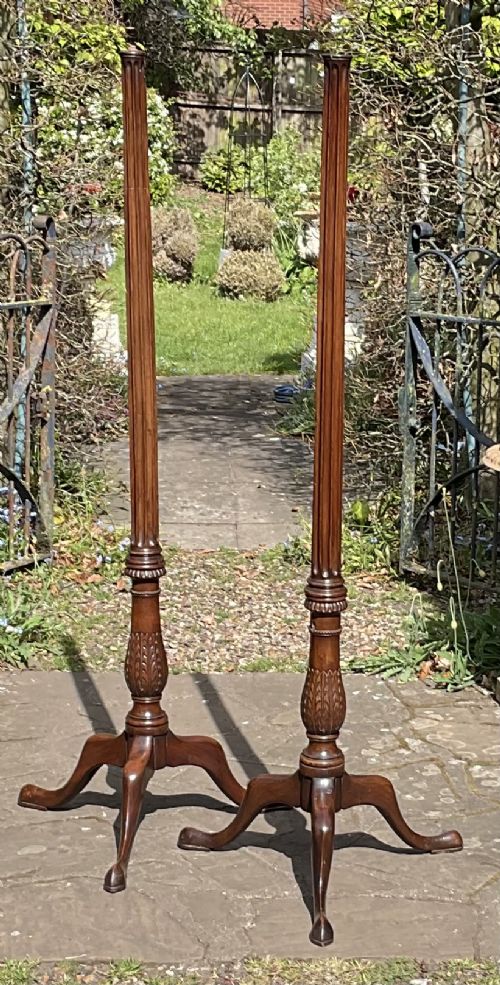
The sophistication of the turning and the crispness of any carved ornamentation distinguish finer wooden standard lamp bases from simpler utilitarian shop production. Denser hardwoods like mahogany and figured walnut generally indicate a more deliberate choice of materials by the original maker.
Proportion and stance dictate visual success, with better examples displaying a harmonious balance between the height of the shaft and the spread of the base. The integration of decorative elements like gilt highlights or stepped Art Deco tiers further separates standard production from exceptional work.
The Wooden Standard Lamp Base Glossary
- Standard lamp
- A tall floor-standing lamp designed to sit directly on the floor rather than a piece of furniture. These vertical posts distribute ambient light at eye level.
- Tripod base
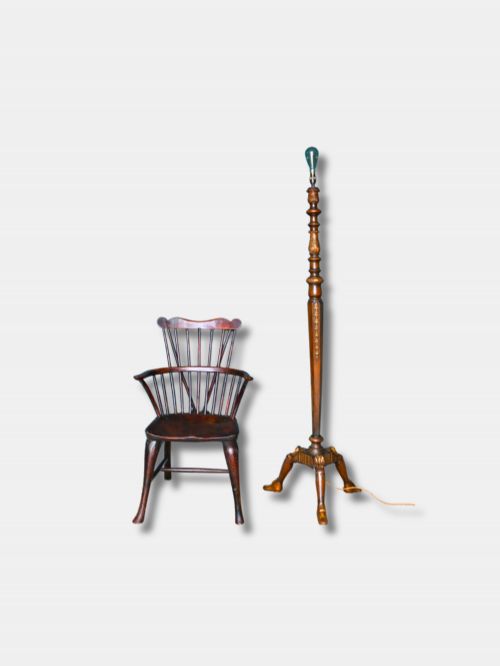
- A three-legged support structure beneath a standard lamp that provides stability. This configuration frequently appears on twentieth-century English timber models.
- Giltwood
- Timber that has been coated with gold leaf or a gold-coloured metallic finish. This decorative treatment adds brightness and contrast to carved wooden surfaces.
- Art Deco
- A design style spanning the 1920s and 1930s characterised by geometric symmetry, clean lines, and stepped skyscraper motifs. Pieces from this period often utilise golden oak or walnut.
- Chinoiserie
- European decorative style inspired by Chinese artistic traditions, often featuring painted or lacquered motifs on furniture and lighting. These bases introduce distinct visual pattern to a room.
Wooden Standard Lamp Base: Frequently Asked Questions
How do I wire an old lamp base?
Rewiring requires running modern flexible cable up through the internal channel of the timber shaft to a compliant lamp holder. It is wise to consult a qualified electrician to ensure the internal components meet current safety standards.
Older bases often feature narrow channels that benefit from professional threading techniques. Modern plugs and earth wiring complete the updating process while preserving the historic timber exterior.
Where should I place a standard lamp?
These tall wooden uprights suit corners, beside reading chairs, or flanking larger pieces of furniture where vertical height balances the room. Positioning them near seating areas provides effective directional or ambient illumination.
Ensure the floor beneath the heavy timber base is level to maintain proper vertical alignment. A sturdy tripod or stepped platform keeps the tall shaft stable in high-traffic domestic spaces.
How do I match a shade to a base?
Selecting a shade involves balancing the visual weight of the timber column with the proportions of the fabric top. Tapered or drum shades often complement the vertical thrust of turned wooden shafts.
Consider the finish of the wood, such as dark mahogany or light limed oak, when choosing fabric colours and textures. Fabric shades soften the direct light emitted near the top of the standard lamp.
What periods do these lamp bases come from?
The listings span from the Victorian and late nineteenth-century periods through the Edwardian era and into the Art Deco styles of the 1920s and 1930s. Revivalist pieces also draw inspiration from Georgian and William IV aesthetics.
Each decade brought distinct turning styles and timber preferences, from heavy oak columns to slender painted or gilt supports. Examining the base construction and wood type helps identify the likely era of manufacture.