

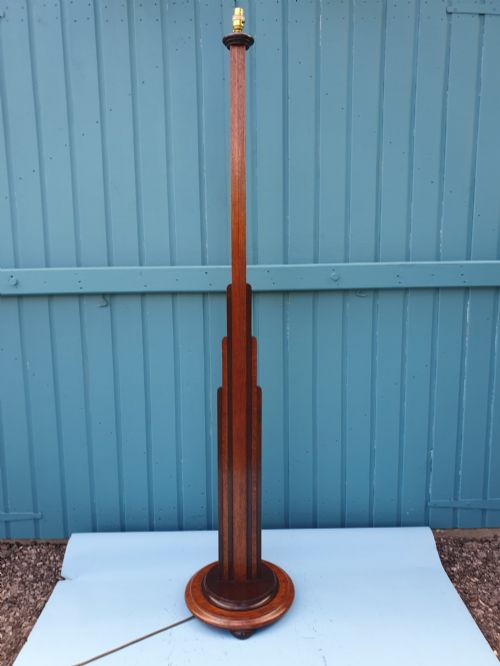


Geometric Oak Lamp
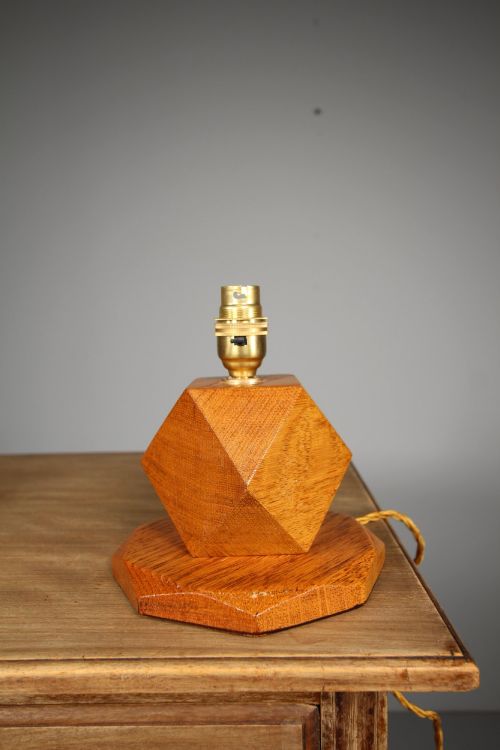
A geometric oak lamp brings striking lines and solid timber warmth to a room.
Geometric Oak Lamp
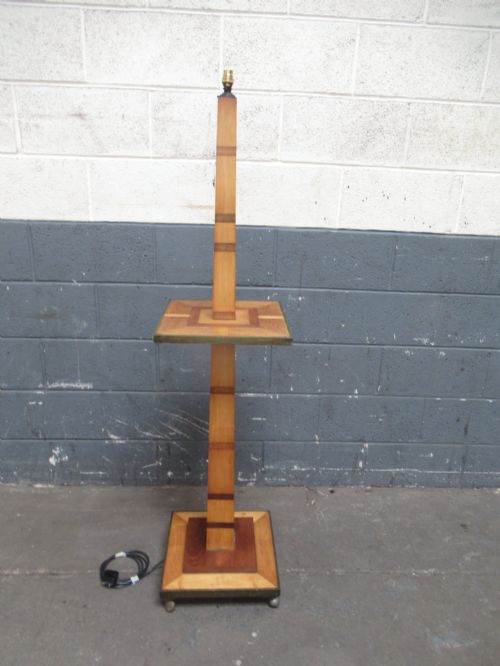
A geometric oak lamp takes the form of a standard lamp or floor lamp, built during the 1920 or 1930 periods. These vertical pieces stand out for their strong architectural silhouettes, rooted in Art Deco design.
Buyers seeking a geometric oak lamp encounter upright floor lighting fashioned from timber, sometimes accented with contrasting details like ebony. They serve as functional lighting while acting as sculptural focal points in a room.
How they were made
Makers utilised solid oak and golden oak, sometimes combining the primary timber with contrasting ebony details. Construction relied on traditional woodworking joinery to build stable vertical shafts and sturdy bases.
Designers applied Art Deco and skyscraper aesthetics directly to the timber forms, shaping columns and bases into stepped or geometric profiles. The resulting standards balance heavy wood construction with refined vertical lines.
Geometric Oak Lamp Retail Price Guide 2026
Typical asking prices for geometric oak lamp among the pieces listed under this phrase on Sellingantiques today, from the lower quarter to the upper quarter. They describe what is for sale here now, not the wider market.
Skyscraper lamps let you bring New York architecture into your living room without the commute.
What varies in quality
Quality rests in the purity of the geometric line and the selection of the oak timber. Pieces with thoughtful contrast, such as ebony elements paired with golden oak, demonstrate a higher degree of design ambition.
The architectural presence of the standard lamp dictates its standing within the range. Stronger proportions and clean execution of the Art Deco or skyscraper style distinguish the finer examples from simpler utilitarian pieces.
The Geometric Oak Lamp Glossary
- Standard lamp
- A tall floor-standing light fixture designed to illuminate a room from standing height. These pieces often feature an upright wooden column supported by a weighted or wide base.
- Art Deco
- A design style spanning the 1920 and 1930 periods, characterised by sleek geometric shapes, streamlined forms, and modern industrial influences. It departed heavily from ornate Victorian decoration.
- Skyscraper style
- An architectural and decorative motif from the Art Deco era defined by stepped vertical lines resembling modern high-rise buildings. This aesthetic translates into ascending tiers on lamp standards and furniture.
- Ebony
- A dense, dark black hardwood utilised historically for contrasting inlays and detailing against lighter timbers like oak. Its deep colour accentuates geometric lines.
Geometric Oak Lamp: Frequently Asked Questions
How do I date an oak standard lamp?
Dating relies on examining the stylistic vocabulary and construction methods visible in the timber standard. Pieces from the 1920 and 1930 periods typically display Art Deco or skyscraper motifs rather than traditional curves.
Look for stepped geometric profiles and the integration of modern materials like ebony alongside oak. The absence of heavy Victorian carving points directly toward the interwar modernist shift.
Where should I place a floor lamp?
A tall standard lamp suits corners, reading areas, or spaces beside seating furniture where vertical height balances low tables. Their architectural presence allows them to anchor empty wall zones.
Ensure the base has adequate floor space to rest stably, letting the timber column draw the eye upward. Position the fixture to complement nearby side tables or occasional tables from the same period.
What styles define these lamps?
The dominant style is Art Deco, often expressed through skyscraper or modernist geometries. These designs emphasise clean vertical shafts and stepped bases rather than organic floral motifs.
Craftsmen prioritized architectural silhouettes, using the natural grain of oak and contrasting ebony to accentuate the sharp angles and linear forms of the interwar years.