




Wooden Slope Top Desk
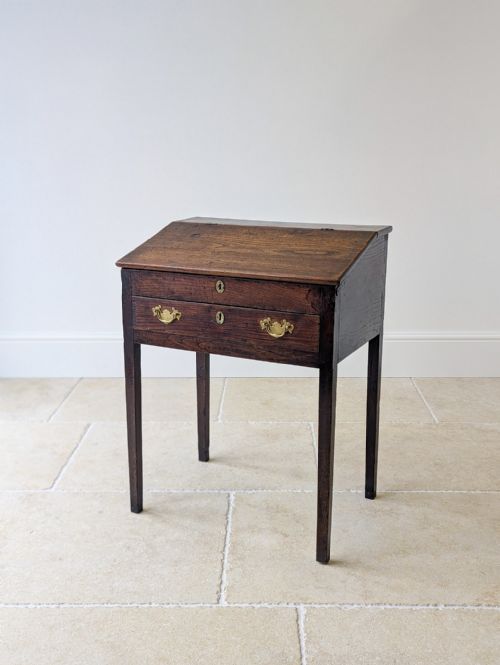
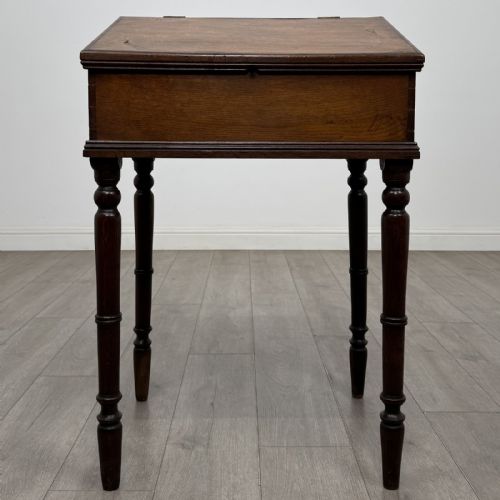
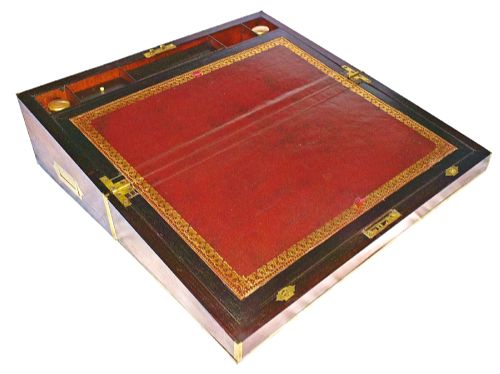
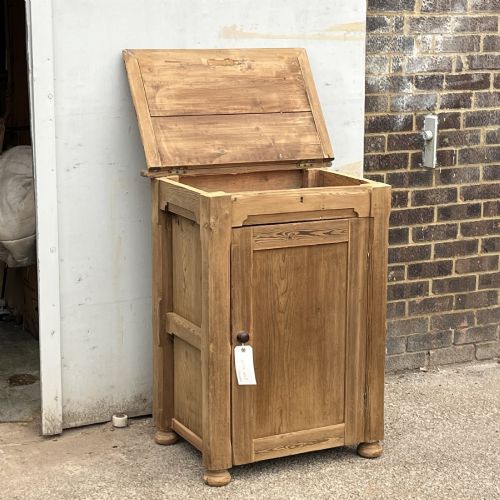
A wooden slope top desk offers a sloping writing surface hinged to reveal compartments, bringing traditional craftsmanship and practical workspace organisation into a room.
Wooden Slope Top Desk
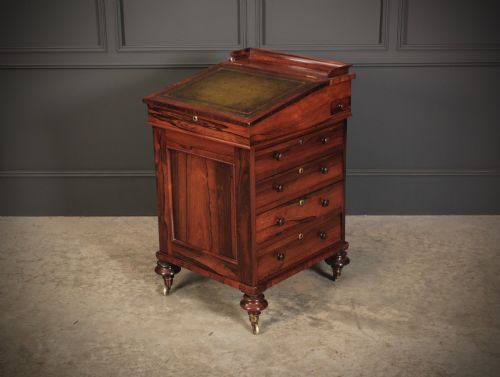
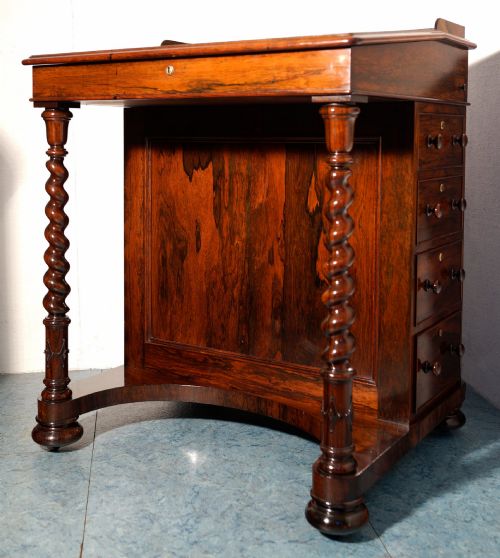
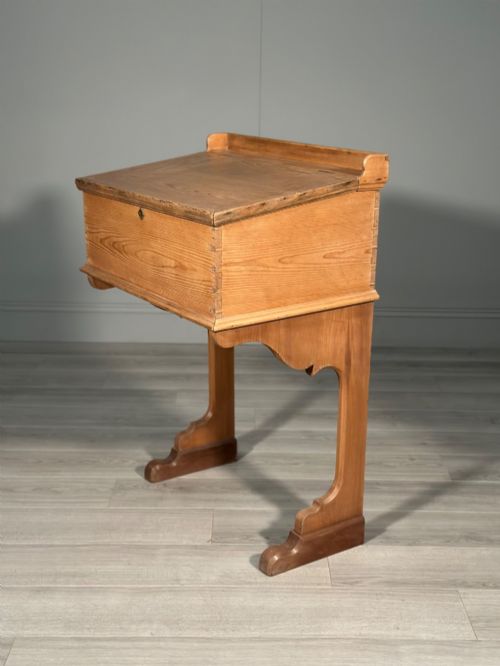
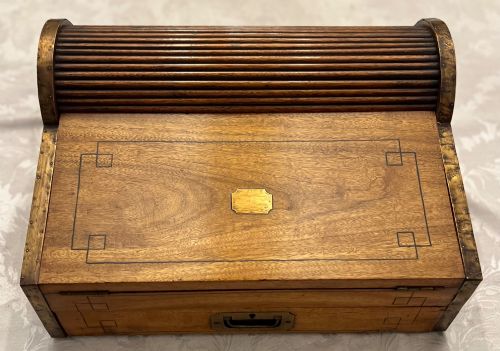
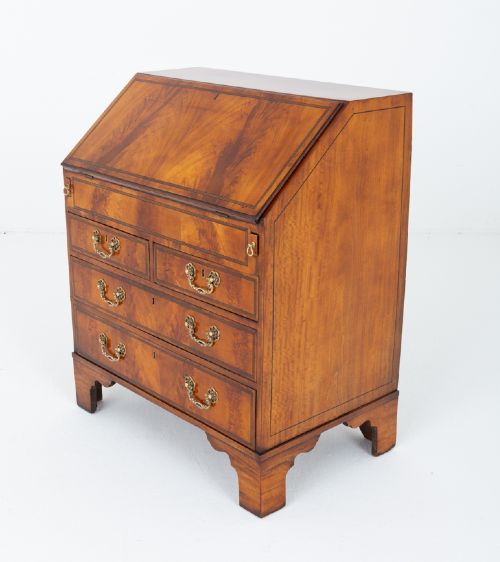
When you search for a wooden slope top desk, you encounter various forms designed for handwriting, ranging from compact desk boxes to large bureaux and Davenport desks. The pieces span the 17th, 18th, 19th and early 20th centuries, reflecting the evolving styles of Georgian, Victorian and Edwardian cabinet making.
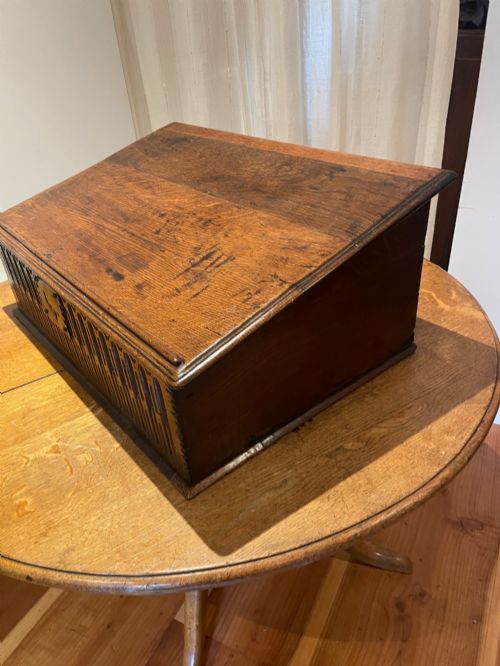
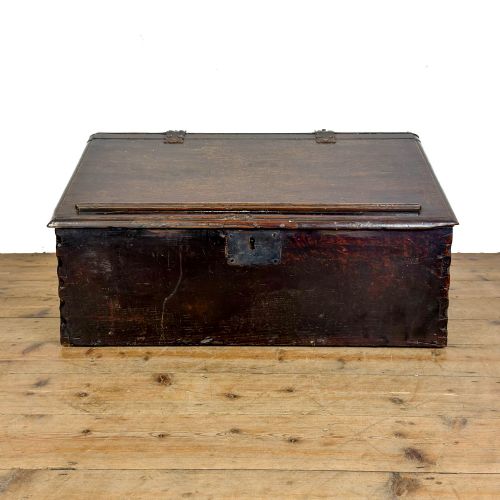
You are most likely to meet Victorian burr walnut Davenport desks and 19th-century mahogany writing slopes on this page, alongside earlier oak bible boxes and Georgian clerks desks. These objects served domestic, scholarly and professional purposes, providing a designated writing plane before the dominance of modern office furniture.
How they were made
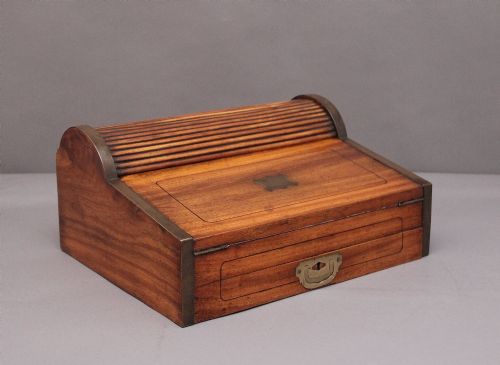
Cabinet makers built these pieces using native and exotic timbers such as oak, mahogany, burr walnut, camphor wood and rosewood, often selecting veneers to create decorative patterns on the sloping lids. Solid timbers formed the structural carcases of earlier pieces, while later designs utilised secondary framing timbers underneath polished veneers.
Hardware played a functional and decorative role, with brass hinges, inset handles, lock plates and occasional ironwork securing the lids and internal compartments. Interiors frequently incorporated satinwood secondary woods, fitted pigeonholes and leather writing inserts glued to the folding surfaces.
Wooden Slope Top Desk Retail Price Guide 2026
Typical asking prices for wooden slope top desk among the pieces listed under this phrase on Sellingantiques today, from the lower quarter to the upper quarter. They describe what is for sale here now, not the wider market.
Several writing slopes retain secret compartments hidden behind removable pigeonhole blocks, designed to guard private correspondence from curious household eyes.
What varies in quality
The standard of timber selection and grain matching distinguishes finer examples, particularly in burr walnut and mahogany pieces where symmetrical veneers demonstrate the maker's skill. Superior execution shows in the precision of dovetail joints on drawers and the retention of original interior fittings rather than modern replacements.
Subtlety of proportion and the preservation of original brasswork, leather inserts and maker labels elevate a piece above standard utilitarian production. Lower tiers of quality present simpler pine construction or heavy later alterations that obscure the original period form.
Maple And Co·Pairs MFG Co·F Waller
The Wooden Slope Top Desk Glossary
- Bible Box
- A small wooden box with a slanted lid, historically used to hold texts and writing materials before dedicated desks became common.
- Davenport
- A compact pedestal desk featuring a sloped writing surface on top of a set of drawers, popular during the Victorian period.
- Bureau
- A desk with a hinged sloping flap that drops down to form a writing surface above a series of drawers.
- Campaign
- Portable furniture made in sections with brass mounts and flush handles, designed for military officers on the move.
- Gallery
- A raised wooden or metal railing along the back edge of a desk top to prevent items from sliding off.
Wooden Slope Top Desk: Frequently Asked Questions
What is a slope top desk?
A slope top desk is a piece of furniture featuring an inclined writing surface, which often lifts or drops down to provide access to internal storage compartments for paper and ink.
These desks range from portable tabletop writing boxes placed on ordinary tables to large freestanding pedestal desks and bureaux used in studies and offices.
How were slope top desks used?
Historically, these desks provided a comfortable angle for handwriting with quill or pen before the widespread use of typewriters and computers. The sloping lid supported the paper while internal pigeonholes and small drawers kept correspondence and stationery organised.
Portable versions allowed travellers and military officers to carry their writing equipment securely from place to place. Larger stationary models remained fixed in studies, offices and reception areas.
How do I live with a wooden slope top desk?
Placing a slope top desk in a study, living room or hallway introduces a functional focal point with built-in storage for modern stationery or laptops. The enclosed compartments help maintain a tidy surface when the writing flap is closed.
Care for the timber involves keeping the piece away from direct heat sources and sunlight to protect polished wood and leather writing inserts from drying out.
How do I tell periods apart?
Identifying periods relies on observing construction methods, timber choices and prevailing design styles across different centuries. Early pieces from the seventeenth and eighteenth centuries commonly feature solid oak or walnut with hand-cut joinery and heavy iron or brass hardware.
Nineteenth-century Victorian and Edwardian examples frequently showcase exotic veneers like burr walnut and mahogany, alongside satinwood interiors, machine-made dovetailed drawers and refined brass fittings.