





Wooden Shelf Lamp
These wooden shelf lamp selections combine surface utility with domestic illumination, spanning periods from the eighteenth century to the twentieth.
Wooden Shelf Lamp
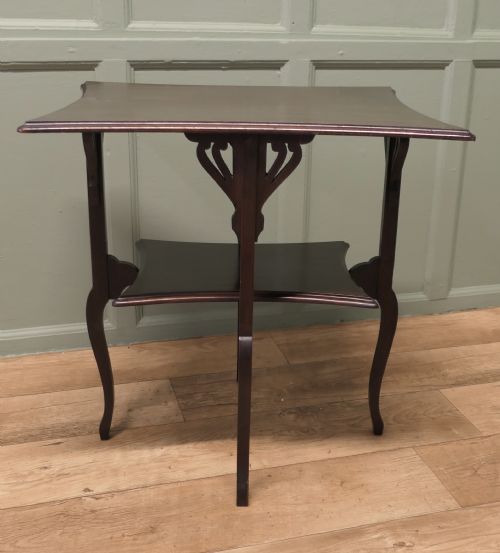
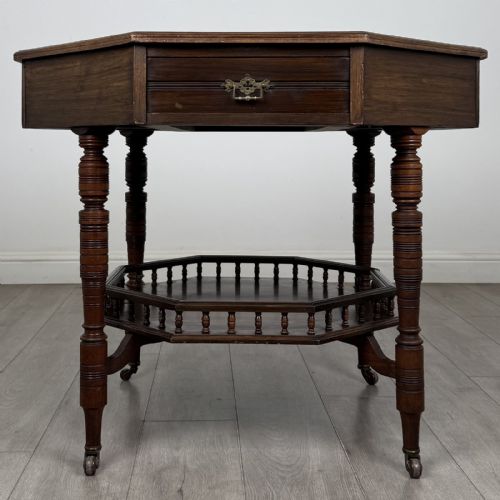
A wooden shelf lamp brings together small furniture forms and lighting, appearing primarily across occasional tables, side tables, and standard lamps drawn from Edwardian, Arts and Crafts, and earlier vernacular traditions. When searching for a wooden shelf lamp, you encounter pieces that integrate tiering or lower platforms directly beneath or beside a light source.
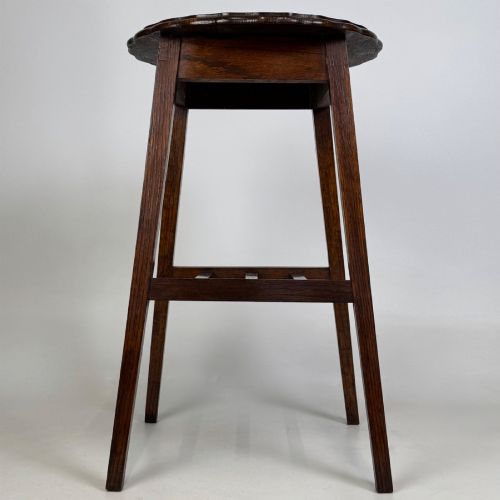
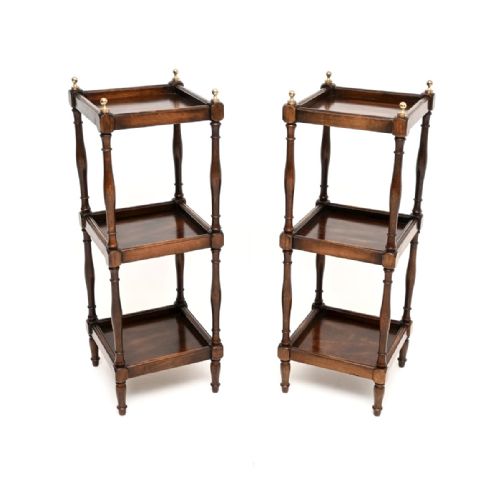
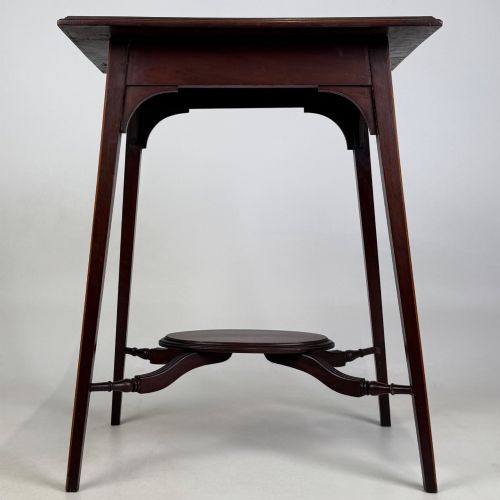
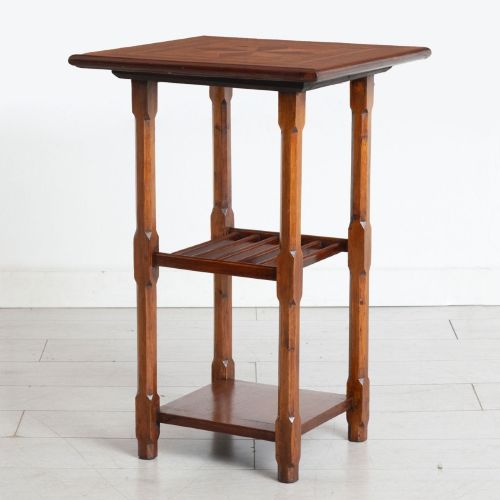
The objects stem from periods including the eighteenth century, nineteenth century, and twentieth century, with Edwardian and Arts and Crafts examples featuring prominently. These take the shape of cricket tables, etagères, and multi-tiered occasional tables adapted to hold lighting.
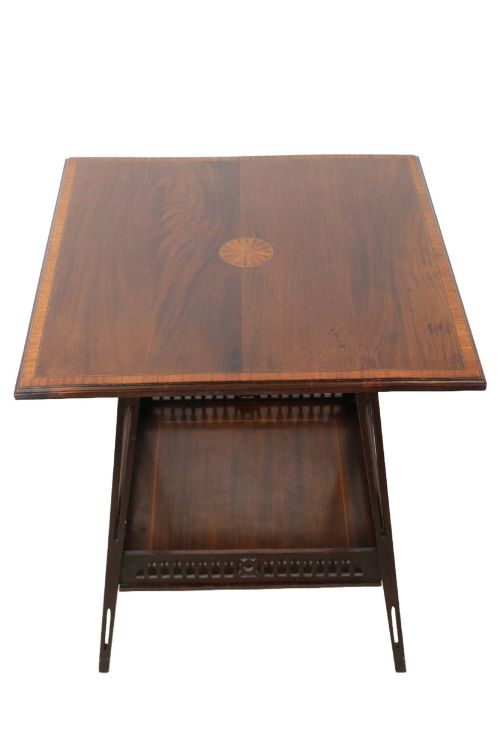
Makers and workshops of the Edwardian era alongside earlier vernacular joiners produced these items to serve dual purposes in domestic interiors. The forms range from simple oak cricket tables to inlaid mahogany occasional tables fitted for electrical or candle illumination.
Materials and construction methods
Construction relies heavily on timbers such as oak, mahogany, walnut, and elm, supplemented by decorative elements like boxwood and wood inlay. Cabinetmakers utilised solid hardwoods for structural integrity, particularly in vernacular cricket tables and Arts and Crafts oak pieces.
Surface ornamentation incorporates brass fittings, fretwork, and detailed carving, seen particularly on Edwardian and Sheraton Revival pieces. Joinery techniques range from traditional pegging in eighteenth-century oak frames to sophisticated veneering and inlay on nineteenth- and twentieth-century occasional tables.
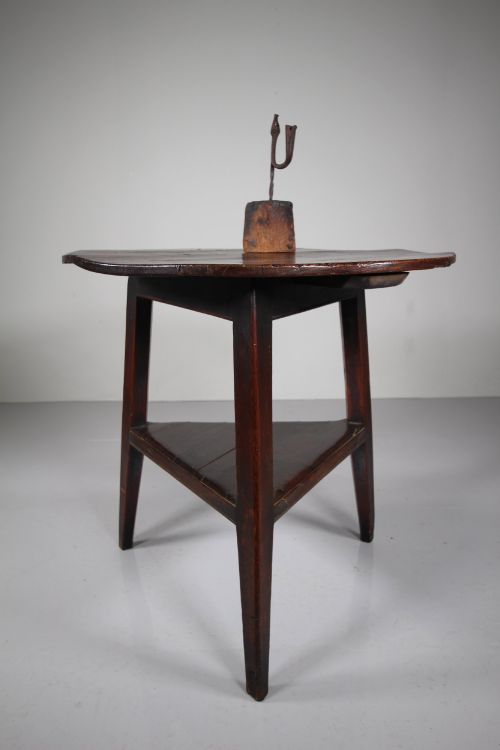
Some cricket tables retain traces of Welsh paint, having survived centuries of domestic service beside hearths before finding new life holding lamps.
Evaluating craftsmanship and build
Quality rests upon the selection of timber and the precision of the joinery, distinguishing utilitarian items from finer cabinetwork. Superior examples display carefully matched grain patterns, intact wood inlay, and structurally sound tiers that support weight without sagging.
The sophistication of the design dictates the tier in the range, from plain country vernacular elm and oak tables to refined Edwardian mahogany and satinwood pieces with carved details. Original brass elements and cleanly executed fretwork further elevate the standing of a piece.
Trevor Page & Co
The Wooden Shelf Lamp Glossary
- Cricket table
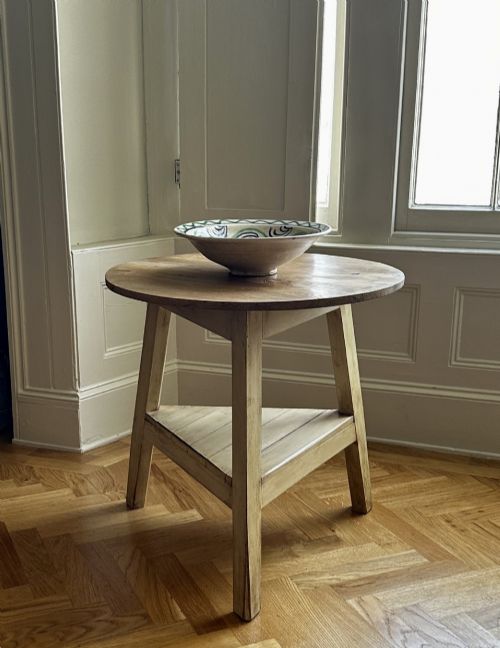
- A small three-legged wooden table originating from the eighteenth century, traditionally featuring a round top and triangular shelf underneath. This form provides stable footing on uneven floors.
- Etagere
- A set of open shelves for displaying small objects, sometimes adapted to incorporate lighting or function as a lamp table. These multi-tiered pieces maximise vertical space in compact rooms.
- Wood inlay
- The technique of inserting pieces of contrasting timber into a recessed wooden surface to form decorative patterns. It appears frequently on Edwardian and Sheraton Revival occasional tables.
- Arts and Crafts
- A design movement valuing handcraftsmanship, simple forms, and visible construction methods over mass production. Pieces from this style often utilise plain oak and honest joinery.
- Occasional table
- A small, movable table designed for specific, intermittent use in a principal room. These versatile items frequently serve as the base for shelf lamps.
Wooden Shelf Lamp: Frequently Asked Questions
What is a wooden shelf lamp?
A wooden shelf lamp is a piece of furniture that combines a table or tier with a lighting fixture, providing a surface for small items alongside a light source.
These items appear across various historical periods, frequently taking the form of occasional tables, etagères, and standard lamps with built-in shelves.
How do I date a wooden shelf lamp?
Dating relies on identifying the prevailing style, timber choices, and construction methods visible in the piece. Edwardian and Arts and Crafts examples often feature specific inlay work or plain oak surfaces distinct from earlier eighteenth-century vernacular items.
Examining the joinery and hardware, such as brass fittings, helps confirm the era of manufacture.
Where should I place a wooden shelf lamp?
These versatile pieces suit placement beside seating areas, in hallways, or as bedside fixtures where surface space and illumination are both required simultaneously.
Their compact scale, particularly in etagères and occasional tables, allows them to fit easily into smaller corners of a room.
What woods were used for these lamps?
Cabinetmakers and vernacular makers utilised a range of hardwoods including oak, mahogany, walnut, elm, and satinwood. Decorative elements often incorporated boxwood for contrasting inlay.
Selection of timber frequently reflects the period and stylistic movement of the object, from country oak to refined mahogany.