
Wooden Settle Box Seat
A wooden settle box seat offers the solid seating and hidden storage that defined centuries of country domestic life.
Wooden Settle Box Seat
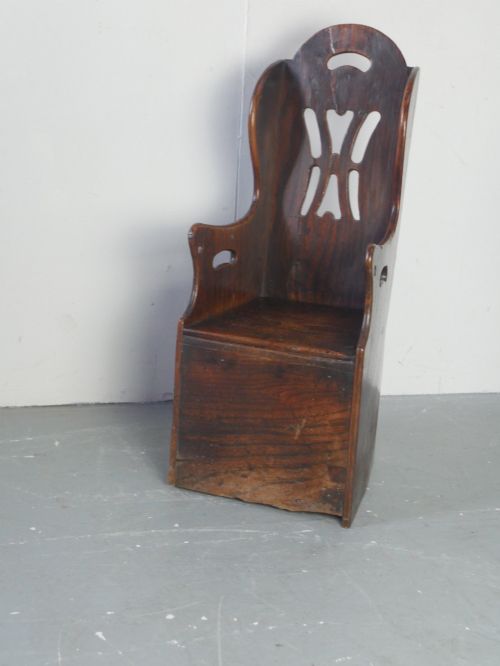
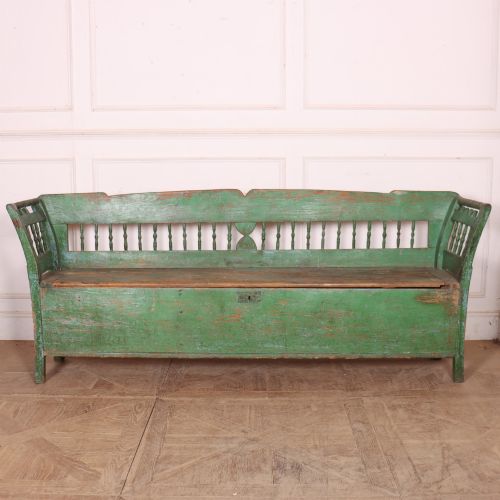
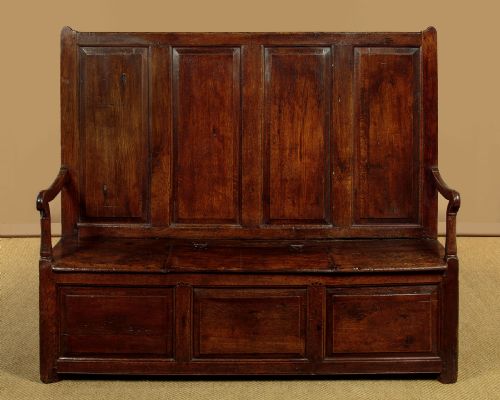
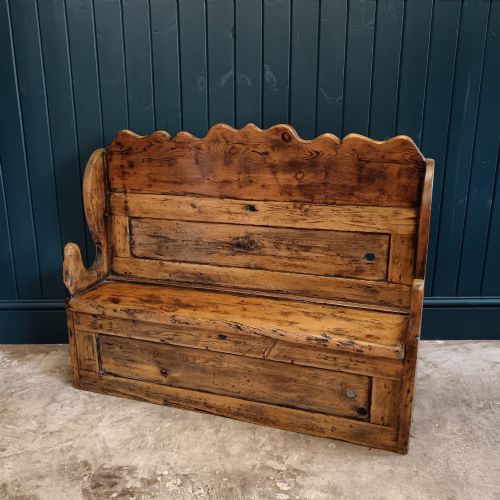
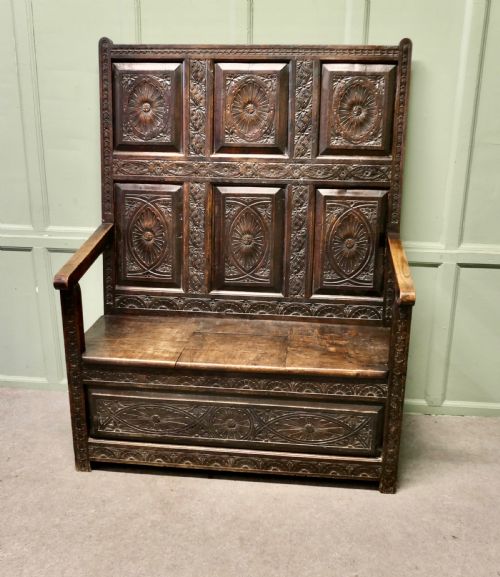
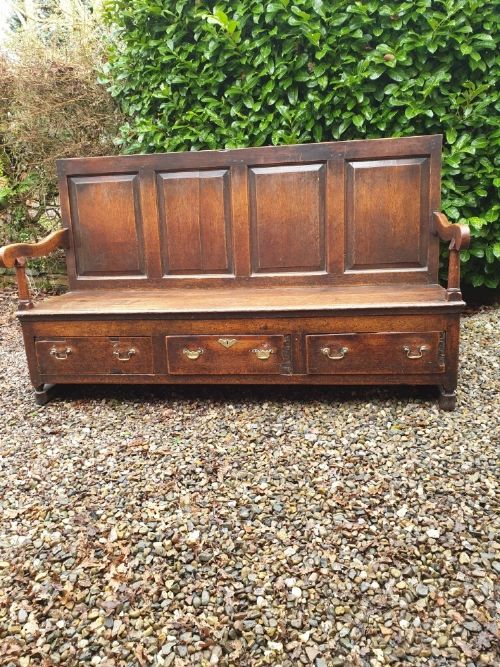
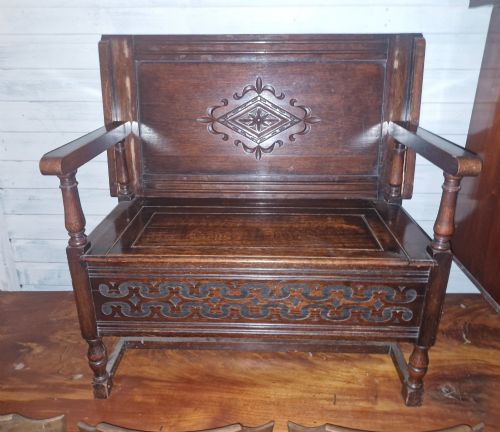
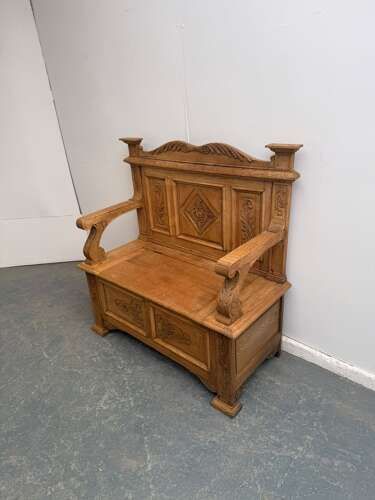
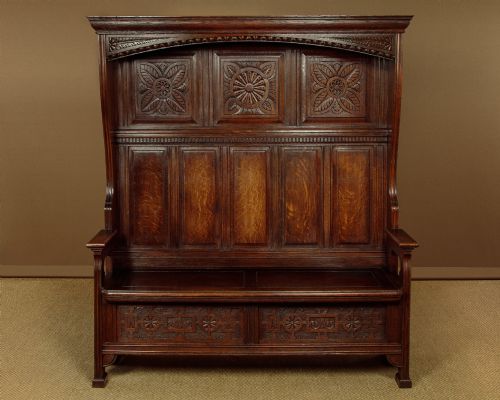
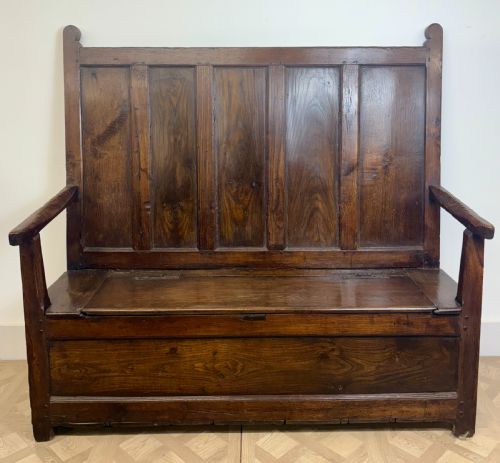
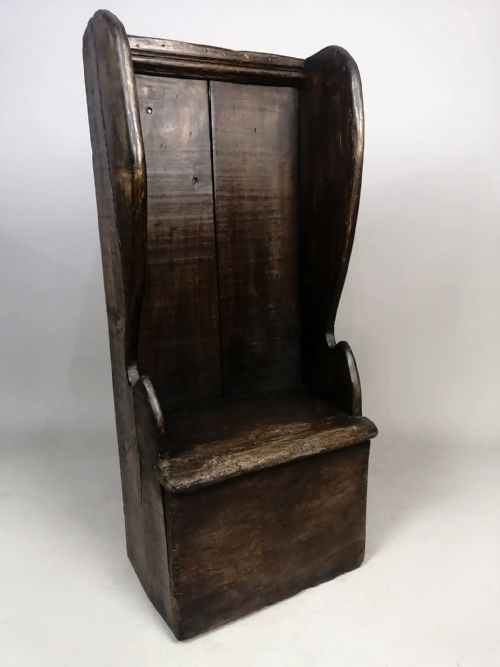
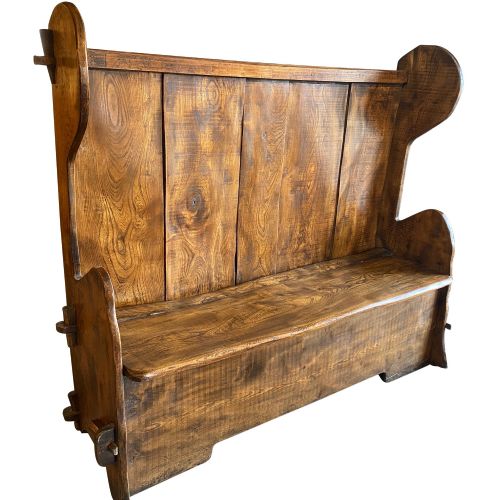
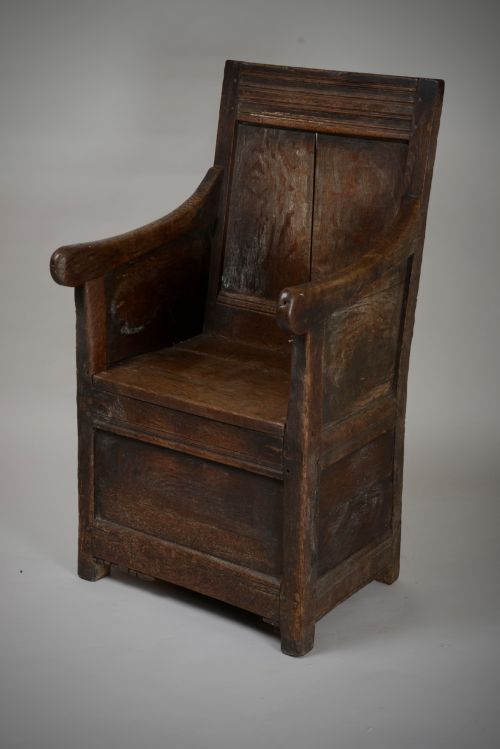
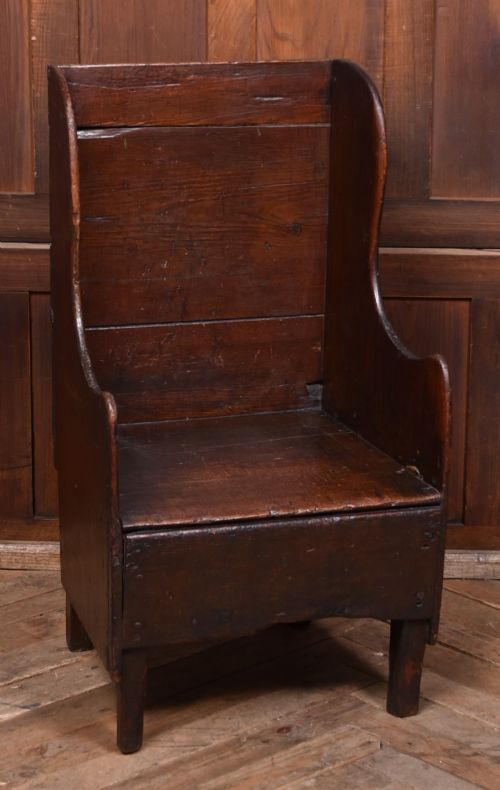
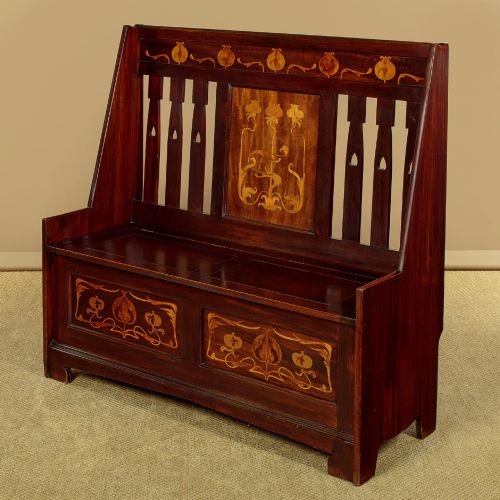
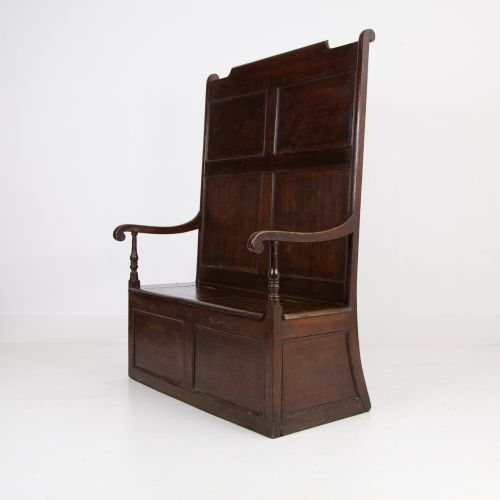
When searching for a wooden settle box seat, you encounter high-backed benches designed to block draughts while housing storage beneath the hinged lid. These pieces appear in forms ranging from compact child-sized examples to large country house versions designed for communal halls.
The versions most commonly met on this page date from the eighteenth and nineteenth centuries, constructed predominantly in oak, pine, and elm. Regional variations include Welsh, English, and continental examples, often featuring panelled backs or primitive painted finishes.
Object types frequently overlap with hall benches and lambing chairs, yet the defining characteristic remains the enclosed box base beneath the seat. This form combines the utility of a chest with the posture of a rigid high-backed bench.
How they were made
Joiners built these seats using solid native timbers such as oak, elm, and pine, joined primarily through traditional mortise and tenon methods. Panels were often fielded or pegged into heavy framework to allow for seasonal wood movement without splitting.
Secondary structural elements incorporate iron hinges and brackets to support the heavy lift-up lids of the box seats. Surfaces received wax finishes to highlight the grain or coats of paint that varied from simple regional pigments to decorative schemes.
Some early examples include narrow side wings specifically designed to trap the heat from an open hearth around the sitter.
What varies in quality
The distinction between ordinary utility items and finer examples rests largely on the choice of timber and the depth of surface carving. Early oak and walnut pieces with intact panel work and original joins command greater attention than heavily adapted or later pine variants.
Proportion and structural integrity dictate the standing of a piece, particularly where arms, high backs, and original box bases remain unaltered by later repairs. The presence of untouched original painted surfaces or mellow wax patination elevates the character of country furniture.
James Shoolbred & Co
The Wooden Settle Box Seat Glossary
- Box settle
- A high-backed wooden bench featuring an enclosed storage compartment accessed via a hinged seat. This form served to keep rooms warm by blocking cold air while storing household linens or dry goods.
- Panel-back
- A construction method where wooden frames hold thinner floating panels in place, allowing the wood to expand and contract. This technique prevents warping on large flat surfaces like the backs of settles.
- Cassapanca
- An Italian chest bench combining a backrest and arms with a deep storage box below. These pieces often display more ornate carved ornamentation than their British country counterparts.
- Lambing chair
- An enclosed wooden armchair with wings designed to shield the sitter from draughts, occasionally featuring a small under-seat box. These compact variants provide similar utility to larger settles in a single-seat format.
- Primitive
- A descriptive term for country-made furniture constructed with straightforward techniques and local materials. These pieces prioritize function over refined stylistic conventions.
Wooden Settle Box Seat: Frequently Asked Questions
What rooms suit a wooden settle box seat?
These benches fit naturally into hallways, kitchens, or boot rooms where their high backs manage draughts and the box seat provides practical storage for everyday items. Their substantial forms anchor large wall spaces effectively.
Placement benefits from positioning them against solid interior walls to showcase the panelled backs and maintain stable room circulation.
How do I care for antique pine and oak?
Maintaining these wooden surfaces involves regular dusting with a soft cloth and occasional applications of traditional beeswax to nourish the timber. Avoid placing them near direct heat sources to prevent the wood from splitting.
Protecting the finish from excessive moisture preserves the patination accumulated over centuries of domestic use.
How can I tell an eighteenth-century settle apart from later revivals?
Earlier examples display hand-cut joinery, pegged joints, and timber surfaces showing deep patination and wear consistent with age. Revival pieces from later periods often feature machine-sawn components and standardised construction.
Examining the underside and the interior of the storage box reveals the tool marks and ageing patterns specific to period joinery.
Were these seats used exclusively in kitchens?
While frequently found near hearths to shield occupants from cold air, settles also occupied entrance halls and communal spaces in farmhouses and larger homes. Their enclosed bases served as secure storage for blankets and winter clothing.
Their versatility allowed them to function wherever seating and concealed storage were simultaneously required.