

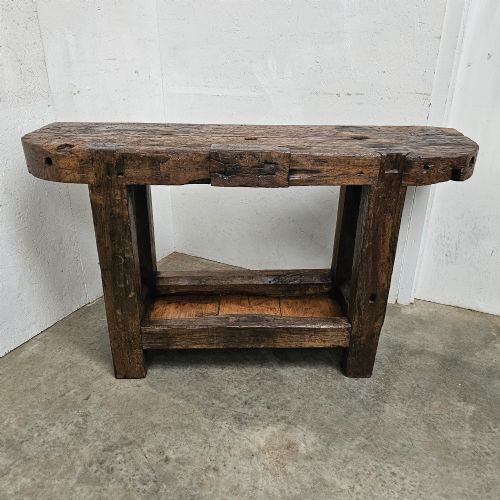
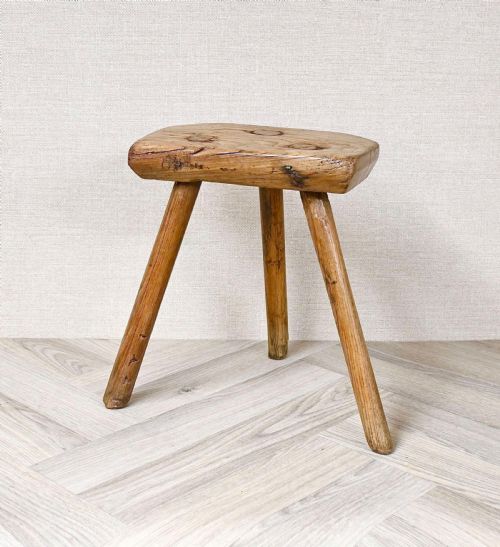


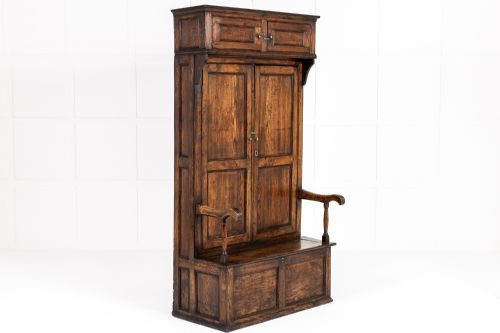
Country Elm Bench
A country elm bench brings honest timber and utility into a room, offering sturdy seating shaped by decades of provincial daily life.
Country Elm Bench
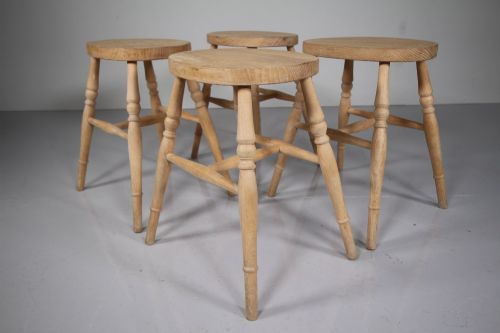
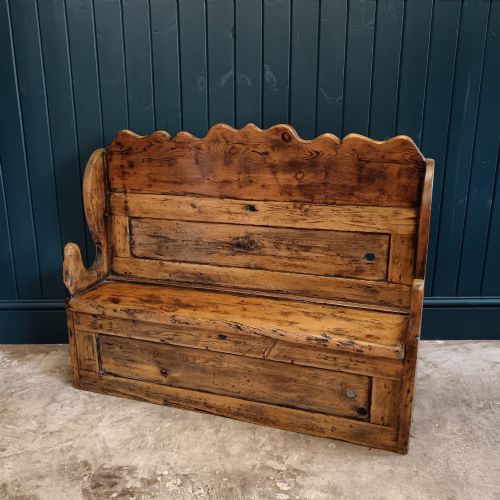
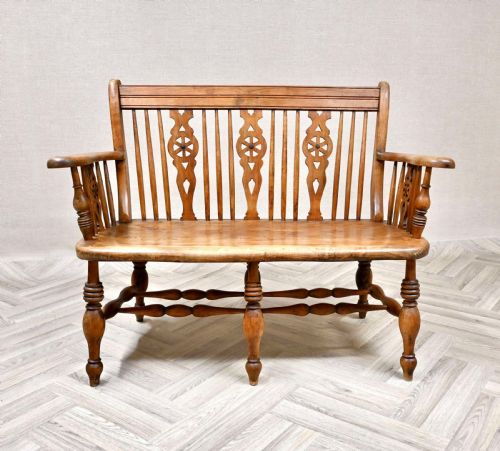
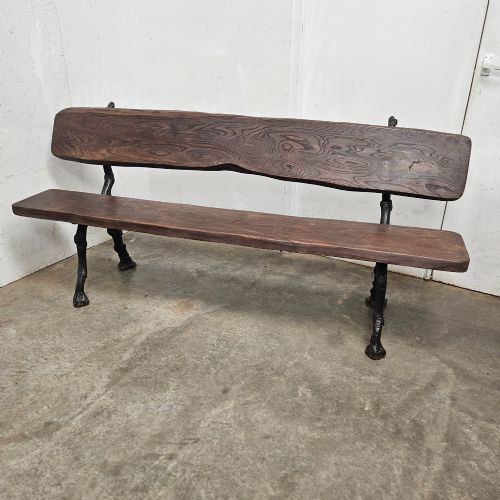
A country elm bench represents the practical seating found in farmhouses, cottages, and provincial workshops over centuries. When you search for a country elm bench, you encounter sturdy forms ranging from long plank seats to high-backed settles with integrated storage.
The pieces listed span multiple eras, most frequently appearing from the nineteenth century alongside eighteenth-century examples and early twentieth-century French items. Alongside benches, related seating such as settles, stools, and trestle tables appear frequently in the inventory.
These forms reflect utilitarian origins in English, Welsh, and French rural settings. They were built for hard service in kitchens, halls, and workspaces rather than formal display.
Materials and construction
Elm provides the primary material due to its interlocking grain and resistance to splitting under heavy use. Cabinet makers and rural joiners paired elm with complementary timbers such as oak, ash, sycamore, and pine for legs, stretchers, and structural frames.
Construction methods rely on traditional joinery suited to unyielding timbers, often combining solid plank tops with robust peg joints or turned legs. Iron fixings occasionally appear on garden variants and functional workbenches to reinforce heavy wear points.
Listings feature periods spanning from the seventeenth century through to the early twentieth century, alongside regional styles including English, French, and Georgian country.
Distinctions in quality
Quality rests in the integrity of the timber and the honesty of the construction rather than applied decoration. Pieces retaining their original thick plank tops and uncompromised structural frames stand apart from those altered or heavily restored over time.
Surface appearance develops through natural wear, where patination reflects generations of handling and cleaning. The depth of the timber grain and the survival of original joinery dictate the standing of an individual piece.
The Country Elm Bench Glossary
- Elm
- A dense, tough hardwood with a twisted grain that resists splitting, traditionally chosen for seating subject to heavy loads.
- Settle
- A wooden bench with a high back, solid arms, and frequently a box compartment beneath the seat for storage.
- Patina
- The surface sheen and colour developed on timber through decades of handling, light, and waxing.
- Plank top
- A solid wooden top formed from broad boards cut directly from a single tree trunk.
- Trestle
- A structural support consisting of a horizontal beam fixed to two splayed legs, commonly used for tables and long benches.
Country Elm Bench: Frequently Asked Questions
What is a country elm bench?
A country elm bench is a utilitarian wooden seat produced in rural workshops for domestic or agricultural use. These pieces utilise durable elm planking combined with timbers like oak and ash.
They reflect regional styles from English, Welsh, and French provincial settings, ranging from simple long forms to high-backed settles.
How were settle benches used?
Settles served as multi-purpose furniture in farmhouse kitchens and halls, providing seating away from cold draughts. The high backs and enclosed sides trapped heat from nearby hearths.
Many examples include lidded boxes beneath the seat, offering secure storage for household goods, blankets, or provisions.
Where did these benches originate?
These benches originated in rural farmhouses, cottages, taverns, and workshops across Britain and France. Regional makers utilised locally felled timber available in their immediate districts.
English, Welsh, and French country traditions each produced distinct proportions and structural details suited to local domestic habits.
How do I care for antique elm?
Antique elm requires stable indoor humidity away from direct heat sources and strong sunlight to prevent timber movement. Maintaining a consistent environment protects the original grain and construction.
Application of traditional wax polish helps nourish the surface and preserves the accumulated patination built up over generations.