

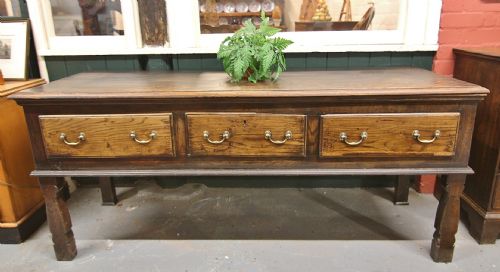

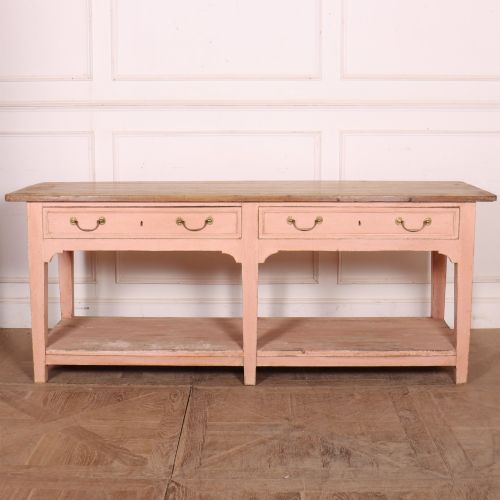
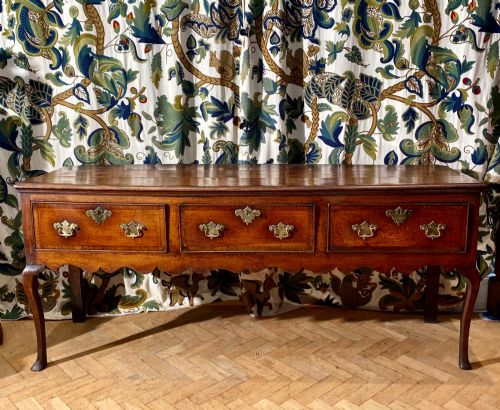
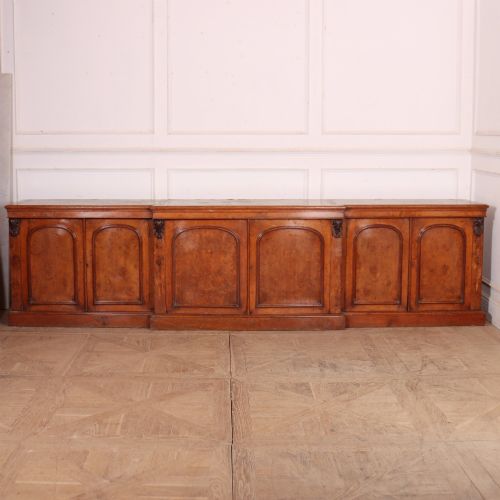



Wooden Server Low Dresser
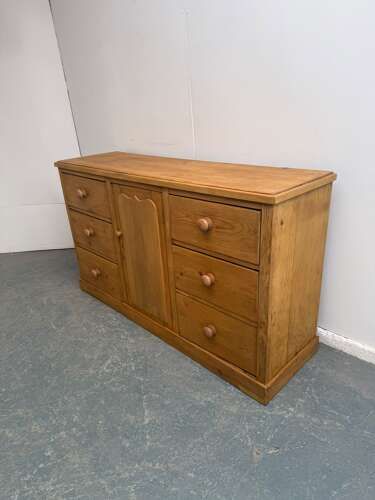
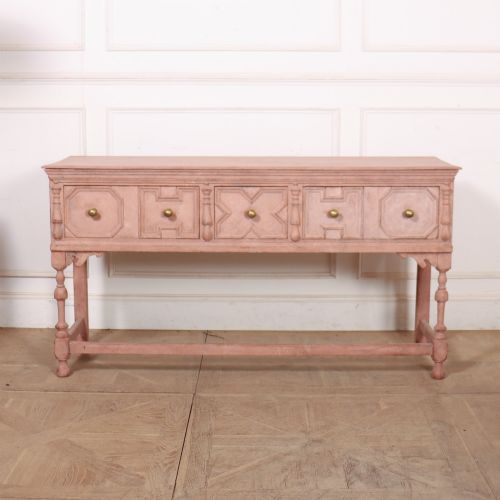
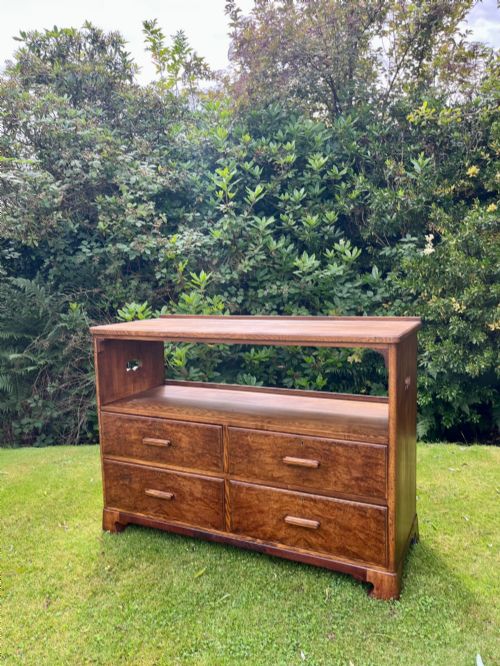
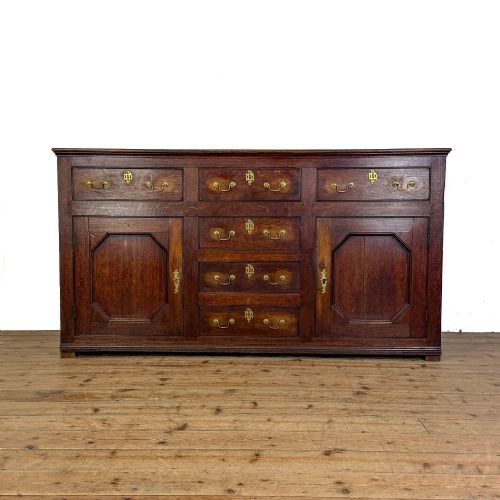
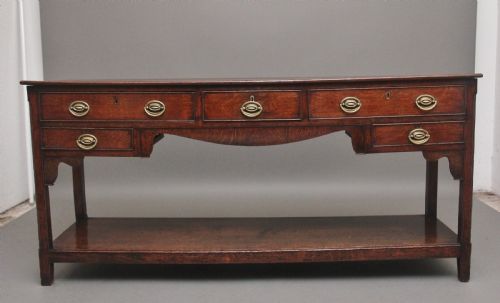
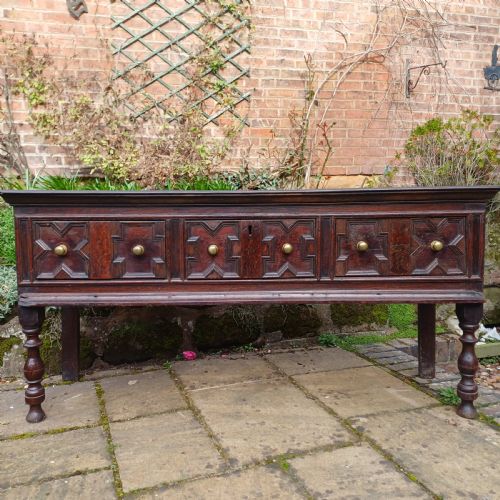
These wooden server low dressers are practical working furniture built for storage and display, offering deep drawers and sturdy surfaces for any kitchen or dining room.
Wooden Server Low Dresser
A wooden server low dresser provides a low surface with drawer storage, serving as a traditional working sideboard in country houses and farmhouses. When you search for this phrase, you encounter heavy timber bases designed to hold kitchen provisions and tableware.
The pieces appearing on this page span several centuries, with a strong representation of 18th century and 19th century examples. Most items take the form of dresser bases or sideboards constructed in regional English, Dutch, and French workshops.
What varies in quality
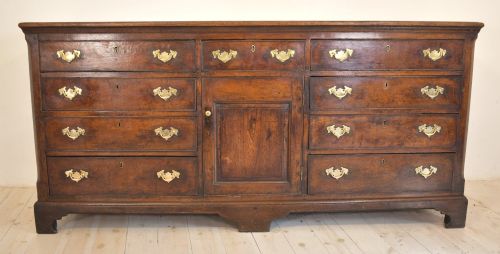
The grade of timber and the proportion of the proportions dictate the standing of each piece. Superior examples utilise dense quartersawn oak or burr walnut with fine grain figures, whilst simpler items employ plain pine or elm.
Construction details reveal the standard of the workshop, from hand cut dovetails on the drawer linings to the retention of original brass hardware and timber backs. Proportion and timber selection separate everyday utility items from finer formal furniture.
Wooden Server Low Dresser Retail Price Guide 2026
Typical asking prices for wooden server low dresser among the pieces listed under this phrase on Sellingantiques today, from the lower quarter to the upper quarter. They describe what is for sale here now, not the wider market.
Listings span from the 17th century through to the 1930s, featuring regional oak, pine, elm, and burr walnut.
Whytock and Reid
The Wooden Server Low Dresser Glossary
- Dresser base
- The lower portion of a traditional kitchen dresser, functioning as a sideboard with drawers and cupboards.
- Potboard
- An open slatted lower shelf fitted between the legs of a dresser base, traditionally used for storing pots and pans.
- Mortise and tenon
- A joint wherein a protruding tenon fits tightly into a matching mortise hole, securing timber frames together without metal fasteners.
- Quartersawn
- Timber cut radially across the growth rings, producing a stable board with distinctive figuring.
- Dovetail
- A joint formed by interlocking wedge shaped fingers, commonly used in drawer construction for tensile strength.
Wooden Server Low Dresser: Frequently Asked Questions
What is a wooden server low dresser used for?
These low furniture pieces function as heavy duty sideboards in dining rooms and kitchens. They provide a flat working surface alongside multiple drawers for cutlery and linen storage.
The lower shelves and cupboards accommodate larger serving dishes and tableware. Their sturdy build makes them suitable for daily domestic use.
How do I date a wooden dresser base?
Dating relies on examining the timber species, tool marks, construction methods, and hardware. Earlier pieces from the 17th century and 18th century often display hand sawn boards and pegged joinery.
Later Victorian and 20th century examples show more uniform machining and modern fixings. Comparing drawer linings and backboards helps establish the era of manufacture.
Where were these low dressers made?
Regional workshops across England, Scotland, Wales, and continental Europe produced these items for rural and urban homes. English country furniture often utilised local oak and elm.
Dutch and French makers employed native woods such as cherry and oak, incorporating regional decorative carvings. Each region developed distinct proportions and hardware choices.
Are these dressers solid wood?
Most pieces on this page utilise solid timbers like oak, pine, elm, and burr walnut throughout their construction. Cabinet makers built the frames, tabletops, and drawer fronts from thick boards.
Secondary woods occasionally appear in concealed areas like drawer bottoms and internal linings. This solid construction accounts for their heavy weight and survival over centuries.