

Wooden Plant Display
A wooden plant display raises flora from the floor to catch the eye, bringing structure to a room through centuries of cabinet-making.
Wooden Plant Display
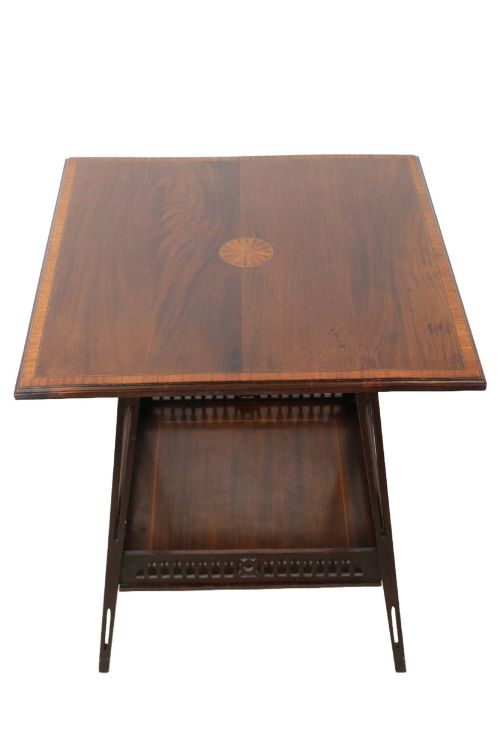
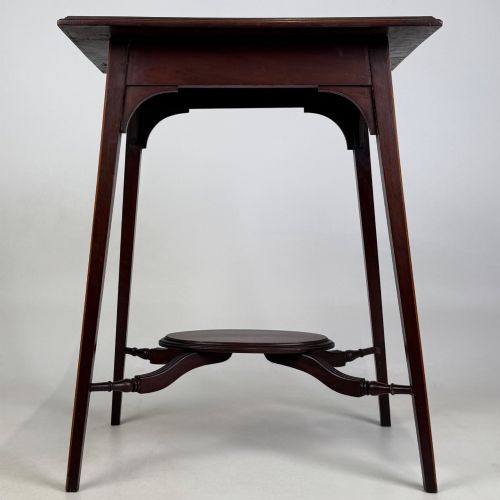
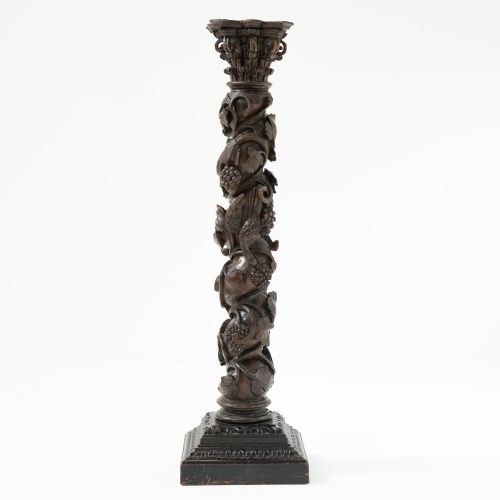
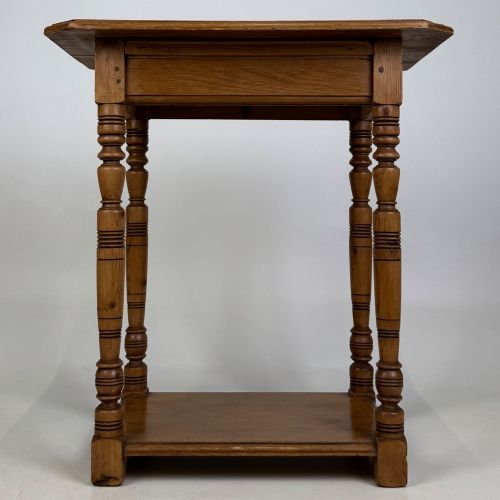
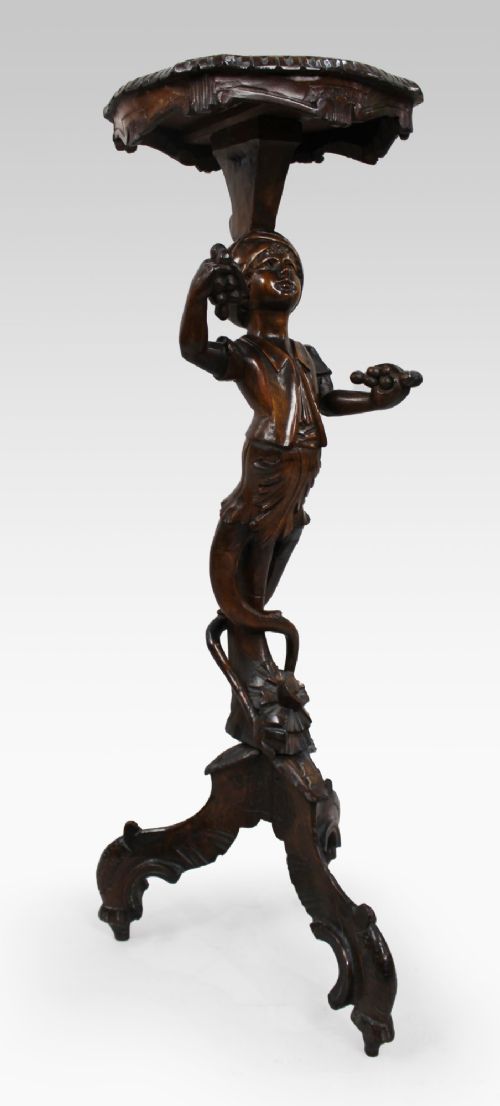
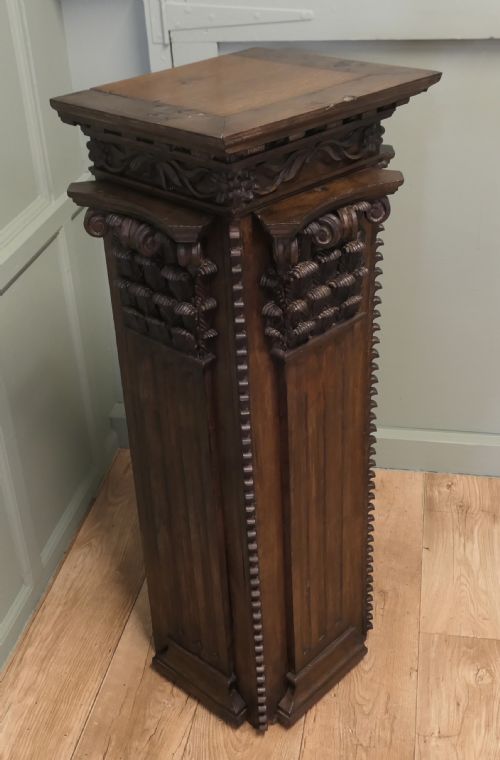
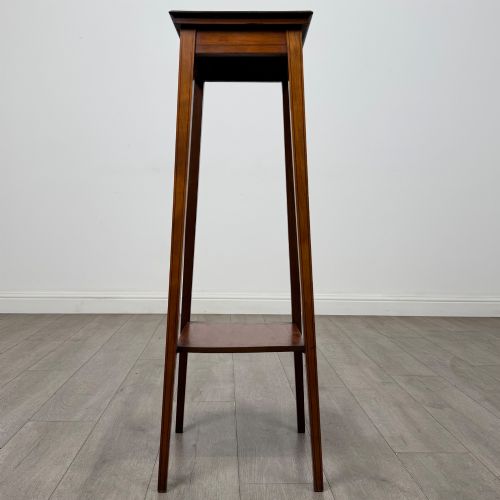
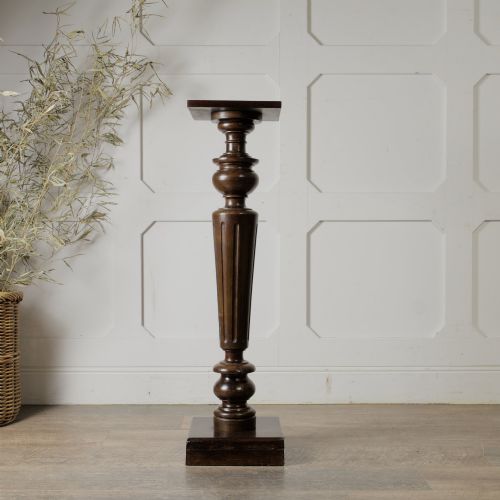
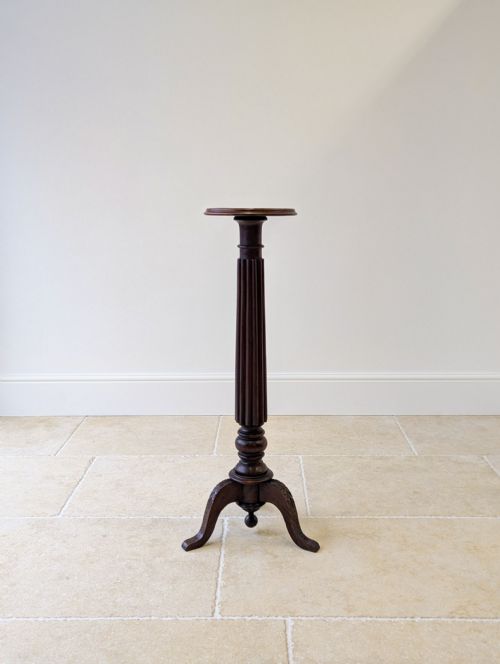
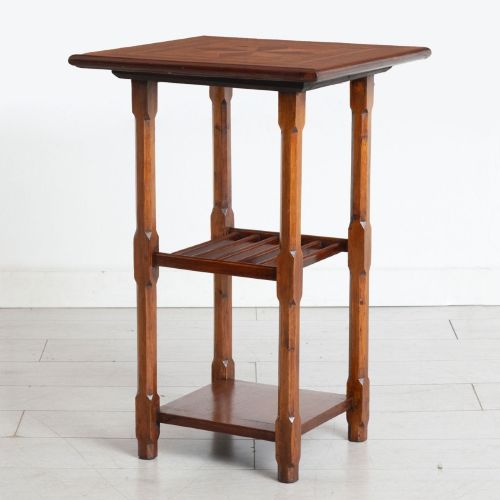
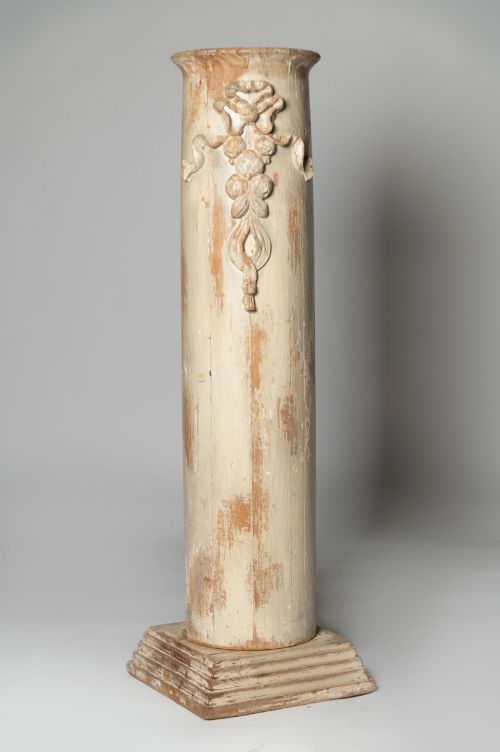
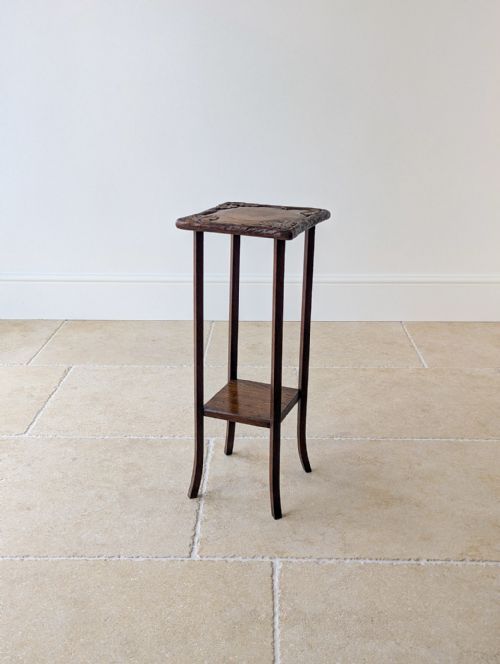
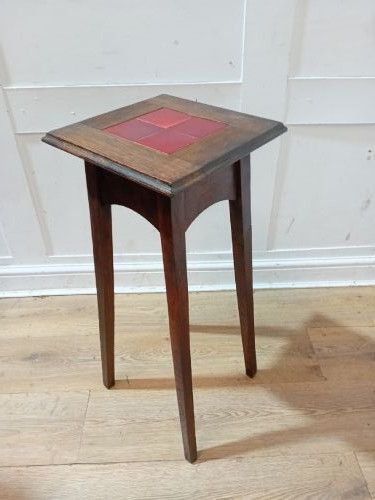
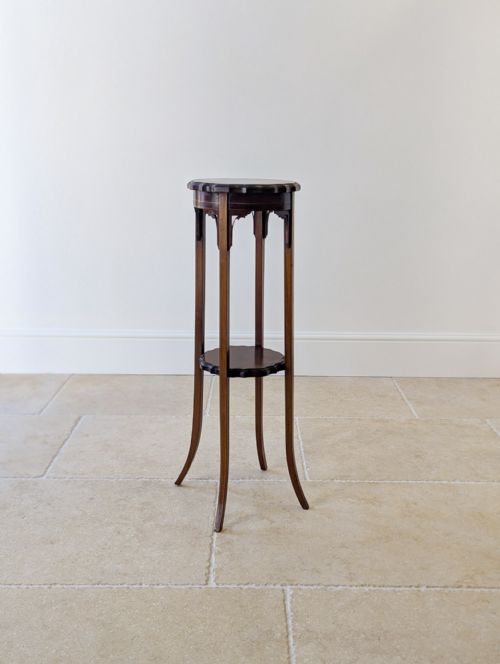
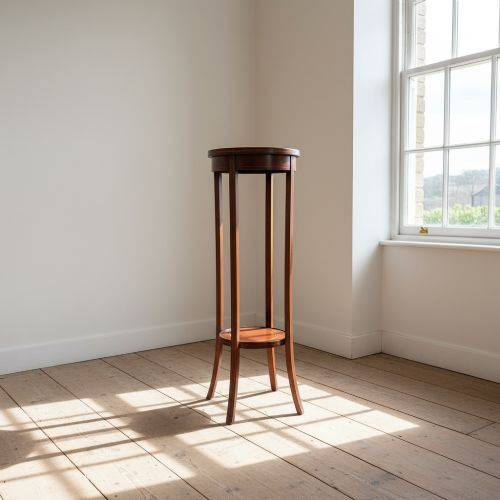
A wooden plant display takes many architectural shapes, appearing most frequently as pedestals, torcheres, plant stands, and occasional side tables across this selection.
Pieces span from the eighteenth century through the Victorian and Edwardian eras, incorporating later works from nineteen twenty.
Origins stretch from British workshops to French, Italian, Swedish, and Chinese export studios, offering varied regional carving traditions.
Materials and Technique
Cabinet-makers relied heavily on mahogany, oak, and walnut, alongside satinwood, hardwood, beech, amboyna, and ebonised wood.
Surface details involve intricate hand-carving, inlaid marquetry, turned columns, solomonic twists, and occasional inset marble tops.
Construction methods range from robust solid timbers to decorative veneers supported by sturdy turned legs and pedestal bases.
Design styles represented include Victorian, Edwardian, Arts and Crafts, Aesthetic Movement, and Chinese Traditional.
Craftsmanship and Proportion
Quality rests in the precision of the timber joints and the crispness of carved details rather than mere surface embellishment.
Well-balanced proportions ensure stability under heavy ceramic pots or marble sculptures, separating fine studio work from utility pieces.
The selection of figured grain timbers and harmonious inlay work distinguishes high-status examples from standard workshop production.
Trevor Page and Co·Shoolbred·Liberty of London
The Wooden Plant Display Glossary
- Torchere
- A tall, slender stand designed originally to hold a light source and later utilised for plants or urns. These pieces feature single central columns or tripod supports.
- Pedestal
- A structural column or plinth intended to elevate a bust, vase, or planter. They appear in carved wood or with inset marble tops.
- Solomonic
- A helical or twisted column style reminiscent of a spiral staircase. This classical motif appears frequently on seventeenth and eighteenth-century supports.
- Inlay
- A decorative technique where contrasting woods or materials are set into the surface of a primary timber. Edwardian pieces often display delicate floral motifs.
- Etagere
- A set of open shelves for displaying small objects or plants. French examples utilise turned walnut legs to create tiered display surfaces.
Wooden Plant Display: Frequently Asked Questions
What fits on a wooden plant display?
These surfaces hold potted plants, jardinieres, small sculptures, and table lamps securely.
Heavier ceramic or marble vessels require sturdy pedestal bases with wide footprints to maintain balance.
How do I date a wooden plant display?
Dating relies on timber selection, carving styles, and construction techniques typical of specific historical periods.
Victorian and Edwardian examples often feature machine-assisted turnings alongside hand-carved details, whereas eighteenth-century items show entirely hand-wrought joinery.
Where should I place a torchere stand?
Torchere stands suit corners, empty hallway spaces, or flanking doorways where height adds vertical interest.
Their narrow profile prevents them from obstructing walkways while drawing attention upward.
Are marble top stands practical?
Inlaid marble surfaces provide moisture resistance against spills from watering plants.
This stone insert combines with wood frames to offer a stable, decorative platform for heavy vessels.