



Wooden Pitcher Jug
These wooden pitcher jug examples combine practical domestic service with robust traditional craft, offering an enduring charm for daily display and utility.
Wooden Pitcher Jug
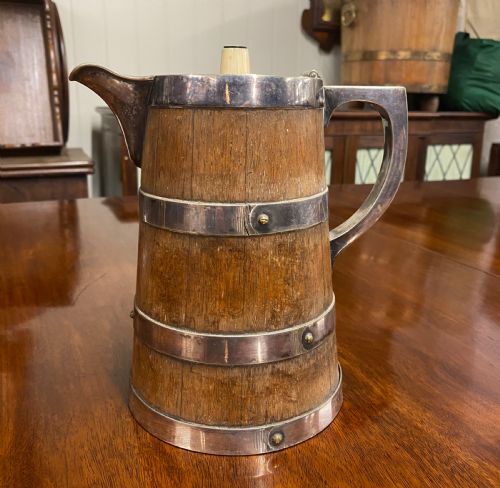
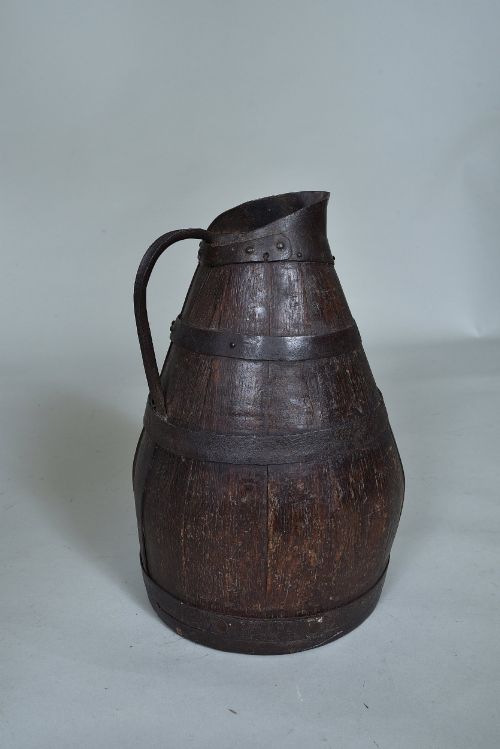
When you search for a wooden pitcher jug, you uncover vessels designed primarily for holding water and beverages, though larger umbrella stand forms also appear in domestic settings. The pieces listed on this page span several distinct periods including Georgian, Victorian, Edwardian, and the 1930 era.
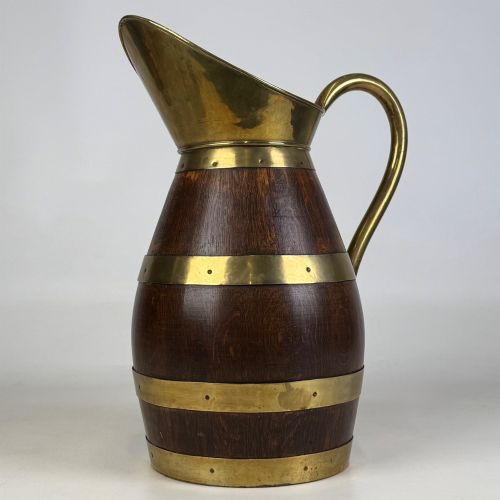
The version you are most likely to meet on this page is the coopered oak vessel bound with brass bands, reflecting traditional rural and farmhouse aesthetics. These sturdy containers bridge the gap between humble utility and decorative antique furnishing.
Beyond the standard handled pitchers, the selection includes related forms such as silver ewers and hot water pots alongside large oak harvest jugs. Each iteration demonstrates how timber and metal were combined for functional household tasks across multiple centuries.
Materials and construction methods
Staves of oak form the primary body of the coopered vessels, shaped carefully and held tightly together by fitted metal bands of brass or wrought iron. This traditional method of construction ensured the wood remained stable and watertight under regular use.
Precious metals like sterling silver and silver plate appear alongside the timber pieces, shaped into elegant ewers and hot water pots utilising classical goldsmithing techniques. The contrast between warm natural wood and polished metal defines the material palette of these items.
Wooden Pitcher Jug Retail Price Guide 2026
Typical asking prices for wooden pitcher jug among the pieces listed under this phrase on Sellingantiques today, from the lower quarter to the upper quarter. They describe what is for sale here now, not the wider market.
Some oak jugs grew tall enough over the centuries to trade their drinking duties for holding walking sticks in the hallway.
Distinctions in craftsmanship and quality
The refinement of the cooper's work determines the visual harmony of the wooden body, where tight joints and well-fitted staves elevate the piece far beyond mere utility. Superior examples maintain exact proportions between the height of the vessel and the girth of the metal bindings.
The quality of the secondary materials, particularly the thickness and finish of the brass bands or the purity marks on silver elements, separates standard domestic items from finer showroom pieces. A balanced weight and secure handle attachment signal a higher standard of original workshop production.
John Scofield
The Wooden Pitcher Jug Glossary
- Coopered
- Constructed from wooden staves joined edge to edge and bound with metal hoops, much like a traditional barrel. This technique allows vessels to hold liquids securely without glue.
- Ewer
- A large pitcher with a wide spout and a curved handle, traditionally used for holding water for washing or serving drinks. These often appear in precious metals rather than wood.
- Harvest jug
- A large container traditionally used to carry cider or ale to workers in the fields during harvest time. They are frequently bound with iron or brass to withstand heavy outdoor use.
- Stave
- One of the narrow vertical strips of wood that fitted together form the sides of a coopered vessel. The precise tapering of each stave creates the curved profile of the jug.
Wooden Pitcher Jug: Frequently Asked Questions
How do I identify Victorian pieces?
Victorian examples often feature heavier proportions, robust oak staves, and substantial brass binding designed to project domestic solidity and industrial confidence.
Examining the construction methods and any accompanying hallmarks helps anchor the piece firmly within the nineteenth century.
Are these jugs waterproof?
While many were built by coopers to hold liquids securely in period settings, age and drying of the timber can compromise their watertight integrity over time.
It is generally wiser to use a concealed liner if you intend to display fresh flowers or water inside older wooden vessels.
How should I care for oak and brass?
Keep the wood nourished with appropriate natural waxes and avoid placing the pieces in direct sunlight or near sudden heat sources that might cause the staves to shrink.
Polish the brass bindings gently with a dry cloth to preserve their aged patina without stripping the character accumulated over decades.