

Wooden Panel Bed
A wooden panel bed brings structural timber and carved detail straight to the sleeping quarters, offering solid construction built to endure.
Wooden Panel Bed
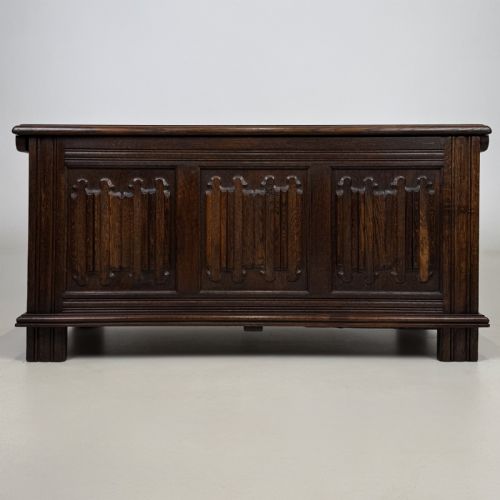
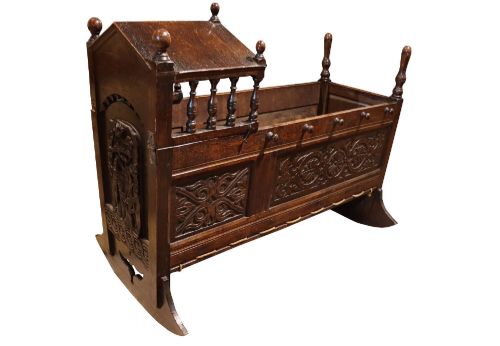
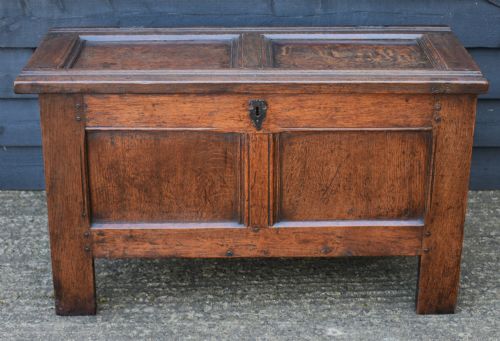
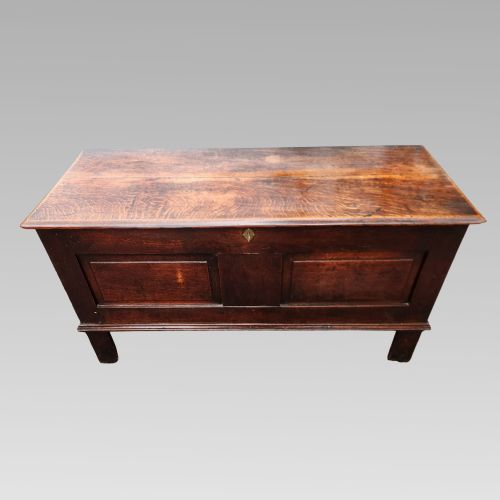
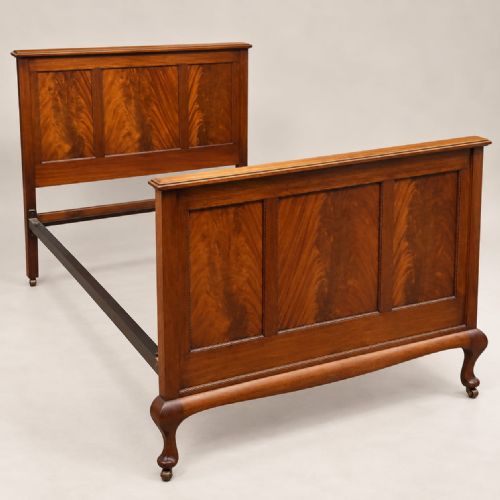
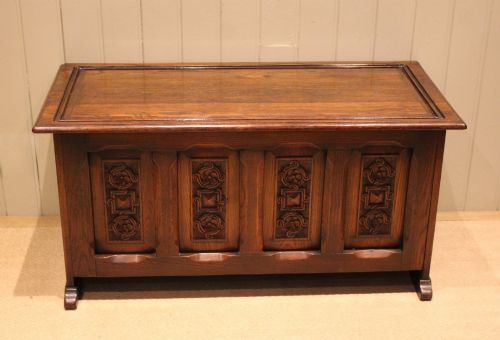
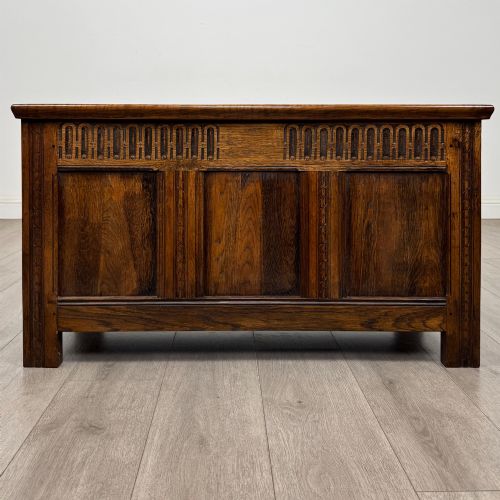
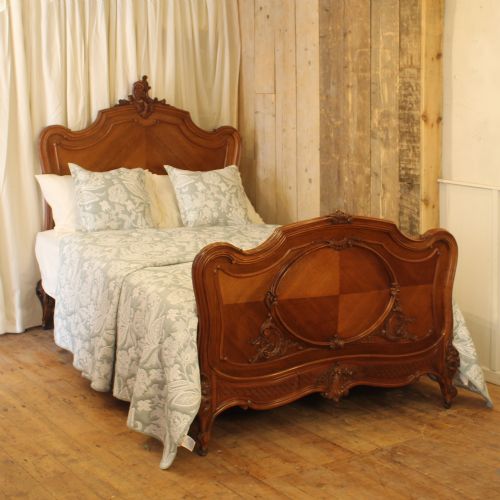
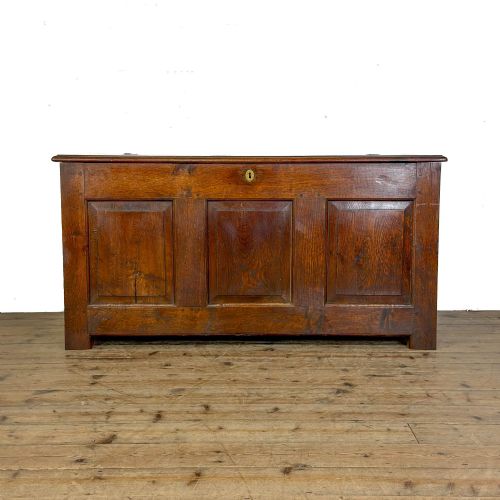
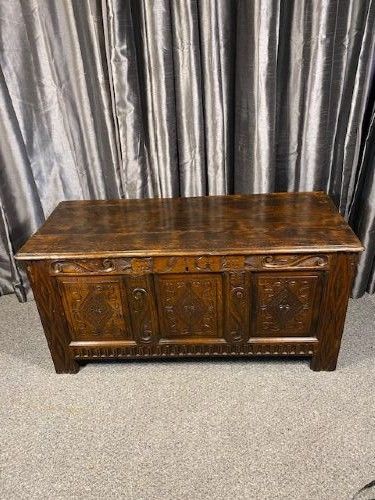
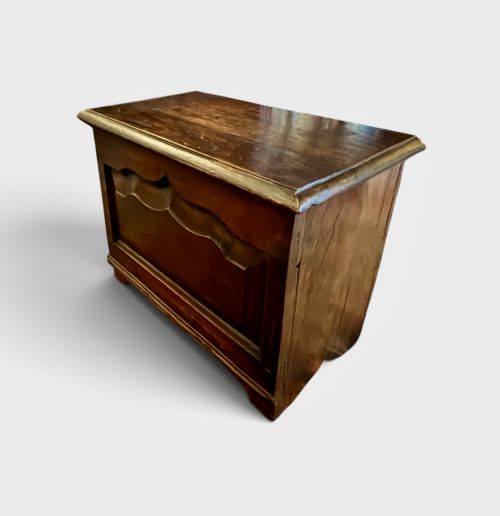
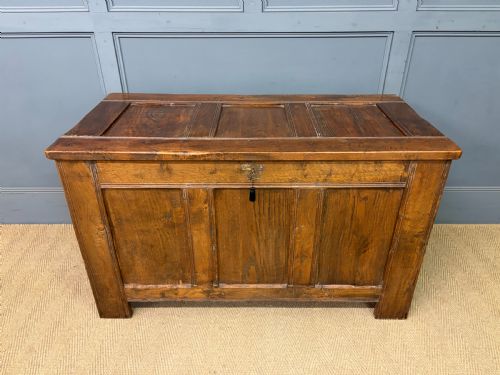
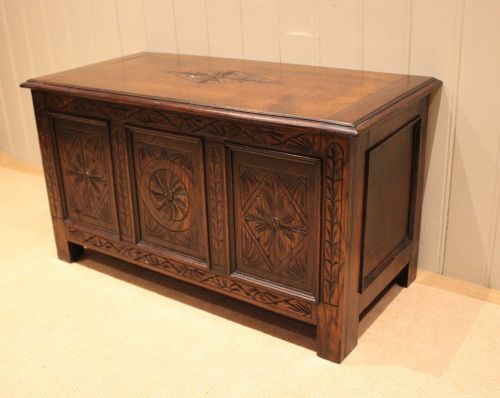
When you search for a wooden panel bed, you encounter a selection spanning the seventeenth century through to the Edwardian era and the 1930s. The forms vary from substantial four-poster tester beds to double bedsteads and single frames, alongside numerous related blanket chests and coffers.
The prevailing examples on this page rely heavily on oak, walnut, and mahogany timbers, often displaying period characteristics such as Jacobean carvings or French walnut finishes. These pieces range from early seventeenth-century constructions to later revival pieces created in the early twentieth century.
Materials and construction methods
The construction of these pieces relies primarily on solid oak, walnut, and mahogany, supported occasionally by iron and brass hardware. Timber frames are joined using traditional methods to house carved wooden panels and sometimes cane inserts.
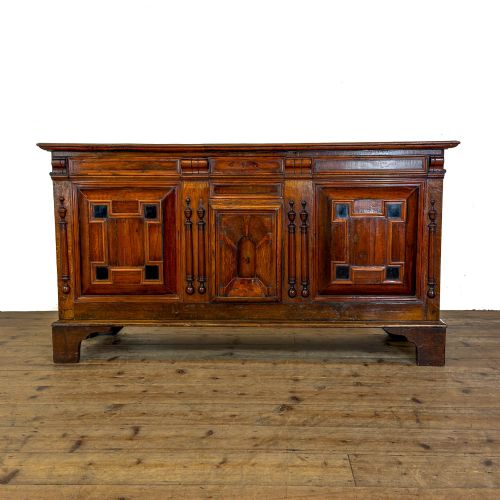
Surface treatments range from natural dark oak and polished burr walnut to ebonised wood and hand-painted floral panels. Cabinetmakers utilised carved friezes, lunette details, and inlaid marquetry to ornament the structural panels.
Wooden Panel Bed Retail Price Guide 2026
Typical asking prices for wooden panel bed among the pieces listed under this phrase on Sellingantiques today, from the lower quarter to the upper quarter. They describe what is for sale here now, not the wider market.
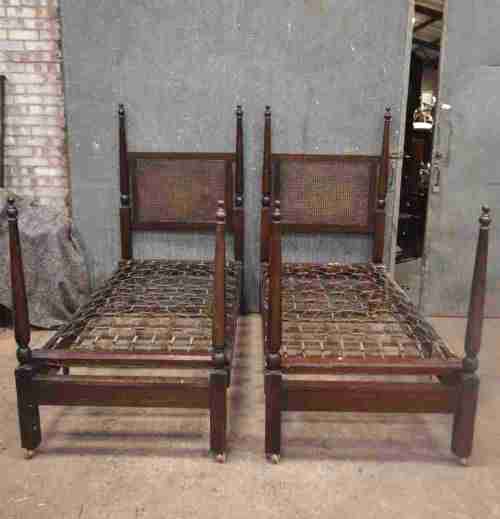
Some single beds arrive in matched pairs, perfect for sleeping arrangements that span two centuries at once.
Distinctions in quality and finish
Quality in these items rests upon the depth of the carving and the selection of timber figures, such as burr walnut or substantial solid oak. Pieces bearing maker labels or originating from notable workshops demonstrate superior provenance compared to unbranded vernacular items.
The integrity of the structural joinery and the crispness of applied ornament, from lunette friezes to marquetry inlay, separate standard utilitarian sleeping furniture from finer decorative examples.
Heals·Maple and Co
The Wooden Panel Bed Glossary
- Coffer
- A large wooden chest traditionally used for storage, frequently constructed from solid oak with panelled sides.
- Tester bed
- A bed featuring a wooden canopy or tester supported by four posts, often dating to the seventeenth century.
- Lunette frieze
- A decorative horizontal band carved with a series of semicircular motifs, common on Jacobean style woodwork.
- Bergere
- A type of chair or bed headboard featuring woven cane panels, seen in early twentieth-century single frames.
- Mule chest
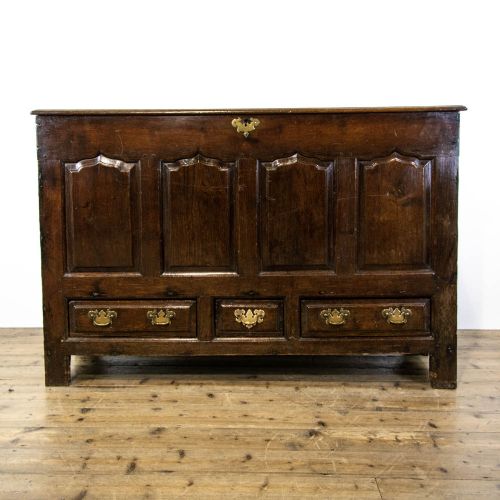
- A traditional storage chest fitted with one or two drawers beneath the main compartment.
Wooden Panel Bed: Frequently Asked Questions
How do I identify a seventeenth century bed?
Authentic seventeenth century pieces display dense oak timbers, hand-cut joinery, and deep relief carvings reflective of the period. Construction methods lack modern machine precision.
Examine the interior boards and fixings for signs of age, tool marks, and historical repairs that confirm long-term authenticity.
Are these beds standard modern sizes?
Antique bed frames often deviate from current standard mattress dimensions. Double and single sizes from the Victorian and Edwardian periods require careful measurement.
Custom mattresses or minor frame adjustments are frequently necessary to accommodate modern bedding comfortably.
How should I care for antique timber?
Maintain stable humidity levels in the room to prevent the solid oak, walnut, or mahogany panels from splitting. Avoid placing the furniture near direct heat sources.
Apply natural beeswax periodically to nourish the wood and preserve the traditional polished finish without sealing the grain.
What is a mule chest?
A mule chest combines the storage capacity of a traditional coffer with accessible bottom drawers. This hybrid form emerged to make retrieval easier without unpacking the entire lid.
They serve effectively as blanket storage or living room furniture while displaying historical panel construction.