

Wooden Nightstand Table
A wooden nightstand table brings practical surface space and enclosed storage beside a bed, drawing on centuries of cabinet-making traditions.
Wooden Nightstand Table
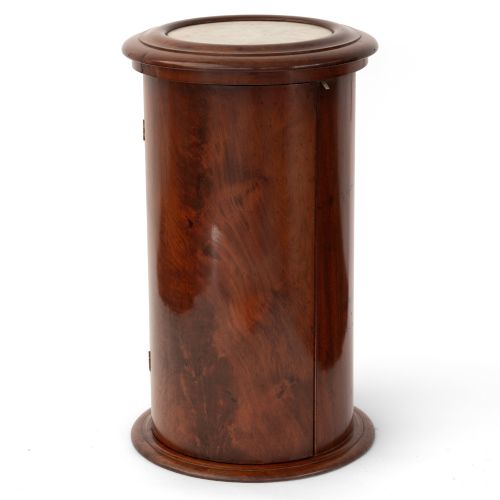
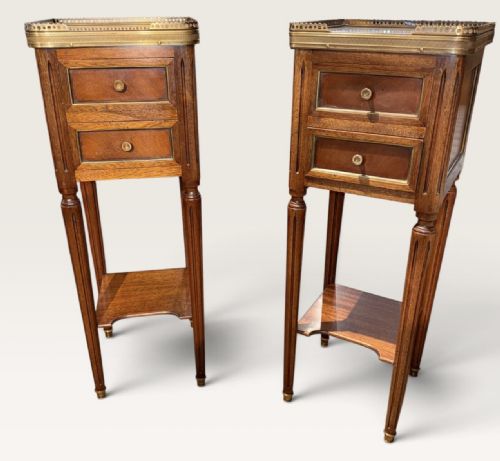
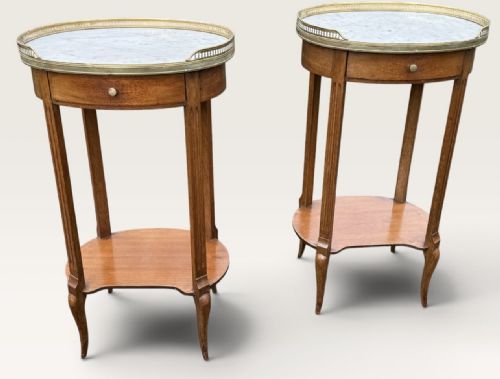
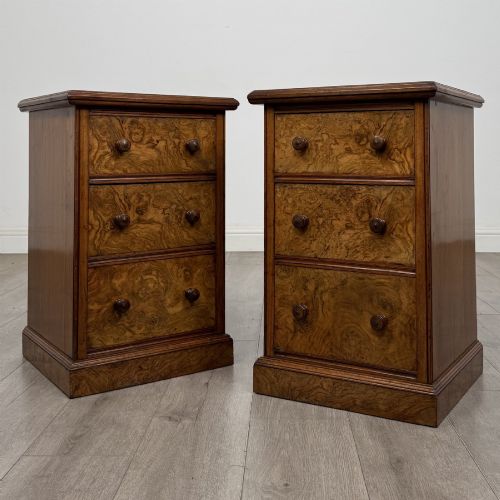
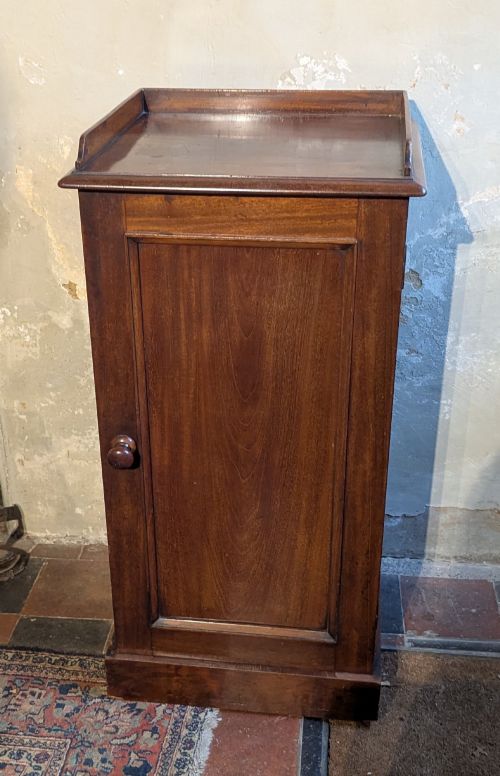
A wooden nightstand table encompasses various forms designed for bedside use, including cabinets, chests, cupboards, and open tables. The pieces span multiple eras, stretching from the 18th century through the Georgian, Victorian, and Edwardian periods into the 1930s.
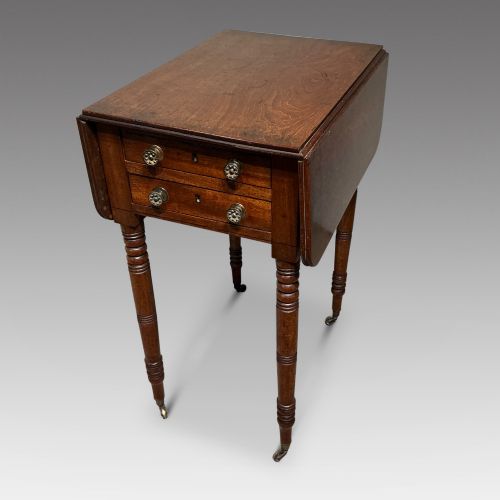
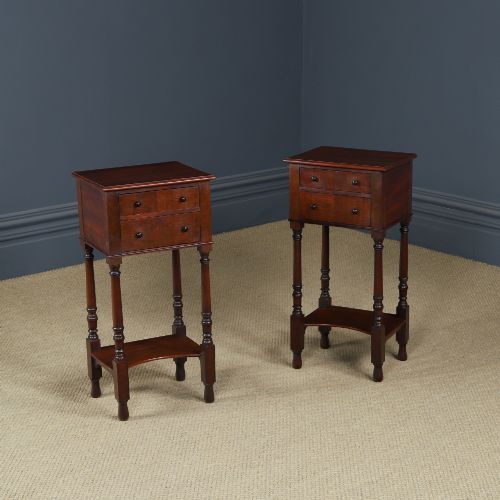
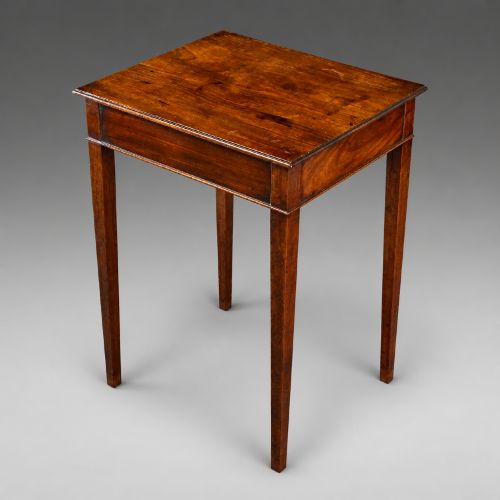
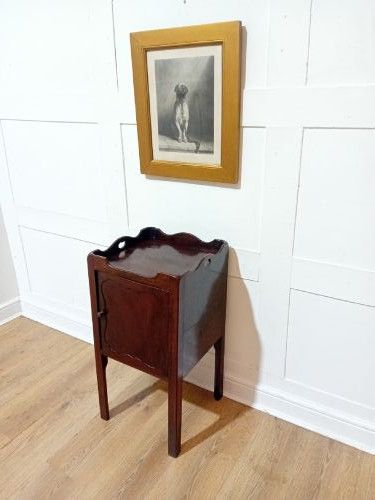
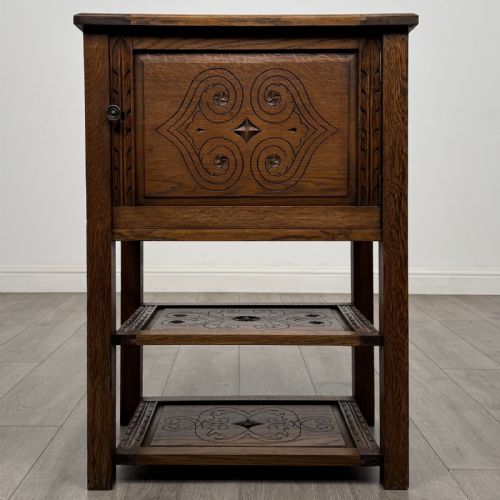
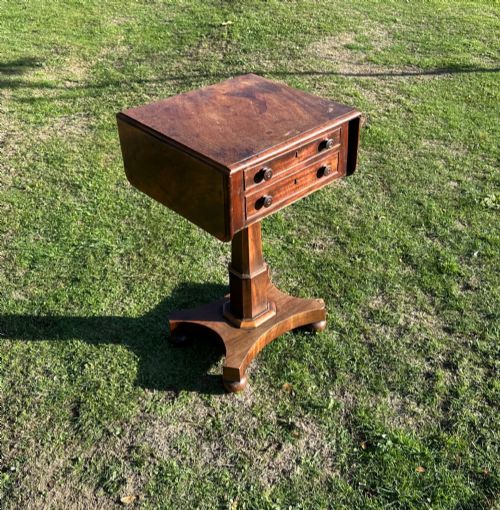
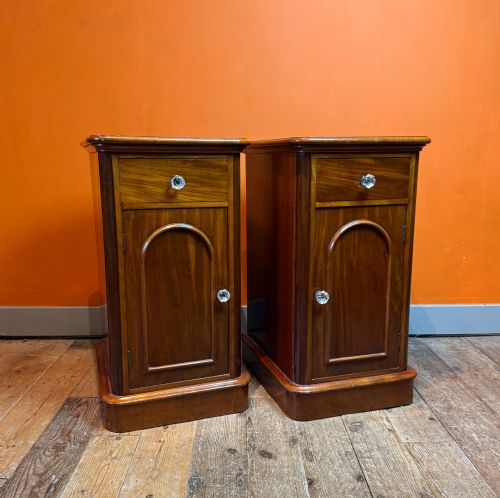
The versions most commonly met on this page include mahogany bedside cupboards from the Victorian and Georgian eras alongside French cherry wood and oak cabinets from the 1930s. Buyers also encounter occasional tables, lamp tables, and Pembroke tables fulfilling the role of a bedside stand.
Materials and Construction
Cabinet-makers relied heavily on hardwoods such as mahogany, oak, walnut, and burr walnut, occasionally utilising fruitwood, kingwood, and cherry wood. These timbers provided the structural integrity required for bedside furniture that held lamps, books, and chamber accessories.
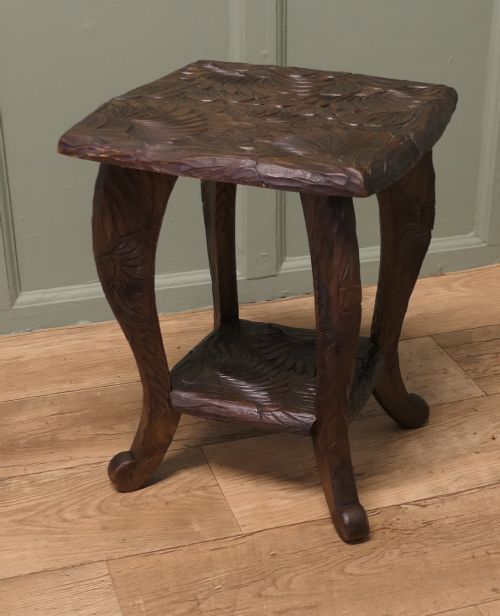
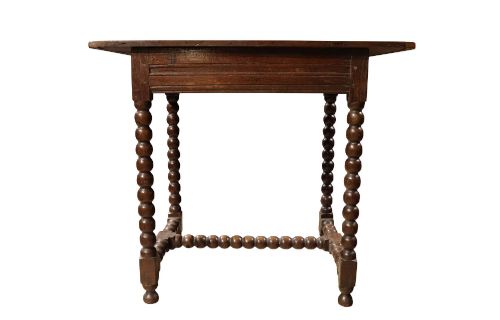
Surface decoration and functional details included brass hardware, inlaid marquetry, marble tops, and glass elements. Carved supports, bobbin-turned legs, and drop leaves appeared across various styles ranging from English Country and French Provincial to Art Deco and Georgian.
Wooden Nightstand Table Retail Price Guide 2026
Typical asking prices for wooden nightstand table among the pieces listed under this phrase on Sellingantiques today, from the lower quarter to the upper quarter. They describe what is for sale here now, not the wider market.
Some Victorian nightstands secretly doubled as ventilated houses for chamber pots before indoor plumbing changed the bedroom layout.
Judging Quality
The standard of a wooden nightstand table depends on the selection of timber figure, such as the rich grain of burr walnut or the depth of colour in Georgian mahogany. Superior examples display precise joinery and thoughtful proportions that maintain structural stability over centuries of use.
Attention to detail in secondary woods, original brass fittings, and refined inlay work distinguishes workshop pieces from simpler utilitarian items. The integrity of the original surfaces and the subtlety of decorative carving mark the upper tier of the selection.
The Wooden Nightstand Table Glossary
- Nightstand
- A small low table or cabinet placed beside a bed for holding a lamp or personal items. These pieces appear as open tables, enclosed cupboards, or small chests with drawers.
- Pembroke table
- A small rectangular table with hinged drop leaves on two opposing sides. They often feature a single drawer and slender legs.
- Pot cupboard
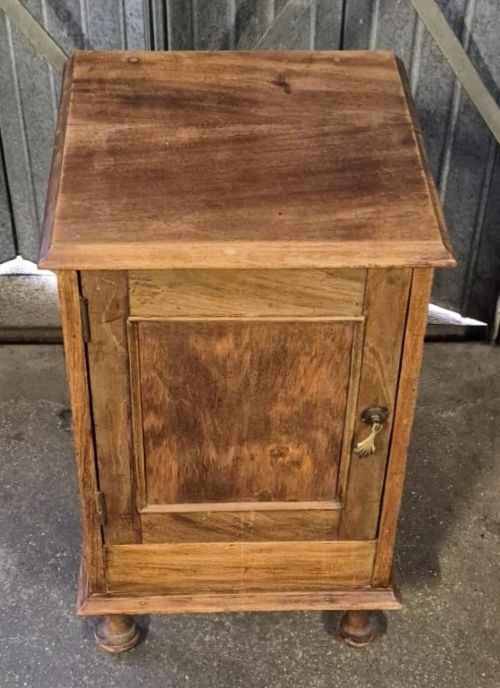
- A compact bedside cabinet originally designed to house a chamber pot. They typically feature a panelled door and an enclosed interior shelf.
- Marquetry
- Decorative veneer applied to furniture in patterns using different woods, metals, or other materials. It creates pictorial or geometric designs across drawer fronts and cabinet tops.
- Bow front
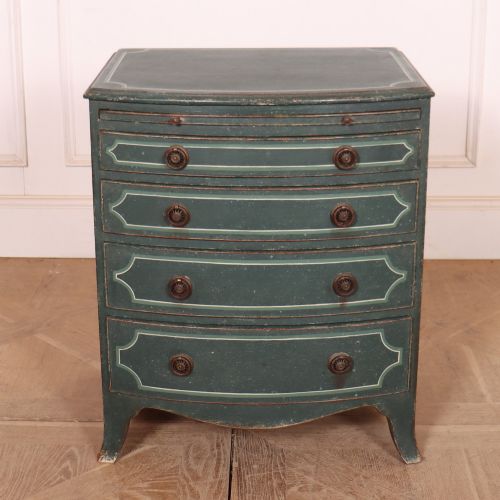
- A convex curved cabinet front that projects outward in a gentle arc. This shape appeared frequently on Georgian and Edwardian bedside chests and cabinets.
Wooden Nightstand Table: Frequently Asked Questions
What is a wooden nightstand table used for?
A wooden nightstand table provides a convenient surface for bedside lighting, reading material, and personal belongings within a bedroom. Enclosed variants such as cupboards and chests also conceal items out of sight.
Historically, these small tables and cabinets adapted to hold chamber pots, washbasins, or lighting before electricity became standard. Today they function primarily as bedside storage and display furniture.
How do I identify a Georgian bedside table?
Georgian bedside tables typically feature solid mahogany construction, restrained classical proportions, and brass hardware. Tray tops or galleried edges often surround the upper surface to keep items from sliding off.
Details like tapered legs, panelled cabinet doors, and dovetailed drawer construction point toward 18th-century craftsmanship. Many later pieces also adopt these specific Georgian design conventions.
Are bedside tables usually sold as pairs?
Many bedside tables and cabinets on this page appear as matched pairs, which suits the symmetrical arrangement of placing one on each side of a bed. Single tables also feature prominently for alternative layouts.
Pairs often originate from bedroom suites or matching sets created by period cabinet-makers. Matching pairs frequently command strong interest from collectors seeking balanced bedroom decor.
How do I care for antique wood furniture?
Antique wooden furniture requires protection from direct sunlight and sudden temperature shifts that can dry out timber or crack veneers. Regular dusting with a soft, dry cloth preserves the polished surface.
Applying traditional beeswax occasionally helps nourish hardwood surfaces like mahogany and oak without building up heavy chemical residues. Avoid placing damp items directly onto untreated wooden tops.