
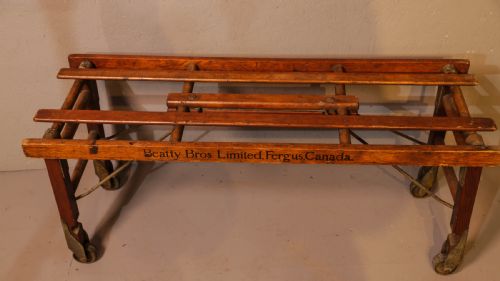


Wooden Luggage Holder
These wooden luggage holder pieces are sturdy folding stands and racks designed to keep travel trunks off the floor.
Wooden Luggage Holder
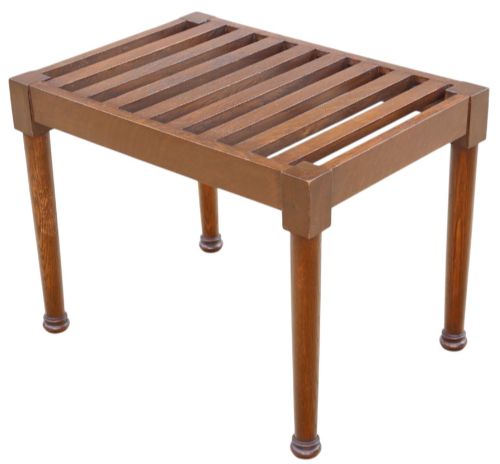
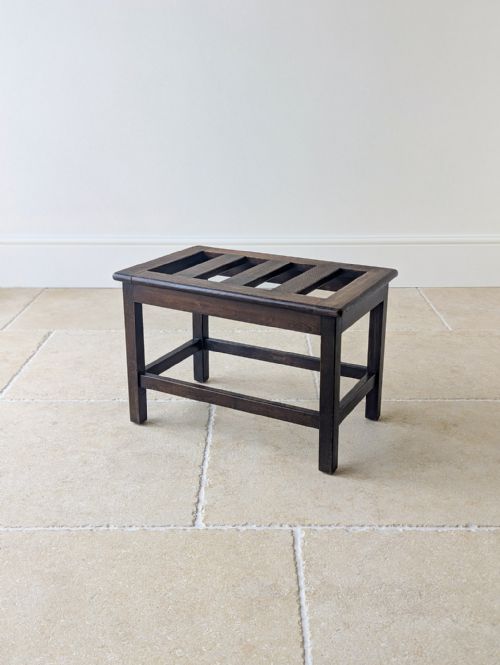
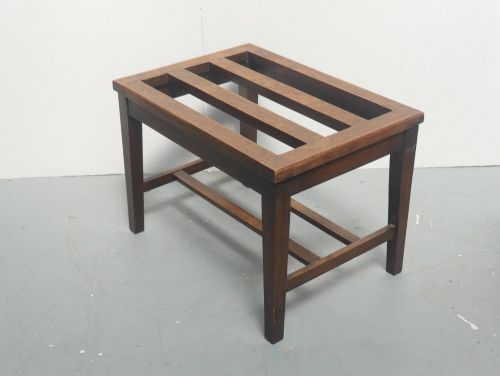
A wooden luggage holder takes the form of a practical folding stand or rack used historically in bedrooms and hotels to support heavy travelling chests. When buyers search for a wooden luggage holder, they encounter sturdy items that reflect domestic routines from the Victorian, Edwardian, and early twentieth-century periods. These furnishings range from simple utilitarian folding frames to robust railway company items fitted with supportive webbing.
The pieces appearing on this page span several decades, featuring robust oak, mahogany, ash, and elm construction alongside simpler painted pine versions. Origins include Scottish workshops, Canadian makers such as Beatty Bros Fergus Canada, and railway companies like the Great North Railway. Buyers are most likely to meet Edwardian and Victorian examples designed for domestic guest rooms or transit use.
How they were made
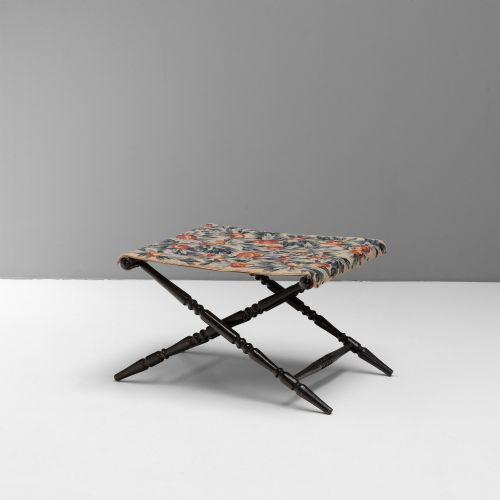
Craftsmen built these luggage holders using solid timbers including oak, mahogany, ash, elm, and ebonised wood, often joined with folding X-frame mechanisms for easy storage. The structural frames relied on durable woods to withstand the heavy weight of travel trunks and leather cases without warping.
Support surfaces frequently incorporate strong textile webbing, tapestry bands, or iron stretchers to hold luggage securely between the open wooden rails. Selected pieces feature painted finishes or polished hardwood surfaces that matched the bedroom furniture of their era.
A sturdy piece from the Great North Railway ensures your weekend bag travels back in time every time you pack.
What varies in quality
Quality in a wooden luggage holder lies in the substance of the timber and the mechanical integrity of the folding joints. Finer examples utilise dense hardwoods like mahogany or quarter-sawn oak with substantial gauge frames rather than lighter utility pine.
Superior items often display maker attribution, such as pieces by Waring & Gillow, or bear railway company provenance markings like those from the Great North Railway. The original tension and material quality of the textile or tapestry webbing also distinguish standard utility items from higher grade pieces.
Beatty Bros Fergus Canada·Waring & Gillow
The Wooden Luggage Holder Glossary
- X-frame
- A structural design featuring two intersecting frames that allow the stand to fold flat when not in use. This mechanism provides stability under heavy loads while remaining space-efficient.
- Webbing
- Strong woven textile or tapestry strips stretched across the top rails to support luggage. Original webbing adds authenticity to antique stands.
- Ebonised wood
- Timber treated with a dark finish to imitate expensive ebony. This technique was popular in Victorian furniture manufacturing.
- Railway collectables
- Items originating from train networks, often bearing company stamps or property marks. These pieces served practical functions in station hotels and carriages.
Wooden Luggage Holder: Frequently Asked Questions
What is a wooden luggage holder used for today?
These stands serve well in guest bedrooms as convenient places for visitors to rest suitcases without bending down to the floor. They also function as useful display surfaces or blanket holders in traditional interiors.
The folding design allows modern owners to tuck the stand away in a wardrobe when not in use, mirroring its original purpose in period homes and hotels.
How do I date an antique luggage stand?
Dating relies on observing the timber choice, construction methods, and any hardware or company stamps present on the frame. Victorian and Edwardian examples often display specific turned leg styles or railway property marks.
Comparing the wood grain and joining techniques helps distinguish nineteenth-century items from later twentieth-century productions.
Are these stands strong enough for modern suitcases?
Most antique luggage holders were built from solid hardwoods like oak, ash, or mahogany to support heavy canvas and leather trunks. Their robust X-frame construction easily handles the weight of contemporary travel bags.
Checking the condition of the folding joints and supporting webbing ensures the stand remains secure for everyday use.
What materials are typical for these pieces?
The listings feature traditional woods such as oak, mahogany, ash, elm, and ebonised wood, alongside painted pine. Supporting straps are commonly made from heavy textile or tapestry materials.
Some industrial and railway examples incorporate iron braces and stretchers to reinforce the wooden frame against heavy wear.