




Wooden Lion Carving
A wooden lion carving brings centuries of sculpted power into a room, spanning fierce heraldic shields and temple guardians.
Wooden Lion Carving
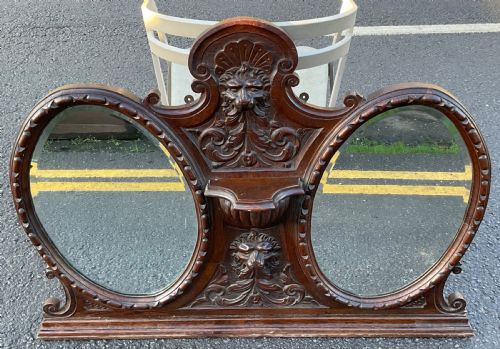
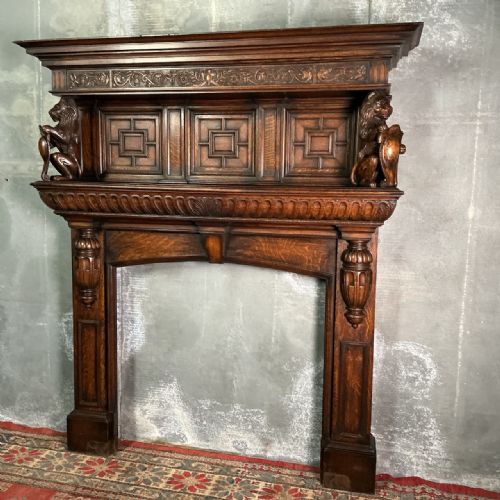
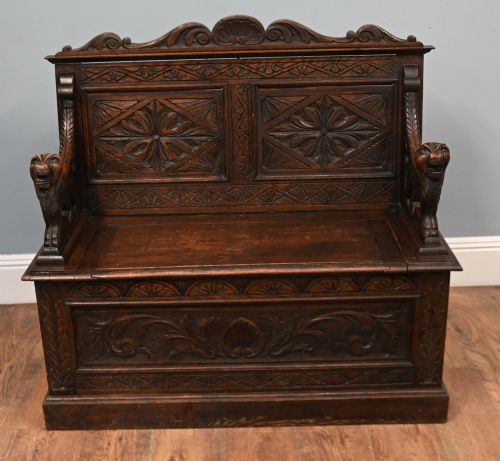
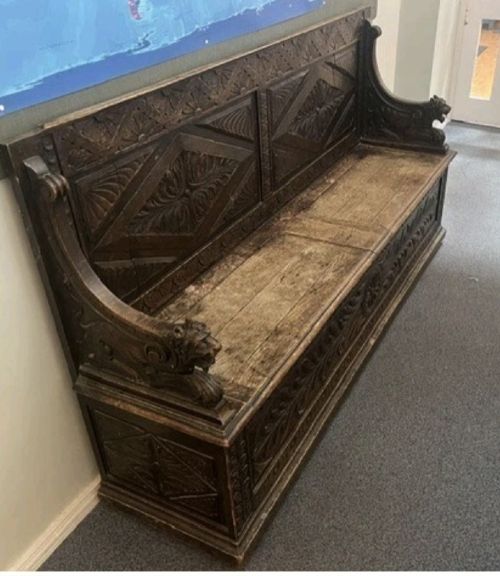
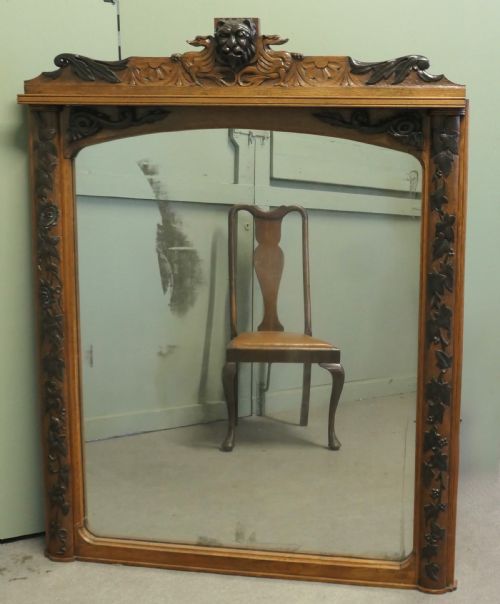
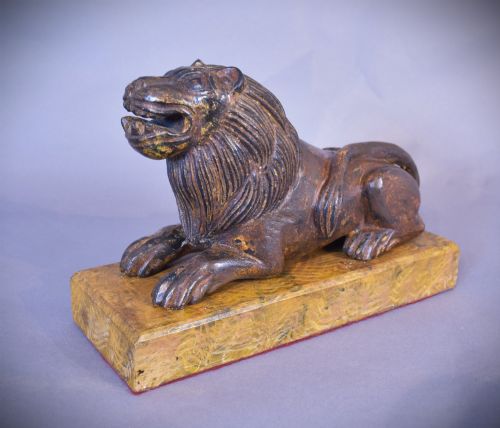
When you search for a wooden lion carving, you meet everything from seventeenth-century architectural finials to nineteenth-century decorative ornaments and larger sculptures. Oak and walnut predominate among British and European pieces, often shaped as wall masks, newel post finials or panel details.
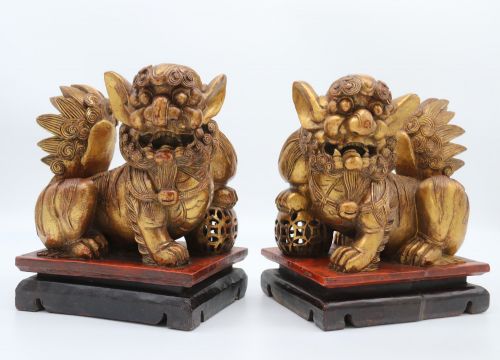
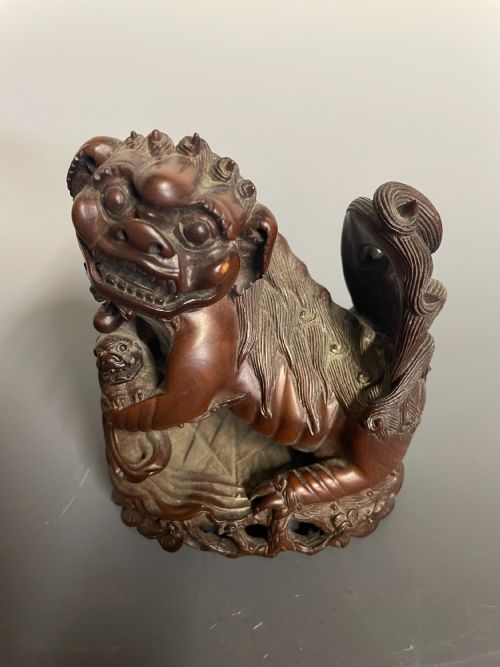
Asian traditions contribute boxwood, root wood and lacquered pieces representing Buddhist lions or Foo dogs. You also encounter figures mounted on plinths, bookends and life-size representations spanning the nineteenth and twentieth centuries.
Materials and Techniques
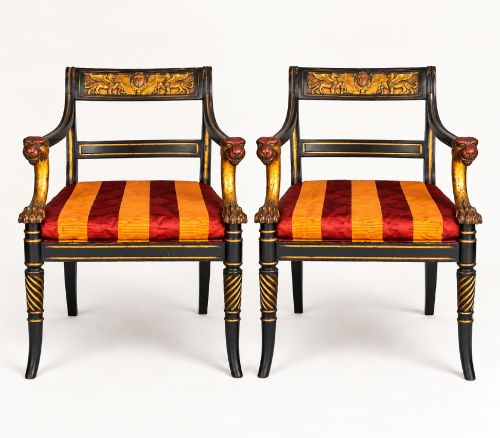
Carvers worked primarily in dense hardwoods such as oak, walnut, mahogany and boxwood, utilising the grain to give depth to manes and musculature. Certain Asian and European works incorporate gilt, paint or lacquer surfaces over the carved timber base.
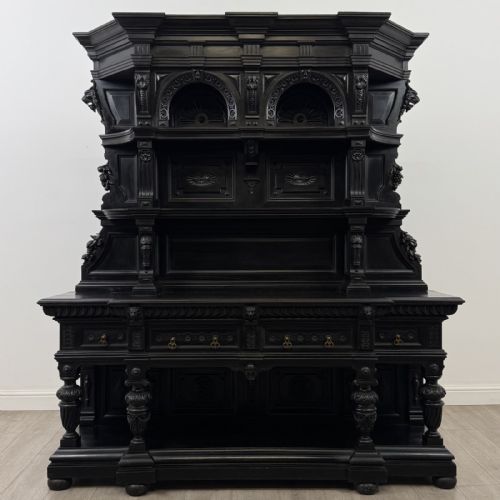
Construction methods range from independent sculptural figures mounted on plinths to deep relief carvings integrated into furniture panels, newel posts and architectural salvage.
Wooden Lion Carving Retail Price Guide 2026
Typical asking prices for wooden lion carving among the pieces listed under this phrase on Sellingantiques today, from the lower quarter to the upper quarter. They describe what is for sale here now, not the wider market.
Listings feature oak, walnut, mahogany, boxwood, and root wood across periods from the seventeenth century through the twentieth.
Evaluating Quality
Depth and precision of the chisel work dictate the vitality of the carving, separating stiff mechanical repetition from expressive execution. The handling of anatomical detail in the facial expression and mane reveals the carver's mastery.
The choice of timber and the preservation of original surface finishes, whether unadorned oak grain, giltwood or polychrome lacquer, determine the integrity of the piece.
Eugene Emile Borga·Wylie Lockhead Manufacturers
The Wooden Lion Carving Glossary
- Newel post finial
- An ornamental carving mounted on the topmost upright post of a staircase stairwell. These pieces terminate the handrail with sculptural figures.
- Giltwood
- Timber treated with gold leaf or gold paint applied to the carved surface. This finish often appears on decorative or ceremonial figures.
- Wall mask
- A sculptural carving intended for mounting directly onto a vertical surface. These items project outwards to depict the head and mane of the animal.
- Heraldic lion
- A depiction of a lion created according to the rules of armory and crest design. These carvings frequently accompany shields or family crests.
Wooden Lion Carving: Frequently Asked Questions
Where were wooden lion carvings placed?
These carvings served architectural and decorative roles in historic interiors. Many pieces stood on staircases as newel post finials or hung upon walls as masks.
Other examples functioned as furniture mounts, bookends, or independent sculptural figures placed upon desks and plinths.
How do I identify seventeenth-century carvings?
Seventeenth-century pieces typically employ heavy oak with deep, vigorous chisel marks reflecting period joinery and tool use. The forms tend to align with architectural salvage, panel fragments, and stair furniture.
Surface patination on these early timbers displays decades of handling and wax accumulation.
What is a Foo dog carving?
Foo dogs are traditional Asian guardian figures that blend lion and canine characteristics. Sculptors carved them from materials including boxwood, root wood, and lacquered timber.
Pairs of these guardians often flanked temple entrances or domestic thresholds.
How should I care for antique carved wood?
Maintain stable indoor humidity levels to prevent timber from drying out or splitting. Keep carved pieces away from direct sunlight and heat sources.
Dust gently with a soft, dry brush to protect intricate mane details and recessed chisel marks.