
Wooden Kitchen Dresser
A wooden kitchen dresser anchors a room with storage and display, bringing centuries of utility and regional character straight into the home.
Wooden Kitchen Dresser
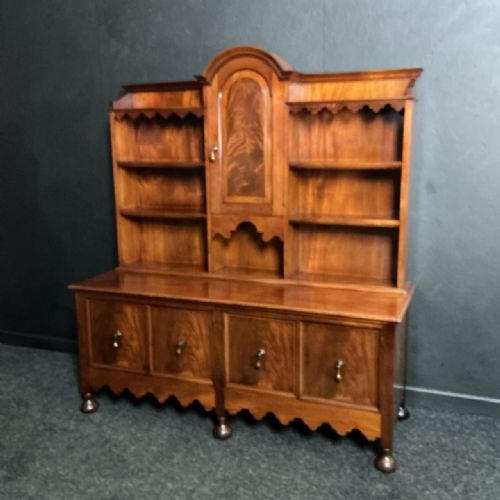
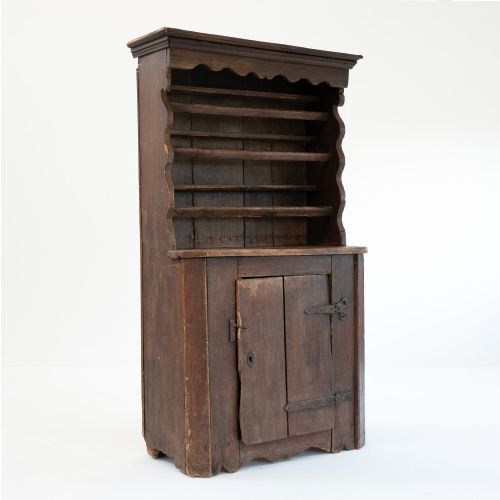
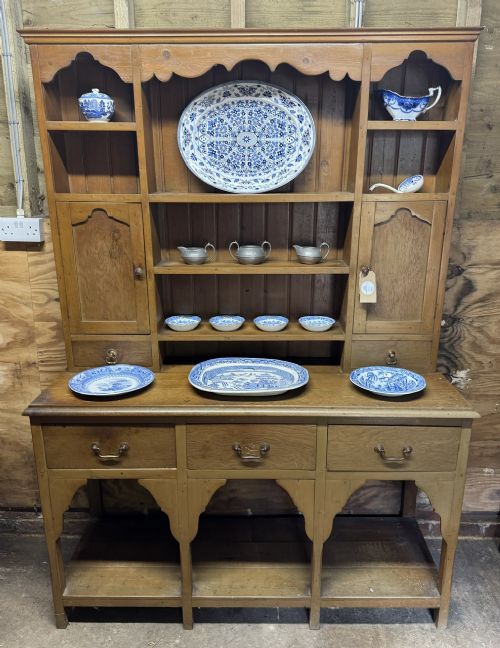
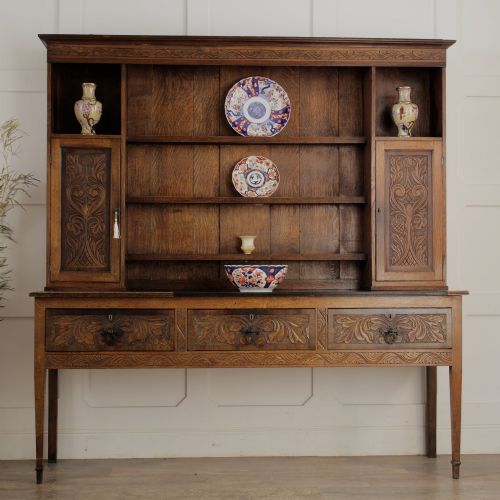
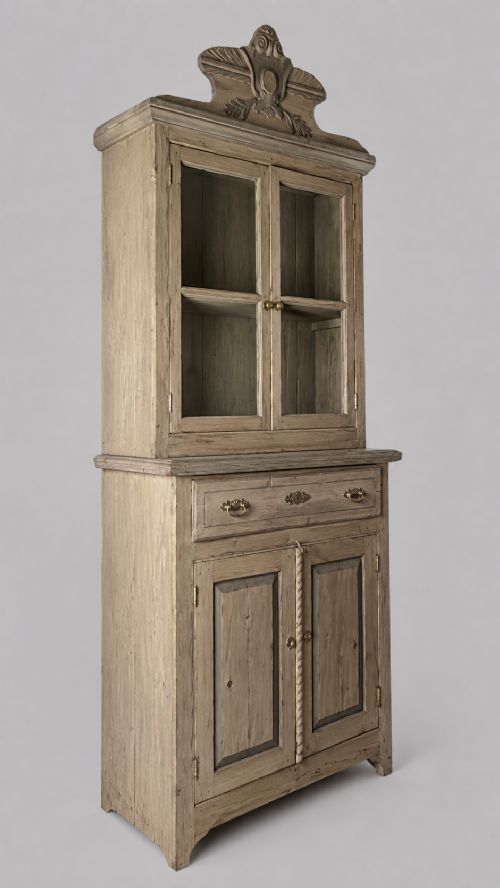
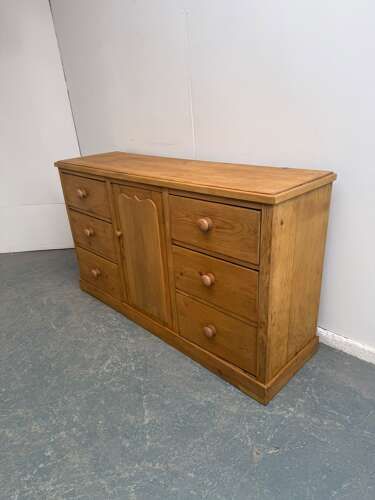
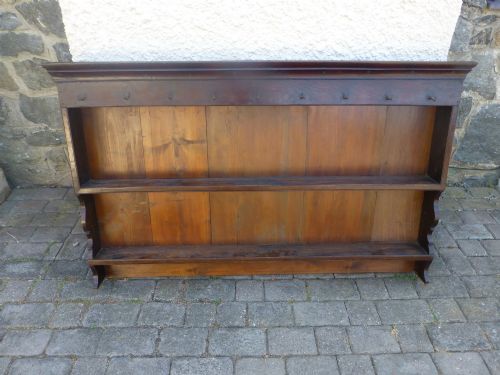
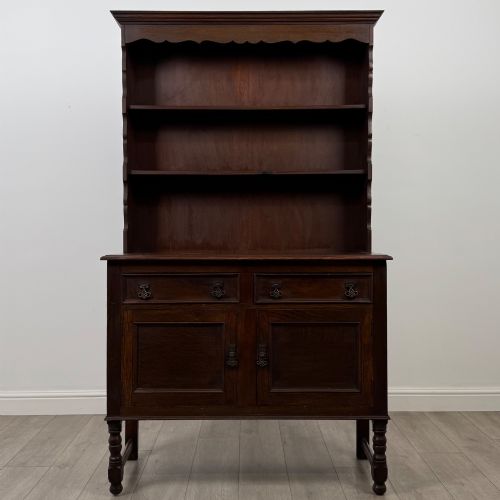
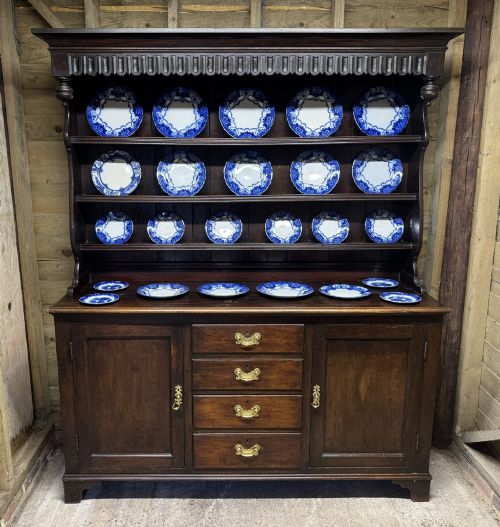
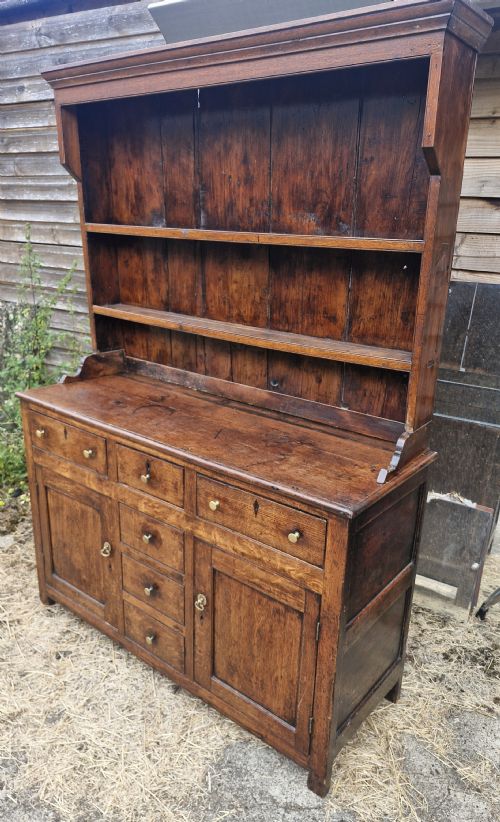
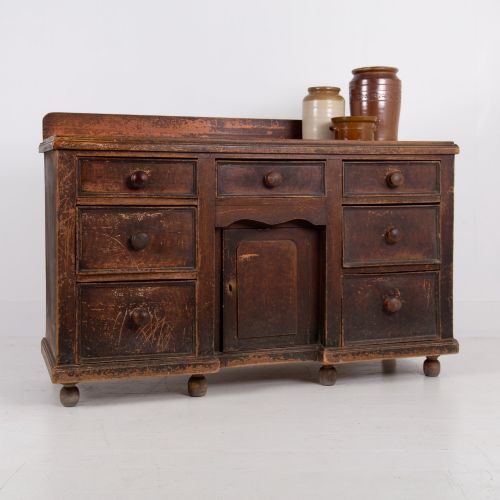
A wooden kitchen dresser combines a lower storage cabinet, fitted with drawers or cupboards, with an upper plate rack or glazed display section designed for domestic tableware.
The selections available range widely across periods from the eighteenth century to the early twentieth century, spanning English, Welsh, Irish, French, and Danish origins.
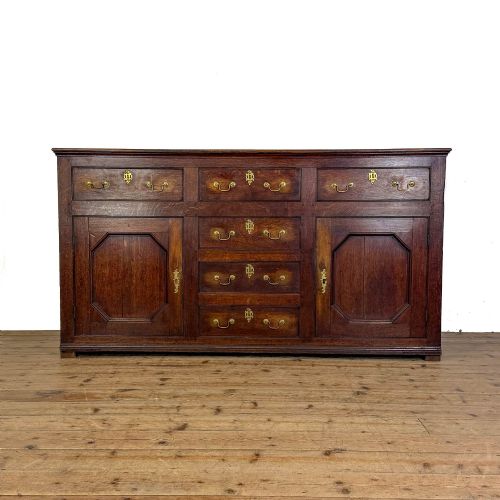
Most examples encountered here are built from robust timbers like oak and pine, often displaying regional traits such as open potboards or distinct cornice mouldings.
How they were made
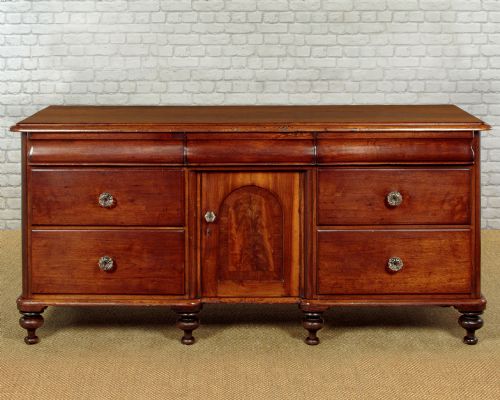
Cabinetmakers constructed these pieces primarily from solid woods including oak, pine, mahogany, and walnut, often joining panels with traditional pegged mortise and tenon joints.
Surfaces frequently show historical treatments such as original paint, wax finishes, or stripped pine, complemented by functional brass or iron hardware and glass panels.
Periods represented span the Georgian, Victorian, and Edwardian eras, alongside specific dates from 1750 to 1910.
What varies in quality
The standard of a piece depends on the integrity of its timber, the survival of its original surface finish, and whether the upper rack matches the base historically.
Proportion and regional vernacular detail dictate the visual strength of the piece, separating standard utility furniture from finer provincial workshops.
The Wooden Kitchen Dresser Glossary
- Potboard
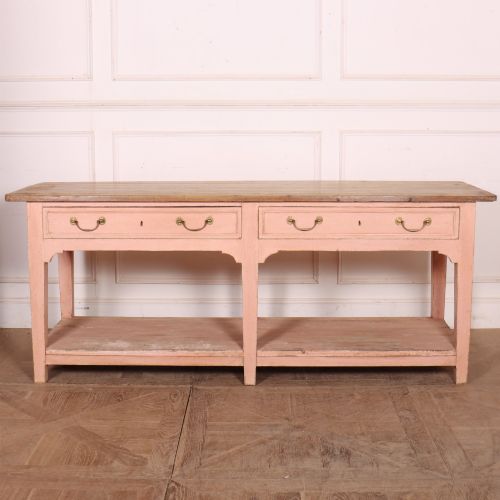
- An open lower shelf beneath a dresser base traditionally used for storing pots and heavy kitchen utensils.
- Delft rack
- An upper wall-mounted or integrated shelving unit featuring narrow grooves designed to display plates upright.
- Dresser base
- The lower cabinet portion of a dresser, which functions independently as a sideboard or low cupboard.
- Patina
- The surface sheen and texture developed through years of handling, polishing, and natural ageing of wood or paint.
Wooden Kitchen Dresser: Frequently Asked Questions
Are dresser racks always attached?
Many traditional dressers comprise a separate base and upper plate rack that rest together rather than joining with permanent fixings. This modular construction made moving heavy regional furniture through tight cottage doorways considerably easier.
Buyers should examine the resting points and backboards to confirm whether the top and bottom sections originated together as a single matched pair.
How do I identify a Welsh dresser?
Welsh pieces typically feature open potboards beneath the main counter and robust oak construction intended for heavy farmhouse use. They often retain deep proportions designed to hold large collections of local ceramics and treen.
Regional variations distinguish them from English or continental equivalents through specific cornice profiles and drawer configurations.
What is a housekeeper cupboard?
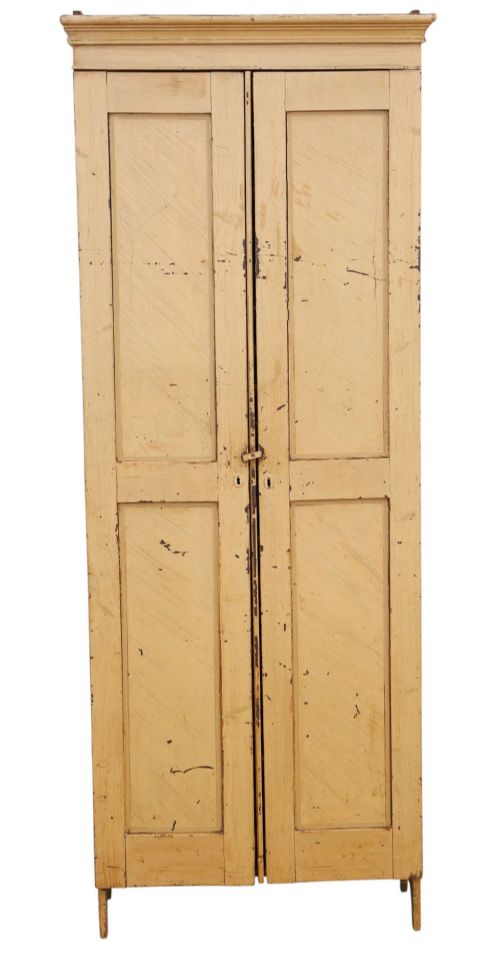
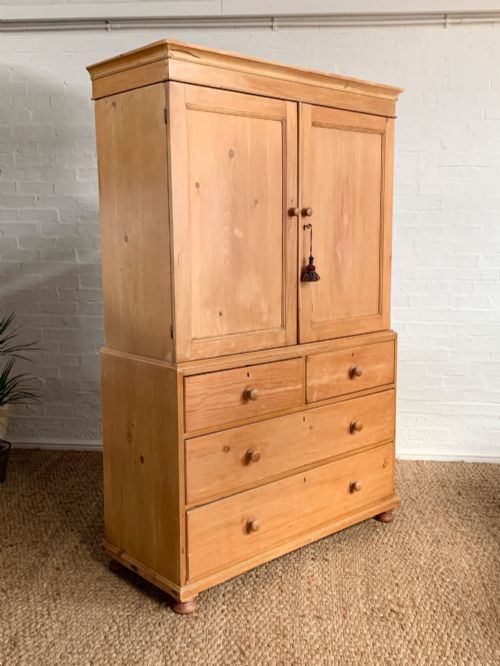
Housekeeper cupboards function as tall, enclosed storage units designed to house linens, dry goods, and provisions rather than displaying plates on an open rack. They provide substantial vertical capacity with multiple doors and drawers.
These pieces served a central role in large country houses and domestic domestic quarters during the eighteenth and nineteenth centuries.
How do I care for waxed pine?
Waxed pine surfaces require occasional gentle feeding with traditional beeswax to maintain the moisture balance of the timber and preserve the soft lustre. Avoid placing these pieces near direct heat sources or strong sunlight to prevent warping and drying.
Regular dusting with a dry cloth keeps the finish intact without stripping away the historical character of the wood.