
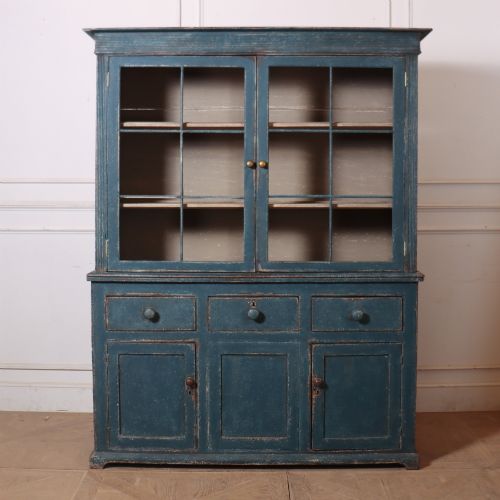
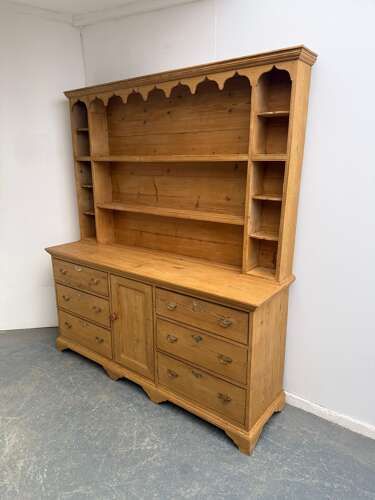
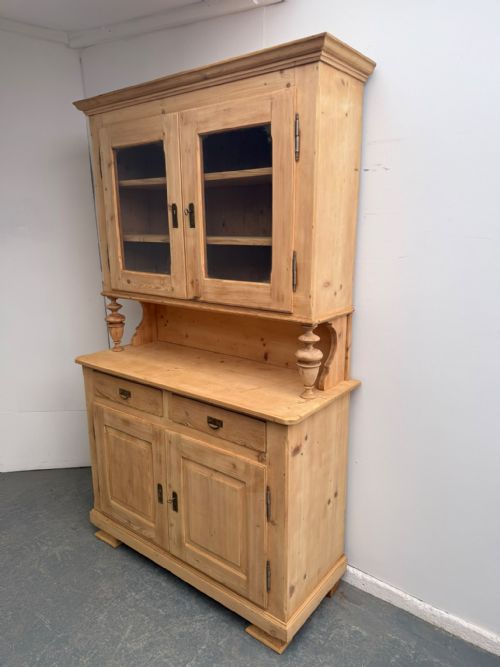

Kitchen Hutch Cabinet
A kitchen hutch cabinet organises domestic crockery and provisions while anchoring a room with substantial utility and period character.
Kitchen Hutch Cabinet
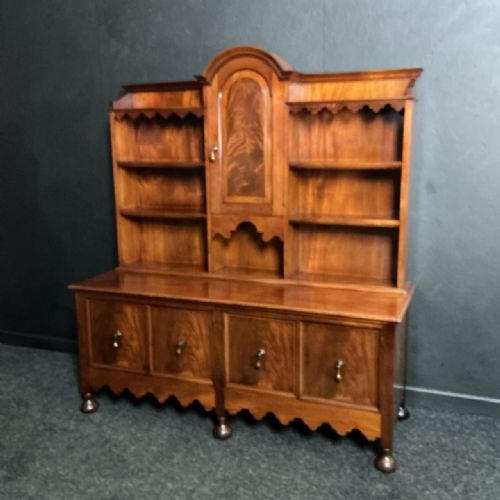
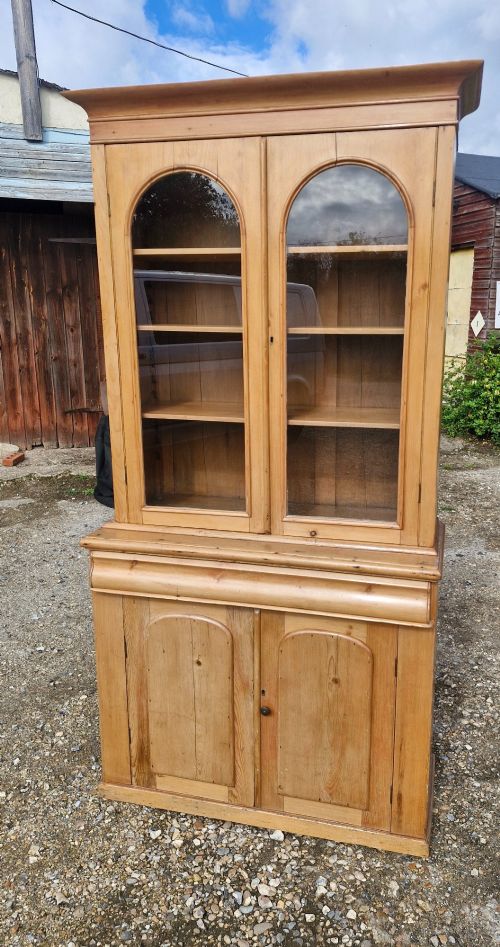
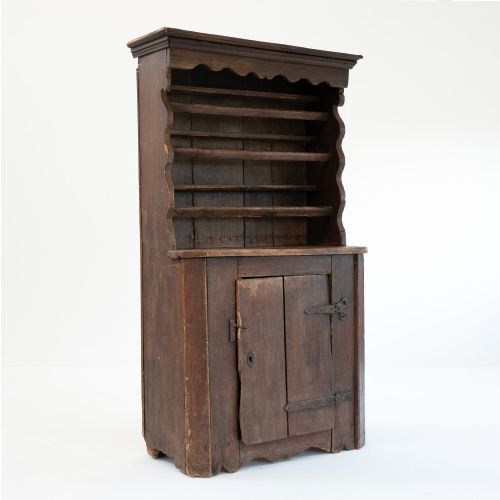
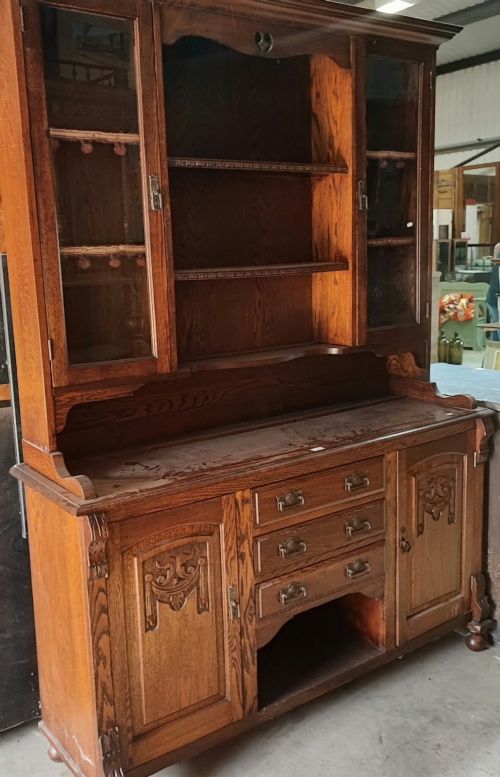
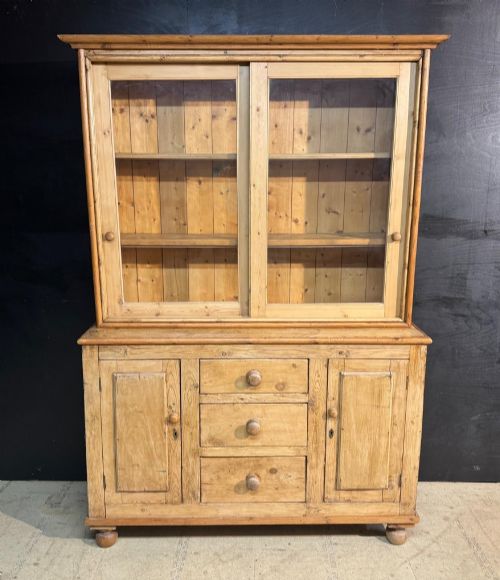
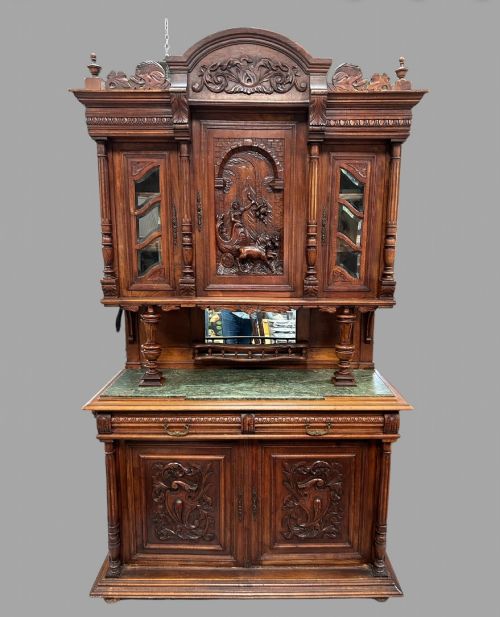
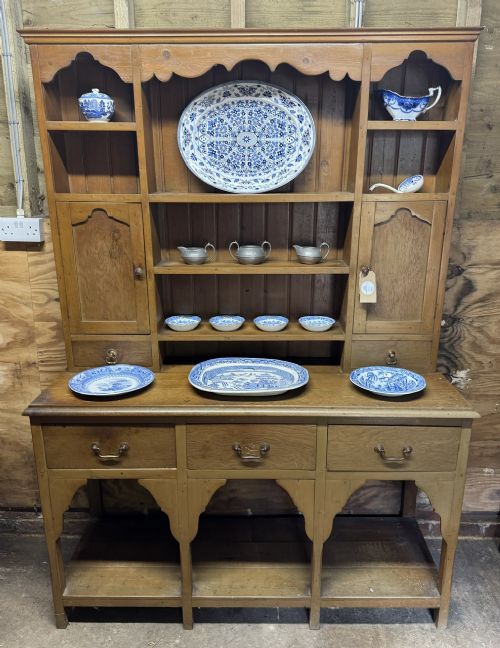
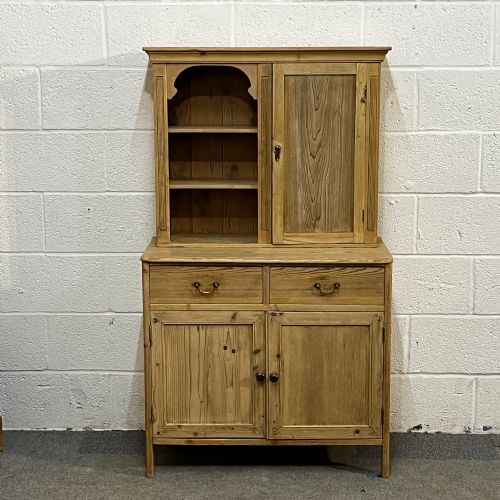
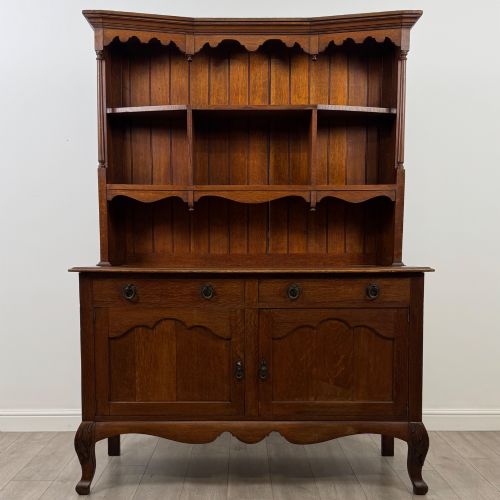
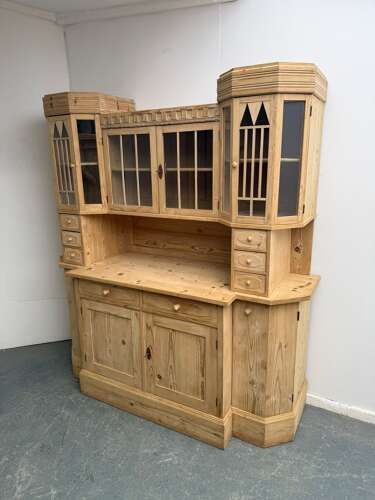
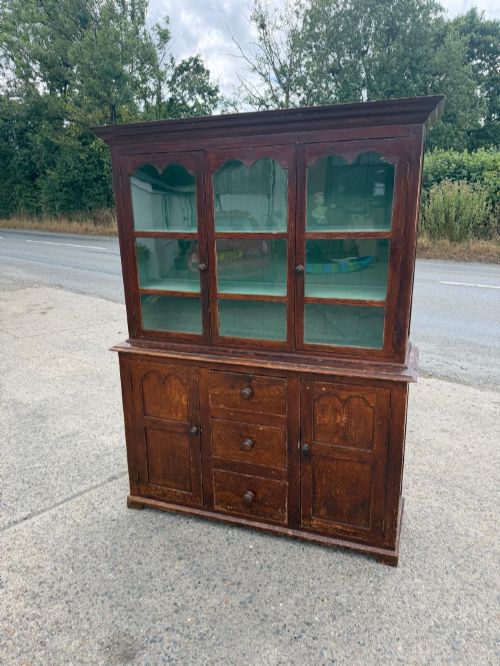
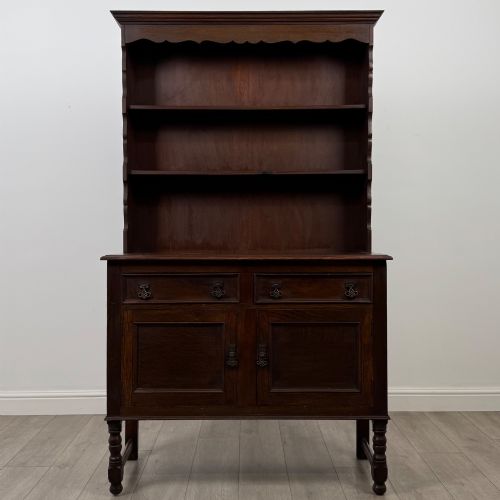
When buyers search for a kitchen hutch cabinet, they encounter large storage furniture traditionally used for displaying tableware and storing dry goods. The selection on this page primarily consists of regional dressers, sideboards with plate racks, and two-piece glazed or open-shelf cabinets from British, Irish, French, and Scandinavian origins.
The forms span several centuries, with the majority originating in the nineteenth and early twentieth centuries alongside earlier eighteenth-century examples. Common variations include Welsh dressers with distinct plate racks, breakfront designs, and compact cottage units suited to domestic spaces.
Regional vernacular strongly influences the appearance of these pieces, from West Country English styles to French Provincial and Alpine farmhouse forms. Buyers find both natural wood surfaces and painted finishes reflecting the working utility of historic rural kitchens.
Materials and construction methods
Makers relied heavily on native timbers such as pine, oak, walnut, and elm, selecting each wood for structural durability and local availability. Pine serves as the predominant softwood for painted and waxed vernacular items, while oak and walnut provide heavier framing for formal or regional statement pieces.
Hardware and glazing integrate functional brass pulls, iron hinges, and leaded or clear glass panes within door frames. Construction techniques combine pegged mortise and tenon joints with hand-planed panels, dovetail drawers, and applied mouldings that secure plate racks and cornices to the lower base cabinets.
Listings feature timbers including pine, oak, walnut, mahogany, elm, and brass hardware.
Assessing quality and authenticity
The distinction between ordinary and exceptional examples rests upon the integrity of the original surfaces, such as untouched painted patinas or deep wax finishes on aged timber. Pieces retaining their original hardware, uncompromised backboards, and matching upper racks command greater appreciation among collectors.
Proportion and regional carving detail elevate certain pieces above standard utility furniture, particularly when craftsmanship includes decorative elements like green man carvings, cabriole legs, or distinctive breakfront drawer configurations. The harmony between the base cabinet and its upper rack indicates whether a piece was conceived as a unified whole.
Heals of London
The Kitchen Hutch Cabinet Glossary
- Breakfront
- A cabinet design where the central section projects forward from the flanking outer cupboards or drawers. This configuration adds architectural depth to larger vernacular storage pieces.
- Tiger oak
- Quartersawn oak timber exhibiting distinctive mottled medullary ray figuring resembling tiger stripes. Furniture makers utilised this cut to highlight the natural grain.
- Folk art
- Handmade decorative work reflecting traditional regional styles and domestic culture rather than academic training. Painted finishes on Alpine and Scandinavian furniture often fall into this expressive category.
- Patina
- The surface sheen and colour acquired by wood, paint, or metal through age, use, and waxing. A desirable patination signals unpolished historical wear.
Kitchen Hutch Cabinet: Frequently Asked Questions
What is a kitchen hutch cabinet?
A kitchen hutch cabinet is a dual-purpose storage unit combining a lower base of cupboards or drawers with an upper shelving section. These pieces served historically to store kitchen provisions while displaying ceramic plates.
Today, buyers utilise them in modern kitchens and dining spaces to combine functional pantry storage with historic display capability.
How do I date an antique cabinet?
Dating relies on examining construction methods, timber types, and hardware fixings. Hand-cut dovetails, pegged joints, and original tool marks generally point to eighteenth or nineteenth-century craftsmanship.
Stylistic shifts, such as heavy Victorian carvings or Arts and Crafts simplicity, further narrow down the decade of production.
Are these pieces made of solid wood?
Traditional kitchen cabinets of this era were constructed using solid timber planks throughout their frames, shelves, and backboards. Pine, oak, walnut, and elm form the primary structural materials seen across these listings.
Solid construction ensures durability and allows the wood to develop an authentic aged patina over time.
Can I fit a large dresser in a small room?
While many historic dressers span several feet and require substantial wall space, the selection includes compact cottage variations and very small nineteenth-century models. Measuring ceiling height and floor depth ensures the proportions suit domestic rooms.
Two-piece designs also simplify transportation and placement within interior spaces.